
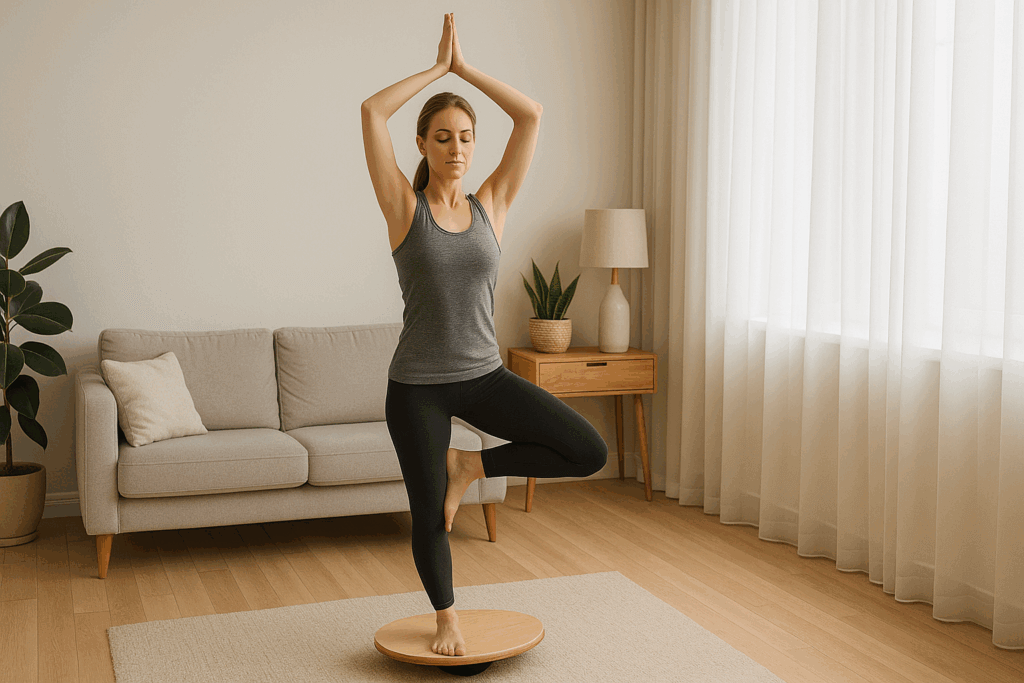
What Is Body Balance?
Body balance refers to the harmonious alignment of the physical, mental, and emotional aspects of an individual’s health and well-being. It encompasses a holistic approach to wellness that integrates various practices, including physical exercise, mindfulness, nutrition, and emotional health.
In a world where stress and chaos are common, understanding body balance is crucial for maintaining both physical health and emotional stability. This article will delve deeper into the concept of body balance, its importance, and practical applications that can help individuals in Massachusetts and beyond.
The Importance of Body Balance
Finding body balance is essential for overall health. When one aspect of health is out of alignment, it can lead to physical ailments, emotional distress, and mental fatigue. For instance, someone who exercises regularly but neglects their emotional health may still feel unfulfilled or stressed.
The concept of body balance is rooted in the idea that all aspects of health are interconnected. When you improve one area, such as physical fitness, it can positively influence your mental and emotional well-being. This holistic approach is particularly important for residents in Massachusetts, where environmental factors and lifestyle choices can impact health.
Key Aspects of Body Balance
To achieve body balance, consider these key aspects:
- Physical Health: Regular exercise, proper nutrition, and adequate sleep are foundational to body balance. Engaging in activities such as yoga, Pilates, or outdoor adventures in Massachusetts can enhance physical strength and flexibility.
- Mental Health: Mindfulness practices, meditation, and stress management techniques play a crucial role in maintaining mental clarity and emotional stability.
- Emotional Health: Building emotional intelligence and coping strategies is essential for dealing with life’s challenges. Connecting with supportive communities in Massachusetts can foster emotional well-being.
- Spiritual Health: For many, spirituality or a sense of purpose contributes to a balanced life. Engaging in community service or exploring local historical sites can enhance this aspect.
Practical Applications of Body Balance in Daily Life
Implementing body balance in your everyday life can be simple and rewarding. Here are some practical tips:
- Incorporate Movement: Aim for at least 30 minutes of physical activity each day. In Massachusetts, consider joining a local fitness class, hiking in state parks, or practicing yoga on the beach.
- Mindful Eating: Pay attention to what you eat and how it makes you feel. Try local farmers’ markets for fresh produce and explore healthy recipes that utilize seasonal ingredients.
- Practice Mindfulness: Set aside time daily for meditation or deep breathing exercises. Use local resources, such as community centers, to find mindfulness workshops.
- Connect with Nature: Spend time outdoors to recharge. Massachusetts offers beautiful landscapes, from the mountains to the coast, providing the perfect backdrop for relaxation and reflection.
Common Misconceptions About Body Balance
Despite its benefits, there are common misconceptions surrounding body balance:
Get more content like this!
Sign up to receive updates and new terms first hand.
- It’s Only About Physical Fitness: While physical health is vital, body balance also includes mental and emotional aspects.
- It Requires a Lot of Time: Achieving body balance doesn’t necessarily require extensive time commitments. Small daily changes can lead to significant improvements.
- It’s Only for Specific Groups: Body balance is beneficial for everyone, regardless of age or fitness level.
Related Concepts to Body Balance
Understanding body balance can also lead to exploring other related concepts:
- Wellness: A broader term that encompasses physical, mental, and social health.
- Self-Care: Activities that individuals engage in to maintain health and well-being.
- Holistic Health: An approach that considers the whole person, including physical, emotional, social, and spiritual aspects.
Conclusion: Embracing Body Balance
Body balance is not just a concept; it’s a way of living that leads to improved health and happiness. By recognizing the interconnectedness of physical, mental, and emotional health, individuals can take actionable steps toward a balanced life.
As you consider your own body balance, think about small changes you can make today. Whether it’s taking a walk in a nearby park, trying a new healthy recipe, or practicing mindfulness, every step counts. Your journey to body balance is unique, and it starts with you.
For residents in Massachusetts, the local community is a valuable resource in your pursuit of wellness. Seek out local classes, workshops, and support groups that resonate with your interests and goals. Embrace body balance today!