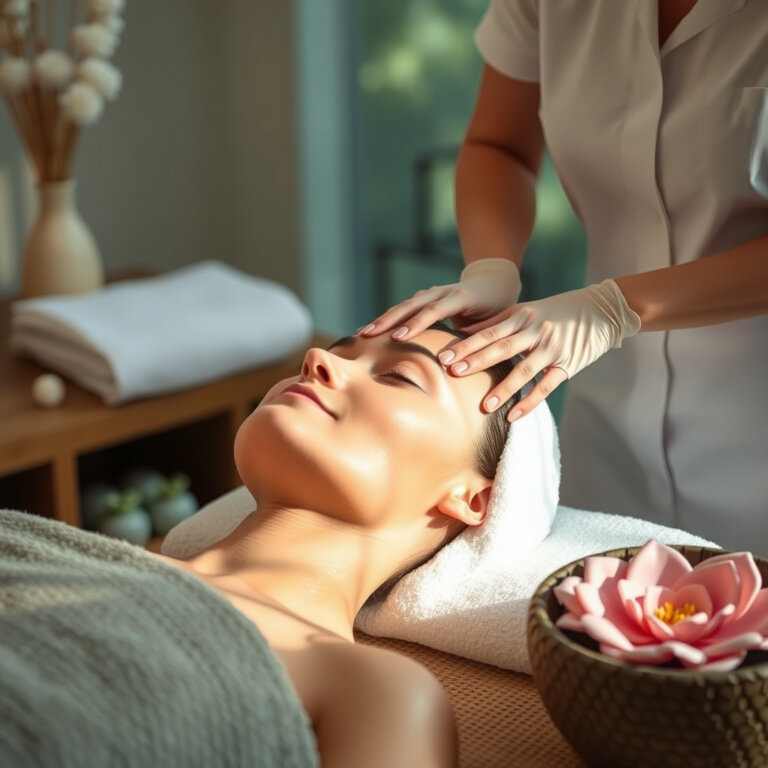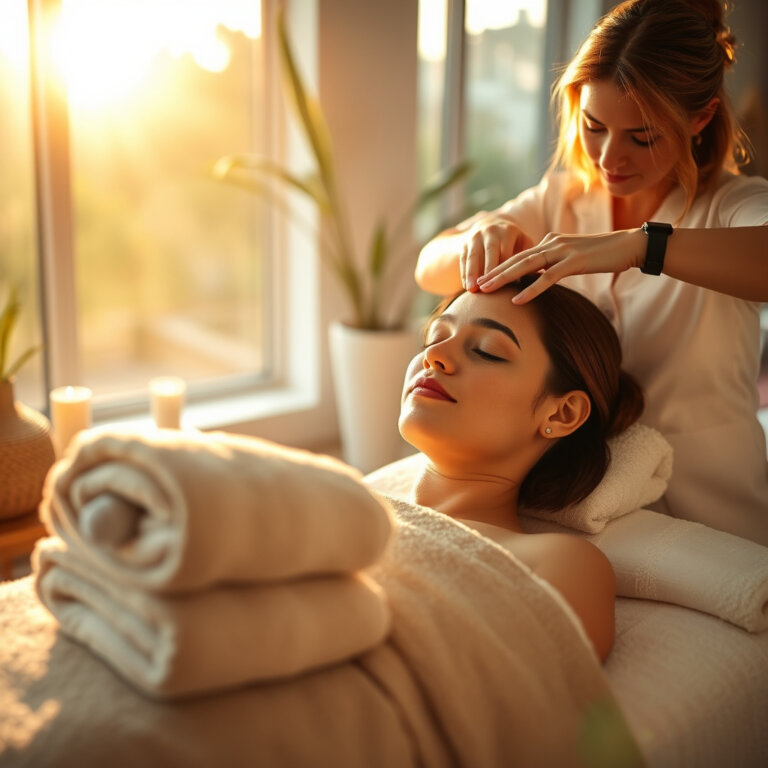
How often should I practice relaxation techniques for stress relief? This refers to the frequency and consistency with which individuals should engage in relaxation practices to effectively manage and reduce stress levels.
How often should I practice relaxation techniques for stress relief? This question is vital for anyone looking to enhance their well-being, especially if you’re in Woburn or North Shore, MA. In this post, you will discover the optimal frequency for practicing various relaxation techniques that can help alleviate stress and promote a sense of calm.
Imagine feeling more relaxed and centered every day. By the end of this article, you will gain insights into different techniques and how often you should incorporate them into your routine for maximum benefit. Let’s dive into the world of relaxation and find out how to make it work for you!

How Often Should I Practice Relaxation Techniques for Stress Relief?
In our fast-paced world, stress can feel omnipresent. You might find yourself asking, “How often should I practice relaxation techniques for stress relief?” This question is not just about frequency; it’s about integrating tranquility into your daily life to enhance your well-being. In this comprehensive guide, we’ll explore the fundamentals of relaxation techniques, their benefits, how to choose the right ones, and practical steps to incorporate them into your routine.
Understanding the Basics of Relaxation Techniques
Relaxation techniques encompass a variety of practices designed to reduce stress and promote a sense of calm. Common methods include:
- Deep Breathing: A simple yet effective technique that involves focusing on your breath to slow your heart rate and lower blood pressure.
- Meditation: This practice encourages mindfulness and helps to clear your mind of distractions, fostering a state of peace.
- Progressive Muscle Relaxation: Involves tensing and then relaxing different muscle groups in the body to relieve tension.
Each of these techniques can significantly contribute to stress relief, but the key lies in how often you practice them.
The Benefits of Regular Practice for Stress Management
Incorporating relaxation techniques into your daily routine offers numerous benefits:
- Reduced Anxiety: Regular practice can help diminish feelings of anxiety and improve your overall mood.
- Improved Focus: Engaging in relaxation can enhance your concentration, making it easier to tackle everyday tasks.
- Enhanced Well-Being: A consistent practice promotes emotional health, leading to a more balanced and fulfilling life.
Experts suggest that practicing these techniques regularly can yield long-lasting results in stress management.
Choosing the Right Relaxation Techniques for Your Lifestyle
Not every relaxation technique will resonate with everyone. Here are some factors to consider when selecting the right methods for your lifestyle:
- Time Commitment: Assess how much time you can realistically dedicate to relaxation each day.
- Personal Preferences: Choose techniques that you enjoy. If you dislike meditation, for example, a simple breathing exercise might be more effective.
- Accessibility: Consider whether you can practice these techniques at home, at work, or in a spa.
By aligning your choices with your preferences and schedule, you’re more likely to stick with them.
A Step-by-Step Guide to Incorporating Relaxation into Your Routine
Here’s how you can seamlessly integrate relaxation techniques into your everyday life:
- Set Aside Time: Dedicate specific times each day for relaxation, even if it’s just 5-10 minutes.
- Create a Conducive Environment: Choose a quiet space where you can practice without interruptions.
- Maintain Consistency: Try to practice daily or several times a week to build a habit.
Consistency is crucial for reaping the benefits of relaxation techniques.
Advanced Techniques and Best Practices for Effective Relaxation
Once you’re comfortable with basic techniques, consider exploring advanced practices:
- Guided Imagery: Visualize a peaceful scene to enhance relaxation.
- Yoga or Tai Chi: Incorporate movement into your relaxation routine to combine physical and mental benefits.
- Mindfulness Practices: Focus on the present moment to deepen your relaxation experience.
Experimenting with these methods can deepen your practice and provide greater stress relief.
Common Pitfalls in Relaxation Practice and How to Overcome Them
Many individuals face challenges while trying to integrate relaxation techniques into their lives. Here are common pitfalls and solutions:
- Inconsistency: Set reminders or schedule relaxation sessions just like you would any other appointment.
- Unrealistic Expectations: Understand that results take time; be patient with your progress.
- Distractions: Turn off notifications and inform others of your relaxation time to minimize interruptions.
By recognizing these challenges, you can navigate them more effectively and enhance your relaxation journey.
Conclusion
Practicing relaxation techniques regularly is essential for managing stress and enhancing your overall well-being. By understanding the basics, selecting the right methods, and committing to a consistent routine, you can cultivate a more peaceful and balanced life. So, take a moment today, breathe deeply, and start your journey towards a more relaxed you. Remember, as you seek stress relief, the path to tranquility is just a few deep breaths away.
Sobre Nossa Expertise
Este conteúdo reflete nossa profunda experiência no mercado. nossa especialização em Skin care/facial treatments (“Deep cleansing facials,” “Relaxation massage,” etc.)
Therapeutic and relaxation massage (“Therapeutic massage,” Relaxation massage)
Body treatments (including modeling, body contouring, etc.)
Brazilian waxing
Waxing in general, hair removal (Brazilian waxing)
Couples massage, head spa, and facial treatments. nos posiciona como uma fonte confiável de informações sobre How often should I practice relaxation techniques for stress relief?.
Nossa Localização: 23 Warren Ave #120, Woburn, MA 01801
Perguntas Frequentes
How often should I practice relaxation techniques for stress relief?
For optimal stress relief, it's recommended to practice relaxation techniques daily. Even short sessions of 10-15 minutes can be beneficial. However, the frequency can vary based on individual needs and stress levels, so find a routine that works best for you.
What are some effective relaxation techniques?
Effective relaxation techniques include deep breathing exercises, progressive muscle relaxation, guided imagery, meditation, and yoga. Experiment with different methods to see which ones resonate with you and fit into your schedule.
Can practicing relaxation techniques too often be harmful?
Generally, practicing relaxation techniques is not harmful. However, if you find yourself avoiding responsibilities or feeling overly dependent on these techniques, it might be beneficial to seek professional guidance.
When is the best time to practice relaxation techniques?
The best time to practice relaxation techniques is when you feel stressed or overwhelmed. Additionally, incorporating them into your daily routine, such as in the morning or before bed, can enhance overall well-being and help you manage stress more effectively.
How long should each relaxation session last?
Each relaxation session can last anywhere from 5 to 30 minutes, depending on your schedule and comfort level. Starting with shorter sessions and gradually increasing the duration can help you build a consistent practice without feeling overwhelmed.

At Best and Beyond Spa, Day and Davilla are dedicated professionals passionate about wellness and beauty. With expertise in spa day treatments, couples massages, and senior wellness, they provide high-quality, personalized care in a relaxing environment. Their mission is to help clients feel rejuvenated, refreshed, and truly cared for.