

In the bustling city of Boston, many workers experience daily challenges such as long hours at desks, stressful commutes, and the demands of urban life.
This can lead to increased muscle tension, fatigue, and stress.
However, integrating simple stretches into your daily routine can significantly enhance your well-being and productivity.
The “Daily Mobility Boost: Easy Stretches for Boston Workers” offers a practical guide to counteract the physical and mental strains of everyday work life.
Not only will these stretches provide immediate relief, but they will also enhance your overall performance at work.
Whether you are riding the T, working in a high-rise office, or engaging in outdoor activities, adding some easy stretches can help you feel more agile and relaxed.
Let’s explore seven effective stretches designed specifically for busy Boston professionals seeking a moment of relief and rejuvenation in their day.
1. Neck Stretch: Alleviating Tension After Long Hours
It’s common for office workers to experience tightness in the neck due to prolonged sitting and staring at screens.
This simple stretch can ease tension effectively.
How to Perform the Neck Stretch
To do this stretch, sit comfortably in your chair or stand up straight.
- Gently tilt your head to one side, bringing your ear towards your shoulder.
- Hold for 15-30 seconds, feeling the stretch on the opposite side of your neck.
- Repeat on the other side.
This stretch not only relieves muscle tension but also improves your range of motion.
2. Shoulder Rolls: Releasing Built-Up Stress
Shoulder rolls are an excellent way to release stress accumulated from hunching over a desk or feeling pressured.
Executing Shoulder Rolls
Here’s how to perform this stretch effectively:
- Stand or sit up straight with your arms relaxed at your sides.
- Slowly roll your shoulders forward in a circular motion for 10 repetitions.
- Then, roll your shoulders backward for another 10 repetitions.
This movement not only reduces tension but also encourages proper posture.
3. Upper Back Stretch: Opening Up Your Posture
Enhancing your posture can reduce discomfort significantly.
An upper back stretch helps combat the slouching that occurs during office hours.
Performing the Upper Back Stretch
To execute this stretch, follow these steps:
- Stand with your feet shoulder-width apart.
- Interlace your fingers and stretch your arms out in front of you while rounding your back.
- Hold this position for 15-20 seconds.
This stretch can effectively ease the tension in your shoulders and upper back.
4. Seated Torso Twist: Enhancing Spine Flexibility
This stretch offers a great way to improve spinal flexibility while sitting at your desk.
Steps to Perform the Seated Torso Twist
- Sit up tall in your chair with your feet firmly planted on the ground.
- Place your right hand on the back of your chair and twist your torso to the right, using your left hand to deepen the stretch.
- Hold for 15-30 seconds; switch sides.
This twist encourages proper spinal alignment and helps reduce stiffness.
5. Wrist and Finger Stretches: Preventing Discomfort from Typing
Frequent typing can lead to aches in the wrists and fingers.
These stretches will be a boon for those spending hours on keyboards.
How to Stretch Your Wrists and Fingers
- Extend one arm in front of you with your palm facing up.
- With the opposite hand, gently pull back on the fingers stretching the wrist.
- Hold for 15-30 seconds; repeat on the other hand.
These stretches can help alleviate any discomfort and maintain wrist health.
6. Hamstring Stretch: Counteracting Sedentary Behavior
Sitting for prolonged periods can tighten the hamstrings, leading to discomfort when standing or walking.
Performing the Hamstring Stretch
- Stand up and place your right foot on a low chair or desk.
- Keep your leg straight and lean forward slightly at the hips until you feel the stretch.
- Hold for 15-30 seconds, and then switch legs.
Incorporating this stretch will enhance your flexibility and reduce the risk of injury.
7. Calf Raises: Strengthening Your Lower Body
Calf raises are a beneficial exercise that strengthens the lower body while improving circulation.
Steps to Do Calf Raises
- Stand tall with your feet hip-width apart.
- Slowly raise your heels, balancing on your toes for a few seconds.
- Lower your heels back to the ground, and repeat for 10-15 repetitions.
This simple exercise can be done anywhere, providing instant benefits to your legs.
Incorporating Stretching into Your Workday
Integrating these stretches into your daily routine can provide remarkable advantages for your physical and mental well-being.
Try setting a timer every hour to remind yourself to stand up and stretch.
If you’re near our spa in Woburn, MA, consider pairing your daily stretching routine with a relaxing massage or a therapeutic treatment to further alleviate muscle tension and enhance relaxation.
At Best & Beyond Spa, our aim is to foster a peaceful and restorative environment.
Every stretch and every service is aimed at helping individuals feel their best.
Our team, equipped with expertise in therapeutic techniques, is here to support you in your wellness journey.
Embrace these stretches into your routine today and experience the difference in how you feel both at work and in your personal life.
For tailored therapeutic bodywork that nurtures and revitalizes, consider visiting Best & Beyond Spa.
Your body deserves it!
Frequently Asked Questions
What are the benefits of daily stretching for workers in Boston?
Daily stretching can relieve muscle tension and reduce stress, which is especially important for Boston workers facing long hours at desks and stressful commutes. Incorporating easy stretches into your routine can enhance your overall productivity and well-being.
How can I integrate stretches into my busy workday?
Try setting aside just 5-10 minutes throughout your day for quick stretching sessions. You can do these stretches during breaks, before or after meetings, or even while waiting for your commute.
Are there specific stretches that are better for office workers?
Yes! Neck stretches, shoulder rolls, and back stretches are particularly beneficial for office workers. These stretches help alleviate tension built up from sitting and can improve your range of motion throughout the day.
Can stretching help with stress management?
Absolutely! Stretching promotes relaxation and can help reduce stress levels by releasing built-up tension in the muscles. Incorporating stretches into your day can make you feel more calm and focused.
How often should I stretch during my workday?
It’s beneficial to stretch every few hours, especially if you’re at your desk for extended periods. Aim for short stretching sessions multiple times a day to keep your body flexible and reduce discomfort.
Is it necessary to warm up before stretching?
While not always necessary for gentle stretches, warming up a bit beforehand can be helpful. A few light movements or walking can prepare your muscles for stretching and prevent injury.
What if I don’t have space to stretch at work?
You can perform many stretches right at your desk or in a small space. Seated stretches, such as neck and shoulder rolls, require minimal room and can be done discreetly in most work environments.
Can I do these stretches at home or during commutes?
Definitely! Many of these stretches can be easily adapted for home or while commuting, especially if you’re using public transportation. Just make sure to find a comfortable position and be mindful of your surroundings.
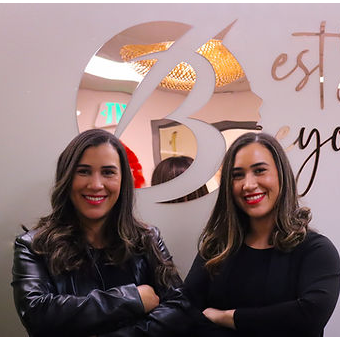
At Best and Beyond Spa, Day and Davilla are dedicated professionals passionate about wellness and beauty. With expertise in spa day treatments, couples massages, and senior wellness, they provide high-quality, personalized care in a relaxing environment. Their mission is to help clients feel rejuvenated, refreshed, and truly cared for.