
Comparative: Early Lymphatic Care vs Standard Care for Fibrosis Reduction in the Immediate Abdomen is shaping postoperative recovery conversations for patients preparing for or recovering from abdominal surgery.
As surgeons and therapists seek ways to optimize scar remodeling, reduce edema, and support tissue healing, this guide examines how an integrated lymphatic approach compares with conventional postoperative care.
In March 2026, the consensus across wellness and rehabilitation communities emphasizes gentle, targeted lymphatic techniques as a complement to standard practices, with a focus on patient comfort, safety, and effective recovery timelines.
This is particularly relevant for individuals who have undergone abdominal procedures and want to understand how early lymphatic care can influence outcomes beyond comfort and relaxation.
At Best & Beyond Spa in Massachusetts, our team blends clinical insight with holistic spa modalities to deliver evidence-informed, non-invasive options that respect each patient’s unique healing trajectory.
You’ll find practical steps, real-world scenarios, and actionable considerations to help you navigate decisions about post-surgical care with confidence and care.
What Early Lymphatic Care Entails for the Immediate Abdomen — A Practical Guide
In this section, we outline lymphatic drainage, gentle manual therapies, scar massage, and edema control as core elements of early lymphatic care for the immediate abdomen.
The goal is to support natural fluid movement, reduce swelling, and promote tissue remodeling without aggressive intervention.
By integrating these components into a postoperative routine, patients can experience improved comfort, clearer signaling from the nervous system, and a smoother transition from bedside recovery to normal activities.
Clinicians and spa professionals increasingly view early lymphatic care as a complement to standard postoperative routines rather than a replacement.
Recent reviews in 2026 highlight how targeted lymphatic work can help modulate inflammation, support fascia health, and facilitate scar formation in a manner that aligns with the body’s inherent healing timeline.
The emphasis is on safety, patient education, and gradual progression that respects each individual’s tissue condition and mobility limits.
In practice, this means thoughtful scheduling, appropriate pressure, and clear communication about what the patient can expect during and after each session.
In real-world terms, patients often report more comfort with less postoperative stiffness and a sensation of improved breath and core mobility after early lymphatic sessions.
A practical benefit observed in clinics and wellness centers across Massachusetts is a measurable improvement in daytime activity tolerance and sleep quality during the first weeks after surgery.
These experiences underscore the value of a well-structured lymphatic care plan that blends clinical touchpoints with soothing, non-invasive modalities.
Fibrosis Prevention is a focus of this approach.
By supporting controlled tissue remodeling and reducing prolonged edema, practitioners aim to minimize excessive scar formation and adhesions.
This aligns with a broader commitment to patient safety, gentle care, and long-term tissue health—principles shared by Best & Beyond Spa’s team of therapists who bring years of hands-on experience to post-surgical care in Massachusetts.
- Element 1: Lymphatic drainage techniques that respect the abdomen’s contours and surgical incisions
- Element 2: Gentle manual therapies tailored to early healing phases
- Element 3: Scar massage to promote pliability and minimize restricted tissue
- Element 4: Edema control through carefully paced interventions and activity guidance
Clinical insights for the Comparative: Early Lymphatic Care vs Standard Care for Fibrosis Reduction in the Immediate Abdomen
From a clinical perspective, early lymphatic care differs from traditional postoperative routines by prioritizing fluid dynamics and tissue microenvironment before returning to higher-intensity activities.
In Massachusetts clinics, therapists coordinate with surgeons to time sessions appropriately, ensuring that techniques are suitable for the surgeon’s healing plan and the patient’s comfort level.
This collaborative approach supports better tissue oxygenation, reduces local swelling, and fosters a more coordinated healing response.
In practice, you’ll notice that sessions emphasize patient feedback, cautious progression, and clear explanations about the expected sensations during treatment.
Comparing Early Lymphatic Care with Standard Postoperative Care — What This Means for You
In this section, we present a balanced comparison to help you decide how to structure postoperative care.
The key differences center on timing, modality scope, and patient experience.
The primary objective is to support a steady, predictable recovery while prioritizing safety and comfort.
This comparison also reflects how patient education, gentle touch, and non-invasive modalities can play a meaningful role in shaping tissue remodeling and scar outcomes over the weeks following surgery.
Standards often include rest, basic wound care, and general physical activity progression.
Early lymphatic care adds a structured, therapist-guided program that can be integrated alongside standard care.
The emphasis remains on respectful, non-invasive methods, with an intent to optimize lymphatic flow, reduce swelling, and facilitate soft tissue mobility.
For individuals who have undergone abdominal procedures, this combined approach can offer practical benefits in daily function, sleep quality, and overall well-being as recovery progresses.
Key considerations when weighing these options include your surgical timeline, incision characteristics, energy levels, and comfort with touch-based therapies.
A collaborative plan that includes your surgeon, spa therapist, and you can ensure that interventions remain within safe boundaries while maximizing potential benefits.
In March 2026, expert voices in the field emphasize that patient-centered planning—grounded in the latest evidence and local practice norms—is essential for optimal fibrosis prevention and tissue health.
Fibrosis Prevention remains a central outcome across both approaches, but the strategy varies with the patient’s healing stage and tissue tolerance.
By combining standard postoperative care with evidence-informed lymphatic methods, patients often experience fewer days of discomfort related to swelling and a quicker return to light activities.
Best & Beyond Spa’s Massachusetts team supports this integrated pathway by tailoring sessions to the individual’s progress, anatomy, and goals.
- Comparison Point 1: Timing and progression of sessions in early lymphatic care versus standard postoperative care
- Comparison Point 2: Scope of modalities used (gentle manual techniques, spa therapies) alongside conventional care
- Comparison Point 3: Patient experience, including comfort, sleep, and functional recovery
Comparative: Early Lymphatic Care vs Standard Care for Fibrosis Reduction in the Immediate Abdomen — Practical Takeaways
For patients planning surgery or currently in recovery, the following practical takeaways can help guide conversations with your care team.
First, clarify the surgeon’s healing milestones and how lymphatic sessions might fit within those milestones.
Second, ensure any therapist is trained in post-surgical safety practices and understands incision protection and infection risk.
Third, establish a realistic schedule that balances rest with movement and lymphatic work.
Fourth, monitor how your body responds to sessions and communicate openly about comfort levels and any changes in scar appearance or swelling.
These steps, when combined with a thoughtful care plan, can contribute to a steady recovery that prioritizes functional outcomes and long-term tissue health.
Structured Protocols: Implementing Early Lymphatic Care Safely — A Step-by-Step Guide
Implementing early lymphatic care requires a thoughtful protocol that respects surgical healing, patient safety, and comfort.
The following practical steps outline how to integrate lymphatic care with standard postoperative routines.
The aim is to create a sustainable path that emphasizes slow, controlled progress and clear safety boundaries.
In Massachusetts, Best & Beyond Spa works with medical teams to design protocols that align with individual healing plans and patient preferences, ensuring a safe and supportive recovery environment.
Step-by-step guidance includes: scheduling considerations, session content, home-care activities, and red flags to watch for.
Therapists emphasize transparent communication about pressure, technique, and pacing, helping patients understand how each component contributes to edema control and scar pliability.
By combining in-clinic lymphatic sessions with at-home care and daily movement strategies, patients can experience a cohesive recovery rhythm that supports tissue remodeling without overstressing healing tissues.
Fibrosis Prevention is strengthened by adherence to a well-structured plan, including proper incision protection, gentle mobilization, and ongoing education about signs of potential complication.
Best & Beyond Spa emphasizes patient empowerment and informed choices, ensuring that you feel confident in every step of your recovery journey.
- Protocol Component 1: In-clinic lymphatic sessions aligned with surgical milestones
- Protocol Component 2: Home-care routines that reinforce lymphatic flow and mobility
- Protocol Component 3: Communication framework with your care team for safety and progress updates
Implementation Examples for the Immediate Abdomen
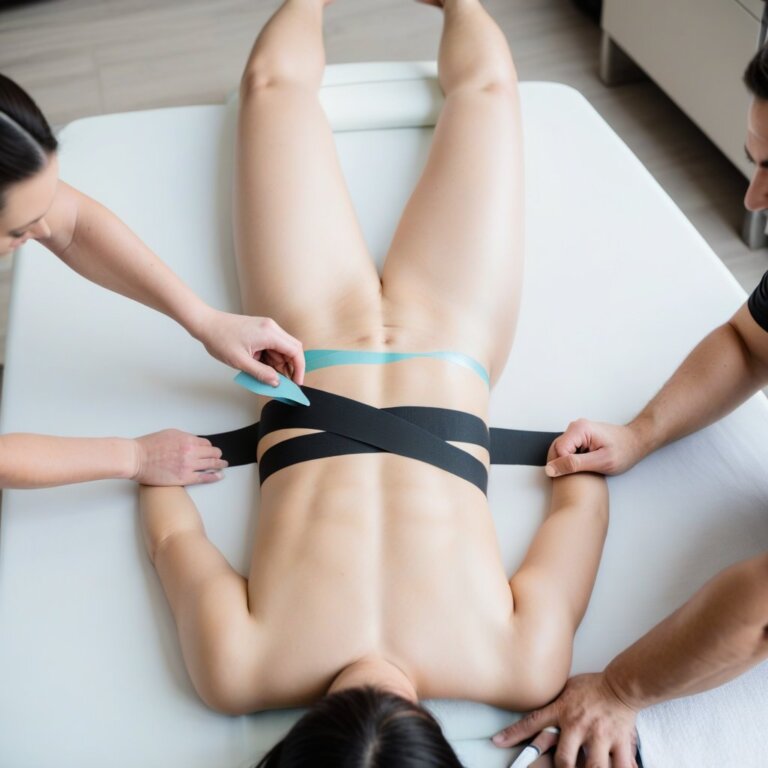
Example A focuses on early lymphatic sessions that prioritize gentle, directional strokes along lymphatic pathways, complemented by light breathing exercises to facilitate diaphragmatic movement.
Example B integrates scar-focused massage once incisions begin to heal, with a gradual increase in touch intensity aligned to the surgeon’s guidance.
These scenarios show how a phased, patient-centered approach can support edema reduction, tissue oxygenation, and scar pliability in a manageable timeline.
In both examples, the collaboration between the patient, the surgeon, and the therapist ensures that interventions remain within safe limits while providing meaningful benefits in edema control and functional recovery.
Safety, Contraindications, and When to Seek Guidance
Safety is foundational in any post-surgical program.
This section highlights considerations, contraindications, and guidance on when to consult medical professionals in addition to spa therapists.
The goal is to provide clear boundaries and emphasize the importance of integrated care that respects the patient’s overall health, surgical protocol, and healing trajectory.
Contraindications for certain lymphatic techniques may include active wound infection, significant wound dehiscence, or new, unexplained swelling that could indicate a complication.
In these cases, immediate medical assessment is essential, and any lymphatic therapy should be postponed until clearance is provided by the surgical team.
Therapists working with post-surgical clients in Massachusetts coordinate closely with physicians to determine safe entry points for lymphatic work and to tailor sessions to the patient’s healing status.
Red flags to watch for between sessions include increasing pain, redness spreading away from the incision site, fever, or a sudden change in incision appearance.
If any of these occur, contact your healthcare provider promptly.
The Best & Beyond Spa team emphasizes proactive communication: patients should feel empowered to pause sessions or adjust plans if discomfort or concerns arise.
The emphasis remains on safety, comfort, and progressive healing as hallmarks of a responsible post-surgical care path.
When to seek additional guidance is a personal decision guided by your surgeon’s recommendations, your recovery timeline, and your daily functioning.
A collaborative plan that integrates surgical care with supportive lymphatic practices can help you navigate the early postoperative period with confidence and calm.
In March 2026, many patients report that working with a trusted spa partner in Massachusetts enhances their sense of control and safety as they move through recovery milestones.
- Guidance Point 1: Always obtain surgical clearance before initiating lymphatic sessions post-op
- Guidance Point 2: Maintain incision hygiene and monitor for signs of infection
- Guidance Point 3: Schedule sessions to complement rest periods and physical therapy if applicable
Clinical Practice Considerations in Comparative: Early Lymphatic Care vs Standard Care for Fibrosis Reduction in the Immediate Abdomen
Clinicians emphasize a patient-centered approach that aligns with the unique healing trajectory.
In practice, this means tailoring session frequency and intensity to the incision stage, tissue tolerance, and overall well-being.
The Massachusetts wellness community, including Best & Beyond Spa, prioritizes clear communication about goals, expected sensations, and the relationship between lymphatic care and scar evolution.
This collaborative framework supports a safer postoperative experience and reinforces the value of informed choices during recovery.
Case Scenarios: Real-World Outcomes from Best & Beyond Spa
In this section, we share anonymized, practical examples that illustrate how early lymphatic care can complement standard postoperative care.
Each scenario demonstrates the value of individualized care, careful progression, and patient feedback in achieving functional recovery and tissue health.
These cases reflect the experience of clients who have pursued abdominal surgery recovery plans with Best & Beyond Spa in Massachusetts, blending clinical insights with spa-based modalities for holistic well-being.
Case Scenario 1 focuses on a patient who completed initial incision healing and proceeded with a phased lymphatic care plan, reporting improved swelling management, greater comfort during movement, and more cohesive scar pliability over the first four weeks.
Case Scenario 2 highlights a patient who integrated scar massage and gentle abdominal mobilization alongside conventional post-surgical guidelines, experiencing smoother tissue remodeling and better sleep quality.
While individual results vary, these scenarios underscore how thoughtful lymphatic care can support recovery in real-world settings.
In both cases, teams collaborated with the patient to align interventions with the documented healing plan, ensuring safety and comfort at every step.
The overarching message is that early lymphatic care, when executed with professional oversight, can be a valuable component of a comprehensive postoperative strategy for the immediate abdomen.
Why Massachusetts Clients Choose Best & Beyond Spa for Postoperative Lymphatic Care
Best & Beyond Spa brings a distinctive blend of expertise, care, and approach to post-surgical wellness in Massachusetts.
Our founder, Davilla, started as a massage therapist and expanded into physiotherapy and advanced aesthetics, cultivating a practice that emphasizes therapeutic body care, facial rejuvenation, and holistic well-being.
The team’s experience across massage, skin rejuvenation, and therapeutic modalities informs a nuanced, patient-centered approach that honors each person’s healing journey.
The spa’s philosophy centers on a calm, nature-aligned, restorative environment, with a commitment to clean, vegan, botanical products and evidence-informed practices.
What sets us apart is the seamless integration of clinical insight with spa-level comfort.
We collaborate with surgeons to design individualized care plans that respect surgical healing timelines while providing a soothing, supportive experience.
Across Massachusetts, patients appreciate the combination of expert hands, thoughtful protocols, and a warm, bilingual environment that supports both English and Portuguese speakers.
This combination positions Best & Beyond Spa as a trusted destination for postoperative lymphatic care and fibrosis prevention in a wellness-forward context.
- Experience: Japanese head Spa, skin rejuvenation, and therapeutic massage as part of a holistic recovery plan
- Approach: Evidence-informed, non-invasive care designed to support tissue health and edema control
- Environment: Calm, spa-based setting paired with professional clinical guidance
What to Expect When Engaging with Our Massachusetts Team
Patients can expect a collaborative, respectful process that respects their healing status and personal preferences.
Our team prioritizes clear communication, safety, and gradual progression, with sessions tailored to incision sites, tissue tolerance, and overall energy.
The approach emphasizes expert guidance, personalized care, non-invasive therapies, and patient education, ensuring a comfortable and empowering recovery journey.
Through our integrated care model, you’ll gain access to experienced therapists who understand both clinical considerations and spa-ready modalities.
This combination helps bridge the gap between medical recovery and everyday wellness, providing a supportive path that addresses edema, scar pliability, and functional recovery in a holistic, patient-first framework.
Next Steps: How to Start Your Journey with Early Lymphatic Care
Taking the next step begins with a conversation.
If you’re preparing for abdominal surgery or are already in the early postoperative phase, consider scheduling a consultation with Best & Beyond Spa to discuss how early lymphatic care can fit into your recovery plan.
This initial conversation can help you understand how lymphatic work aligns with your surgeon’s guidance, your comfort level, and your goals for recovery.
Our Massachusetts team is here to listen, explain, and tailor a plan that respects your healing timeline while offering soothing, evidence-informed support.
During your consultation, you’ll learn about session frequency, technique options, and home-care recommendations that support edema control and tissue remodeling.
You’ll also gain insights into how fibrosis prevention strategies can be integrated into daily routines to support long-term tissue health.
If you’re curious about incorporating lymphatic care into your postoperative journey, reach out to Best & Beyond Spa to explore the options that fit your unique needs and recovery goals.
Finally, remember that recovery is highly individual.
The most important outcomes are safety, comfort, and gradual progress toward restored function.
By partnering with a trusted Massachusetts team and staying engaged in your care plan, you can navigate the postoperative period with confidence and a sense of well-being, supported by therapies that honor both science and personalized care.
How to Begin: Quick Steps to Booking and Preparation
1) Contact Best & Beyond Spa to discuss your surgical history and healing stage.
2) Schedule an initial assessment with a therapist trained in post-surgical lymphatic care.
3) Prepare a brief summary of your medical team’s guidance, incision details, and activity restrictions.
4) Bring any images or notes about your incision and scar progression to your first session.
5) Begin with a gentle plan, and progressively adjust pace based on comfort and clinical feedback.
With the right plan, early lymphatic care can become a natural extension of your healing journey, supporting both physical recovery and overall well-being in a calm, evidence-informed environment.
Our Massachusetts team is ready to welcome you to a compassionate, professional space where your healing comes first and your safety is the top priority.
Frequently Asked Questions
What does early lymphatic care entail for the immediate abdomen after surgery?
Early lymphatic care for the immediate abdomen typically combines lymphatic drainage, gentle manual therapies, scar massage, and edema control to support fluid movement and tissue healing. It is delivered under clinician or therapist guidance and emphasizes comfort, safety, and non-invasive techniques.
How does early lymphatic care compare to standard postoperative care for fibrosis reduction in the immediate abdomen?
Early lymphatic care complements standard postoperative care rather than replacing it. It targets edema reduction and fibrosis modulation through targeted lymphatic techniques, alongside conventional wound care and activity guidelines.
What outcomes are most likely improved with early lymphatic care in the immediate abdomen?
Outcomes commonly reported with early lymphatic care include reduced edema, improved scar pliability, and a smoother transition to normal activities. These benefits support fibrosis reduction in the immediate abdomen when used alongside standard recovery practices.
When is the optimal time to start lymphatic drainage after abdominal surgery?
Timing should be guided by your surgeon and therapist. In general, lymphatic drainage may begin once the incision is stable and cleared for light activity, often within days to a couple of weeks after surgery.
Are there safety concerns or contraindications to starting early lymphatic care post-surgery?
Safety considerations include avoiding treatment if there is active infection, significant bleeding risk, or venous issues near the incision. Always consult your surgical team before starting early lymphatic care to confirm suitability for fibrosis reduction goals.
What practical steps can patients take at home to support early lymphatic care?
Follow your provider’s guidance for gentle self-massage around the abdomen and scar. Additional home practices such as diaphragmatic breathing, ankle pumps, proper hydration, and gradual activity can support lymphatic drainage and edema control.
Is early lymphatic care appropriate for all abdominal procedures or patient situations?
Early lymphatic care is generally suitable for many abdominal procedures, but suitability depends on the specific surgery, healing status, and medical history. Some patients may require tailored timing or different techniques, and your clinician will adjust the plan accordingly.
How should patients decide between early lymphatic care and standard postoperative care plans?
For decision-making, consult your surgeon and a trained lymphatic therapist to align goals with your healing trajectory. Ask about expected benefits, safety, and how early lymphatic care integrates with standard postoperative care to reduce fibrosis risk.

At Best and Beyond Spa, Day and Davilla are dedicated professionals passionate about wellness and beauty. With expertise in spa day treatments, couples massages, and senior wellness, they provide high-quality, personalized care in a relaxing environment. Their mission is to help clients feel rejuvenated, refreshed, and truly cared for.