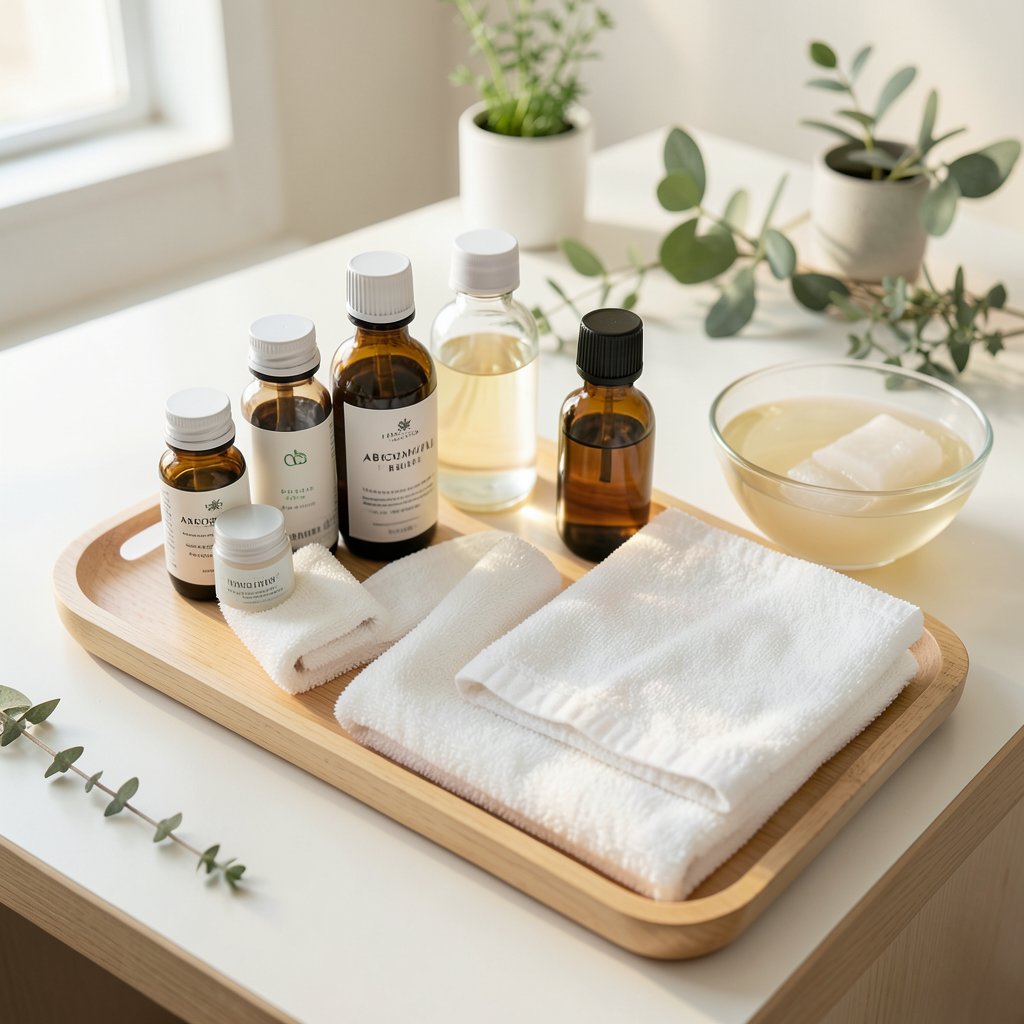
Checklist: Early Lymph Drainage Setup for Immediate Abdominal Recovery
Immediate Abdominal Rehab is a practical, evidence-informed approach to support early lymph drainage and abdominal recovery after a procedure.
This guide offers a clear, step-by-step checklist you can implement at home or in a spa setting, prioritizing comfort, safety, and gradual progression.
At Best & Beyond Spa in Massachusetts, we witness how gentle, non-invasive techniques can help people feel more at ease, move more freely, and regain a sense of normalcy during recovery.
This framework blends soft tissue work, mindful breathing, and cautious movement to support the body’s natural rhythms, all while honoring a wellness-first philosophy.
The goal is to give you practical, actionable guidance that you can apply today, with the confidence that you are following a thoughtful, professional approach grounded in real-world spa practice.
If you have any concerns or questions, always follow the guidance provided by your care team and adjust the routine to your pace and comfort level.
What Immediate Abdominal Rehab Covers in the Early Stage
In this early stage, gentle lymph drainage aims to support healthy circulation, promote comfort, and set the stage for gradual activity.
The emphasis is on simple, consistent actions that respect your healing pace.
The approach is designed for people who recently completed a procedure and want a safe, integrative way to begin moving again.
By focusing on breathing cues, light touch, and steady progression, you can create a predictable routine that supports overall well-being.
This section outlines the core ideas so you know what to expect and what to watch for as you start your routine.
Key concepts you’ll encounter include safe pacing, home-friendly routines, and patient education that helps you understand how small daily efforts accumulate into meaningful improvements.
You’ll also learn how to track your experience so you can share insights with your care team without feeling overwhelmed.
The language below aims to be clear, practical, and grounded in current wellness practice, rather than clinical terminology.
Our goal is to empower you to participate actively in your own recovery while staying aligned with professional guidance.
- What to prepare: a calm space, clean surface, comfortable clothing, and a few minutes of quiet breathing.
- What to monitor: comfort level, breathing ease, and the ability to maintain a gentle rhythm without forceful pressure.
- What to avoid: pushing beyond a light touch or extending sessions when fatigue or discomfort arises.
What to Prepare and How to Begin
Before you begin, choose a quiet area with a supportive surface.
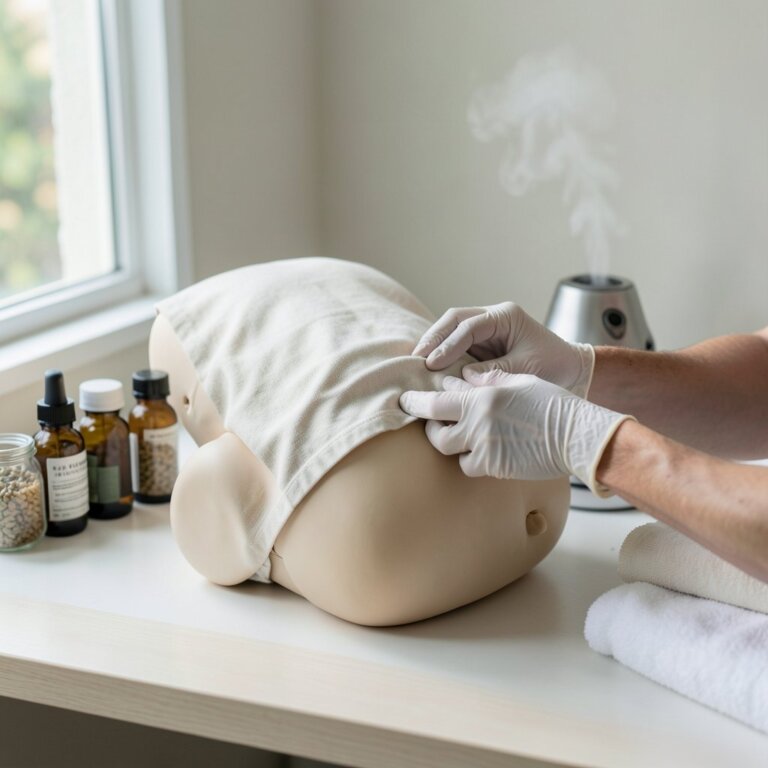
Lay down a clean towel or sheet and wear loose, breathable clothing.
Take a few slow, diaphragmatic breaths to settle your nervous system and prepare the body for light engagement.
This initial setup helps you ease into gentle touch and establish a comfortable baseline.
In our Massachusetts practice, we often pair this with warm, non-irritating textures to support skin comfort and overall ease.
Safety first: if you experience significant pain, dizziness, or shortness of breath, pause and consult your care team.
The goal is comfort-first pacing and a consistent routine that you can repeat daily.
Remember, this is a wellness-forward approach designed to support your well-being, not a replacement for medical guidance.
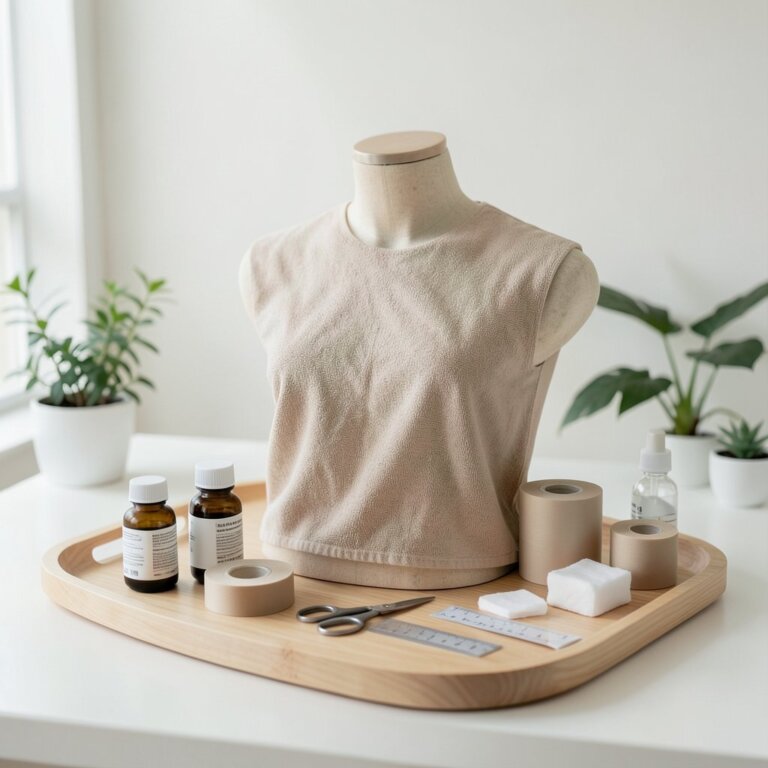
Setup Essentials: Tools, Surface, and Positioning
Creating the right setup is essential for effective, safe lymph drainage in the abdominal area.
This section covers the environment, touch approaches, and the simple tools that help you stay comfy while you work toward better daily function.
The emphasis remains on soft tissue mobilization through gentle touch protocols and careful positioning.
In 2026, industry insights suggest that spa-based, non-invasive lymphatic techniques are increasingly incorporated into recovery routines for their focus on circulation improvement and general mood elevation.
Practical tips include having a stable surface, a timer to pace sessions, and a small, cool-down period after the session.
Our team in Massachusetts emphasizes hydration and skin-friendly products to protect sensitive areas while maintaining a soothing experience.
The goal is to foster a safe, predictable routine that you can adjust as you regain strength.
The Right Surface and Positioning
Choose a firm, flat surface with a soft layer (towel or sheet) for comfort.
Position yourself so that gravity supports natural alignment, which can help promote smooth lymph flow without forcing the body.
A gentle recline or slight knee bend often provides additional comfort, reducing tension in the abdominal area.
This setup helps you maintain safe positioning and supports consistent progress over time.
Note: if you experience any sharp pain or unusual symptoms, reduce intensity and stop.
Always follow the guidance from your care team, and adapt the positioning to what feels best for your body on that day.
Temperature, Texture, and Skin Protection
Keep the skin area warm and well-protected.
Use a clean, soft fabric and a light touch to minimize any friction or irritation.
For added comfort, you might apply a thin layer of a non-irritating, skin-safe, botanical preparation—but avoid anything that causes redness or burning.
This approach aligns with a skin-friendly routine that sustains comfort during early recovery.
Maintain a mindful pace: the goal is gentle, consistent contact, not intensity.
The combination of proper surface, comfortable positioning, and careful texture can help you feel steadier as you begin the routine.
Step-by-Step Early Lymph Drainage Setup
Today you’ll find a practical, step-by-step sequence that combines breathing with light touch to support abdominal recovery in a holistic, wellness-forward way.
Each step includes brief guidance and actionable tips you can apply immediately.
This sequence is designed to be performed daily, with the option to adjust as you gain comfort and strength.
The steps emphasize breathing-driven movement, gentle pressure, and progress tracking to help you see steady, safe progress.
Step 1: Gentle Warm-up Breathing
Begin with 2–3 minutes of slow, diaphragmatic breathing: inhale through the nose, allowing the abdomen to rise, and exhale slowly through the mouth.
This breathing practice helps prepare the body for light touch and supports a calm, centered state.
Aim for smooth, continuous breaths with minimal chest movement, which you can sustain for several cycles.
This step lays the foundation for a comfortable, productive session.
As you breathe, notice where you feel tension and how your body responds to the breath.
If you notice tension in the abdomen, use a slightly longer exhale to encourage relaxation.
This is part of a mindful breathing routine that many clients find helpful as they begin immediate abdominal rehab.
Step 2: Light, Skin-Safe Touch Protocols
With clean hands and a light touch, begin with very gentle, broad strokes along the abdomen, using strokes that follow the natural curvature of the body.
Keep contact light and avoid deep pressure; the goal is to encourage fluid movement and comfort, not to massage deeply.
If you experience any sensitivity, reduce pressure and slow down.
This is a soft tissue mobilization approach that many spa clients appreciate for its calming effects and ease of practice at home.
In our practice, we emphasize consistent touch patterns rather than intensity.
A predictable routine supports confidence, reduces anxiety, and makes it easier to track progress over time.
Step 3: Diaphragmatic Engagement and Gentle Mobilization
Incorporate light diaphragmatic engagement by guiding your breath into the abdomen while maintaining gentle contact.
This combination of breath and touch can help promote a more balanced sensation in the abdominal region.
Move slowly, pausing if you feel any discomfort, and return to a calm breathing rhythm.
The objective is to foster a steady, comfortable micro-movement that supports ongoing recovery without forcing the body.
Finish with a brief, relaxed breathing cycle and a gentle stretch for the upper body if it feels comfortable.
Keep a small log of what felt good and what didn’t to help you refine your routine over the coming days.
Monitoring, Progress Signals, and When to Pause
Monitoring your experience is essential to stay safe and motivated.
This section highlights signals of progress, cues to pause, and simple logging practices that help you communicate effectively with your care team.
The emphasis is on daily self-checks, comfort tracking, and a gentle, incremental approach.
In 2026, wellness practitioners emphasize the value of consistent documentation to refine at-home routines and ensure ongoing safety and comfort.
Key signals to watch for include a consistent ease in breathing, a gradual reduction in noticeable stiffness, and a sense of improved daily function after sessions.
If you notice persistent increased soreness, swelling, numbness, or feverish feelings, pause and consult your care team.
Your wellbeing remains the top priority, and adjustments should reflect your comfort and pace.
How to Track Your Daily Experience
Keep a simple log that records: date, session duration, overall comfort rating, and any notable sensations during or after the session.
A concise log helps you observe trends, celebrate small wins, and adjust your routine safely.
This routine fosters a sense of control and accountability, which many clients find empowering as they progress toward greater abdominal comfort and mobility.
Consistency matters: aim for a manageable daily window, even on days when energy is limited.
The goal is progressive resilience and a reliable rhythm that fits into your day, not a rigid timetable that feels overwhelming.
Common Pitfalls and How to Avoid Them
As you practice this checklist, you may encounter a few common challenges.
Recognizing these early helps you adjust before they impact your comfort or momentum.
The guidance here focuses on avoidance strategies, careful pacing, and practical alternatives that keep you in a positive, sustainable groove.
By staying mindful and patient, you’ll build a reliable routine that supports overall wellness without overloading the body.
Pitfall #1: Overdoing It
Too much, too soon can backfire.
If you push beyond a light touch or extend sessions when fatigue appears, you may experience temporary discomfort or restlessness.
To avoid this, keep sessions short, stay within a tolerable range, and gradually increase only when you feel ready.
This approach aligns with a pace-driven strategy that respects your body’s signals and supports ongoing progress.
Tip: if a day feels off, shorten the session and return to a shorter routine the next day.
Consistency beats intensity when building a sustainable recovery rhythm.
Pitfall #2: Using Excessive Pressure or Abrupt Movements
Heavy pressure or rapid movements can irritate sensitive tissues.
Always prioritize a gentle touch and slow, controlled motions.
If you notice sharp sensations, reduce pressure further and slow your pace.
This is a gentle-movement principle that helps protect you while still offering potential benefits over time.
Remember, the objective is to support comfort and gradual improvement, not to produce dramatic changes in a single session.
Pitfall #3: Skipping Rest and Hydration
Hydration and rest are essential components of any recovery routine.
Skipping water intake or cutting rest periods can limit how your body responds to touch and movement.
Prioritize small, steady hydration throughout the day and allow for restful periods after sessions to optimize outcomes.
This practice supports a balanced recovery rhythm and helps prevent overuse.
Incorporating a brief cool-down and gentle stretches after each session can also aid in maintaining ease and flexibility, especially on days when energy is limited.
Integrating Immediate Abdominal Rehab with Daily Wellness
To make this routine a lasting part of your life, integrate it with other simple wellness habits.
This holistic approach combines breathing, light movement, and mindful self-care to promote overall wellbeing while supporting abdominal comfort.
The trend in 2026 shows wellness-focused programs increasingly weaving together breathing practices, soothing touch, and at-home routines to create a sustainable path to greater vitality and function.
Our Massachusetts clients often find that these practices fit naturally into daily life, reinforcing a sense of calm and control.
Nutrition, Hydration, and Sleep
Healthy hydration and balanced nutrition contribute to how your body responds to gentle touch and breathing work.
Emphasize water-rich foods and regular meals that keep energy steady.
Adequate sleep supports tissue recovery and mood, making it easier to maintain a daily rhythm.
A wellness-forward lifestyle supports abdominal comfort and overall resilience.
Remember, this is not about drastic changes but about small, reliable steps that accumulate over time.
Consistency is the real driver of long-term benefits in Immediate Abdominal Rehab.
Light Movement and Core Comfort
Complement the lymph drainage setup with light, non-strenuous movement such as gentle posture work, slow torso rotations, or short walks.
The idea is to keep the body engaged without provoking strain.
Each small movement can contribute to better circulation and a more balanced sense of well-being, reinforcing the overall recovery rhythm you’re building.
Always listen to your body.
If a movement feels odd or uncomfortable, pause and adjust the approach.
A mindful, compassionate attitude toward your body is a cornerstone of a successful, patient-centered recovery journey.
Real-World Insights from Best & Beyond Spa (Massachusetts)
Our team brings a wealth of hands-on experience, rooted in our roots as practitioners who specialize in therapeutic body care and skin rejuvenation.
We’ve observed how a steady, gentle lymph drainage setup can contribute to a calmer abdomen, improved comfort, and a more confident daily routine.
The practice aligns with our philosophy of using clean, botanical products and non-invasive methods to support overall well-being.
In April 2026, industry experts emphasize that spa-based, non-invasive lymphatic techniques are increasingly recognized as supportive components of wellness and recovery programs, particularly when delivered with careful attention to safety and client comfort.
From a practical standpoint, clients often report feeling more at ease after a few days of consistent routine.
The insights come from real-world sessions at our MA location, where the team combines massage therapy expertise with a comprehensive approach to body care.
The result is a reliable, human-centered path that respects individual pace while offering meaningful steps toward improved abdominal comfort and everyday function.
Practical Next Steps and How to Get Started
Ready to begin your Immediate Abdominal Rehab journey? Start by confirming your comfort baseline, setting up a safe home space, and establishing a consistent, light-touch routine that you can perform daily.
If you’d like personalized guidance, our team in Massachusetts is available to help you tailor this checklist to your needs, preferences, and pace.
We emphasize a respectful, client-driven approach that keeps you in charge of your wellness journey.
To learn more about our spa services and how we integrate wellness-forward lymph drainage techniques into abdominal comfort routines, consider exploring our offerings at Best & Beyond Spa.
We’re dedicated to providing a calm, expert-driven experience that supports your wellbeing through thoughtful, non-invasive care.
Begin today with a simple, doable practice: a brief breathing cycle, followed by a light touch sequence, and finish with a gentle cool-down.
This straightforward routine can become a dependable foundation for your daily wellness and a meaningful step toward lasting comfort and mobility.
Next Steps: Your Path to Steady, Gentle Progress
As you move through the early weeks of recovery, stay connected to your care team and use this checklist as a practical companion.
Your experience matters, and small, consistent efforts often yield the most enduring improvements in Immediate Abdominal Rehab.
By combining breathing, light touch, and mindful movement, you create a gentle, supportive environment for your abdomen to regain ease and function.
If you’re in Massachusetts, consider visiting Best & Beyond Spa to explore a wellness-focused approach that honors your pace, comfort, and safety, rooted in professional expertise and a passion for restorative well-being.
To begin or customize your routine, contact our team and schedule a consultation to discuss how the lymph drainage setup can be integrated into your daily life.
Our aim is to provide a calm, expert, and approachable path toward ongoing well-being, with a focus on safe, compassionate care that respects your unique recovery journey.
Frequently Asked Questions
What is Immediate Abdominal Rehab and who can benefit?
Immediate Abdominal Rehab is a gentle, evidence-informed approach to support early lymph drainage and abdominal recovery after a procedure. It’s designed for people who recently completed a procedure and want a safe, gradual way to begin moving again, at home or in a spa setting. Always follow your care team’s guidance and adjust pace to comfort.
How does early lymph drainage help with recovery after surgery?
Gentle lymph drainage promotes healthy circulation, reduces swelling, and increases comfort after surgery. By focusing on breathing cues and light touch, it supports the body’s natural healing rhythms and primes you for gradual activity.
What do I need to set up an at-home lymph drainage routine?
You don’t need specialized equipment. Create a calm, comfortable space, use soft touch and mindful breathing, and follow simple step-by-step cues from your care team; keep sessions short and avoid pushing into pain. A timer and a log can help.
How often and for how long should I practice Immediate Abdominal Rehab?
Aim for daily, brief sessions that fit your pace—often 5 to 15 minutes to start. Gradually increase duration as comfort allows, staying within your tolerance and following safety cues.
Are there any risks or signs to stop the routine?
Yes. Stop and consult your care team if you experience increased pain, fever, red or warm swelling beyond baseline, or new or worsening abdominal symptoms. If you’re unsure, pause and reassess with professional guidance before resuming. Always listen to your body and modify intensity.
Can Immediate Abdominal Rehab be combined with other recovery activities?
Yes, it complements gentle movement, breathing exercises, or light stretching. Coordinate with your care team to ensure activities don’t conflict with healing timelines, and proceed with a gradual, mindful approach. Breathing cues help synchronize exercises.
How should I track progress during early rehab and share it with providers?
Maintain a simple daily log of symptoms, swelling, comfort, and movement quality. Record any improvements or setbacks and share these notes with your care team during follow-ups. This helps tailor the plan to your pace and ensures safety.
What makes Immediate Abdominal Rehab different from other post-op recovery methods?
This approach emphasizes safe pacing, home-friendly routines, and non-invasive lymph drainage tailored to early recovery. It combines soft tissue work, mindful breathing, and gradual movement to support natural healing rhythms, all with a wellness-first philosophy. It’s designed to be practical, actionable, and easily integrated into everyday life.

At Best and Beyond Spa, Day and Davilla are dedicated professionals passionate about wellness and beauty. With expertise in spa day treatments, couples massages, and senior wellness, they provide high-quality, personalized care in a relaxing environment. Their mission is to help clients feel rejuvenated, refreshed, and truly cared for.
Related Posts
List: Essential Abdominal Tissue Mobilization Techniques for Early Fibrosis Prevention
Checklist: Postoperative Abdominal Fibrosis Prevention Protocols for the Immediate Phase