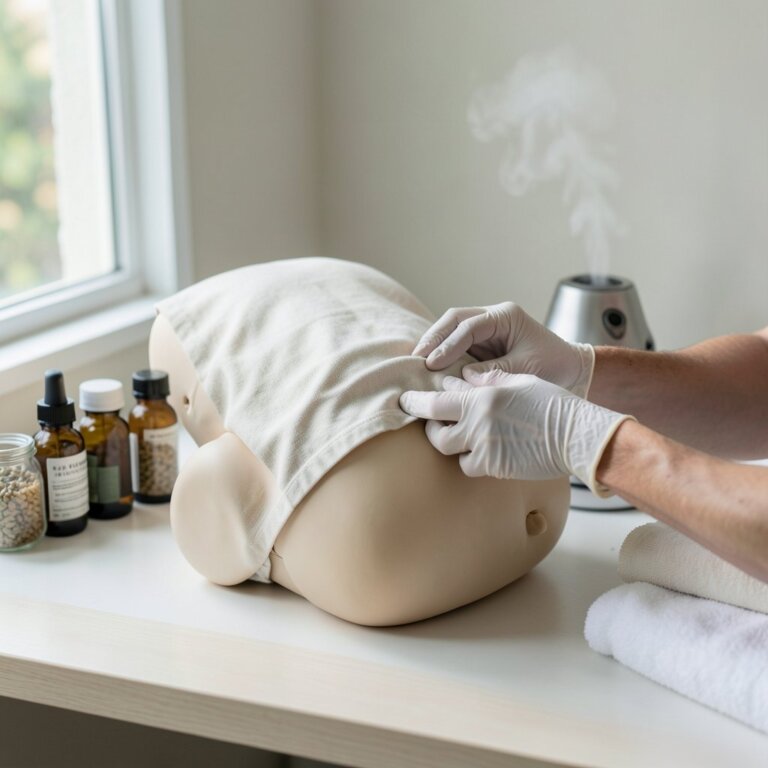

Immediate Abdominal Rehab is a practical, evidence-informed approach to regain core function after a postoperative period.
This guide provides a structured roadmap for patients and caregivers, focusing on safe progression, breathing techniques, and mindful movement to support recovery.
Foundations of Immediate Abdominal Rehab and Recovery Goals
Understanding the core activation and breathing coordination that drive early recovery helps you approach each day with confidence.
The central idea behind Immediate Abdominal Rehab is to reestablish gentle, controlled activation of the abdominal muscles, support the spine, and progressively reintroduce functional tasks.
This is not about pushing hard or rushing back to pre-illness activity; it’s about a deliberate, progressive path that respects your incision healing, energy levels, and pain signals.
In practice, the roadmap emphasizes scar tissue mobility and posture and alignment as essential foundations.
By aligning your pelvis, ribcage, and shoulders, you reduce compensatory movement and protect the incision area.
For many, early attention to incision care and fluid intake supports tissue tolerance and comfort.
The goal is sustainable progress—steady milestones that build confidence, not shortcuts that trigger setbacks.
As you begin this journey, remember that Immediate Abdominal Rehab thrives on clear benchmarks: pain awareness, fatigue management, and sleep hygiene support a smoother progression.
With thoughtful guidance, you can experience meaningful gains in daily function, breathing efficiency, and overall well-being across the first weeks after the postoperative period.
Phase 1: Early Activation and Gentle Breathing after the Postoperative Period
Gentle Core Activation Techniques
Phase 1 is about establishing a stable foundation without overloading the abdomen.
Start with micro-motions that engage the deep abdominal muscles while the incision area remains comfortable.
We emphasize diaphragmatic breathing paired with light, controlled holds to promote coordination rather than strength fatigue.
These practices are core to Immediate Abdominal Rehab in the earliest days of recovery.
First, practice a simple sequence: inhale to expand the belly and lower ribcage, exhale with a gentle draw-in of the abdomen, maintaining a relaxed pelvis.
This cadence supports scar tissue mobility and helps you sense how your body responds to gentle load.
Each session should be brief, then gradually extended as tolerance grows.
- Positioning: reclined or hands-knees to minimize abdominal strain.
- Movement: small pelvic tilts and rib-cage clocks to awaken the musculature without forcing the incision.
- Feedback: pause if there is sharp pain, feverish feeling, or notable redness around the incision.
Breathing Techniques for Stability
Breathwork is a cornerstone of early rehabilitation.
Diaphragmatic breathing supports core stability and helps you modulate pain signals without relying on medications.
In practice, try a cadence of 4 counts on inhale and 4 counts on exhale, with the exhale slightly longer to promote abdominal engagement.
This approach improves breathing efficiency and reduces shallow chest breathing that can elevate tension.
As you progress, combine gentle breathwork with tiny movements of the legs or arms to reinforce motor patterns without overburdening the abdomen.
The result is a calm nervous system response and better overall energy management across the day.
Pain, Fatigue, and Incision Sensitivity Monitoring
Monitoring is essential in Phase 1.
Track pain levels on a simple 0–10 scale, noting both intensity and location.
Distinguish between mild discomfort and sharp, stabbing pains that radiate elsewhere.
If pain increases or sleep quality worsens, scale back the activity and consult your care team for guidance.
Always respect your energy rhythm; fatigue management is a critical lever for ongoing progress.
Keeping days structured with short sessions and rest breaks helps sustain momentum.
A practical rule is to plan 2–3 brief sessions daily, each lasting 5–15 minutes, with rest in between.
This rhythm supports incision healing and reduces the likelihood of compensatory injuries elsewhere in the body.
Phase 2: Progressive Load and Movement Patterns
Controlled Mobility Milestones
Phase 2 widens the scope of movement while maintaining safety.
Focus on controlled mobility that emphasizes concentric and eccentric control around the trunk.
The aim is gradual exposure to movement patterns that mimic daily tasks, such as standing from a chair, walking, and light trunk rotations.
These milestones anchor functional restoration and help you reclaim independence with confidence.
Key movements include: seated leg extensions with subtle abdominal engagement, standing hip hinges to promote hip–thorax coordination, and gentle side-lying twists that gradually increase tolerance.
Each pattern should be performed with awareness of how the abdomen and incision respond, pausing if any discomfort increases beyond a mild level.
- Load progression: start with bodyweight only, then add light resistance as tolerated.
- Tempo: slow and controlled, aiming for smooth transitions rather than speed.
- Symmetry: monitor for asymmetrical effort and adjust positioning to balance load.
Posture, Alignment, and Functional Bracing
Maintaining proper alignment reduces strain on the abdomen and promotes sustainable healing.
Emphasize neutral pelvis, aligned spine, and relaxed shoulders during all tasks.
In some cases, gentle bracing with a soft support can provide tactile cues to protect the incision during initial movements.
These cues contribute to scar tissue mobility and encourage comfortable, confident movement patterns.
Look for cues that signal safe progression: steady breathing during tasks, absence of rebound pain after movement, and minimal compensatory postures.
If you notice persistent misalignment, work with a trained provider to adjust your approach and refine your technique.
Scar Tissue Mobility and Tissue Resilience
During Phase 2, attention to soft tissue around the incision area supports long-term resilience.
Gentle, non-stinging massage-like techniques (as advised by your clinician) can help desensitize tissue and promote healthy scar formation.
The focus is not on aggressive manipulation but on encouraging comfortable tissue gliding and remodeling while you continue to deepen your movement repertoire.
Healthy scar tissue mobility contributes to improved core function and reduced risk of compensatory patterns later in the recovery journey.
Phase 3: Functional Restoration and Daily Living Integration
Returning to Daily Activities Safely
Phase 3 centers on translating gains into everyday life.
Start with low-demand tasks and gradually increase complexity.
Practice daily activity pacing to prevent overexertion.
A practical approach is to segment tasks into micro-steps: prepare, perform, rest, reassess.
This structure supports ongoing core activation and sustainable energy management.
Incorporate standing, walking, and light household chores in short, well-timed bouts.
Use assistive tools (e.g., stool, raised surfaces) to minimize strain while you re-establish independence.
This phase emphasizes autonomy while staying aligned with your breathing coordination and posture cues.
Work, Household Tasks, and Leisure
Resuming work duties or home responsibilities requires a tailored plan.
For desk-based tasks, ensure an ergonomic setup that supports a neutral spine and evenly distributed effort.
For leisure activities, choose options that don’t provoke abdominal strain, gradually expanding your tolerance.
With a thoughtful plan, you can blend sleep hygiene, hydration, and nutrition to sustain energy across the day.
Consult your care team about a staged return-to-full activity timeline.
Even as you reclaim skills, maintain a mindful pace to avoid rebound symptoms and ensure you continue practicing scar tissue mobility techniques and breathing strategies learned earlier.
Long-Term Lifestyle Integration
Long-term success lies in routine.
Build a daily schedule that includes short movement breaks, periodic diaphragmatic breathing sessions, and low-impact activities that you enjoy.
A stable routine supports posture and alignment, scar tissue mobility, and ongoing core activation outside of formal sessions.
The objective is to maintain momentum while honoring body signals and gradually expanding your activity universe.
Tools, Environment, and Support: Making Immediate Abdominal Rehab Sustainable
Equipment and Space Setup
Creating the right environment makes a big difference.
A quiet, uncluttered space with a comfortable mat, a chair with good back support, and a timer for structured sessions helps you stay consistent.
Consider a non-slip mat, a small mirror to observe posture, and a water bottle within reach to support hydration during sessions.
These tools support scar tissue mobility and breathing coordination as you progress.
- Essential items: mat, chair, water bottle, mirror.
- Optional but helpful: small resistance bands and a gentle foam roller for advised routines.
- Placement: keep everything at reachable heights to reduce effort during transitions.
Scheduling, Accountability, and Habits
Consistency matters more than intensity.
Use a simple scheduling system that reminds you to perform short sessions a few times per day.
An accountability partner—such as a family member or a care partner—can provide gentle encouragement and help you track progress.
This approach supports load progression and pain monitoring without overwhelming your routine.
Documenting daily steps, sleep quality, and energy levels helps you spot patterns and adjust your plan proactively.
When you see steady improvements in mobility and functional capacity, you’ll gain confidence to try new tasks with safety and enjoyment in mind.
Support Networks and Spa Services in Massachusetts
In your recovery journey, trusted wellness teams can offer supportive services that complement home routines.
Best & Beyond Spa in Massachusetts brings together massage and relaxation therapies with a thoughtful, holistic approach to rebuilding strength and balance.
Our team emphasizes calm, evidence-informed care, focusing on gentle, therapeutic touch that respects your healing timeline.
Through personalized guidance, you can maintain a sustainable rhythm of movement, breathing, and recovery that aligns with your lifestyle and goals.
Engaging with a multidisciplinary care approach—combining guided movement, breath practice, and soothing body work—can help you sustain progress and stay motivated.
The goal is not only to recover but to build a foundation for long-term wellness that supports daily life, sleep, and joyful activities.
Common Pitfalls and How to Avoid Them
Mistake #1: Overloading Too Soon
One of the most common missteps is attempting to advance too quickly.
It can provoke increased incision sensitivity, disrupt scar tissue mobility, and trigger setbacks in pain management.
A patient, staged approach—with clear micro-goals—helps you avoid this trap and maintain steady progress.
To prevent overload, adhere to a contented pace: if you experience any sharp or escalating pain, pause and reassess.
Revisit earlier phases to reinforce breathing coordination and core activation before trying new tasks.
This measured approach protects your recovery and sustains your motivation.
Mistake #2: Neglecting Breathing Coordination
Breathwork is a powerful ally in healing.
When breathing becomes shallow or chest-dominant, it can amplify tension and hinder mobility and posture.
Make breathing a consistent part of every movement, from simple shifts in position to more complex tasks.
This practice supports better energy distribution and reduces compensatory strain on the abdomen.
Mistake #3: Poor Sleep and Hydration Habits
Sleep and hydration influence tissue healing and mood.
Inadequate rest or dehydration can amplify pain sensitivity and hinder progress.
Create a calming pre-sleep routine and maintain steady hydration throughout the day.
Small changes here yield big dividends in how you feel during early activation and later progression.
Mistake #4: Ignoring Pain Signals
Pain is a crucial message from the body.
If you ignore persistent discomfort or push through, you risk delaying healing or triggering new symptoms.
Build a habit of checking in with your body after each session, noting what felt easy, what felt challenging, and where you need to slow down.
Respectful listening ensures your plan remains sustainable.
Next Steps and How Best & Beyond Spa Supports Your Recovery
With the right framework, you can transform the early weeks into a strong foundation for ongoing well-being.
The approach centers on Immediate Abdominal Rehab principles—gentle activation, mindful breathing, and deliberate progression—tailored to your body’s timeline and preferences.
Our team in Massachusetts prioritizes a calm, supportive environment where you can explore safe movements, receive compassionate guidance, and gradually expand your daily routine with confidence.
If you’re preparing for a surgical procedure or are in the early post-procedure phase, consider consulting a wellness professional who can tailor a gentle rehab plan suited to your needs.
The emphasis is on sustainable comfort, meaningful milestones, and a sense of empowerment as you reclaim everyday activities.
Through careful planning, reliable routines, and a focus on holistic well-being, you can achieve progress that endures.
To learn more about how a personalized, human-centered approach can support your recovery journey, explore Best & Beyond Spa’s services in Woburn and nearby Massachusetts communities.
Our compassionate team blends expertise with a nurturing touch, helping you feel cared for, understood, and ready to move forward with confidence.
Remember: recovery is a journey, not a race.
By adhering to a structured plan, prioritizing breathing and posture, and leaning on trusted care partners, you can experience tangible improvements in daily function and overall vitality.
You deserve a pathway that respects your body, honors your goals, and supports your well-being every step of the way.
Take the first step today by scheduling a consultation with one of our wellness professionals to discuss a tailored Immediate Abdominal Rehab roadmap that fits your life in Massachusetts.
Frequently Asked Questions
What is Immediate Abdominal Rehab and how does it guide post-surgical recovery?
Immediate Abdominal Rehab is a practical, evidence-informed approach to regain core function after a postoperative period. The plan emphasizes gentle, controlled abdominal activation, diaphragmatic breathing, and safe progression that respects incision healing and energy levels. The goal is sustainable progress, not rushing back to pre-surgery activity.
When should Phase 1 begin after the postoperative period, and what does it involve?
Phase 1 begins after you’ve cleared the initial wound-healing window and your clinician approves gentle activation. It focuses on micro-motions that engage the deep abdominal muscles and coordinated breathing without stressing the incision. Expect a slow, comfortable pace centered on stability.
How does diaphragmatic breathing support early recovery?
Diaphragmatic breathing coordinates breathing with abdominal activation, promoting core engagement and spine support. It can reduce abdominal pressure, ease discomfort, and help manage fatigue and anxiety.
What are safe progression indicators to monitor during early rehab?
Pain awareness guides progression; stick to activities that keep pain mild and manageable. Track fatigue and energy; if fatigue increases or sleep becomes disrupted, slow down. Always follow your clinician’s guidance for milestones.
Why is posture and alignment important in the immediate abdominal rehab roadmap?
Aligning the pelvis, ribcage, and shoulders reduces compensatory movements that stress the incision. Good alignment supports the spine during movement and helps engage the correct core muscles. It also promotes scar tissue tolerance and comfort.
How does scar tissue mobility factor into recovery?
Scar tissue mobility is addressed through gentle techniques that improve tissue tolerance and comfort around the incision. Paired with breathing and core activation, it supports healing without overstressing the area.
What everyday tasks are appropriate during Phase 1, and how should they be performed?
Focus on light, functional tasks that don’t strain the abdomen, such as slow standing, gentle trunk movements, and careful bed-to-chair transitions. Combine these with diaphragmatic breathing to keep core activation gentle.
How can sleep and pain management support the immediate abdominal rehab roadmap?
Prioritize sleep quality to aid recovery and energy balance; establish regular sleep-wake times and a comfortable environment. Use approved pain-management strategies that allow gentle activations without masking warning signals.

At Best and Beyond Spa, Day and Davilla are dedicated professionals passionate about wellness and beauty. With expertise in spa day treatments, couples massages, and senior wellness, they provide high-quality, personalized care in a relaxing environment. Their mission is to help clients feel rejuvenated, refreshed, and truly cared for.
Related Posts
List: Essential Abdominal Tissue Mobilization Techniques for Early Fibrosis Prevention
Checklist: Postoperative Abdominal Fibrosis Prevention Protocols for the Immediate Phase