
List: Core Steps for Early Tissue Mobilization to Prevent Fibrosis is a practical guide for people navigating recovery after a tissue-related procedure.
In March 2026, wellness professionals emphasize gentle, controlled movement to support healthy tissue remodeling and reduce scar rigidity.
This guide blends expert, evidence-informed insights with practical, at-home steps you can safely incorporate.
Our approach at Best & Beyond Spa in Massachusetts centers on a compassionate, whole-person path to wellbeing, built by a team with deep experience in relaxation therapies, skin rejuvenation, and supportive bodywork.
The goal is to help you feel empowered, heard, and supported as you regain comfort, mobility, and confidence.
What List: Core Steps for Early Tissue Mobilization to Prevent Fibrosis Entails and How It Helps
The core idea behind List: Core Steps for Early Tissue Mobilization to Prevent Fibrosis is to combine gentle, progressive movements with mindful recovery strategies—without rushing the body’s natural healing process. Gentle mobility and early cues from your body guide the pace, while scar pliability and tissue alignment are optimized over time.
In practice, this means focusing on safe, pain-free movements that respect your current limits and gradually become more dynamic as tolerance increases.
From a clinical-informed perspective, early mobility is associated with improved range of motion, better soft tissue alignment, and reduced stiffness as the healing progresses.
While individual results vary, contemporary reviews in 2026 emphasize that the right sequence of movements, timed appropriately, supports a more resilient healing trajectory.
At Best & Beyond Spa, we translate these insights into approachable routines you can perform at home or in guided sessions, always prioritizing safety and comfort.
- Key principle: start with low-intensity, pain-free activities that do not provoke swelling or sharp pain.
- Progression: advance to slightly larger motions as tissue tolerance improves and you feel ready.
- Support: pair movements with diaphragmatic breathing, which can aid tissue perfusion and relaxation.
- Safety: stop immediately if there is increased redness, warmth, or swelling, and consult with a professional before continuing.
Below, you’ll find a practical framework structured around the What, Why, Who, When, Where, and How that helps you implement the core steps in daily life.
The guidance is designed to be straightforward, actionable, and sustainable for the long term, always with the wellness-first mindset you deserve.
Why Early Tissue Mobilization Matters for Fibrosis Prevention and How It Supports Recovery
Fibrosis Prevention is a central objective in tissue healing because it relates to how tissues organize and remodel after an injury or procedural intervention.
In 2026, multiple reviews highlight a consensus: initiating gentle mobility at an appropriate stage can support more organized collagen deposition, improving tissue pliability and reducing the risk of stiff, dense scar tissue.
This is especially relevant for people who have undergone soft tissue–related procedures, where maintaining comfortable movement accelerates progress while minimizing discomfort.
From the patient experience side, many individuals notice that a steady routine of careful movements reduces post-procedure soreness and helps restore natural alignment.
In our Massachusetts practice, we’ve witnessed how a calm, methodical approach—paired with nourishing, clean products and a quiet, supportive environment—can make the difference between a restricted return to activity and a confident return to daily life.
The goal is not to push beyond limits but to invite healing with intention and care.
- Evidence indicates that early, noninvasive mobility improves tissue remodeling and reduces restrictive scarring tendencies over time.
- Experts emphasize the importance of staying within comfortable ranges of motion, then progressively expanding as tolerated.
- Clinical observations align with patient reports of increased comfort and better function when movements are scaled to individual readiness.
Consider how this applies to your routine: a short, daily practice that respects your body today creates a foundation for more confident movement tomorrow.
The emphasis on gentle activation and mindful breathing helps optimize your body’s natural healing process while maintaining a sense of calm and control.
Who Should Consider Core Steps for Early Tissue Mobilization and Who Might Benefit Most
This guidance is designed for anyone who has begun the healing journey after a tissue-related procedure or injury.
Clients at Best & Beyond Spa in Massachusetts often come to us seeking a balanced, non-invasive path to recovery that complements their physical and emotional wellbeing.
Those who may benefit most include individuals who want to:.
- Maintain comfortable movement without overexertion during the early stages of healing
- Improve scar pliability and tissue alignment through safe, gradual activity
- Incorporate evidence-informed routines into a wellness-focused post-procedure plan
- Enhance sleep, mood, and overall recovery through coordinated breathing and movement
Important: Always consult with your healthcare provider if you have questions about your specific condition or activity restrictions.
Our approach embraces a collaborative, patient-centered model, and we tailor recommendations to your comfort level and goals without requiring any invasive procedures or medical interventions.
We emphasize safety first, followed by gradual progress, using the wisdom of our bilingual team to support you every step of the way.
When to Begin: Timing for Initiating Gentle Mobility and How Timing Varies by Context
Timing is a crucial variable in the List: Core Steps for Early Tissue Mobilization to Prevent Fibrosis.
In March 2026, clinical discussions stress that the optimal moment to begin gentle mobility depends on several factors, including the specific healing timeline, pain levels, swelling, and your overall wellbeing.
For many individuals, light movement can begin once there is no active swelling or pain with daily activities, and when a clinician or care team has cleared you to start gentle activity.
For others, it may be appropriate to begin a very conservative routine within the first week; for some, a longer waiting period may be advised.
The key is to listen to your body, communicate with your care team, and progress gradually.
In our studio environment, we frequently see a confident start after a calm and clear plan is established.
A typical approach is to begin with very small, pain-free motions and to gradually build up your routine as you gain confidence and your body adapts.
The narrative we share with clients is one of mindful pacing, not rushed gains.
This aligns with the broader consensus in 2026 that early engagement with safe movements supports long-term recovery without compromising comfort.
- Begin with tiny motions that do not provoke swelling or sharp discomfort.
- Increase gradually as tolerance grows, not as a response to pain.
- Pair movements with diaphragmatic breathing for better coordination and focus.
How to Implement Core Steps Safely at Home with a Step-by-Step Approach
Executing the core steps safely at home combines clear intention with practical, attainable actions.
Below is a practical framework you can adopt, whether you are at home, in a quiet studio, or moving through your day with purposeful micro-movements.
Remember, the objective is consistent, comfortable activity that supports tissue remodeling and overall wellness.
Step 1: Gentle Range-of-Motion (ROM) Exercises
ROM exercises help you explore the natural movement of joints and soft tissues without pushing beyond your current comfort threshold.
Start with small, pain-free arcs and slowly increase range as you feel ready.
In every ROM session, aim for a light, rhythmic pace and mindful attention to breathing.
This combination supports tissue alignment and scar pliability.
- Choose one joint or region to focus on per session to prevent overload.
- Maintain a relaxed jaw, shoulders, and hips to avoid compensatory tension.
- Complete 5–10 repetitions per movement, then rest and reassess.
- Incorporate gentle holds at the end of the range for 1–2 seconds without pain.
In our practice, we often pair ROM with a calming atmosphere and clean, botanical products to support a holistic sense of well-being.
The routine remains simple, approachable, and exquisitely patient-friendly, designed to fit into daily life without disruption.
Step 2: Micro-Movements and Breathwork
Micro-movements are tiny, precise actions that maintain tissue awareness and prevent stiffness.
When combined with slow, controlled breathing, they can enhance relaxation and improve circulation, contributing to a smoother healing trajectory.
This combination is a cornerstone of our approach to Fibrosis Prevention in 2026, emphasizing breathwork and mindful movement.
- Practice nasal breathing through the nose, with a steady, even cadence.
- Coordinate each micro-movement with an inhale or exhale to reinforce control.
- Limit sessions to 5–7 minutes in the early stages, then extend gradually if tolerated.
As you progress, these micro-movements evolve into more expressive but still gentle motions, which helps maintain flexibility and calm throughout the day.
Our team supports you by modeling movements and offering gentle cues to keep the practice safe and enjoyable.
Step 3: Spacing, Rest, and Recovery Cues
Recovery time is essential for tissue remodeling.
Spacing sessions and incorporating rest periods prevent overload and help tissue adapt more effectively.
Over time, your body learns to accept slightly more movement with less effort, a sign of healthier remodeling dynamics.
In our Massachusetts studio, we emphasize short, regular practice rather than long, infrequent sessions to minimize fatigue and maximize consistency.
- Schedule short sessions daily, then reassess weekly to adjust intensity.
- Use a timer to prevent overdoing any single movement block.
- Include brief, purposeful rests to monitor comfort and ensure mastery of form.
Our approach also underscores the importance of a soothing environment and clean, botanical products that align with your wellbeing goals.
A calm setting supports focus, reduces tension, and enhances the effectiveness of your gentle mobility routine.
Common Mistakes and How to Avoid Them While Maintaining Safe Progress
Avoiding common missteps is essential to sustainable progress.
Below are frequent errors, with practical strategies to keep you on the right track.
This section is designed to be friendly, informative, and directly applicable to daily life.
Mistake #1: Pushing Through Pain
Pushing through pain signals is a frequent misstep.
While it’s natural to want to gain momentum, pain can indicate tissue overloading or an inadequate healing stage.
Instead, honor your pain signals and reduce intensity.
This approach aligns with contemporary guidance for early mobility as a safe, patient-centered practice.
How to avoid: listen to your body, reduce range, or pause the activity when pain arises.
Return gradually after a rest period and consult with a care professional if pain persists beyond 48 hours.
Mistake #2: Ignoring Swelling or Inflammation Cues
Swelling and warmth can be normal in the early healing phase, but persistent changes may indicate a need to adjust your routine.
If swelling worsens after movements, you may be pushing too hard or performing movements that are not yet appropriate for your current stage.
How to avoid: monitor swelling, apply cool compresses if advised, and adjust movement intensity.
When in doubt, seek distance guidance from a care professional familiar with your history.
Mistake #3: Skipping Rest Days
Recovery days help tissues remodel with less stress.
Skipping rest can lead to overuse and friction, undermining the benefits of mobility work.
Rest days are not a setback—they’re an essential part of success.
How to avoid: Build a simple schedule that alternates movement days with light rest days.
Use restorative practices on rest days, such as gentle breathing or meditation, to support your nervous system and overall recovery.
Mistake #4: Underestimating Hydration and Nutrition
Hydration and nutrition influence tissue health and healing.
Inadequate hydration can hamper tissue elasticity and circulation, while nutrition supports collagen synthesis and repair processes.
Prioritize hydration and balanced meals to complement your mobility work and overall wellbeing.
How to avoid: Plan for consistent water intake and include nutrient-dense foods that support tissue health.
Our team can share practical, evidence-informed recommendations that fit your lifestyle and preferences.
A Practical 7-Day Starter Plan to Jumpstart Your Routine
The 7-day starter plan is designed to be gentle, doable, and effective.
It emphasizes consistency, not intensity.
Each day includes 1–2 short movement blocks, with time set aside for breath work and reflection.
This plan is adaptable to your schedule and comfort level, and it can be adjusted as you gain confidence and progress.
- Day 1: 5 minutes of Gentle ROM for one target region, plus 2 minutes of diaphragmatic breathing. Keep it light and comfortable.
- Day 2: Repeat Day 1, add 1–2 micro-movements to the sequence. Monitor how tissues respond and adjust accordingly.
- Day 3: Introduce a 1–2 minute micro-movement sequence with breathwork in a comfortable position (sitting or lying down).
- Day 4: Maintain the established routine, extending to 7–8 minutes if well tolerated. Include a short rest break.
- Day 5: Add a second, separate 3–4 minute block focusing on a different region, keeping intensity low.
- Day 6: Combine both regions into a unified 10–12 minute practice with gentle pacing and mindful breathing.
- Day 7: Review your progress, adjust intensity, and plan a sustainable routine moving forward.
Throughout the week, maintain a calm environment and use botanical products that you enjoy.
The 7-day starter plan is a practical way to begin integrating the core steps into daily life, while remaining aligned with your comfort and safety needs.
Putting It All Together: A Holistic Approach to Recovery and Wellness
Recovery from any tissue-healing process benefits from a holistic approach that blends movement, breath, and mindful self-care.
Our integrated philosophy at Best & Beyond Spa emphasizes:.
- Consistency in gentle activity that respects your body’s pace
- Mindfulness to foster a calm nervous system and reduce tension
- Support from a skilled team dedicated to your comfort and progress
- Environment that nurtures relaxation, clean products, and a sense of safety
Incorporating these elements helps you move toward your goals with confidence.
Our bilingual team in Massachusetts is here to guide you, answer questions, and tailor a plan that respects your personal preferences and healing journey—ensuring that you feel supported every step of the way.
Next Steps: Accessing Guided Support in Massachusetts and How Our Wellness Team Can Help
If you’re seeking a compassionate, expert environment to support your post-procedure mobility and overall wellness, Best & Beyond Spa offers a holistic path.
Our team, led by Davilla—a massoterapeuta with a deep background in clinical aesthetics and advanced bodywork—brings a unique blend of practical care and compassionate presence.
While we focus on relaxing therapies, skin rejuvenation, and wellness experiences, we also tailor guidance to help you navigate the early tissue mobilization process with safety and ease.
With services that include Japanese Head Spa, scalp detox, and therapeutic massage, our clean, vegan, botanical products philosophy aligns with a gentle, respectful approach to healing.
Book a private session or join a soothing spa day package to support your recovery while enjoying a restorative experience.
We are committed to providing a peaceful, professional environment where you can recharge, heal, and restore your natural vitality.
For Massachusetts residents, our bilingual service in English and Portuguese ensures clear communication and personalized care.
If you’re starting to explore how to incorporate the core steps into your routine, consider scheduling a guided session or a consultation to discuss safe, practical strategies that fit your life.
You deserve a trusted space that honors your pace, preferences, and goals.
Final Considerations and Practical Takeaways
To summarize, List: Core Steps for Early Tissue Mobilization to Prevent Fibrosis offers a practical, compassionate framework for safe mobility after a tissue-healing process.
The emphasis is on gentle movement, breathwork, and consistent practice that respects your body’s signals.
At Best & Beyond Spa, we’re committed to supporting you with evidence-informed guidance and a serene environment that enhances your overall wellness journey.
As you move forward, remember these core ideas:
- Start slowly with pain-free movements and progress gradually as your tolerance increases.
- Prioritize mobility and relaxation to support tissue remodeling and comfort.
- Use a daily routine that is sustainable, enjoyable, and aligned with your personal wellness goals.
- Seek guidance from qualified wellness professionals if you have questions or need adjustments to your plan.
We invite you to experience the thoughtful, high-quality care of Best & Beyond Spa in Massachusetts.
Whether you’re entering a recovery phase or seeking a deeply restorative wellness experience, our team is here to support you with expertise, empathy, and a calming, results-oriented approach.
Explore our services and discover how our unique blend of relaxation therapies, bodywork, and holistic care can accompany you on your healing journey.
Through integrated movement, mindful breath, and a restful setting, you can cultivate resilience and return to everyday activities with greater ease.
The road to healing is personal, but you don’t have to walk it alone.
Reach out to our team to begin a gentle, guided plan that respects your pace, honors your goals, and supports your well-being every step of the way.
Call to Action: If you’re ready to explore how gentle mobility, breath-centered routines, and holistic care can support your recovery, contact Best & Beyond Spa today to arrange a private consultation or a calm, restorative session.
Let us help you feel your best—today and in the days to come.
Frequently Asked Questions
What is early tissue mobilization and why is it important to prevent fibrosis?
Early tissue mobilization means gentle, progressive movements that support healing and tissue remodeling. It helps align collagen and reduce stiffness, aiming to prevent scar-related adhesions and fibrosis. The approach emphasizes listening to your body and progressing gradually rather than forcing movement.
How soon after a tissue-related procedure should I start mobilization?
Begin only after your clinician approves and with movements that are pain-free and non-swelling. Start with short daily sessions and slowly increase duration as tolerance grows. If swelling or sharp pain occurs, pause and consult your provider.
What does a safe, pain-free movement routine look like at home?
Focus on gentle range-of-motion moves within a comfortable range, avoiding resistance and sharp pain. Aim for 5–10 repetitions per motion, performed a few times a day as tolerated. Stop any movement that increases swelling or pain.
How do I know if I’m moving too quickly or too slowly?
Progress gradually based on daily tolerance, not a fixed timetable. If you notice increased pain, swelling, or fatigue beyond normal, slow down or rest longer before advancing. Your body’s cues should guide pacing more than a schedule.
What are signs of potential overdoing it, and when should I seek guidance?
Watch for persistent swelling, sharp or lasting pain, warmth, redness, or unusual fatigue. If these occur, back off to lighter movements and consult your clinician if symptoms don’t improve within 24–48 hours. Seek immediate guidance for severe or spreading symptoms.
How does movement influence scar pliability and tissue remodeling?
Gentle movement guides collagen alignment and reduces adhesions, promoting a more pliable and functional scar. Consistent, progressive loading supports softer tissue and better mobility over time. The key is gradual, pain-free progression tied to how your body responds.
Can these steps be adjusted for different body areas or procedures?
Yes. Begin with area-specific, low-intensity moves and adjust range, speed, and frequency as healing progresses. Tailoring to your procedure and comfort level is important, ideally with professional input when needed. Always honor your current limits and safety signals.
How does Best & Beyond Spa support clients in implementing these movements safely?
Best & Beyond Spa offers compassionate guidance, practical at-home routines, and optional guided sessions to ensure correct form and pacing. Our approach blends evidence-informed insights with relaxing therapies to support recovery and overall wellbeing. We customize guidance to fit individual needs and goals.
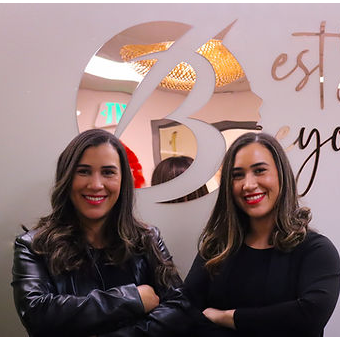
At Best and Beyond Spa, Day and Davilla are dedicated professionals passionate about wellness and beauty. With expertise in spa day treatments, couples massages, and senior wellness, they provide high-quality, personalized care in a relaxing environment. Their mission is to help clients feel rejuvenated, refreshed, and truly cared for.