
Tutorial: Kinesio Taping to Minimize Scar Formation in Early Abdominal Recovery
Tutorial: Kinesio Taping to Minimize Scar Formation in Early Abdominal Recovery offers a practical, human-centered overview for anyone navigating the initial phase after an abdominal procedure.
This guide is designed to be approachable, evidence-based, and non-intimidating, with clear concepts you can discuss with a healthcare professional or wellness practitioner.
Our aim is to help you understand how a gentle, non-invasive modality can fit into a broader care plan that emphasizes skin integrity, comfort, and overall well-being during early healing.
In this guide, you’ll find practical explanations, thoughtful considerations, and real-world examples drawn from our team at Best & Beyond Spa in Massachusetts.
We emphasize compassionate care, expert guidance, and the importance of a holistic approach to recovery.
Throughout, you’ll see how Fibrosis Prevention, skin health, and movement considerations can harmonize to support a smoother early-recovery phase while honoring your body’s signals and limits.
What you read here reflects current thinking in 2026—favoring non-invasive modalities and personalized care plans that emphasize comfort, safety, and gradual progression.
You’ll learn what questions to ask, what to observe, and how to collaborate with a wellness professional to tailor a plan that respects your unique pace and goals.
This is not a medical protocol; it’s a human-centered guide to informed decision-making and thoughtful self-care during the early recovery period.
Tutorial: Kinesio Taping to Minimize Scar Formation in Early Abdominal Recovery
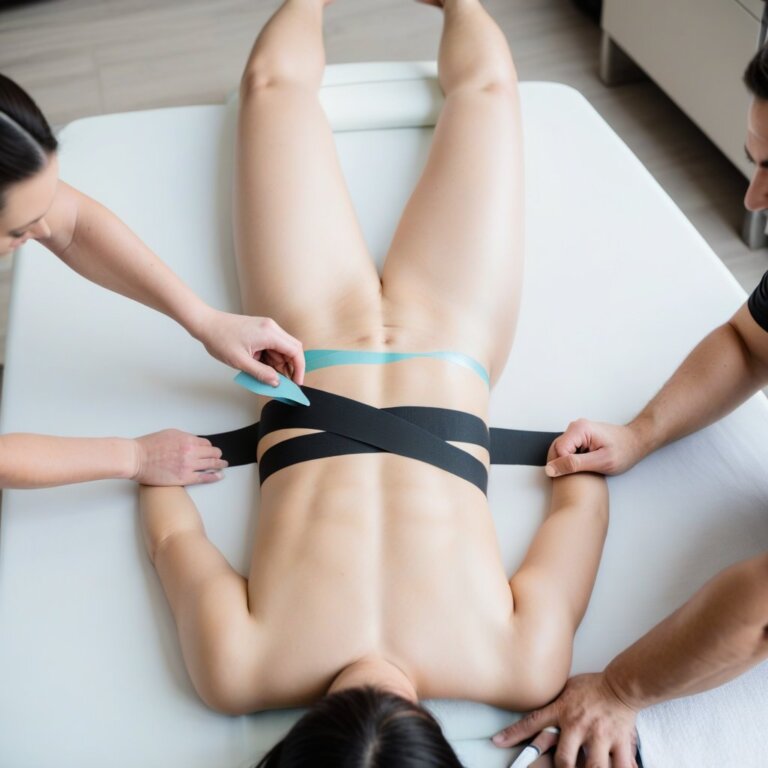
What is Kinesio Taping and why it matters in early abdominal recovery? In simple terms, kinesio taping uses a flexible, skin-friendly adhesive tape to support the skin and underlying tissues as you move.
The goal is to distribute forces more evenly, support comfortable movement, and maintain skin mobility without restricting your daily activities.
While the science is ongoing, many practitioners report that thoughtful taping can contribute to improved comfort, better skin glide, and a sense of controlled support during the first weeks of recovery. Evidence-based discussions highlight that taping may assist in aligning tension along the incision and surrounding tissue, which some patients find helpful for daily activities and confidence during the early stage.
In practice, this modality is about gentle support, skin mobility, and mindful movement moderation.
It is not a replacement for any medical plan, but rather a supplementary option you can discuss with a health professional or wellness practitioner.
The overarching idea is to support the confidence to gently resume everyday tasks while paying close attention to your body’s responses.
As you consider this approach in 2026, you’ll hear about how clinics and wellness spaces are incorporating taping into broader, non-invasive recovery strategies.
From the perspective of Best & Beyond Spa, the goal is to blend expertise with a compassionate, nature-inspired approach.
Your recovery journey should feel steady, supported, and safe.
We share insights from our Massachusetts team to illustrate how taping can be discussed within a holistic plan that also respects rest, nourishment, breathing, and gentle movement—without making absolute claims about outcomes.
Choosing the Right Tape and Preparation
Tape types and material properties matter.
Most discussions emphasize skin-safe, breathable tapes designed for comfort during daily activities.
When selecting tape, consider factors such as stretchability, adhesive strength, and a hypoallergenic option if you have sensitive skin.
The right choice supports skin integrity and reduces irritation, helping you stay comfortable as you move.
Preparation and skin safety play a critical role in early recovery.
Before applying any tape, assess skin condition—look for redness, irritation, or open areas.
Gentle cleansing and drying of the skin can improve adhesion and reduce risk of irritation.
If you notice persistent redness or itching, pause and consult a healthcare professional who can review your skin’s response and suggest alternatives.
In practice, your care team might discuss a few practical considerations: how to prepare the area, when to recheck adhesion, and how long to wear a tape segment during a day.
The emphasis remains on non-invasive support, comfort, and safety as you navigate the early recovery window.
Always coordinate with a qualified wellness professional to tailor a plan that respects your unique pace and sensitivity.
Practical Guidelines for Gentle Care and Movement
During early abdominal recovery, a balanced approach to movement and rest supports overall comfort.
Consider how daily activities can be adjusted to maintain gentle range of motion while minimizing strain on the incision area.
This is where a well-planned, non-invasive tapping approach can align with mindful movement to support skin glide and tissue tolerance without forcing progress.
In our Massachusetts practice, we emphasize a holistic rhythm: listening to your body, staying mindful of breath, and using gentle cues to guide activity.
A practical mindset focuses on soft tissue alignment, relaxed breathing, and comfortable postures that help you manage daily tasks with greater ease.
The aim is to foster confidence without pushing beyond what your body can handle in the moment.
Key care ideas you can discuss with your wellness professional include monitoring skin response, avoiding irritation from friction, and balancing rest with light, controlled movement.
The language here centers on care, comfort, and gradual progress—emphasizing your body’s signals as the most important guide.
When done thoughtfully, this approach can feel empowering rather than restricting, especially in a busy daily routine.
Common Pitfalls and How to Avoid Them
Even with good intentions, certain missteps can disrupt comfort and confidence in early recovery.
A common pitfall is overextending the tape or applying it too tightly, which can create discomfort or skin reactions.
If you notice excessive tension, numbness, or persistent itching, pause and re-evaluate with your wellness practitioner.
The focus remains on skin safety, gentle tension, and patient comfort.
Another issue is applying tape over irritated skin or near inflamed areas.
In these cases, it’s wise to discontinue use and discuss alternatives with a professional who can adjust the plan.
Mild irritation can often be managed by changing the tape type, adjusting the placement, or shortening wear time.
This is about careful observation, skin-friendly strategies, and adaptive planning.
Lastly, improper removal can cause unnecessary discomfort.
If you’re unsure how to remove tape safely, seek a brief consult with a wellness professional who can demonstrate proper techniques.
The goal is to keep the sensation of healing comfortable and free from unnecessary friction or pulling, supporting continued skin glide and tissue mobility.
Evidence, Trends, and Real-World Insights (2026)
In 2026, several trends influence how non-invasive modalities are viewed in early recovery.
Studies and industry discussions emphasize the importance of patient comfort, skin health, and the value of integrating gentle support with overall care plans.
While results vary by individual, many clinicians and wellness spaces report that taping can contribute to improved comfort and confidence when used as part of a broader, non-invasive approach to care.
These insights underscore that any plan should be personalized, cautious, and aligned with your body’s feedback. Evidence-based discussions highlight that while more research is needed, the modality remains a useful option for those seeking non-invasive options in the early phase of recovery.
Real-world adoption across facilities shows a growing interest in combining taping with other gentle modalities—breathing exercises, light mobility, and skin-care routines—to create cohesive care experiences.
This reflects a broader shift toward patient-centered, low-risk strategies that prioritize skin health, comfort, and gradual progress.
As we align with these trends at Best & Beyond Spa, we emphasize education, clear communication, and a soft, supportive approach to recovery.
From a practical standpoint, clinicians and wellness teams agree on a few important data points.
First, patient satisfaction and perceived comfort often improve when non-invasive modalities are used thoughtfully within a well-structured care plan.
Second, success is linked to careful monitoring of skin response and a flexible mindset that adapts to how recovery progresses.
Third, collaboration between the individual and a skilled wellness professional tends to yield the most meaningful, personalized outcomes.
These insights guide our approach in Massachusetts and help inform conversations with clients who are navigating the early stages of recovery.
Integrating into a Wellness Plan at Best & Beyond Spa (Massachusetts)
Best & Beyond Spa brings a holistic, human-centered approach to early abdominal recovery in Massachusetts.
Our work emphasizes calm, natural modalities, with a focus on skin health, gentle movement, and thoughtful care coordination.
We draw on experience from a team rooted in wellness and body care to help you feel supported as you navigate the early recovery window.
The result is a compassionate, expert-driven plan that respects your pace and preferences while offering practical options that fit into your daily life.
In our setting, kinesio taping is considered one piece of a broader wellness strategy.
The emphasis remains on gentle care, skin health, and holistic well-being.
Our approach integrates soft-touch modalities, mindful breathing, and light movement to create a cohesive experience that respects your body’s needs.
The aim is not to promise dramatic changes but to offer reliable support that complements your natural healing process within a well-rounded plan.
Our Massachusetts team also highlights the value of clear communication and personalized planning.
You’ll find that our discussions center on what matters most to you—comfort, confidence, and practical recovery strategies that can fit into a busy day.
By combining careful assessment, patient education, and gentle approaches, we strive to create a reassuring, trusted environment for your early recovery journey.
Next Steps and How to Get Started
Ready to explore how Tutorial: Kinesio Taping to Minimize Scar Formation in Early Abdominal Recovery might fit into your recovery plan? Start by discussing your goals, concerns, and personal pace with a wellness professional you trust.
Ask about skin readiness, tape type options, wear-time, and how taping could align with gentle movement and breath work in your daily routine.
For those in Massachusetts, Best & Beyond Spa offers a thoughtful, experienced perspective on low-risk modalities that support skin health and comfort.
If you’d like to learn more about how we can tailor a non-invasive approach to your early recovery, consider scheduling a brief, no-pressure consultation to discuss options, planning, and goals.
We’re here to help you feel confident, cared for, and ready to move forward at your own pace.
To begin, bring questions such as how to combine non-invasive taping with light, comfortable activities, what to observe in skin response, and how to adapt plans as healing progresses.
A calm, informed conversation can set the stage for steady progress and greater ease in daily life.
We invite you to explore ongoing options and to experience the thoughtful care of a trusted wellness destination in Massachusetts—where your comfort, safety, and well-being are the guiding priorities.
If you’re interested in learning more about related modalities and how they can support your early recovery, you can explore additional resources on gentle, skin-friendly approaches and non-invasive wellness practices.
This guide invites you to engage in a collaborative, informed dialogue with a care team that values your pace, cues from your body, and a calm, restorative approach to healing.
Key Takeaways
- Non-invasive taping can be considered as part of a broader, personalized care plan.
- Skin safety, comfort, and patient feedback are essential for success.
- Coordination with a wellness professional helps tailor care to your pace and needs.
What to Bring to Your First Discussion
- Any notes on skin reactions or sensitivities
- Questions about tape types, wear-time, and monitoring plans
- Your goals for daily activities and comfort during early recovery
Frequently Asked Questions
What is Kinesio Taping and how can it help with early abdominal recovery?
Kinesio Taping uses a flexible, skin-friendly adhesive tape applied over the incision area to support movement and skin mobility without restricting daily activity. In early abdominal recovery, it aims to distribute mechanical forces more evenly, potentially reducing tension that contributes to scar formation. This approach is non-invasive and can fit into a broader recovery plan under professional guidance.
How does kinesio taping influence scar formation after abdominal surgery?
By guiding tissue movement and maintaining skin mobility, kinesio taping can help minimize abnormal scar forces during healing. While evidence is evolving, many clinicians view it as a supplementary tool rather than a stand-alone solution. The goal is to support comfortable movement and skin integrity in the early weeks after surgery.
When should you start kinesio taping in the early recovery period?
Start only after your surgeon or healthcare provider clears you for non-invasive therapies. Timing depends on incision healing and absence of infection signs; a gradual introduction with professional instruction is recommended. Avoid applying or wearing tape over fresh wounds without guidance.
Are there risks or side effects associated with Kinesio Taping to minimize scar formation?
Possible risks include skin irritation or an allergic reaction to the tape adhesive, and improper application can irritate the skin or restrict movement. If you notice increased redness, itching, blistering, or worsening pain, remove the tape and consult a clinician. Always follow proper guidelines or seek professional help.
Should I have a healthcare professional apply the tape, or can I use it at home?
It can be applied by trained therapists, physical therapists, or wound care specialists. Home use is possible with accurate technique and clear instructions from a professional; incorrect application can reduce benefits or cause skin issues. If unsure, seek in-person or virtual guidance before starting.
What should I look for to know if kinesio taping is benefiting my recovery?
Look for improved comfort during movement, smoother skin movement at the incision, and no new irritation. Watch for stable skin color without excessive redness, and any changes in scar appearance over weeks. If pain worsens or there is swelling, consult your care team.
How can kinesio taping be integrated with other scar-prevention strategies during early abdominal recovery?
Kinesio taping works best as part of a holistic plan that includes gradual movement, skin care, hydration, and scar-management practices as advised. It should complement, not replace, other strategies for skin health and fibrosis prevention. Coordination with a healthcare professional helps tailor timing and technique to your pace and goals.
Are there any common contraindications or situations where kinesio taping should be avoided?
Contraindications may include active infection near the incision, open wounds, significant skin conditions, known tape allergies, or poor circulation. In such cases, kinesio taping should be avoided until cleared by a clinician. Always discuss medical history and current healing status before starting.

At Best and Beyond Spa, Day and Davilla are dedicated professionals passionate about wellness and beauty. With expertise in spa day treatments, couples massages, and senior wellness, they provide high-quality, personalized care in a relaxing environment. Their mission is to help clients feel rejuvenated, refreshed, and truly cared for.