Tutorial: Safe Kinesio Taping Approaches to Promote Early Abdominal Mobility offers a practical framework for people who are navigating recovery after abdominal procedures, focusing on comfort, safety, and practical self-care steps.
This guide blends evidence-informed ideas with real-world application in a calm, professional voice you can trust.
Understanding Tutorial: Safe Kinesio Taping Approaches to Promote Early Abdominal Mobility
In this section, you’ll understand the core concepts behind Kinesio Taping and how it can relate to early abdominal mobility.
The promise of a gentle, skin-friendly approach is to provide support without restricting natural movement.
We’ll cover what the tape does, why it’s chosen for sensitive post-procedure periods, and what you can expect from a thoughtful taping plan.
What Kinesio Taping Is and Why It Matters for Early Abdominal Mobility
Kinesio Taping is a lightweight, flexible tape that can help with proprioception, gentle support, and skin-friendly feedback.
For individuals focusing on early abdominal mobility, the technique aims to reduce undue strain while encouraging safe movement patterns.
The approach emphasizes using low-tension applications and well-placed anchors to avoid skin irritation.
Why this matters after abdominal workups is simple: healthy tissue responds to gentle cues that support coordinated breathing and core engagement.
By using careful tape placement and mindful tension, you can support the natural function of the abdominal wall during everyday activities like breathing, gentle trunk rotations, and gradual increases in activity.
From our experience at Best & Beyond Spa, combining physiotherapy-informed insights with spa-quality comfort creates a practical, patient-centered approach.
Our team emphasizes skin integrity, proper cleansing, and a calm start that respects the body’s healing timeline.
Safety Principles for Light-Touch Taping After Abdominal Procedures
The safety framework centers on skin-friendly techniques, clean tools, and patient comfort.
Begin with a clean, dry skin surface and avoid lotions that could interfere with adhesion.
Apply tape with minimal to light tension near the midline, reserving higher tension for supportive but not restrictive areas.
Always monitor skin for redness, itching, or warmth, and adjust or remove if discomfort appears.
In our practice, we pair taping with gentle breathing cues and posture checks.
The goal is to keep movement accessible rather than provocative.
If you notice persistent discomfort or new swelling, consult your clinician before continuing.
This is especially important in the first days after an abdominal procedure, when tissue sensitivity is heightened.
Getting Ready: Workspace, Materials, and Skin Prep
Preparation matters.
Create a quiet, well-lit space with clean hands and a fresh roll of kinesio tape.
Choose hypoallergenic options if you have sensitive skin.
Before applying a strip, cleanse and dry the skin, then test a small tape patch to confirm there’s no irritation.
Keep scissors clean and precise to prevent jagged edges that may irritate the skin.
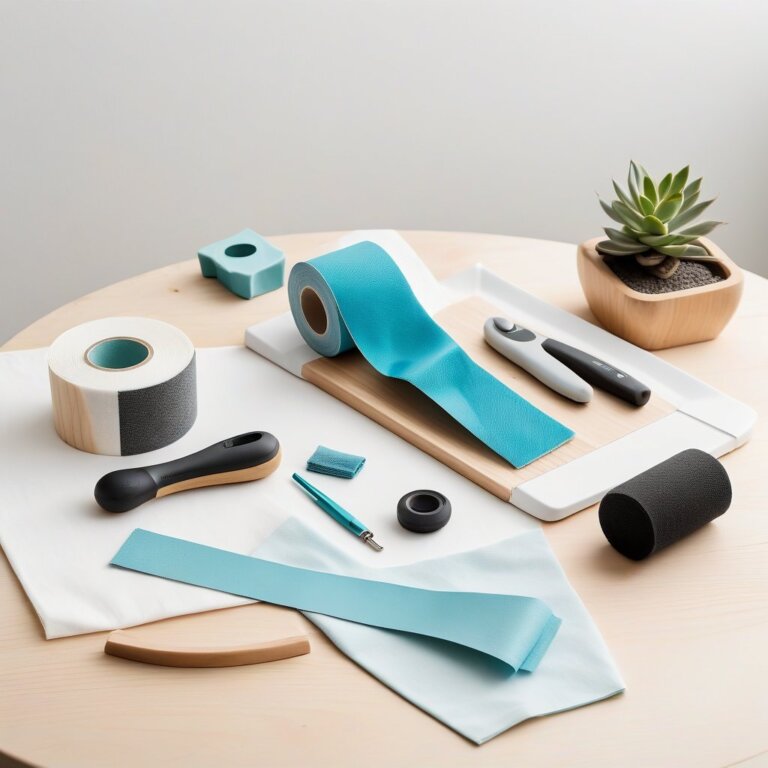
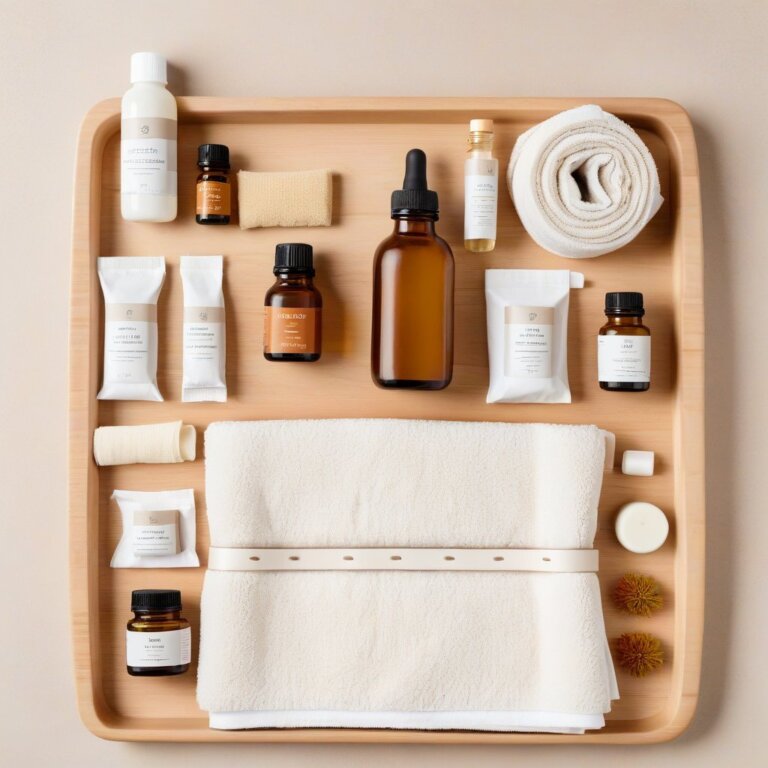
In practice, we recommend a simple kit: a few pre-cut strips, a pair of scissors, a gentle skin barrier or alcohol wipe, and a soft cloth for drying.
The anchor points should be placed on stable skin areas to maintain adhesion while allowing natural movement.
This setup helps you feel confident performing a basic taping routine at home when guided by a clinician or trained therapist.
- Clean skin and dry timing before application
- Hypoallergenic tape options if skin sensitivity is a concern
- Light tension along the anchor points to reassure tissue without restricting motion
As you read further, you’ll see practical examples of how to map tape paths to support the abdominal wall in common daily activities, always prioritizing safety and comfort.
Immediate Abdominal Rehab: 7 Practical Techniques for Safe Kinesio Taping Approaches to Promote Early Abdominal Mobility
Immediate Abdominal Rehab is a cluster topic that focuses on how to start gentle, guided activity and taping soon after an abdominal procedure.
The techniques below are designed to be practical, at-home-friendly, and aligned with a clinician’s plan.
Each technique includes specific steps, safety notes, and what you should observe as you progress.
Technique 1: Gentle Anchors and Tape Pathways
Begin with light anchors along the upper and lower abdomen, keeping the tension low.
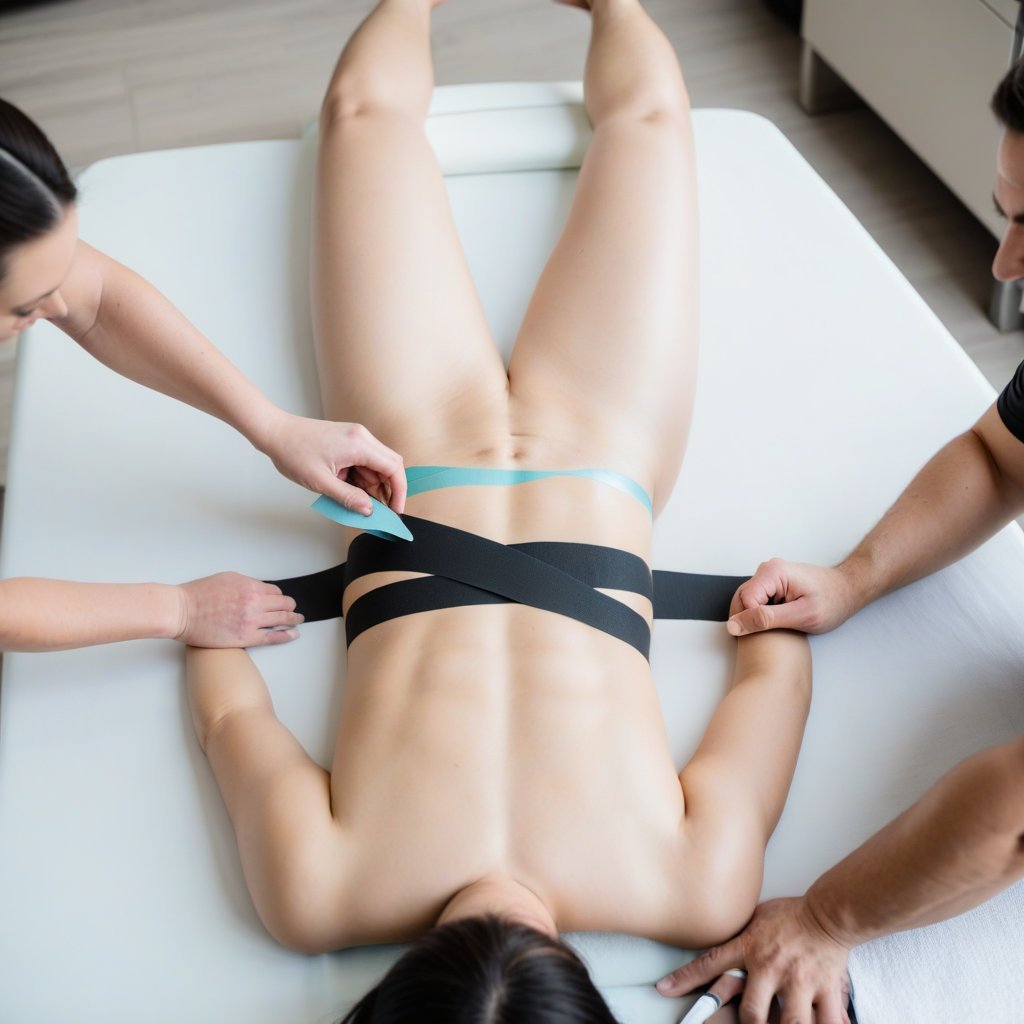
Create pathways that follow the natural curve of the ribcage and the abdominal wall, avoiding cross-overs that could irritate the skin.
This approach helps with proprioceptive feedback and supports comfortable movement during daily tasks like sitting and standing.
In practice, consider two to three short strips placed at the sides of the abdomen, connected to a central anchor over the lower rib area.
Observe how your breathing feels as you perform slow, diaphragmatic breaths.
If you notice any pulling sensation, reduce the tension and recheck anchor placement.
- Place anchors near stable skin areas
- Aim for light-to-neutral tension
- Monitor for skin changes after 15 minutes of activity
Technique 2: Diastasis-Sensitive Taping
For individuals experiencing mild diastasis-like separation concerns, place light strips along the midline with careful alignment to support the separating fibers without forcing compression.
The goal is to provide a gentle reminder for the abdominal muscles to work together during breathing and light trunk movement.
When practiced under supervision, this technique can help improve awareness of the midline and support coordinated activation during shallow stretches or safe, low-load activities.
Always prioritize comfort and skin integrity during adaption phases.
- Align strips with the midline
- Use light tension to avoid pulling the tissue apart
- Pause if you notice any discomfort beyond mild warmth
Technique 3: Supporting Respiratory Movement
Tapings positioned to support diaphragmatic breathing can help improve respiratory efficiency and reduce chest tightness.
Place gentle strips along the lower rib cage to guide outward expansion with each inhale, while ensuring the tape doesn’t restrict full chest movement.
This approach is particularly useful when breath coordination feels limited or shallow.
Expect gradual alignment of breathing patterns as you incorporate gentle taping with mindful breathing practice in daily routines.
- Place strips to encourage lateral rib expansion
- Coordinate with slow, deep breaths
- Check for any changes in breathing comfort after a few minutes
Technique 4: Edema-Control and Skin Safety
Swelling can affect comfort and mobility.
Use taping to create a supportive boundary around the abdominal area while ensuring the skin remains comfortable and dry.
Avoid taping over irritated or irritated-looking skin, and remove tape if redness appears and reapply after cleansing the area.
In our spa practice, we emphasize skin care and monitor the skin post-application.
A gentle cleansing routine and a short trial window help us assess how well the skin tolerates the tape before extending wear time.
- Inspect skin for signs of irritation
- Remove and reapply if needed after cleansing
- Pair with light ligaments-grade movement for edema management
Technique 5: Bootstrapping Core Activation with Tape
Two-to-three strips placed across the lower abdomen can act as gentle cues to engage the deep abdominal muscles during light activity.
The aim is to support a smoother transition from passive to active movement without forcing stronger contractions too soon.
As you progress, combine this taping with a simple sequence of breathing and posture checks.
The tiny tactile sense from the tape helps you refine how you recruit core muscles while staying within your comfort zone.
- Use low-tension guidance to the deep abdominal layer
- Coordinate with neutral spine alignment
- Keep sessions short and comfortable, gradually extending duration
Technique 6: Boundary Taping for Pain-Safe Mobility
Boundary taping creates a soft framework that helps you move through basic actions like bending and lifting with reduced fear of pulling muscles.
Place a light strip along the sides of the abdomen near the flank to provide a subtle sense of support during everyday tasks.
Important notes: avoid excessive compression and monitor for any skin irritation or discomfort.
If you experience unusual pain, stop and consult a clinician for an assessment before continuing.
- Limit tension to a comfortable level
- Target movement-friendly zones and avoid stiffening the area
- Use short wear periods and gradual returns to longer sessions
Technique 7: Maintenance and Tape Removal
Maintenance matters for long-term comfort.
Rotate tape paths periodically to prevent skin irritation, and remove tape slowly to minimize pulling on the skin.
After removal, cleanse the area with a mild solution and pat dry.
Observe skin for redness or itchiness for the next hour or two.
Our practice emphasizes a calm, patient-centered approach.
If the skin shows persistent irritation, take a break from taping and reassess with your clinician before resuming.
- Rotate taping locations to prevent overstress
- Remove tape slowly to protect the skin
- Document what works and what doesn’t for your next session
In practice, these techniques provide practical options for people pursuing an intentional, at-home routine that respects the healing timeline while encouraging safe movement.
Pair them with gentle movements, posture checks, and steady breathing to build confidence and comfort in daily activities.
Common Pitfalls: 5 Erros Que Você Deve Evitar ao Aplicar Kinesio Taping for Early Abdominal Mobility
Avoiding common errors helps you keep this approach safe and effective.
Below are frequent missteps along with practical corrections you can implement at home or in a guided session.
Erro #1: Improper Skin Preparation
Applying tape to dirty, oily, or damp skin reduces adhesion and can irritate the area.
Begin with clean, dry skin and avoid lotions immediately before taping.
If skin is sensitive, perform a quick patch test on a small area and wait 20 minutes to assess tolerance.
Corrective action: cleanse, dry, and revisit readiness before applying.
Use a barrier wipe if needed to reduce moisture on the skin.
This step helps maintain comfort and effectiveness during wear time.
- Always perform a skin check before applying
- Use barrier products only as advised by a clinician
- Document any reaction and adjust next session accordingly
Erro #2: Excessive Tape Tension
High tension can cause skin strain, discomfort, and potential irritation.
Start with light tension and adjust based on the body’s response.
Tape should provide gentle feedback, not restrict movement or cause pain.
Practice tip: test the sensation with small movements and breathing patterns.
If you feel pulling or discomfort, reduce tension or reposition the path.
- Begin with light tension and observe response
- Avoid cross-taping or overlapping too aggressively
- Consult a clinician if discomfort persists
Erro #3: Oversized Tape Coverage
Covering too large an area can feel heavy and limit natural motion.
Focus on targeted anchors and midline support.
Keep patches proportionate to the area you’re addressing.
When applying, prioritize precision and comfort.
If the tape feels loose or bulky, trim or adjust to improve fit and ease of movement.
- Target specific areas rather than broad coverage
- Trim strips to fit the contours of the abdomen
- Reassess after a short wear period
Erro #4: Ignoring Skin Feedback
Skin feedback is a critical signal.
If you notice persistent redness, itching, heat, or rash, remove the tape and allow the skin to recover.
Pushing through discomfort can delay healing and degrade comfort.
Corrective action: pause taping and re-evaluate with a clinician.
Consider alternative paths or shorter wear times until skin tolerance improves.
- Pay attention to persistent skin signals
- Limit wear time if sensitivity arises
- Consult a clinician before continuing with the same approach
Erro #5: Inconsistent Wear Schedule
Consistency matters for learning new movement patterns.
Sporadic taping can confuse the body’s proprioceptive cues.
Establish a regular routine in collaboration with your clinician or therapist to build confidence and progress safely.
Practical tip: create a simple calendar cue for your at-home session and gradually extend wear times as tolerated.
- Set a realistic, repeatable schedule
- Progress gradually as comfort increases
- Log sensations and movement improvements to guide future sessions
Case Studies and Practitioner Insights: Real-World Applications at Best & Beyond Spa
Our team combines a deep background in physiotherapy with hands-on spa expertise to deliver compassionate, evidence-informed care.
Davilla, who founded Best & Beyond Spa, blends clinical knowledge with a holistic approach rooted in wellness.
Her philosophy emphasizes patient comfort, thoughtful technique, and outcomes that support daily life after abdominal procedures.
Case examples from our Massachusetts practice underscore how safe taping techniques align with broader recovery goals.
A patient with mild midline weakness reported improved confidence in basic activities after a two-week program combining light taping, posture training, and breathing work.
Another client appreciated the gentle reminders from taped support during transitions from bed to chair, which helped reduce hesitation and pain during movement.
Key takeaways from these experiences include:
- Consistency and collaboration with your care team are essential
- Skin safety and comfort are non-negotiable; adapt based on feedback
- Tapings work best when integrated with breathing strategies and mindful movement cues
In our practice, we emphasize building a calm, restorative environment where clients feel seen and supported.
The goal is not to rush outcomes but to create steady, meaningful progress that can fit within a busy life in Massachusetts.
Putting It All Together: Immediate Abdominal Rehab and Your Next Steps
Bringing together safe taping, gentle movement, and mindful breathing can help you regain confidence in daily activities.
The pathway is individualized, and progress may look different from person to person.
The most important elements are consistency, skin safety, and a patient-centered approach that respects your healing timeline.
What to expect moving forward includes:
- A personalized plan that blends taping with light movement and breathing work
- Regular check-ins with a clinician or a qualified therapist to adjust placement and tension
- A focus on comfort, confidence, and gradual load progression in daily activities
Remember, this guide is designed to complement professional guidance, not replace it.
At Best & Beyond Spa in Massachusetts, a team of trained professionals supports you with a holistic approach to wellness—combining therapeutic massage, spa therapies, and wellness education to help you feel your best as you progress through your recovery journey.
For ongoing support, consider engaging with our team to tailor a safe, humane plan that respects your body and your goals.
We’re here to help you explore practical ways to integrate care into your life, with an emphasis on comfort, safety, and sustainable progress.
What Comes Next: Practical Steps and a Soft, Confidential Path Forward
Taking the next steps with a trusted, well-informed partner can make a meaningful difference.
Here are practical steps you can take today to continue progress in a safe, supportive manner:.
- Schedule a consult with a clinician or therapist to review your taping plan and skin readiness
- Continue with gentle abdominal-friendly movements and breathing exercises
- Keep a simple log of what works, noting any skin reactions or comfort changes
As you implement these steps, stay connected to trusted resources and your care team.
The goal is steady, patient-centered progress that aligns with your daily life and wellbeing goals here in Massachusetts.
Next Steps: Trusted, Calm, and Expert Care at Best & Beyond Spa
The techniques described here are designed to be practical, human-centered, and grounded in professional care.
If you’re preparing for an upcoming procedure or are in the early recovery phase, you’ll find value in a gentle, guided approach that respects your pace, comfort, and safety.
Our team’s deep experience in wellness and spa services—with a patient-first mindset—helps you navigate this period with confidence and ease.
Ready to explore how a trusted spa experience can support your wellbeing journey? Consider contacting Best & Beyond Spa in Massachusetts to discuss a personalized plan that combines safe Kinesio Taping, mindful movement, and soothing therapies that promote overall comfort and resilience during recovery.
Take the next step toward a calmer, more confident daily routine.
Reach out to our team for a compassionate, professional conversation about how to integrate safe taping into your recovery plan, always guided by your comfort and healing timeline.
Frequently Asked Questions
What is Kinesio Taping and how can it support early abdominal mobility?
Kinesio Taping is a lightweight, stretchy tape that provides gentle proprioceptive feedback and support. For early abdominal mobility, it helps reduce undue strain and promotes safe movement patterns without restricting natural breathing or core engagement. The approach emphasizes low-tension applications and careful anchors to protect healing tissue.
Is Safe Kinesio Taping after abdominal procedures safe for home use?
Yes, when applied with proper technique and skin care, kinesio taping can be a helpful addition to recovery. Avoid taping over irritated skin or fresh incisions and follow guidance from a clinician. Start with a calm, skin-friendly approach and monitor for any changes.
How do you apply Kinesio Tape to minimize skin irritation during early recovery?
Use low tension and place anchors away from irritated areas. Clean and dry the skin before application, and avoid overstretching the tape. Consider hypoallergenic tape and pause use if redness or itching develops.
Should I rely on kinesio taping alone, or combine with other rehab steps after abdominal surgery?
Kinesio taping is a supportive tool, not a replacement for physical therapy or a guided rehabilitation plan. Combine taping with breathing exercises, gentle trunk movements, and progressive activity as advised by a clinician. Consistency and safety monitoring are key to effective recovery.
What warning signs mean I should remove the tape and consult a clinician?
Stop use and seek advice if you experience persistent redness, itching, swelling, increased pain, fever, or wound drainage under the tape. If a rash develops or skin irritation worsens, discontinue use. Any signs of infection require professional assessment.
How long should the tape stay on, and how often should I re-tape for ongoing support?
Typical wear is 24 to 72 hours per session, depending on skin tolerance and activity. Reassess skin condition before reapplying and follow your clinician’s schedule for changes. Avoid forcing tape on irritated skin.
Are there recommended taping patterns or target areas to encourage breathing and core engagement?
Patterns usually involve low-tension strips along the abdominal wall and near the ribcage to support breathing and gentle trunk motion. Proper anchor placement helps prevent skin pull while guiding safe movement. These cues aim to support natural function without restricting activity.
Where can I learn proper technique for Safe Kinesio Taping Approaches to Promote Early Abdominal Mobility?
Seek instruction from a trained clinician, such as a physical therapist or a certified kinesiotaping practitioner. They can tailor taping plans to your healing timeline and comfort level. You may also find clinics emphasizing skin integrity and patient-centered care, including spa-style settings that prioritize safety.

At Best and Beyond Spa, Day and Davilla are dedicated professionals passionate about wellness and beauty. With expertise in spa day treatments, couples massages, and senior wellness, they provide high-quality, personalized care in a relaxing environment. Their mission is to help clients feel rejuvenated, refreshed, and truly cared for.
Related Posts
Early Milestones in Immediate Abdominal Rehab: 0–72 Hours
Guided Protocol for Immediate Abdominal Rehab by Surgery Type