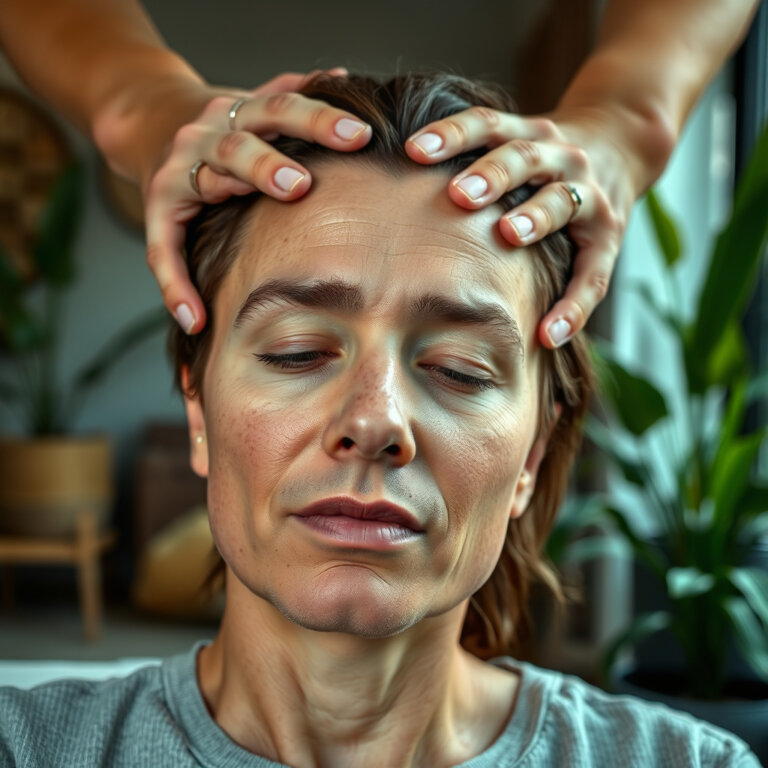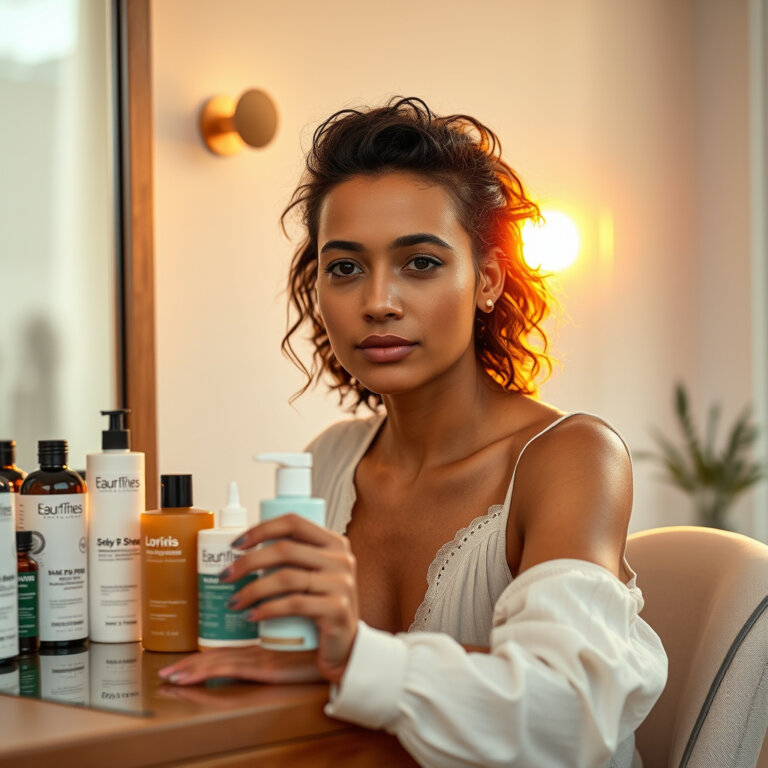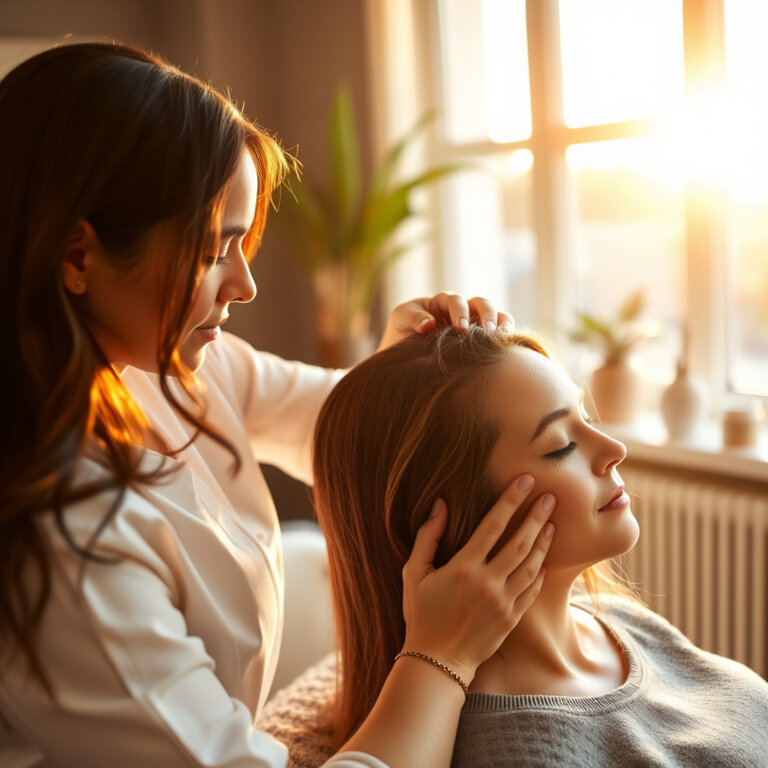
How does local climate affect scalp health in Massachusetts? The local climate plays a significant role in determining the health and condition of your scalp. Factors such as humidity, temperature, and seasonal changes can impact scalp hydration, oil production, and susceptibility to conditions like dandruff or scalp irritation.
Have you ever wondered, ‘How does local climate affect scalp health in Massachusetts?’ This question holds the key to unlocking the secrets of your hair’s vitality. In this post, we will explore the intricate relationship between the unique climate of Massachusetts and its effects on scalp health.
From the dry winters to the humid summers, each season brings its own challenges. Understanding these influences can help you adopt better hair care practices, ensuring your scalp remains healthy and nourished all year round. Let’s dive into the factors that contribute to scalp health in your region, and discover natural treatments that can enhance your hair care routine.

Have you ever wondered how the unique climate of Massachusetts affects your scalp health? As the seasons change, so do the needs of our skin and hair. Understanding the relationship between local climate and scalp health is essential, especially for residents of Woburn and the North Shore, where weather patterns can vary dramatically.
Understanding Scalp Health: Essential Concepts and Definitions
Scalp health is a vital aspect of overall hair wellness. The scalp is not just a supporting layer for hair; it plays a crucial role in hair growth and health. The skin on the scalp is rich in sebaceous glands, which produce natural oils that keep the skin moisturized and balanced. When these glands function optimally, they help to prevent common scalp conditions such as dandruff, dryness, and irritation.
Common scalp conditions include:
- Dandruff: Flaky skin that can be caused by dryness or an overgrowth of yeast.
- Psoriasis: An autoimmune condition that leads to red, scaly patches on the scalp.
- Seborrheic Dermatitis: A chronic inflammatory condition characterized by yellowish, greasy scales.
Understanding these conditions lays the groundwork for recognizing how environmental factors, particularly climate, can impact scalp health.
The Importance of Climate on Scalp Wellness in Massachusetts
Massachusetts experiences a diverse climate with cold winters, hot summers, and varying humidity levels throughout the year. Each season brings its own set of challenges that can affect scalp health. For instance, winter’s cold, dry air can lead to increased scalp dryness and irritation, while summer’s heat and humidity can cause excess oil production, potentially leading to clogged pores and dandruff.
Key climate factors influencing scalp health include:
- Humidity Levels: High humidity can lead to an oily scalp, while low humidity often results in dryness.
- Temperature Variations: Extreme temperature changes can stress the scalp, impacting its natural balance.
- Seasonal Changes: Transitioning between seasons can require adjustments in hair care routines to accommodate changing needs.
Recognizing these factors is vital for effective hair care and maintaining scalp health.
Evaluating Local Environmental Factors: Key Considerations for Scalp Health
To assess how the local climate affects your scalp health, consider the following criteria:
- Monitor Humidity Levels: Use a hygrometer to track indoor humidity levels, especially during winter months when heating systems can dry out the air.
- Observe Seasonal Changes: Pay attention to how your scalp feels in different seasons. Does it feel drier in winter? Oily in summer?
- Adjust Hair Care Routines: Tailor your hair care products and routines based on seasonal observations. This may include switching to a moisturizing shampoo in winter or a clarifying shampoo in summer.
By evaluating these local environmental factors, you can better adapt your hair care routine to safeguard your scalp health.
Practical Steps to Enhance Scalp Health in Varying Climates
Maintaining a healthy scalp requires proactive measures, especially given the seasonal fluctuations in Massachusetts. Here’s a comprehensive guide to enhance your scalp health:
- Choose the Right Products: Opt for hydrating shampoos and conditioners during dry months, and consider lighter products in the summer.
- Stay Hydrated: Drink plenty of water to keep your skin and scalp hydrated from within.
- Use Natural Oils: Incorporate natural oils such as jojoba or argan oil to moisturize and protect the scalp.
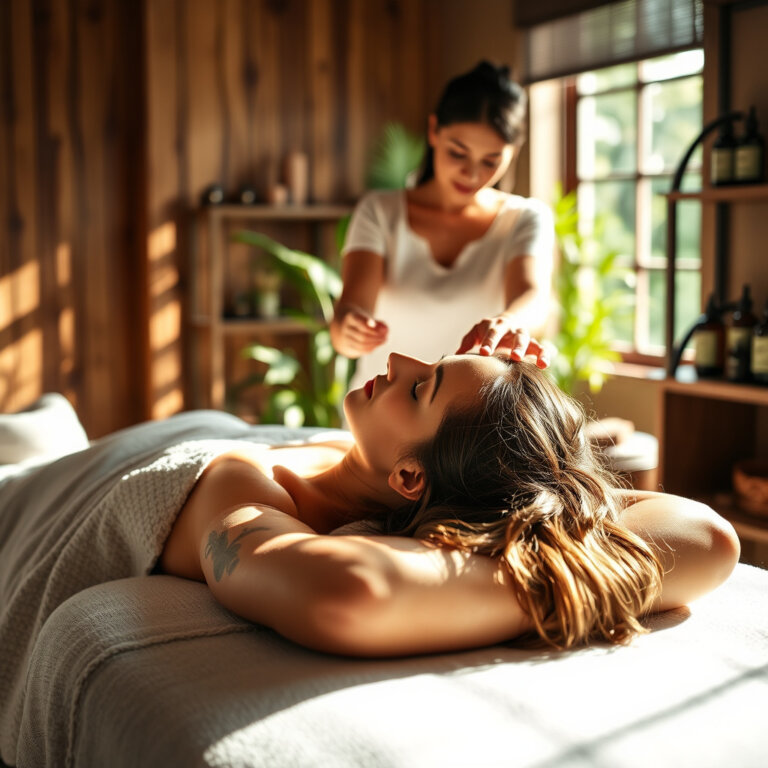
- Regular Treatments: Schedule scalp treatments or massages at a local spa to promote circulation and health.
Implementing these steps will help you combat specific climate challenges, ensuring your scalp remains healthy year-round.
Advanced Techniques for Optimal Scalp Care Amid Climate Challenges
For those looking to elevate their scalp care regimen, consider these advanced techniques:
- Professional Scalp Treatments: Seek out specialized scalp therapy services at local spas, like Best & Beyond Spa, where experts can provide tailored treatments.
- Natural Remedies: Explore holistic beauty treatments that incorporate herbal remedies known to soothe scalp conditions.
- Innovative Products: Research and invest in scalp care products that contain ingredients like tea tree oil or salicylic acid to address specific issues.
Integrating these techniques can provide additional relief from climate-induced scalp issues.
Common Pitfalls in Scalp Care: What to Avoid
As you navigate scalp care, be aware of common pitfalls that can exacerbate issues:
- Over-Washing: Washing your hair too frequently can strip natural oils, leading to dryness.
- Ignoring Scalp Sensitivity: Using harsh products or frequent heat styling can irritate the scalp.
- Neglecting Seasonal Changes: Failing to adjust your hair care routine based on the seasons can lead to ongoing scalp issues.
By avoiding these mistakes, you can maintain optimal scalp conditions and promote overall hair health.
Conclusion
Understanding how local climate affects scalp health in Massachusetts is essential for anyone looking to maintain a healthy scalp and hair. By evaluating environmental factors, adapting your hair care routine, and avoiding common pitfalls, you can ensure your scalp remains resilient against the challenges posed by changing weather. Consider consulting with professionals at Best & Beyond Spa for personalized scalp treatments and to discover the best products for your unique needs. Take charge of your scalp health today!
Sobre Nossa Expertise
Este conteúdo reflete nossa profunda experiência no mercado. nossa especialização em Skin care/facial treatments (“Deep cleansing facials,” “Relaxation massage,” etc.)
Therapeutic and relaxation massage (“Therapeutic massage,” Relaxation massage)
Body treatments (including modeling, body contouring, etc.)
Brazilian waxing
Waxing in general, hair removal (Brazilian waxing)
Couples massage, head spa, and facial treatments. nos posiciona como uma fonte confiável de informações sobre How does local climate affect scalp health in Massachusetts?.
Nossa Localização: 23 Warren Ave #120, Woburn, MA 01801
Perguntas Frequentes
How does humidity in Massachusetts affect scalp health?
High humidity can lead to increased oil production on the scalp, which may result in dandruff or scalp irritation. Conversely, low humidity can dry out the scalp, leading to itchiness and flakiness. Maintaining a balance through proper hydration and scalp care is essential.
What impact does cold weather have on the scalp in Massachusetts?
Cold weather can strip moisture from the scalp, leading to dryness and potential irritation. It’s important to use moisturizing shampoos and conditioners, and consider wearing a hat outdoors to protect your scalp from harsh winds.
Can seasonal changes in Massachusetts affect scalp health?
Yes, seasonal changes can significantly impact scalp health. During winter, cold and dry air can cause dryness and flaking, while summer heat and humidity can lead to excess oil and sweat, both of which may contribute to scalp issues.
How do rain and wet conditions affect the scalp in Massachusetts?
Frequent rain and wet conditions can create a humid environment, which may increase oiliness on the scalp and promote fungal growth. It's essential to maintain a clean scalp and use antifungal treatments if necessary to prevent issues like dandruff.
What are the best practices for maintaining scalp health in Massachusetts?
To maintain scalp health in Massachusetts, use a gentle shampoo suited for your hair type, condition regularly, and stay hydrated. Adjust your hair care routine according to the season, and consider using a humidifier indoors during dry months to keep your scalp moisturized.

At Best and Beyond Spa, Day and Davilla are dedicated professionals passionate about wellness and beauty. With expertise in spa day treatments, couples massages, and senior wellness, they provide high-quality, personalized care in a relaxing environment. Their mission is to help clients feel rejuvenated, refreshed, and truly cared for.