Comparative: Early Tissue Mobilization vs Gentle Mobility for Fibrosis Prevention is shaping modern post-recovery care in immediate abdominal rehab, guiding how clinicians, therapists, and wellness practitioners approach scar management.
This guide blends practical strategies with evidence-informed insights to help you navigate movement choices after a surgical recovery window, emphasizing comfort, safety, and sustainable tissue health.
At Best & Beyond Spa in Massachusetts, we blend deep therapeutic expertise with a holistic wellness approach to support your nervous system, fascia, and tissue remodeling processes through expertly guided touch, gentle movement, and mindful breathing.
Whether you are preparing for a procedure, in active recovery, or planning long-term scar care, understanding the nuances of early tissue mobilization versus gentle mobility can empower you to participate actively in your own healing journey—not as a replacement for medical guidance, but as a complementary practice that enhances comfort, mobility, and confidence.
What Comparative: Early Tissue Mobilization vs Gentle Mobility for Fibrosis Prevention Really Means for Recovery
In practical terms, Comparative: Early Tissue Mobilization vs Gentle Mobility for Fibrosis Prevention asks how soon and how intensely we begin moving and loading healing tissues, and how those choices shape scar pliability, fascia health, and functional outcomes.
This question is central to scar management and tissue sequencing in immediate abdominal rehab, a field where subtle differences in technique can alter the feel and function of the healing process. Early tissue mobilization aims to stimulate organized collagen alignment and reduce adhesions by introducing controlled tissue challenges early on.
In contrast, gentle mobility prioritizes calming the nervous system, gradually restoring range of motion, and preventing overstimulation that can exacerbate discomfort or hypersensitivity.
Both approaches offer valuable benefits, and the optimal path often lies in a deliberate, individualized blend guided by practitioner assessment, tissue response, and patient feedback.
For readers navigating this topic, the 5W+1H framework helps clarify what to ask, who benefits, when to start, where to focus, why these choices matter, and how to implement them safely.
What, exactly, constitutes movement that is beneficial at your stage? Who should supervise or guide the progression—your clinician, massage therapist, or a trained rehab professional? When is it appropriate to shift from gentle touch to more dynamic tissue loading? Where should you focus your efforts—scar margins, the plantar fascia, abdominal fascia, or deep core lines? How can you track progress and adjust to avoid stiffness, pain, or fear of movement? The answers come from careful observation, consistent practice, and a compassionate, educated approach to tissue health, all of which are central to the philosophy at Best & Beyond Spa.
Practical Protocols for Immediate Scar Mobility and Tissue Sequencing
Effective scar mobility and tissue sequencing happen through structured, progressive steps that respect both biology and comfort.
This section outlines practical protocols you can adapt in collaboration with a clinician or therapist, using a balanced mix of movement, touch, and rest to support tissue organization without overwhelming the system.
We’ll also touch on how to incorporate spa-based modalities in a safe, non-invasive way that complements clinical care, especially for patients in Massachusetts seeking a trusted, high-quality wellness destination.
Sequencing Principles: Start with Gentle Tissue First
When thinking about Comparative: Early Tissue Mobilization vs Gentle Mobility for Fibrosis Prevention, begin with sequencing that favors patient safety and tissue readiness.
The guiding principle is to mobilize tissue boundaries—skin, subcutaneous layers, and superficial fascia—before deeper layers are challenged.
This sequencing approach supports improved scar pliability, reduces localized edema, and fosters comfortable tissue glide.
In practice, therapists may begin with light, multidirectional skin strokes, progressing to gentle pin-and-stretch techniques that wake the fascia without provoking guarding reflexes.
- Begin with light texture work along the scar border to assess tolerance and mobilize superficial layers.
- Introduce controlled, small-range movements to prevent overextension of tissues during early phases.
- Monitor breathing and comfort; if tension increases, pause and reassess the plan.
Advancing Mobility: When to Progress Toward More Dynamic Loading
Progression is not a race; it’s a careful tempo where your tissue health guides the pace.
In Comparative: Early Tissue Mobilization vs Gentle Mobility for Fibrosis Prevention, the stepwise upgrade might look like moving from gentle tissue sequencing to light, controlled loading of deeper fascial planes as tolerance improves.
Progression depends on scar pliability, tissue awareness, and absence of sharp pain.
A practical cue is the absence of increased redness, warmth, or swelling around the treated area during and after sessions.
This approach aligns with a holistic wellness model you’ll find at Best & Beyond Spa, where movement is paired with calming modalities to support overall tissue resilience.
- Watch for intact blood flow and skin color changes as you advance.
- Use proprioceptive cues to guide gentle loading through the trunk and abdominal walls without forcing deep strain.
- Document subjective comfort and objective range of motion to guide ongoing adjustments.
Tools and Techniques: Touch, Movement, and Breath in Harmony
To implement the Comparative: Early Tissue Mobilization vs Gentle Mobility for Fibrosis Prevention framework effectively, combine tactile approaches with mindful movement and breathing strategies. Soft tissue mobilization techniques—performed by trained therapists—can be paired with gentle ROM exercises and diaphragmatic breathing to reduce muscle guarding and support nervous system regulation.
Within our Massachusetts practice, we emphasize non-invasive, botanically based products, calm environments, and a patient-centered pace to enhance tissue sequencing while keeping sessions deeply relaxing.
- Gentle scar massage around the edges to improve mobility without provoking discomfort.
- Breathing-focused movements to synchronize core stability with tissue glide.
- Postural education to minimize compensatory patterns that stress surrounding tissues.
Evidence and Practical Insights for 2026
As practitioners and researchers continue to evaluate how early mobilization strategies influence healing trajectories, several practical insights have emerged that inform the Comparative: Early Tissue Mobilization vs Gentle Mobility for Fibrosis Prevention framework.
While the literature emphasizes the importance of tissue education and nervous system balance, individualization remains key.
Here are practical takeaways you can apply with your clinician or spa therapist, noting how these align with current 2026 perspectives and the ongoing focus on scar mobility and tissue sequencing in immediate abdominal rehab.
What Current Studies Suggest
Recent conversations in industry forums and professional associations highlight that a balanced approach—combining gentle mobilization with timely, controlled tissue loading—often yields better scar pliability and comfort than either approach alone.
In practice, this means tailoring the tempo, intensity, and scope of movements to your tissue response, rather than adhering to a one-size-fits-all protocol.
For readers seeking a compassionate, evidence-informed plan, the takeaway is to prioritize tissue feedback, nervous system calm, and gradual exposure to movement that respects your limits.
From a wellness perspective, practitioners emphasize integrating scar mobility and tissue sequencing into a holistic recovery plan, including controlled breathing, mindful body awareness, and supportive modalities such as aromatherapy and botanically based products.
This aligns with the Best & Beyond Spa approach, which combines clinical insight with a spa-level experience to support overall wellbeing during May 2026 and beyond.
Integrating Spa Therapies: A Complementary Path
Spa-based therapies can complement more formal rehabilitation by reducing autonomic arousal, easing muscular tension, and promoting tissue hydration and elasticity through non-invasive means.
In Comparative: Early Tissue Mobilization vs Gentle Mobility for Fibrosis Prevention, we see spa modalities such as quiet, temperature-controlled environments, scalp and neck relaxation, and skin-nourishing routines that support the body’s natural healing rhythms while keeping the focus on safe, non-invasive touch.
For readers in Massachusetts, this means a trusted, top-rated wellness destination can offer a holistic extension to medical guidance that enhances comfort and confidence as you progress through the healing journey.
5 Practical Strategies You Can Use Right Now
Whether you are just beginning or already in an ongoing recovery phase, these practical strategies translate the Comparative: Early Tissue Mobilization vs Gentle Mobility for Fibrosis Prevention framework into actionable steps you can use at home or under professional supervision.
Each strategy emphasizes the interplay between tissue health, nervous system balance, and functional outcomes, with concrete actions you can incorporate into your daily routine.
Strategy 1: Gentle ROM and Scar Massage
Begin with gentle range-of-motion exercises around the abdominal region, staying within comfortable limits.
Pair light, circular scar massage along the edges to promote scar mobility while avoiding deep pressure that could irritate sensitive tissue.
This combo supports tissue sequencing and helps your nervous system feel safe during movement.
- Perform 5–10 minutes of gentle ROM daily, progressing gradually as tolerance allows.
- Use a light touch and slow, deliberate strokes for scar areas to encourage glide.
- Track your comfort levels and adjust pace as needed.
Strategy 2: Controlled Tissue Loading
Introduce small, controlled loads to the abdominal wall as tolerated, moving from static holds to light dynamic work.
This approach aligns with Comparative: Early Tissue Mobilization vs Gentle Mobility for Fibrosis Prevention by providing strategic challenges to deeper fascial layers without provoking excessive guarding.
- Start with short holds and light resistance bands or manual assists during sessions.
- Progress to brief, low-amplitude movements that encourage tissue remodeling while staying comfortable.
- Monitor any soreness the next day and adjust intensity accordingly.
Strategy 3: Myofascial Sequencing and Breath Integration
Employ myofascial sequencing principles to guide tissue directionality, using breath as a regulator.
Coordinating exhalations with tissue glide can help reduce stiffness and improve proprioception, an important factor in long-term scar health.
This is especially relevant as you navigate steady improvements in mobility during May 2026 and beyond.
- Practice slow, diaphragmatic breathing during gentle tissue glides to support relaxation.
- Sequence movements from superficial to deeper layers to optimize tissue education.
- Incorporate light manual techniques to encourage smooth transitions between tissue planes.
Strategy 4: Edema and Sensation Management
Edema and altered sensation can influence the rate of progress.
Addressing these aspects with gentle techniques helps prevent overloading fragile tissues and supports consistent improvement.
In Comparative: Early Tissue Mobilization vs Gentle Mobility for Fibrosis Prevention, edema management and sensory recalibration are essential for maintaining a forgiving recovery pace while still advancing tissue health.
- Utilize gentle edema-reducing techniques and positioning strategies to minimize tissue pooling.
- Use sensory re-education to reduce hypersensitivity and improve movement confidence.
- Keep sessions calm, with hydration and skin-care practices that support barrier function.
Strategy 5: Proprioceptive Reeducation and Core Alignment
Reestablishing proprioception and core alignment helps coordinate movement patterns with tissue sequencing goals.
By retraining how your body senses its position, you can improve functional outcomes and reduce compensatory stress that may contribute to scar-related stiffness over time.
This aligns with a holistic approach that Best & Beyond Spa embodies through personalized care and attention to biomechanical balance.
- Incorporate gentle, gravity-assisted exercises to reawaken the deep core lines.
- Use mirrors or tactile cues to improve body awareness during practice.
- Schedule consistent check-ins with your therapist to refine technique and progression.
Common Pitfalls and How to Avoid Them
Even with a thoughtful plan, a few common pitfalls can hinder progress in comparative tissue strategies.
The following practical guidance helps you avoid setbacks and stay on track with a compassionate, steady approach to scar mobility and tissue sequencing in immediate abdominal rehab.
Pitfall 1: Pushing Too Quickly
Rushing progression can provoke soreness, guarding, and slowed recovery.
Remember that the goal is steady improvement, not rapid escalation. Gentle mobility and careful tissue sequencing stay within your comfort zone while still delivering meaningful benefits over time.
- Respect your body’s signals; pause if pain emerges or if swelling increases.
- Communicate openly with your therapist about tolerance and preferences.
- Resist the urge to compare your pace with others—each recovery is unique.
Pitfall 2: Inconsistent Practice
Inconsistency undermines tissue education and neural adaptation.
A brief, daily routine is often more effective than sporadic, longer sessions.
Consistency supports long-term scar mobility and tissue resilience.
- Set a realistic daily window for movement and touch therapies.
- Keep a simple journal of sensations, movements, and comfort levels.
- Integrate modalities into your daily routine, such as gentle mobility after waking or before bed.
Pitfall 3: Overreliance on Tools or Therapies
Tools can aid progress, but overreliance may slow the integration of natural movement patterns.
Prioritize holistic balance—touch, movement, breathing, and rest—within a personalized plan.
- Use tools as supportive cues, not primary drivers of healing.
- Focus on functional activities that recreate real-life movement patterns.
- Seek guidance from a qualified clinician to tailor tool use to your tissue needs.
Real-World Case Scenarios: Case Studies From Best & Beyond Spa
To illustrate how Comparative: Early Tissue Mobilization vs Gentle Mobility for Fibrosis Prevention manifests in real-life settings, consider two anonymized case scenarios drawn from our Massachusetts practice.
These examples emphasize the value of individualized plans, ongoing assessment, and the integration of spa-level wellness in supporting tissue health and scar mobility.
Case A: Modest Scar Sensitivity, Progressive Integration
A client presented with mild sensitivity around the abdominal scar and good initial tolerance for gentle tissue work.
We started with scar mobility work along the edges, combined with diaphragmatic breathing and light ROM.
Over six weeks, the client progressed to controlled loading while maintaining comfort.
The outcome was improved tissue glide, decreased hypersensitivity, and better posture during daily activities.
- Initial focus: light touch and edge mobilization
- Mid-stage: gradual loading and proprioceptive cues
- Outcome: enhanced scar pliability and functional comfort
Case B: A More Reactive Tissue Response
This client experienced heightened sensitivity and fluctuating pain with deeper tissue loading.
The plan emphasized gentler sequencing, slower progression, and integrated spa modalities that promote nervous system regulation.
Within two months, the client reported more consistent movement, reduced guarding, and a calmer overall sensation around the abdominal area.
This case highlights the importance of tuning progression to tissue feedback and the value of a holistic environment in May 2026 and beyond.
- Phase 1: heightened sensitivity management
- Phase 2: stabilized progression with calming modalities
- Phase 3: steady improvements in mobility and comfort
Next Steps: Building a Personalized Scar Mobility Plan for Your May 2026 Path
Designing a personalized plan around Comparative: Early Tissue Mobilization vs Gentle Mobility for Fibrosis Prevention means collaborating with a trusted, highly skilled team who understands both clinical principles and wellness-based approaches.
At Best & Beyond Spa, we combine years of massage therapy and physiotherapy experience with a compassionate, holistic philosophy to help you progress with confidence.
We tailor a plan that respects your tissue readiness, daily life, and long-term goals, blending scar mobility, tissue sequencing, and supportive spa therapies that align with your comfort and lifestyle.
By focusing on practical steps, measurable progress, and gentle accountability, you can move forward with clarity and calm, knowing you have a partner dedicated to your wellbeing in Massachusetts.
What’s next? If you’re preparing for a procedure, currently recovering, or simply planning ongoing scar care, consider booking a consultation with our experienced team.
We’ll assess your tissue response, discuss progression options, and craft a plan that feels right for you—combining professional guidance with the serene, rejuvenating environment you’ll find at Best & Beyond Spa.
Our mission is to help you feel your best, today and tomorrow.
Why Choose Best & Beyond Spa for Scar Mobility and Tissue Sequencing
Our team is rooted in wellness, with a focus on non-invasive, botanical, and evidence-informed approaches to support your body’s natural healing rhythms.
We bring a unique blend of clinical expertise and spa-level care to Massachusetts communities, emphasizing relaxing massage, skin rejuvenation, and a compassionate, personalized approach to care.
By fostering a calm atmosphere and scientifically grounded techniques, we help you navigate the nuances of Comparative: Early Tissue Mobilization vs Gentle Mobility for Fibrosis Prevention with confidence and care.
Key elements of our approach include:
- Licensed massage therapy and physiotherapy-informed strategies tailored to your tissue needs
- Clean, vegan, botanical products that support healthy skin and tissue glide
- Holistic packages that combine relaxation with targeted tissue work for lasting results
As a facility founded by practitioners with a deep passion for healing, Best & Beyond Spa emphasizes accessibility, empathy, and expertise.
Davilla’s dedication to therapeutic body treatments, facial rejuvenation, and post-recovery care reflects a philosophy that healing is a partnership between practitioner and client.
In May 2026 and beyond, the combination of clinical insight and spa-level care remains a cornerstone of our offering, helping you feel supported every step of the way.
If you’re ready to explore how Comparative: Early Tissue Mobilization vs Gentle Mobility for Fibrosis Prevention can shape your recovery journey, reach out today.
We invite you to experience the calm, expert guidance that has made our Massachusetts practice a trusted destination for wellness, healing, and lasting tissue health.
Frequently Asked Questions
What is early tissue mobilization, and when is it typically introduced after abdominal surgery?
Early tissue mobilization involves guided, controlled tissue loading to support organized collagen formation during the early healing window. It is typically introduced under clinician supervision once the surgical wound has stabilized, pain is manageable, and medical clearance is given to load tissue. The goal is to balance stimulation with protection to improve scar pliability and functional outcomes.
How does early tissue mobilization compare to gentle mobility in terms of goals and risks?
Early tissue mobilization aims to stimulate organized collagen formation and reduce adhesions, with careful loading to avoid overstressing healing tissue. Gentle mobility focuses on calming the nervous system and gradually restoring motion, reducing pain and hypersensitivity. The risk with early mobilization is overloading too soon, while gentle mobility may not maximize scar pliability if progressed too slowly.
Can early tissue mobilization help reduce scar adhesions and improve scar pliability?
Yes, when dosed appropriately, early tissue mobilization can encourage proper collagen organization and reduce adhesions, supporting better scar pliability and movement. It should be tailored to your healing stage and medical guidance is essential to avoid overstressing tissue. Monitoring response is a key part of the process.
What are signs that you should switch from gentle mobility to a more active tissue mobilization approach?
Indications include persistent stiffness despite gentle range work, increasing pain with light loading, or limited progress over time. If you tolerate small loads without flare-ups and your clinician confirms safety, a transition to a structured tissue mobilization plan may be appropriate.
How do clinicians determine the appropriate intensity and timing for tissue loading during recovery?
Clinicians assess the healing stage, pain levels, scar appearance, and functional goals to set gradual loading milestones. They adjust intensity and complexity based on your tissue response, ensuring movements stay within a pain-free, tolerable range.
Are there particular exercises or movements recommended for gentle mobility in the immediate post-op period?
Gentle mobility often includes slow, controlled abdominal or pelvic movements, diaphragmatic breathing, and light, pain-free stretches focused on safety and comfort. All activities should be performed within guided limits to avoid tissue strain or incision stress.
How can patients participate in their own fascia and tissue remodeling during early rehab safely?
Education, mindful breathing, and supervised movements empower you to support fascia remodeling without overloading healing tissue. Keep a daily log of pain, stiffness, and function to share with your clinician, helping tailor progression.
Is there evidence comparing outcomes between early tissue mobilization and gentle mobility for fibrosis prevention, and what should patients expect?
Research suggests both approaches can benefit scar health when matched to the healing stage and individual needs, with outcomes tied to proper dosing and supervision. Expect improved comfort, range of motion, and confidence in movement when following a personalized plan rather than a one-size-fits-all approach.
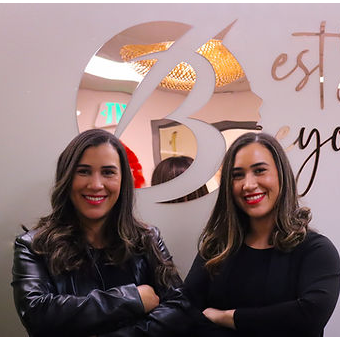
At Best and Beyond Spa, Day and Davilla are dedicated professionals passionate about wellness and beauty. With expertise in spa day treatments, couples massages, and senior wellness, they provide high-quality, personalized care in a relaxing environment. Their mission is to help clients feel rejuvenated, refreshed, and truly cared for.
Related Posts
- List: Key Interventions for Final Outcome in Immediate Abdominal Rehab

Guide: Optimizing Sequencing of Abdominal Tissue Mobilization for Scar Resilience