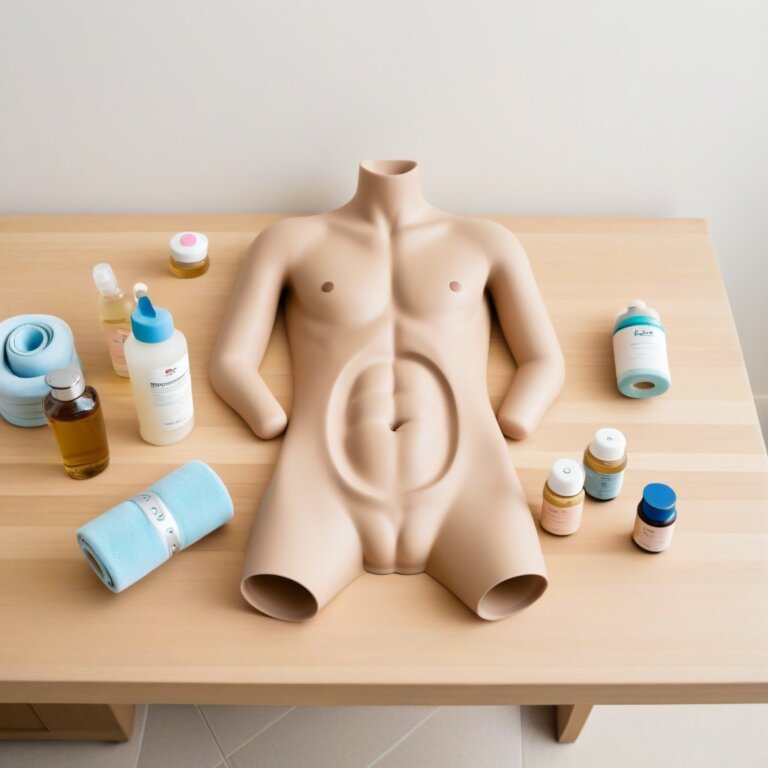

Guide: Immediate Abdominal Rehab by Open vs Laparoscopic Approaches — Key Differences offers practical insights for patients beginning recovery after an abdominal procedure.
The open and laparoscopic paths each present unique opportunities for regaining strength and independence, and understanding these differences can help you plan a smoother, safer start to your rehab journey.
In May 2026, experts emphasize that early movement, breathing strategies, and gradual core engagement are central to healthy healing.
This guide blends clinical principles with wellness-focused strategies you can use at home or with supportive professionals in Massachusetts.
Whether you are preparing for a procedure or just starting your rehab, this guide translates medical concepts into actionable steps you can apply in everyday life.
You’ll find clear explanations, practical checklists, and evidence-informed tips designed for an intermediate reader who values both safety and comfort.
Building confidence in your rehabilitation plan is essential, and the strategies discussed here are framed to support lasting wellness while respecting your pace and limits.
Guide: Immediate Abdominal Rehab by Open vs Laparoscopic Approaches — Key Differences
In this opening section, we outline the core contrasts between an open approach and a laparoscopic approach, with a focus on how each path can influence early rehab.
You’ll see how method choices affect movement, breathing, and core activation in the first weeks after a procedure.
By understanding these differences, you can collaborate effectively with your care team and your wellness professionals to tailor a safe, gradual rehab plan.
Open Approach: What It Means for Immediate Rehab
The open approach typically involves a longer initial access to the abdominal area, which can influence early movement patterns and tissue healing progress.
For rehab planning, this path often emphasizes controlled breathing, gentle trunk activation, and gradual return to regular activities.
Expect a slower start for some movements, with a priority on comfort and safety in the first 7-14 days.
Key considerations for those starting with an open approach include ensuring proper support, avoiding strain on the abdominal wall, and focusing on breathing exercises that promote diaphragmatic engagement.
As you advance, your rehab team may introduce gentle core activation and posture-building activities to support a steady recovery trajectory.
- Initial emphasis on comfort-safe positions
- Gradual introduction of controlled movements
- Close monitoring of pain and swelling as you progress
Laparoscopic Approach: How It Affects Early Recovery
The laparoscopic approach is commonly associated with smaller incisions and potentially faster early mobility.
In rehab terms, this path can support quicker initiation of light activities and earlier engagement of the core and diaphragmatic breathing techniques.
Practically, expect a shorter waiting period before introducing more dynamic movements, always aligned with your comfort level and clinical guidance.
When working with a laparoscopic approach, rehab plans often incorporate early gentle mobility and balanced activity to minimize fatigue while protecting the abdominal area.
Your team may emphasize pacing, rest, and gradual progression to avoid setbacks.
The goal is a steady increase in activity without compromising tissue healing or comfort.
- Encouragement of early, safe movement
- Emphasis on breathing strategies to support healing
- Structured progression with attention to pain signals
Key Differences at a Glance
Across both paths, the central principles of immediate rehab share common goals: reduce discomfort, restore natural movement, and support a sustainable return to daily activities.
The open approach may require a slower start but offers direct access to the abdominal wall for targeted activation, while the laparoscopic approach often enables earlier mobility with less disruption to tissue.
In all cases, the emphasis remains on gentle progression, breathing quality, and mindful core engagement.
- Movement should be guided by pain tolerance and safety
- Progression is individualized and time-bound
- Communication with your rehab team is essential for success
Recovery Milestones and Timelines by Approach
Understanding typical milestones helps you plan realistically while staying flexible for your personal recovery pace.
This section uses practical language to describe what to expect in the weeks following an abdominal procedure, with emphasis on early mobilization, breathing techniques, and gradual core engagement.
Initial Week Milestones
In the first week, the focus is on gentle activity, pain management strategies, and restoring comfortable breathing.
For many, the goal is to achieve pain-controlled movement and the ability to perform light daily activities without strain.
A clear plan with progressive steps helps minimize stiffness and supports tissue healing.
Practical steps you can take include practicing diaphragmatic breathing several times daily and performing positions that relieve tension.
Your care team may suggest a simple routine that combines breathing work with light movement at a comfortable pace.
- Daily breathing practice
- Short, frequent activity sessions
- Observation of pain signals and swelling
Weeks 2-6 Milestones
As you move into weeks 2 through 6, many patients gradually advance to more deliberate movements and core-friendly routines.
The pace depends on your initial approach (open or laparoscopic) and your personal healing trajectory.
Expect a progressive increase in activity duration and intensity, with ongoing emphasis on posture and gentle mobility.
By this stage, you may begin structured routines that integrate core activation, light back stabilization, and controlled trunk twists.
The objective remains to build resilience and energy for everyday tasks while protecting the abdominal area.
- Structured progression of activities
- Integrated posture and back support
- Continued emphasis on safe pacing
When to Seek Guidance
Throughout the recovery journey, stay engaged with your rehab team.
If you notice sharp or increasing pain, swelling, fever, or unusual redness, seek timely guidance.
Early communication helps adjust the plan to prevent setbacks and support steady progress.
- Alert your team to new or worsening symptoms
- Adjustments to activity level as needed
- Regular check-ins to track progress
Practical Rehab Exercises You Can Start Safely
Moving safely after an abdominal procedure hinges on choosing exercises that respect tissue healing while promoting functional strength.
This section emphasizes gentle movements, diaphragmatic breathing, and deliberate core engagement without overloading the healing area.
Breathing and Core Activation
Begin with diaphragmatic breathing to support the core and reduce tension around the ribcage and abdomen.
This practice helps restore the breathing pattern that supports whole-body movement.
Pair it with light core activation exercises that avoid strain on the healing site.
Practical tip: Practice three to five minutes of deep belly breathing, several times each day, followed by gentle pelvic floor activation as tolerated.
Always progress slowly and listen to your body.
- Diaphragmatic breathing routine
- Gentle pelvic floor engagement
- Awareness of breath–movement coordination
Gentle Mobility and Posture
Incorporate safe mobility work to maintain flexibility and reduce stiffness.
Focus on posture corrections that support the spine and abdominal wall without stressing the healing area.
This approach helps you move more comfortably during daily tasks and activities.
Examples of gentle moves include seated pelvic tilts, wall-supported chest opens, and slow leg slides while lying supine.
Each movement should be performed with attention to comfort and control.
- Seated pelvic tilts
- Wall-supported chest opening
- Supine leg slides with controlled pace
Scar Management and Tissue Health
As healing progresses, light scar-care strategies can support tissue health and comfort.
Gentle massage-like techniques, when approved by your clinician, may help with tissue remodeling and skin mobility.
Always seek professional guidance before applying any direct pressure to the healing area.
- Light massage-care concepts (applied by trained professionals)
- Moisturizing skin to support elasticity
- Avoiding irritation around the incision sites
Pain, Comfort, and Support: Navigating the First Weeks
Managing discomfort and ensuring consistent progress are central to a successful rehab path.
The first weeks often involve balancing activity with rest, using supportive devices, and employing strategies to pace your day.
Your plan should emphasize safe positioning, rest, and proactive communication with your care team.
Pain Perception and Positioning
Understanding how pain signals respond to different positions can guide you toward safer movements.
If a position increases discomfort beyond a mild, manageable level, pause and adjust.
Comfort-centered pacing helps reduce fatigue and supports tissue healing over time.
Strategies include experimenting with reclining angles, supportive pillows, and alternative positions that minimize strain.
Remember, progressive activity is key, not intensity for its own sake.
- Position adjustments for comfort
- Use of supportive pillows during rest
- Monitoring pain thresholds and response to activity
Supportive Therapies at Home
Beyond basic movement, consider wellness practices that complement rehab, such as gentle stretching, hydration, and sleep routines.
These elements contribute to overall well-being and can help you sustain gradual gains in function.
Collaborate with a wellness professional to tailor a plan that suits your needs and environment.
- Hydration and nutrition alignment for healing
- Rest and sleep hygiene supporting recovery
- Home routines that promote consistency and safety
What Best & Beyond Spa Brings to Post-Op Rehab in Massachusetts
Best & Beyond Spa integrates peaceful, client-centered care with practical rehab support.
Our team blends expertise from massage and therapy backgrounds with a dedication to holistic wellness, offering a calm, restorative environment that complements medical guidance.
In our Massachusetts locations, clients benefit from a thoughtful, bilingual approach and a focus on gentle, effective movements that support everyday life after an abdominal procedure.
Experience-backed insights come from professionals who understand body mechanics, breathing, and gradual progression.
We emphasize non-invasive care, wellness routines, and resources that help you feel more confident in your rehab journey.
Our services are designed to support your pace, your comfort, and your goals, with an emphasis on safety and dignity in every step.
In practice, our approach centers on practical, at-home strategies you can adopt between sessions.
This includes breathing drills, posture checks, and simple mobility sequences that align with the principles of immediate rehab, while ensuring you stay in tune with your personal rhythm and energy levels.
- Calm, supportive environments that aid recovery
- Experienced practitioners who listen and adapt
- Holistic wellness practices that complement clinical care
Next Steps: How to Plan Your Immediate Abdominal Rehab Journey
Planning your rehab journey involves aligning your goals with your recovery timeline, while staying flexible to adjust as you learn what works best for your body.
Start with a clear, realistic plan that includes daily breathing, gentle movements, and progressive core engagement.
Engage with trusted wellness professionals who value your comfort and safety, and consider how a holistic program can support your overall well-being beyond the immediate rehab window.
To support your ongoing journey, schedule time with a trusted wellness partner in Massachusetts who can tailor a plan to your needs and preferences.
We encourage you to explore our multidisciplinary approach and see how the combination of open and laparoscopic insights can inform a balanced, sustainable path to rebuilding strength and function.
Remember, the goal is steady, safe progress that fits your life.
With thoughtful guidance, you can cultivate resilience, confidence, and a renewed sense of well-being as you move forward with your rehabilitation journey.
For a compassionate, expert-guided experience that prioritizes your comfort and recovery, consider connecting with Best & Beyond Spa to discuss how our approach can support your post-procedure rehab journey in Massachusetts.
You deserve care that respects your pace and your body’s needs.
Guide: Immediate Abdominal Rehab by Open vs Laparoscopic Approaches — Key Differences is a compass for patients and caregivers alike, helping you navigate the early rehab window with clarity, safety, and compassion.
Próximos Passos Estratégicos
To move forward with confidence, create a simple, written plan that outlines daily breathing practice, gentle movements, and milestones for weeks 1-6.
Schedule a check-in with a wellness professional who understands both open and laparoscopic rehab pathways, so your plan remains flexible and personalized.
If you’d like a supportive environment in Massachusetts to compliment your rehab journey, Best & Beyond Spa offers calming, expert guidance and a holistic approach to well-being that aligns with your recovery goals.
Explore our services and experience the care of a trusted team dedicated to your comfort and progress.
Guide: Immediate Abdominal Rehab by Open vs Laparoscopic Approaches — Key Differences
Frequently Asked Questions
What does immediate abdominal rehab involve after open vs laparoscopic surgery?
Immediate abdominal rehab focuses on controlled breathing, gentle trunk activation, and gradual exposure to movement in the weeks after surgery. The open vs laparoscopic approach influences when you start and how much you should limit activity; open surgery typically requires a slower progression due to a larger incision, while laparoscopy often allows earlier engagement with gentle tasks. Your care team will tailor steps to your procedure and healing pace.
How does the open surgical approach influence early abdominal rehabilitation?
An open abdominal procedure usually involves a longer incision and more tissue disruption, which can slow the pace of early rehab. The emphasis is on steady breathing, safe postural alignment, and progressive core engagement to protect the healing tissue. Follow your surgeon’s limits and communicate any concern about pain or swelling.
How does a laparoscopic approach affect initial abdominal rehab?
A laparoscopic approach uses smaller incisions and typically causes less immediate tissue disruption, which can shorten the time to light activity. However, core activation must still be gradual, guided by pain, swelling, and healing signals. Even after laparoscopy, avoid heavy lifting, twisting, or intense abdominal strain in the first weeks.
Why are breathing exercises and strategies essential in early rehab after abdominal surgery?
Breathing exercises help expand lung capacity, reduce the risk of pneumonia, and support gentle abdominal activation. Diaphragmatic breathing and incentive strategies lay the foundation for safe movement and coughing without stressing the incisions. Incorporate them regularly as prescribed by your care team.
When is it appropriate to begin gentle core activation after an open or laparoscopic procedure?
Begin gentle core activation only after initial healing signs and with clearance from your clinician. For many patients, light abdominal engagement starts in the first weeks and progresses slowly as tolerance allows. Always stop if you experience sharp pain, new swelling, or worsening discomfort.
What safe, first-week movements support open or laparoscopic rehab?
Safe early movements include short, slow walks, upright posture work, and gentle pelvic tilts. Avoid bending, twisting, or heavy lifting that strains the abdomen, and use support when coughing or sneezing. Listen to your body and progress within your comfort and medical guidelines.
What red flags should prompt you to contact your surgical team during immediate rehab?
Seek medical advice for fever, increasing redness, swelling, or drainage at the incision. New or worsening chest pain, shortness of breath, severe pain not relieved by prescribed measures, or uncontrolled fever are urgent signals. Also report sudden weakness, numbness, or leg swelling that could indicate a complication.
How can you personalize immediate abdominal rehab to your pace, goals, and living context?
Set realistic milestones with your care team and adjust pace based on pain, fatigue, and healing signals. Keep a simple activity log to track what helps you progress. If available, work with Massachusetts-based rehab professionals or telehealth options to support your plan.

At Best and Beyond Spa, Day and Davilla are dedicated professionals passionate about wellness and beauty. With expertise in spa day treatments, couples massages, and senior wellness, they provide high-quality, personalized care in a relaxing environment. Their mission is to help clients feel rejuvenated, refreshed, and truly cared for.
Related Posts

Comparative: Early Lymph Drainage Timing and Abdominal Mobility Outcomes
Guide: Personalizing Lymph Drainage Protocols Across Different Abdominal Surgeries