
Comparative: Early Lymph Drainage Timing and Abdominal Mobility Outcomes is a practical guide for people navigating post-procedure recovery and optimizing movement after a medical procedure.
In May 2026, wellness practices emphasizing lymph drainage and abdominal mobility continue to gain traction among patients seeking gentle, evidence-informed support.
This guide blends expert insights from Best & Beyond Spa in Massachusetts with actionable steps you can discuss with your wellness professional.
The aim is to help you understand the rationale for early lymph drainage timing and how abdominal mobility outcomes can be influenced by smart, personalized care.
Throughout this guide, you will see practical checklists, client-centered examples, and clear steps you can take to support swelling reduction, fascia mobility, and everyday function without relying on invasive approaches.
Comparative: Early Lymph Drainage Timing and Abdominal Mobility Outcomes
The concept of early lymph drainage timing refers to initiating lymph-focused care soon after a procedural event to support fluid balance, reduce swelling, and promote functional movement.
When paired with a focused approach to abdominal mobility outcomes, patients often experience smoother transitions from rest to activity.
This section lays the groundwork for understanding how these two domains interact, what to expect, and how to plan a recovery path that aligns with your body’s rhythms.
We’ll cover practical strategies that are appropriate for many adults visiting a Massachusetts wellness center, including those seeking a calm, professional environment in the Boston and Greater Boston area.
What is the role of early lymph drainage in post-procedure recovery?
Early lymph drainage aims to support the body’s natural drainage pathways to reduce swelling and improve tissue dynamics.
In practice, manual lymph drainage techniques and gentle, guided movements are applied to encourage lymph flow.
This can help modulate edema and create an environment conducive to comfortable movement.
In our experience at Best & Beyond Spa, clients report feeling lighter and more capable of gentle abdominal movement within days of initiating these techniques, especially when combined with careful posture and breathing work.
How does abdominal mobility influence daily function?
Abdominal mobility is a cornerstone of core stability, breathing mechanics, and overall posture.
When the abdominal region moves freely, people tend to experience less restriction in daily tasks such as bending, reaching, and managing daily activities.
In May 2026, industry voices emphasize that improving abdominal mobility outcomes can contribute to a more balanced gait, reduced compensatory tension, and better diaphragmatic engagement during everyday tasks.
Our approach at the studio blends gentle manual work with guided movement to support safe, gradual improvements in ROM.
Why combine these approaches in a guided plan?
Combining early lymph drainage timing with a structured focus on abdominal movement creates a synergistic effect.
By reducing swelling early, tissues are more adaptable for gentle mobilization, fascia lines can glide more efficiently, and breathing patterns can support deeper, calmer movements.
In 2026, practitioners increasingly recognize that and integrated plans—rooted in wellness principles—often yield more sustainable gains in daily function than isolated techniques.
For clients in Massachusetts, this integrated approach is particularly accessible through local studios that prioritize clean, botanical products and a calm, restorative environment.
What to Expect from Early Lymph Drainage Timing After a Procedure
Understanding what to expect helps you feel empowered and prepared.
This section outlines typical timelines, what you might notice, and how to pair lymph-focused care with abdominal mobility work for optimal comfort and function.
The guidance below is designed for individuals who have completed the initial post-procedure phase and are moving toward gradual activity, in a non-clinical wellness setting.
Typical early milestones and signs
In the days after a post-procedure event, you may notice reduced swelling in the abdomen and surrounding tissues, a sense of lighter movement, and improved comfort with gentle stretching.
Some clients report greater awareness of breath control during routines, which supports diaphragm movement and smooth abdominal engagement.
These signals help indicate that the lymph drainage timeline is progressing and that mobility work can be expanded safely.
What to discuss with your wellness professional
When you consult a practitioner in Massachusetts, consider these conversation points: the timing of lymph-focused techniques, the frequency of sessions during the first weeks, and how abdominal movements can be paced to respect tissue tolerance.
Open dialogue about your comfort levels, any sensations of heaviness, and progress in daily tasks will guide a personalized plan that respects your pace.
In our experience, clients appreciate clear goals and realistic expectations that align with their daily routines and energy levels.
What you should and should not expect in the first two weeks
Expect gradual improvements rather than dramatic changes.
You may notice fatigue awareness returning with movement, which is normal as tissues recalibrate.
Avoid pushing too hard; instead, embrace small, consistent steps that promote comfort, mobility, and confidence.
Our team emphasizes gentle progression and consistency as keys to sustainable results during the early recovery window.
How Timing Impacts Abdominal Mobility: Practical Insights
Exploring the link between timing and abdominal mobility helps you translate concepts into daily practice.
This section reveals practical insights, supported by contemporary perspectives from 2026, to help you notice improvements in movement patterns, posture, and overall comfort.
The goal is to empower you to take informed steps that fit your lifestyle while benefiting from expert guidance in a spa setting.
Core activation and breathing dynamics
When early lymph drainage timing is paired with mindful breathing, you can support core activation without strain.
Slow, diaphragmatic breathing helps the abdomen coordinate with the pelvic floor, promoting more efficient expansion during inhalation and controlled engagement during exhalation.
In practical terms, this can translate into better posture and more stable movement during everyday tasks, such as getting in and out of a chair or bending to tie a shoe.
Fascial mobility and tissue glide
Fascia is a continuous web that responds to movement and fluid balance.
After a procedural event, early lymph drainage timing can create an environment where fascia glides more readily, supporting abdominal mobility outcomes like improved lateral flexibility and reduced tissue stiffness.
Our sessions couple light manual techniques with guided stretches to encourage a smooth fascia rhythm and comfortable transitions between postures.
Scar tissue considerations and daily function
Scar tissue can influence movement if it tightens or pulls uncomfortably.
Gentle lymph drainage and targeted abdominal mobilization can help modulate scar tissue tone, supporting more natural tissue alignment as you resume activities.
We emphasize gentle palpation and safe progression to maintain comfort while promoting functional movement in daily life.
Practical Steps You Can Take: Lymph Drainage and Kinesio Taping
This section translates concepts into actionable steps you can implement, either at home between sessions or during guided visits.
You’ll find practical routines, safety considerations, and how to integrate an evidence-informed approach to support swelling reduction and abdominal mobility outcomes.
In this context, Lymph Drainage and Kinesio Taping can be a useful combination when performed by a skilled professional who understands your pace and tissue tolerance.
Step-by-step basics you can start today
Begin with light, regular breathing drills to synchronize core movement with the rib cage and abdomen.
Pair this with gentle, site-specific lymph drainage techniques performed by a trained practitioner during appointments.
Respect tissue limits; aim for small gains in comfort and mobility rather than rapid changes.
A routine that blends soft manual techniques with breathing coordination helps you progress with confidence.
Choosing the right technique and tools
In practice, the choice of technique depends on your tissue response and comfort level.
A trusted professional may incorporate manual lymph drainage in the early weeks, then transition to light abdominal mobilization and guided stretches.
The use of adjustable supportive aids, such as gentle taping for proprioceptive feedback, can support a smoother recovery when combined with breathing work and mindful movement.
Home-friendly practices for ongoing support
Simple routines you can perform at home include slow, controlled belly breathing, gentle seated twists, and posture checks throughout the day.
These practices are designed to complement professional sessions, reinforcing mobility improvements and helping you maintain a calm, consistent rhythm between visits.
Consistency is a powerful factor in achieving sustainable gains in abdominal control and overall comfort.
Case Studies and Real-Life Scenarios: What Patients Have Experienced
Real-world experiences offer valuable context for understanding how early lymph drainage timing and abdominal mobility work in tandem.
The following scenarios illustrate common patterns observed in clients who have completed a post-procedure recovery plan at a Massachusetts spa setting.
These narratives are designed to be informative, relatable, and actionable.
Case Study A: A calmer start leads to better daily function
A client in the Boston area started with two weeks of light lymph drainage work and abdominal mobility sessions.
Within this window, they reported easier transitions from rest to activity, less perceived heaviness in the abdomen, and improved comfort during simple routines like standing from a chair.
The combined approach helped reduce swelling and supported a more confident approach to gradual activity. Low-stress progression and regular check-ins contributed to steady gains in everyday function.
Case Study B: Breathing and fascia work strengthen movement patterns
Another client pursued a focused program combining breathing exercises with gentle fascia-focused mobility.
They noted improved diaphragmatic engagement, better posture, and reduced stiffness when moving through everyday tasks.
The case highlights how integrating movement with lymph drainage can yield practical improvements in abdominal control and overall well-being.
The experience demonstrates the value of personalized care and thoughtful pacing.
Case Study C: Return to routine with improved comfort
A client with a demanding daily routine appreciated a measured plan that emphasized early lymph drainage timing and gradual abdominal mobilization.
They were able to resume light activities sooner and with greater comfort, reporting a sense of restoration and vitality without discomfort triggering.
This narrative reinforces the importance of consistent practice and professional guidance in achieving meaningful outcomes.
Choosing a Trusted Wellness Partner in Massachusetts for Post-Procedure Recovery
When seeking support for post-procedure recovery in Massachusetts, choosing a trusted partner can make a substantial difference in comfort, consistency, and safety.
The ecosystem around Best & Beyond Spa emphasizes calm, restorative care, with staff trained in gentle lymph-focused techniques and abdominal mobility work.
The team’s philosophy centers on warm, client-centered service and high-quality, botanical products that align with a holistic wellness approach.
For locals in the Greater Boston area, the spa offers convenient access, bilingual service, and a dedication to your well-being journey without overwhelming clinical language.
What to look for in a wellness partner
- Evidence-informed practices that emphasize gradual progress and safety
- Trained practitioners with a focus on lymph drainage techniques and mobility work
- A calm, clean environment with natural products and mindful service
- Clear communication about goals, pacing, and expectations
Massachusetts-specific considerations
Local access, reliable scheduling, and a comfortable environment are important factors when selecting a partner for post-procedure recovery.
A Massachusetts studio with a reputation for patient-centered care and practical guidance can help you stay consistent with your plan and integrate wellness routines into your daily life.
The region’s wellness community increasingly values approaches that blend non-invasive techniques with clear communication and a restorative atmosphere.
Next Steps: Building a Personalized Plan at Best & Beyond Spa
Your next steps are about translating this information into a concrete, personalized plan that fits your schedule, energy, and comfort level.
A well-structured plan combines early lymph drainage timing with abdominal mobility strategies in a way that respects your pace and daily commitments.
At Best & Beyond Spa, the focus is on helping you feel at ease, while building resilience for the days and weeks ahead.
Initial assessment and goal setting
Begin with a friendly, detailed assessment that explores your daily activities, movement tolerance, and comfort levels.
Setting realistic goals helps you measure progress and stay motivated.
Your plan should include a gentle progression of lymph drainage techniques and abdominal mobilization designed to reduce swelling and improve movement quality.
This approach aligns with the values of a leading Massachusetts wellness destination that prioritizes patient-centric care.
Tailoring a plan to your rhythm
Work with your wellness professional to tailor a schedule that fits your energy, time constraints, and comfort.
A practical plan may involve short, frequent sessions alternating with simple home practices, ensuring steady gains in ROM and abdominal control.
The goal is to construct a sustainable routine that supports your overall wellbeing while honoring your recovery pace.
What to expect on your first visit
Your initial visit will focus on gentle gentle lymph drainage techniques and guided abdominal movements designed to assess tolerance and response.
You’ll receive practical coaching on breathing, posture, and safe movement that you can apply immediately.
A warm, professional environment in Massachusetts helps you feel supported and empowered to continue your recovery journey with confidence.
As you engage with these methods, you’ll notice a steady improvement in your daily comfort and mobility.
The combination of lymph drainage and abdominal mobility work offers a reliable approach to easing the transition back to daily activities, with a focus on long-term wellness rather than quick fixes.
By staying connected with a trusted wellness partner like Best & Beyond Spa, you’ll have access to ongoing guidance, compassionate care, and a plan that respects your body’s natural pace.
Ready to begin? Explore the available services at Best & Beyond Spa, where a renowned team supports your post-procedure journey with a calm, restorative approach, high-quality botanicals, and a commitment to your comfort and wellbeing.
Your path to improved swelling management, mobility, and daily function starts with a conversation about your goals and how to tailor a plan that fits your life.
For more insights, you can review industry perspectives from 2026 that emphasize the value of integrated lymph drainage and mobility strategies in non-clinical settings.
The evolving landscape in wellness underscores the importance of skilled practitioners, patient-centered care, and a supportive environment that fosters gradual, meaningful improvements in abdominal control and overall comfort.
Perguntas Frequentes
O que é drenagem linfática precoce e por que o tempo importa?
A drenagem linfática precoce envolve técnicas manuais suaves para estimular os caminhos de drenagem do corpo logo após um procedimento. Iniciar cedo pode ajudar a reduzir inchaço, melhorar a circulação de fluidos e facilitar a recuperação. O timing é ajustado ao tipo de procedimento e às instruções do profissional de saúde.
Quando é seguro iniciar a drenagem linfática depois de um procedimento?
Em geral, a decisão depende do tipo de procedimento, da evolução clínica e das orientações do seu terapeuta. Nunca inicie sem avaliação profissional; sinais de complicação ou contraindicações devem ser avaliados primeiro. Consulte seu profissional para um cronograma personalizado.
Como a mobilidade abdominal se relaciona com a drenagem linfática precoce?
Melhorar o fluxo linfático pode reduzir o edema e a tensão fascial na região abdominal, favorecendo movimentos mais suaves. Quando o edema diminui, a amplitude de movimento melhora e a função diária fica mais fácil. A combinação com exercícios de respiração pode potencializar os ganhos.
Quais procedimentos costumam se beneficiar mais da drenagem linfática inicial?
Procedimentos abdominais, cirurgias plásticas com edema, ou qualquer intervenção com potencial de inchaço significativo podem se beneficiar. A drenagem também pode apoiar pacientes em fases iniciais de recuperação, desde que sob supervisão. O benefício varia individualmente.
Existem riscos ou contra-indicações para a drenagem linfática precoce?
Contra-indicações comuns incluem infecção ativa, trombose, sangramento recente ou doenças cardíacas instáveis; sempre confirme com o médico. Em alguns casos, a drenagem pode ser adaptada ou adiada. Siga as instruções do seu profissional para evitar complicações.
O que esperar em uma sessão de drenagem linfática focada na mobilidade abdominal?
A sessão costuma ser suave, com toques lentos e movimentos dirigidos para as áreas a serem drenadas. Dura cerca de 20–45 minutos, dependendo do plano. O foco é reduzir edema e melhorar a sensibilidade de movimentos.
Como acompanhar o progresso após drenagem linfática precoce?
Observe mudanças no inchaço, na flexibilidade abdominal e na facilidade de atividades simples. Anote sensações de conforto, dor ou fadiga ao retornar às rotinas. Seu terapeuta pode usar fotos, medições ou perguntas de bem-estar para ajustar o plano.
Como conversar com um profissional sobre drenagem linfática e mobilidade abdominal?
Traga seu histórico médico, objetivos de recuperação e qualquer limitação de movimento. Pergunte sobre o cronograma, a personalização do plano e como integrar exercícios de respiração. Peça orientações sobre sinais de alerta e quando reavaliar o tratamento.

At Best and Beyond Spa, Day and Davilla are dedicated professionals passionate about wellness and beauty. With expertise in spa day treatments, couples massages, and senior wellness, they provide high-quality, personalized care in a relaxing environment. Their mission is to help clients feel rejuvenated, refreshed, and truly cared for.
Related Posts

List: Sequencing Lymph Drainage and Abdominal Tissue Mobilization for Optimal Recovery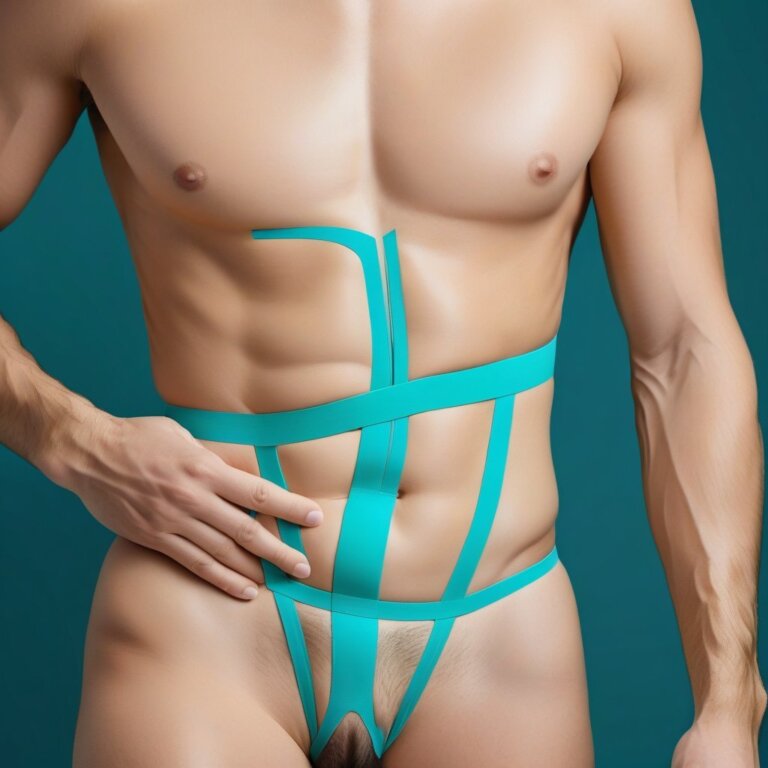
Tutorial: Coordinating Lymph Drainage with Kinesio Taping to Build Scar Resilience