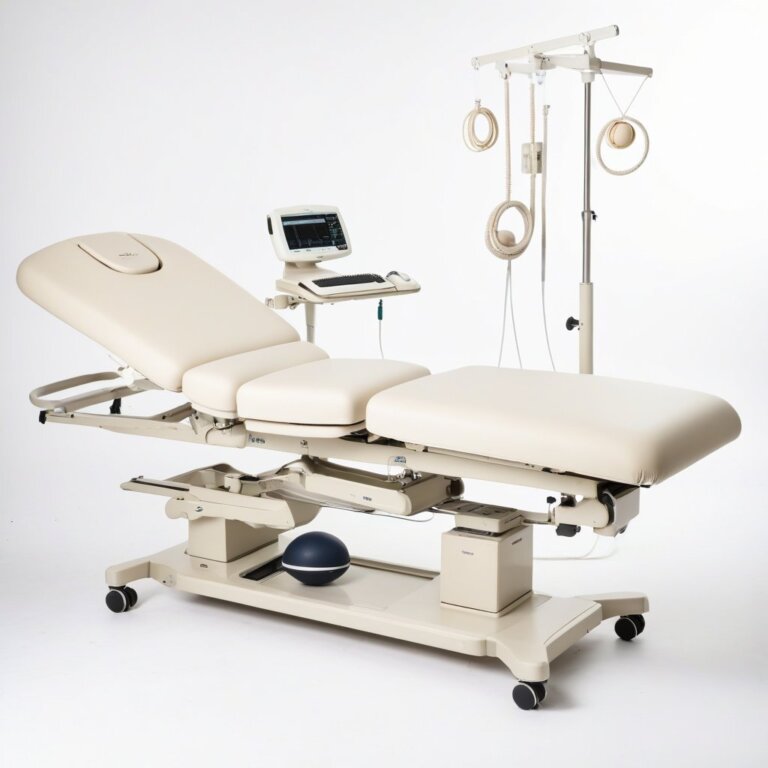

Combining Kinesio Taping with Lymphatic Techniques for Abdominal Edema Reduction offers a practical, non-invasive approach to support post-procedure recovery.
This guide translates clinical concepts into actionable steps you can discuss with your wellness team at Best & Beyond Spa in Massachusetts.
By blending hands-on techniques with carefully chosen taping strategies, you can promote comfort, enhance tissue mobility, and support lymphatic flow in everyday recovery routines.
Our approach blends expertise from therapeutic massage and advanced aesthetics to help you feel steadier and more relaxed as you move forward after a procedure.
What Combining Kinesio Taping with Lymphatic Techniques for Abdominal Edema Reduction Brings to Post-Procedure Recovery
At its core, Combining Kinesio Taping with Lymphatic Techniques for Abdominal Edema Reduction integrates two gentle modalities to address swelling and tissue heaviness that often follow a procedure.
The Kinesio taping aspect provides supportive proprioception and helps muscle alignment, while lymphatic techniques aim to stimulate fluid drainage and reduce stagnant edema.
This combination is particularly appealing for those seeking a holistic recovery experience that respects rest, pain management, and gradual activity resumption.
In practice, clients frequently report a greater sense of comfort after sessions that emphasize skin-friendly taping and mindful breathing patterns coordinated with the practitioner’s hands-on techniques.
For individuals preparing for a recovery period, the approach can be adapted to fit individual tolerance and activity levels.
At Best & Beyond Spa, we see how a personalized plan—built from years of massage and postural analysis—can help you stay engaged in light movement while addressing edema.
In Massachusetts, our team emphasizes client education and safe application to minimize skin irritation and maximize comfort during wear-time.
The result is a practical pathway to regain a sense of ease as you resume daily activities.
Lymphatic Drainage Sequencing is a concept we frequently discuss with clients who are new to this combined approach.
In short, sequencing refers to the order and cadence of manual lymph approaches paired with taping to optimize fluid movement and tissue responsiveness.
We’ve found that when the sequence respects your body’s natural rhythms, the experience feels more ecologically harmonious and less fatiguing.
This sequencing principle informs both the in-session flow and any guidance provided for home practice.
In this guide you’ll discover practical steps, safety considerations, and real-world insights that reflect our professional philosophy: treat the whole person, not just the swelling.
The aim is to help you feel steadier, calmer, and better able to participate in your rehabilitation plan.
The following sections lay out actionable strategies you can adapt with your care team and at-home routines, always anchored in a calm, evidence-informed approach.
5 Practical Steps for Implementing Combining Kinesio Taping with Lymphatic Techniques for Abdominal Edema Reduction
Step 1: Prepare the body and skin for a comfortable session
Before applying any technique, ensure the skin is clean, dry, and free of lotions or oils.
A gentle warming routine can help increase tissue pliability and prepare the body for below-skin work.
In our sessions, we often begin with a brief relaxation cue and a guided breath practice to reduce anxiety and promote diaphragmatic breathing.
This initial step supports the larger goal of edema reduction through improved lymphatic rhythm.
Key practices in this phase include: gentle skin assessment, positioning that respects comfort, and clear communication about sensations.
We emphasize protective taping readiness and ensuring the client understands how long to wear the tape and when to remove it.
By starting with a solid base, you set the tone for a focused, mindful recovery session.
- Check for skin sensitivities and avoid areas with abrasions or rashes
- Position the client to minimize swelling in the abdominal region
- Explain the purpose of the tape and lymphatic techniques in straightforward terms
Step 2: Apply Kinesio Taping with care for lymphatic support
The taping pattern typically aims to support the natural drainage pathways while not restricting movement.
When applied with attention to directionality and tension, the tape can help maintain a light, lifted effect that reduces gravity-dependent swelling.
In practice, we use skin-friendly adhesives and lightweight tension to ensure comfort during wear-time.
Consider a trial period to observe how long you tolerate the tape and whether any itching or irritation occurs, adjusting as needed.
During application, the practitioner remains mindful of your skin integrity and comfort level.
We train our team to communicate any changes in sensation and to adjust tension or segment placement if you notice discomfort.
The result should feel like a gentle assist rather than a constraint, aligning with a non-invasive recovery approach.
- Use a breathable, hypoallergenic tape to minimize skin irritation
- Apply with minimal to moderate stretch to avoid skin pulling
- Document areas taped and any skin reactions for follow-up
Step 3: Implement lymphatic techniques in a logical sequence
Manual lymphatic techniques focus on clearing fluid buildup and encouraging a smooth lymph flow.
In the context of abdominal edema, light, rhythmic strokes directed toward regional lymph nodes can support drainage without stressing the tissue.
We emphasize a gentle touch and a paced tempo that respects your energy level.
The goal is not to force results but to invite your body’s natural recovery mechanisms to engage more effectively.
From a practitioner’s perspective, it’s helpful to pair these techniques with breathing cues and comfortable positioning.
This synergy often yields a sense of relief that can be both immediate and cumulative over a series of sessions.
The collaborative approach—between taping and manual work—tends to produce a more predictable edema reduction pattern over time.
- Use light, rhythmic strokes toward regional lymph nodes
- Coordinate breathing to deepen the relaxation response
- Monitor for skin pallor or dizziness and adjust intensity accordingly
Step 4: Monitor response and adjust the plan
Every body responds differently.
The monitoring phase is essential to ensure your plan remains effective and comfortable.
We track changes in sensation, swelling levels, and overall mood after each session.
If edema persists or shifts, we may adjust taping patterns, contact time, or lymphatic sequencing to align with your evolving needs.
This adaptive approach helps maintain momentum without sacrificing safety.
Regular feedback from you guides the plan.
A well-balanced routine often includes a mix of in-session techniques and gentle home-care practices that fit your lifestyle.
The aim is to sustain a steady, progressive reduction in edema while preserving energy for daily activities.
- Record swelling changes and any changes in comfort level
- Adjust taping patterns based on skin response and edema progression
- Integrate home-care breathing and light movement as advised
Step 5: Plan for ongoing support and home maintenance
Long-term success relies on continuity between in-clinic sessions and at-home routines.
We provide practical guidance on how to continue gentle lymphatic practices and consider taping as a temporary aid during the most active recovery phases.
The goal is to empower you with a simple, sustainable routine that respects your pace and energy levels.
A well-designed home plan tends to reinforce the gains achieved during in-clinic sessions and helps maintain comfort and mobility over time.
Our team often uses a framework that includes low-impact movement, mindful breathing, and appropriately timed taping rechecks so you stay on track.
This approach makes it easier to sustain edema reduction without overwhelming your system.
- Establish a weekly check-in to reassess edema levels
- Incorporate gentle mobility like walking and light stretching as advised
- Use taping for short periods if needed, with clear removal guidelines
Evidence, Trends, and Practical Realities in 2026
As of May 2026, industry perspectives emphasize a growing interest in non-invasive approaches to edema management, especially in post-procedure recovery contexts. Clinical observations from wellness centers and rehabilitation-focused providers show an increasing demand for methods that combine tactile techniques with supportive aids like taping.
This trend aligns with a broader shift toward holistic, patient-centered care that respects comfort, safety, and gradual progress.
In our Massachusetts practice, clients frequently report that this combined approach helps them feel more connected to their bodies and better prepared to engage in light activity without triggering excessive swelling.
Experts in the field note several practical benefits of this combination: improved regional tissue mobility, more balanced fluid dynamics, and a calmer nervous system response during recovery.
While individual results vary, the overall pattern supports a careful, patient-led framework.
In our clinic, we integrate patient education on signs to watch for and when to seek further assessment, ensuring you stay informed and supported throughout the recovery journey.
In addition to anecdotal experience, recent discussions within wellness networks highlight that Lymphatic Drainage Sequencing can enhance the effectiveness of non-invasive techniques like Kinesio Taping when applied with mindfulness and care.
As always, results hinge on personalized assessment and ongoing communication between you and your care team.
We aim to offer a balanced blend of evidence-informed practice, hands-on expertise, and compassionate care that reflects the best of our Massachusetts-based practice.
Safety, Limitations, and Realistic Expectations
While Combining Kinesio Taping with Lymphatic Techniques for Abdominal Edema Reduction can be a valuable component of post-procedure recovery, it is not a one-size-fits-all solution.
If there is skin sensitivity, a history of dermatitis, or any signs of adverse reaction, it’s crucial to pause and reassess.
Always consult your care team before starting any new self-care routine, especially if you have underlying health considerations or are currently navigating a complex recovery timeline.
Our philosophy is to empower you with safe, practical steps that respect your pace and preferences.
We emphasize transparent communication about expectations.
While many clients experience improved comfort and less swelling after a sequence of sessions, individual results depend on many factors, including activity level, sleep quality, hydration, and prior conditioning.
It’s natural for progress to occur gradually, with occasional plateaus followed by renewed momentum as you integrate the practices into daily life.
- Skin sensitivity and tape compatibility should be reviewed
- Avoid applying tape over irritated or open skin areas
- Discontinue use if redness, itching, or burning persists beyond a brief adjustment period
Case Scenarios: How Real Clients Benefit from a Thoughtful Combination
Case Scenario A: Post-procedure comfort and mobility
Jane, a client in her late 40s, explored Combining Kinesio Taping with Lymphatic Techniques for Abdominal Edema Reduction after a light procedure.
She reported noticeable relief in abdominal heaviness and improved ability to perform daily activities after two sessions.
The approach helped her move with less effort, supporting a smoother transition back to work.
Her experience illustrates how a careful blend of taping and lymphatic work can complement rest and gradual activity.
In Jane’s plan, we included two key elements: taping to support abdominal contours and gentle lymphatic techniques to facilitate drainage, all paired with daily breathing practice.
The result was a more balanced recovery trajectory with a sustained sense of comfort and confidence in movement.
This is a representative example of how a well-structured plan can deliver meaningful benefits without overwhelming the system.
Case Scenario B: Skin considerations and adaptive techniques
Michael, a 60-year-old client with sensitive skin, benefited from a tailored approach that prioritized tape materials and light contact.
He was able to experience edema reduction without skin irritation by using hypoallergenic tape and shorter wear times.
This case demonstrates the importance of individualized planning and careful monitoring to ensure comfort remains central to the recovery process.
It also shows how adjustments to the lymphatic sequencing and taping placement can maintain progress without compromising skin health.
Case Scenario C: Home-care integration for sustained gains
A university lecturer in his 50s used the home-care recommendations to sustain improvements between sessions.
His plan blended brief breathing routines, light at-home movement, and guided taping check-ins.
Over several weeks, he reported less edema-related heaviness and a more predictable daily energy level.
This scenario highlights how a well-structured home program can reinforce in-spa benefits and help you stay engaged with your recovery goals.
Practical Considerations for Choosing a Provider and Creating Your Recovery Plan
Choosing the right provider is a crucial step in achieving meaningful results with Combining Kinesio Taping with Lymphatic Techniques for Abdominal Edema Reduction.
Seek a practitioner who demonstrates empathetic communication, a clear assessment process, and a thoughtful plan tailored to your needs.
In Massachusetts, Best & Beyond Spa offers a holistic approach that blends massage therapy with advanced aesthetic care, led by a team that understands the nuances of post-procedure recovery and client comfort.
Ask about the practitioner’s experience with lymphatic techniques, taping materials, and the sequencing approach used during sessions.
A well-informed provider will describe the steps, expected sensations, and timing for wear-time clearly, encouraging questions and ongoing feedback.
A collaborative plan that honors your pace is essential for sustainable progress and a positive recovery experience.
- Ask about tape materials, skin compatibility, and wear-time guidelines
- Inquire about the sequencing method and how it adapts to your comfort
- Request a written home-care plan to continue gains between sessions
Lymphatic Drainage Sequencing: A Focused Look at the Specific Approach
Understanding Lymphatic Drainage Sequencing helps demystify how this approach supports edema reduction when paired with taping.
The concept centers on the deliberate order of manual techniques to optimize the movement of lymph fluid toward lymph nodes and away from swelling-prone areas.
When used thoughtfully, sequencing can enhance tissue recovery, reduce stagnation, and improve overall comfort during the healing phase after a procedure.
In our practice, sequencing is guided by patient feedback and objective observations, such as changes in abdominal contour and perceived heaviness.
We adjust the sequence to align with your body’s signals, ensuring the experience remains gentle and stress-free.
The sequencing approach also informs how we educate you about home-care practices so you can continue to support drainage on days between sessions.
Key takeaways about Lymphatic Drainage Sequencing: it’s a structured, responsive, and patient-centered pathway that complements non-invasive taping methods.
When applied with care, it helps you feel more in control of recovery while maintaining a calm, restorative atmosphere during your journey back to normal activities.
Putting It All Together: A Practical Plan for May 2026 in Massachusetts
In a typical session plan, you might begin with a light relaxation protocol, followed by carefully placed Kinesio tape to support the abdomen and assist drainage.
Then, our team would apply gentle lymphatic techniques in a tactful sequence to encourage flow, all while monitoring skin response and comfort.
We often conclude with guidance for safe, at-home practices that reinforce the gains achieved in-session, ensuring you can sustain the edema-reducing benefits without overtaxing your system.
In practice, this integrated approach is a collaborative effort.
The client, the taping, and the lymphatic work each contribute to a calming, effective recovery experience.
By combining these elements thoughtfully, you can experience a smoother transition as you reintroduce daily activities, exercise, and gentle movement.
The approach is centered on your comfort, safety, and long-term well-being, which are the core values of Best & Beyond Spa.
Next Steps: How to Move Forward with Confidence
If you’re considering Combining Kinesio Taping with Lymphatic Techniques for Abdominal Edema Reduction as part of your recovery plan, start by scheduling a no-pressure consultation with our Massachusetts team.
We will listen to your goals, review any skin considerations, and map out a personalized sequence that honors your pace and energy levels.
Our approach emphasizes education and collaboration, so you’ll leave with a clear understanding of what to expect and how to care for yourself between sessions.
Ultimately, the best outcomes come from a thoughtful, human-centered approach, guided by skilled hands and a calm, nurturing environment.
If you’re preparing for a post-procedure recovery and want a trusted, experienced partner in wellness, Best & Beyond Spa invites you to explore how this integrated approach can support your journey toward comfort, mobility, and renewed confidence in your daily life.
To learn more about how we can tailor this plan to your needs, contact our team in Woburn, MA.
We’re here to listen, guide, and support you with a compassionate, expert touch that reflects our commitment to your well-being.
Practical Checklists and Quick Guidance
- Consult with a qualified practitioner before starting any new recovery routine
- Ask about tape material, wear-time, and skin safety considerations
- Follow a structured lymphatic sequencing plan and track changes over time
- Adopt a gentle home-care routine that includes breathing and light movement
- Maintain open communication with your care team about any symptoms
- Ensure sessions balance rest and activity to avoid overloading the system
- Schedule regular follow-ups to review progress and adjust the plan
In closing, Combining Kinesio Taping with Lymphatic Techniques for Abdominal Edema Reduction represents a thoughtful, patient-centered approach to post-procedure recovery.
Our Massachusetts-based team at Best & Beyond Spa combines clinical insight with compassionate care to help you move forward with confidence, comfort, and a sense of control over your healing process.
We welcome you to experience the calm, expert care that defines our wellness destination.
Ready to explore how this integrated approach can support your recovery? Contact Best & Beyond Spa in Woburn, MA to start your personalized plan today.
Frequently Asked Questions
What is the concept behind combining kinesio taping with lymphatic techniques for abdominal edema reduction?
This approach merges two gentle modalities to address post-procedure swelling and tissue heaviness. Kinesio taping provides proprioceptive support and helps with muscle alignment, while lymphatic techniques promote drainage of excess fluid. Together, they aim to improve comfort and support a smoother abdominal edema reduction.
Is combining kinesio taping with lymphatic techniques appropriate for post-procedure recovery?
Yes — when guided by a trained clinician, it offers a non-invasive option to support swelling reduction and comfort during post-procedure recovery. The plan is customized to your tolerance and activity level, often including careful taping and hands-on lymphatic work. In Massachusetts, clinics like Best & Beyond Spa tailor these sessions for safety and effectiveness.
When should someone start or avoid this method after a procedure?
Start after your medical team clears you for light activity. The approach is not a substitute for medical treatment, and you should monitor skin for irritation and remove tape if irritation occurs. Your wellness team will guide when and how long to wear the tape during recovery.
How does kinesio taping help with lymphatic drainage and abdominal edema?
Kinesio tape supports soft tissues and can assist lymph flow when used with manual lymphatic techniques. This pairing can enhance drainage and reduce stagnation that contributes to abdominal edema. The result is a more comfortable recovery with less heaviness.
What does a typical session look like at a spa offering this approach?
A typical session blends hands-on techniques with skin-friendly tape application, tailored to your abdomen’s edema pattern and tolerance. The plan often includes mindful breathing and light movement instructions to support fluid drainage while you rest. At Best & Beyond Spa in Massachusetts, sessions emphasize comfort, education, and gradual activity resumption.
Are there risks or limitations I should know about?
Most clients tolerate kinesio taping and lymphatic techniques well. Mild skin irritation or sensitivity can occur, so proper skin preparation and appropriate wear-time are important. Stop using the tape and consult your clinician if you notice persistent redness, itching, or blistering.
How long do the effects last, and how can I maintain improvements at home?
Duration varies by individual, activity level, and adherence to home care. Ongoing light movement, hydration, and recommended follow-up sessions help maintain improvements. While tape supports recovery, long-term results depend on a holistic recovery plan.
Can this approach be tailored to different body types or tolerance levels?
Yes. Clinicians assess posture, tissue tolerance, and edema patterns to customize tape placement and techniques. The plan evolves with progress, ensuring ongoing comfort and effective edema management. This personalization is a hallmark of the approach at Best & Beyond Spa.

At Best and Beyond Spa, Day and Davilla are dedicated professionals passionate about wellness and beauty. With expertise in spa day treatments, couples massages, and senior wellness, they provide high-quality, personalized care in a relaxing environment. Their mission is to help clients feel rejuvenated, refreshed, and truly cared for.
Related Posts

Lymph Drainage Timing vs. Tissue Mobilization: Which Drives Better Abdominal Scar Mobility? Guide
Implementing Lymphatic Drainage with Manual Techniques in the First Postoperative Week