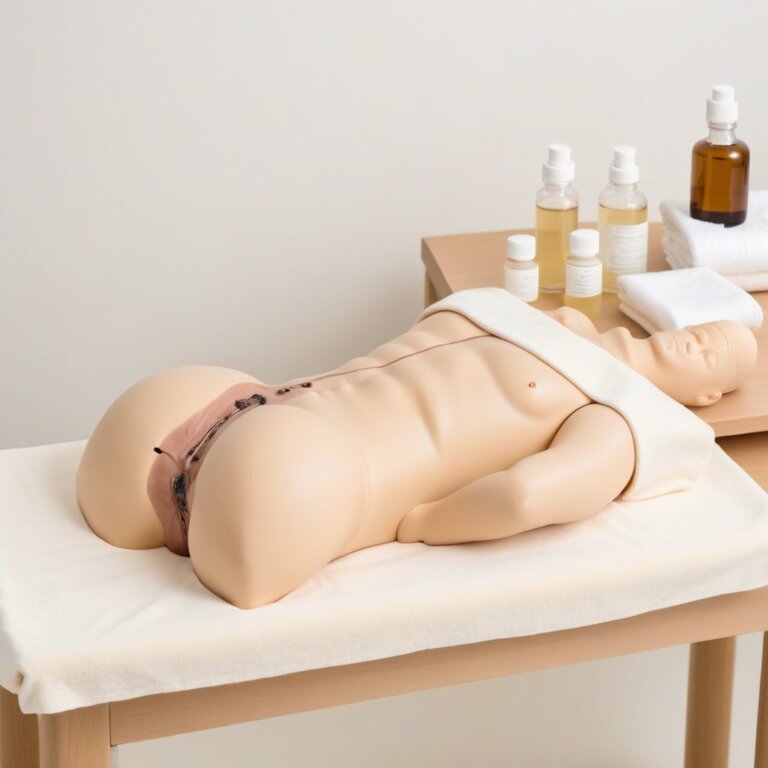
Optimizing Lymphatic Drainage for Immediate Abdominal Recovery: A Stepwise Guide is a practical pathway designed to support comfort and mobility in the days following a procedural recovery.
This guide blends evidence-informed practices with the soothing, clinician-inspired touch you’ll find at Best & Beyond Spa in Massachusetts.
Designed for people who have undergone a recent procedure or anticipate one, the steps below focus on gentle techniques, natural rhythms, and mindful routines that help manage swelling, promote circulation, and restore a sense of ease.
Our team, led by Davilla—whose background spans massage therapy, physiotherapy, and advanced aesthetics—integrates clinical insights with spa-level care to create a warm, effective experience.
Whether you’re preparing for a procedure, healing at home, or returning to daily activities, these steps offer a clear, compassionate framework that respects your body’s pace and your personal comfort.
In this guide, you’ll discover practical strategies you can implement safely, with a focus on gentle touch, breathing techniques, and posture awareness.
You’ll also find real-world tips drawn from our Massachusetts practice, where clients appreciate the calm, botanically clean environment and the expertise of our bilingual team.
By integrating simple practices into your daily routine, you can enhance your body’s natural lymphatic flow and support a smoother, more comfortable recovery process.
Foundations: Why lymphatic drainage helps after a procedural recovery
Understanding the foundations of lymphatic drainage helps you approach post-procedural care with confidence.
The lymphatic system plays a critical role in removing excess fluid, waste, and inflammatory byproducts from tissues.
After a procedure, temporary swelling and tissue tension can slow down movement and comfort.
Gentle lymphatic techniques—when performed with proper alignment and care—can support lymph flow, reduce edema, and promote felt relief.
While each person’s pace is unique, many clients report noticeable improvements in swelling and tenderness when these principles are applied consistently.
What makes this approach practical is its emphasis on safe, non-invasive steps you can perform yourself or with guided support from a trained therapist.
In our Massachusetts studio, we’ve seen how these techniques pair beautifully with relaxation and breathwork to create an overall sense of restoration.
The aim is not a dramatic change overnight but a steady, sustainable improvement in comfort and mobility.
In practice, this means focusing on soft touch, deliberate diaphragmatic breathing, and deliberate gentle movements that help the abdomen settle.
You’ll notice that small adjustments in posture, environment, and routine can yield meaningful relief over the first days after a procedure.
- Swelling management through light, directional strokes that respect tissue sensitivity
- Breath-driven guidance to encourage diaphragmatic expansion and lymph movement
- Posture alignment that supports abdominal comfort during daily activities
Key concepts to implement early
Begin with an awareness of your body’s signals.
If something feels uncomfortable, ease back and slow the pace.
The goal is comfort, not intensity.
The most reliable gains come from consistency, gentle repetition, and listening to your body.
In our practice, clients often find that pairing self-massage routines with mindful breathing yields a synergistic effect—facilitating both physical drainage and mental relaxation.
This combination helps prepare your body for the next steps in recovery and supports ongoing mobility.
Step 1: Gentle preparations before a session
Before any guided technique, set the stage for a calm, effective experience.
Proper preparation helps ensure that lymphatic drainage sequencing is protective, comfortable, and effective.
This step is about preparing your body, environment, and mindset for a restorative session—whether you’re at home or visiting our Massachusetts spa for a professional session.
Hydration and diaphragmatic breathing
Hydration supports lymph fluid to move smoothly through tissues.
Pair water intake with diaphragmatic breathing to encourage slow, controlled breaths that facilitate diaphragmatic movement and abdominal expansion.
A simple routine: inhale through the nose for four counts, hold for two, exhale through the mouth for six, and repeat for several cycles.
This rhythm can help your abdomen relax and may reduce perceived heaviness.
Practice this breathing while seated or lying down, especially after periods of stillness.
The combination of calm breath and gentle pressure can feel comforting and grounding while you assess your tissue response to light touch.
- Keep a bottle of water nearby for easy hydration throughout the day
- Schedule short breathing sessions after meals to support digestion and drainage
- Use a comfortable chair or bed with supportive posture to facilitate relaxed breathing
Comfort, clothing, and skin preparation
Choose soft, breathable fabrics and loose-fitting garments that do not compress the abdomen.
Clear skin contact helps your practitioner or yourself perform gentle strokes with sense and sensitivity.
If you’re using any topical products, select those that are botanical, hypoallergenic, and fragrance-free to reduce irritation.
For home use, consider a warm compress on the abdomen for a few minutes to relax superficial muscles before any self-guided techniques.
Always test a small skin patch to ensure you don’t react to a product.
These preparations set the stage for a safe, effective sequence of techniques later in the guide.
Step 2: Sequencing techniques for maximum drainage
Sequencing—placing specific techniques in a deliberate order—helps guide lymph flow toward natural pathways.
In our practice, we emphasize that gentle touch and body positioning work together with breathing to encourage drainage without overstimulation.
The goal is a steady, comfortable progression that respects your body’s signals.
Optimizing Lymphatic Drainage for Immediate Abdominal Recovery: A Stepwise Guide — Practical Sequencing
In this section, we outline a safe, repeatable sequence designed for the abdominal area after a procedure.
Remember: if any step causes discomfort, pause, and adjust the intensity or duration.
The practice is about consistency and listening to your body.
The sequence begins with gentle surface techniques that promote superficial lymph flow, followed by deeper, light-guided strokes that move toward regional lymph nodes.
This progression supports the natural drainage channels and helps reduce tissue edema.
Lymphatic Drainage Sequencing
Begin with light, broad effleurage strokes along the abdomen to acclimate the skin and superficial tissues.
Gradually advance to gentle directional moves that follow natural lymph pathways.
End with soothing, long strokes that promote relaxation and a sense of relief.
- Effleurage along the lower abdomen from the sides toward the center
- Light, clockwise motions around the navel area, continuing outward with even pressure
- Long, slow strokes toward the groin and up toward the chest to encourage drainage toward regional nodes
Throughout the sequence, maintain a slow tempo and comfortable contact.
Use a light touch that respects tissue sensitivity and avoids any pain or sharp sensations.
If you’re doing this at home, a trained partner or a licensed therapist can guide you to ensure safe technique.
Step 3: Home practices and self-paced routines
Home practice reinforces professional guidance and accelerates comfort.
A daily routine that blends self-massage, breathing, and gentle movement helps sustain lymph flow and tissue flexibility.
The aim is to create predictable, low-stress patterns that you can repeat regardless of your schedule.
Self-massage routines for ongoing support
Incorporate 5–10 minutes of self-massage each day, focusing on the abdomen, hips, and lower back to support drainage.
Use light pressure and keep movements slow.
As you become more comfortable, you can extend the duration modestly while maintaining a soft touch.
These self-care sessions complement professional treatments in our Massachusetts studio and help you maintain progress between visits.
- Light, circular motions around the lower abdomen
- Gentle sweeping strokes from the sides toward the center
- A brief finish with calm, long strokes along the torso to promote relaxation
Breathing and posture in daily life
Posture and breathing influence lymphatic flow beyond a formal session.
Practice upright but relaxed posture during daily activities, with shoulders back and abdomen supported.
Pair this with steady diaphragmatic breathing to maintain a calm, efficient lymphatic rhythm.
During long periods of sitting, take short breaks every 30–60 minutes to refresh posture and perform a few minutes of breathing and light abdominal drape adjustments.
Step 4: Lifestyle support for ongoing recovery
Recovery is a holistic process.
Beyond manual techniques, certain lifestyle choices support ongoing drainage, reduce inflammation, and promote a more comfortable recovery.
In Massachusetts, our clients appreciate how thoughtfully chosen habits—paired with expert guidance—enhance outcomes and overall wellbeing.
Movement, sleep, and daily rhythm
Gentle movement—such as short walks or light stretching—stimulates lymphatic flow without stressing the abdomen.
Adequate sleep supports tissue repair and hormonal balance, contributing to better drainage and tissue tolerance.
Establish a consistent daily rhythm that prioritizes rest and light activity.
To help with sleep, consider a slightly elevated position for the upper body to reduce abdominal pressure.
A small pillow behind the knees can also ease tension and support more restful nights.
Nutrition and hydration strategies
Hydration remains foundational, but you can also adjust your diet to minimize inflammatory triggers and support tissue healing.
Emphasize hydration with water and electrolyte-rich beverages as needed.
Choose whole foods rich in antioxidants and natural anti-inflammatory compounds while limiting highly processed foods in the first days after a procedure.
At Best & Beyond Spa, we often discuss how certain foods and hydration patterns can influence tissue comfort and drainage.
Collaborating with your medical or nutrition team ensures you align your choices with your personal needs.
- Hydration schedule aligned with activity and rest periods
- Balanced meals emphasizing fiber, lean protein, and colorful vegetables
- Moderation of highly processed foods and added sugars during early recovery
Step 5: Common pitfalls and how to avoid them
Avoiding common missteps helps protect your comfort and maximize progress.
Below are practical reminders drawn from our experience with clients recovering in Massachusetts.
Pitfall: Too much pressure too soon
Overloading the abdomen with intense pressure or rapid movements can cause irritation.
The remedy is to slow down, lower the pressure, and prioritize the sensation of ease over the duration or intensity of each stroke.
Professional insight: If you’re uncertain about pressure, seek guidance from a qualified therapist who can tailor the sequence to your current tolerance.
- Begin with very light touch and gradual progression
- Check in with your body for any warning signals
- Respect tissue sensitivity and avoid any sharp pain
Pitfall: Inconsistent routine
Skipping days or performing techniques irregularly reduces the cumulative benefits.
Establish a simple, daily practice that fits your schedule.
Even 5–10 minutes can make a difference when performed consistently.
Real-world tip: Schedule a fixed time in your day, and pair it with a habitual cue like waking up or winding down for the evening.
- Set a realistic daily target
- Keep reminders visible and accessible
- Adjust duration upward only when comfortable
Case studies and real-world insights from Best & Beyond Spa
Hearing about patient experiences helps translate theory into practical action.
In our Massachusetts studio, Davilla’s approach combines clinical insight with spa-level care to foster a calm, effective recovery environment.
The following vignettes illustrate how the stepwise approach translates into everyday outcomes.
Case study: A week of steady progress
A client recovering from a recent procedural intervention reported reduced abdominal tenderness and a noticeable decrease in swelling after following the first three steps of the guide.
With gentle lymphatic sequencing and home routines, they felt more able to resume light activity within days rather than weeks.
Through ongoing collaboration with our team, they established a sustainable rhythm of breathing, hydration, and light movement, supported by two in-spa sessions and daily home practice.
The experience underscored how patient-centered care and precise sequencing can contribute to improved daily function.
Case study: Integrating spa sessions with home practice
Another client, living near our Woburn, MA location, combined weekly spa sessions with at-home routines.
The result was a consistent pattern of improved tissue comfort and mobility.
The combination of expert guidance and convenient, botanical products helped maintain tissue calm and supported gradual advancement back to regular activities.
In these scenarios, the focus on client-centered coaching and professional massage therapy created a reliable framework for recovery.
Our team emphasizes that recovery is a personalized journey, with the spa providing a steady, calm environment to support your goals.
Practical takeaways: turning knowledge into daily practice
Beyond theory, the real value lies in your daily actions.
You can apply the core ideas of Optimizing Lymphatic Drainage for Immediate Abdominal Recovery: A Stepwise Guide by turning them into small, consistent habits.
The aim is to nurture a sense of comfort, improve mobility, and support your body’s natural healing rhythms.
What to incorporate this week
Start with a 10-minute routine each day that combines self-massage with diaphragmatic breathing and gentle movement.
Track how your body responds and adjust intensity to stay within a comfortable range.
This simple practice can set the tone for a steady recovery trajectory.
At Best & Beyond Spa, we’re committed to helping you feel confident and cared for as you progress.
If you’d like guidance tailored to your unique needs, our bilingual team in Massachusetts is ready to assist.
- Daily 10-minute abdomen-focused routine
- Breathing practice integrated with light movements
- Comfort-centric adjustments to posture for long-term relief
Next steps: how to engage with Best & Beyond Spa
Our mission is to provide a peaceful, professional environment where you can recharge, heal, and restore your natural balance.
If you’re seeking a trusted wellness destination in Massachusetts, consider how our team’s expertise in relaxation therapy, body care, and aesthetic rejuvenation can support your recovery journey.
Whether you’re preparing for a procedural recovery, managing ongoing swelling, or simply seeking ways to improve abdominal comfort, our approach offers a compassionate, practical path forward.
The combination of clean, vegan, botanical products, gentle massage techniques, and a solemn commitment to patient wellbeing makes Best & Beyond Spa a thoughtful choice for continuum care in the region.
To explore how our experienced team can support your recovery, we invite you to schedule a visit to Best & Beyond Spa in Massachusetts and experience the calm, expert guidance that many clients have come to trust.
Próximos passos estratégicos
Optimizing Lymphatic Drainage for Immediate Abdominal Recovery: A Stepwise Guide provides a practical framework you can adapt to your routine.
By combining professional guidance with daily self-care, you lay a foundation for improved comfort and mobility during your recovery journey.
Engaging with our Massachusetts team ensures that you receive thoughtful, personalized care designed to support your pace and preferences.
Ready to experience the benefits of expert lymphatic-focused care in a tranquil, restorative setting? Schedule a visit at Best & Beyond Spa to begin a tailored plan that respects your unique recovery needs and helps you feel your best.
Frequently Asked Questions
What is lymphatic drainage and why is it beneficial after an abdominal procedure?
Lymphatic drainage is a gentle technique that helps move excess fluid and waste from tissues. After an abdominal procedure, it can reduce swelling, ease muscle tension, and support a more comfortable, quicker recovery when performed with proper alignment and care.
When should I start using techniques from the Optimizing Lymphatic Drainage for Immediate Abdominal Recovery: A Stepwise Guide?
Begin only after your clinician approves it and you’ve healed enough to tolerate light touch. The stepwise guide emphasizes gentle, gradual lymphatic techniques suitable for early recovery; stop if you experience increased pain, fever, or wound issues and consult your care team.
What core techniques are included in this stepwise guide for abdominal recovery?
Expect light, skin-safe strokes aligned with natural lymph pathways, paired with breathing and posture awareness. The approach blends gentle touch, mindful rhythm, and simple routines designed to support lymph flow without stressing the healing tissues.
How do breathing exercises support lymphatic drainage and swelling relief?
Diaphragmatic, slow breaths help create rhythmic pressure changes that encourage lymph movement. Practice in a relaxed position, exhale fully and avoid breath-holding; combine breathing with gentle stretches or short self-massage as directed.
What body positions best support lymph drainage during abdominal recovery?
Start with comfortable supine or supported seated positions that maintain gentle spinal alignment. Avoid slouching or twisting; using pillows for knee support and a neutral pelvis can help, and move slowly between positions as your comfort allows.
Is self-massage safe for lymph drainage at home?
Yes, when performed with light pressure and avoiding the operated area or open wounds. Use clean hands, short strokes along lymph pathways, and stop if you feel sharp pain, swelling worsens, or you’re unsure—consult your clinician if in doubt.
What signs indicate I should stop lymph drainage exercises and seek professional advice?
Seek help if swelling worsens, you notice increasing redness, warmth, fever, or new pain around the treatment area. If you develop wound drainage, or your symptoms don’t improve after a few days, contact your healthcare provider.
How can I integrate lymphatic drainage steps into my daily routine for faster abdominal recovery?
Plan short sessions (5–10 minutes) once or twice daily, pairing gentle touches with breathing and mindful posture. Create a calm, supportive environment if possible, and be consistent—progress comes from steady, gentle practice.

At Best and Beyond Spa, Day and Davilla are dedicated professionals passionate about wellness and beauty. With expertise in spa day treatments, couples massages, and senior wellness, they provide high-quality, personalized care in a relaxing environment. Their mission is to help clients feel rejuvenated, refreshed, and truly cared for.