
Essential Early Mobility Exercises for Abdominal Scar Mobility
Essential Early Mobility Exercises for Abdominal Scar Mobility are a carefully designed sequence of gentle movements that help you regain comfort and range of motion after abdominal surgery.
In this guide, you’ll find practical, evidence-informed strategies that fit into busy days and support healing while honoring your body’s pace.
This approach is grounded in a holistic wellness philosophy you’ll recognize at Best & Beyond Spa, where careful, personalized care meets practical self-care for long-term wellbeing.
What you do in the weeks after surgery can influence scar mobility, core strength, and overall comfort. Early abdominal mobility isn’t about pushing too hard; it’s about reintroducing movement safely—fostering tissue glide, reducing stiffness, and nurturing a sense of confidence in your body again.
By approaching movement with patience and intentionality, you’ll create a foundation that supports daily activities and future healing milestones.
Throughout this guide, you’ll see practical examples, expert tips, and real-world insights drawn from our experience at Best & Beyond Spa in Massachusetts.
We emphasize gentle progress, mindful breathing, and body-aware cues that help you listen to your incision line, your breath, and your energy levels.
This is movement as a healing ally, not a test of endurance.
Practical Routines to Support Essential Early Mobility Exercises for Abdominal Scar Mobility
Essential Early Mobility Exercises for Abdominal Scar Mobility: Step-by-Step Routine
Begin with breathwork to prime your body for movement.
Slow, diaphragmatic breathing helps reset the nervous system and prepare the fascia around the scar for gentle glide.
- Lie on your back with knees bent, feet flat on the floor. Place one hand on your abdomen and the other on your chest. Inhale through the nose, letting the abdomen rise, while the chest stays relatively still. Exhale slowly, allowing the abdomen to soften. Perform 6–8 cycles.
- Strong emphasis on comfort: If you feel pulling at the scar, reduce the depth of your breath or shorten the breath cycle.
Next, introduce pelvic tilts to gently wake the core without stressing the incision.
Focus on a small, controlled movement that emphasizes spinal awareness and surface tissue glide.
- From the same neutral position, tilt the pelvis toward the ribcage to flatten the lower back against the floor. Hold for 3–5 seconds, then release. Repeat 8–12 times.
- Keep the breath steady and distribute effort evenly across the abdomen, avoiding gripping or holding your breath.
Move into light transverse abdominal activation with support from the floor.
This helps restore core engagement while protecting the incision.
- Gently draw the navel in toward the spine without doming the abdomen. Hold for 5 seconds, then release. Progress to 8–10 repetitions as you feel ready.
- Maintain a relaxed neck and jaw; imagine creating a quiet space behind the scar for movement.
Finally, perform scar mobility” friendly” finger slides along the incision line to encourage tissue glide.
Use very light pressure and a steady, exploratory touch.
- Place the pads of your fingers along the incision and sweep in small circles or straight lines from the center outward. Do 1–2 minutes of gentle contact, then rest.
- If tenderness arises, pause and resume later or reduce the duration. Consistency over intensity supports long-term outcomes.
Daily routine integration tip: pair these exercises with a short, 10-minute stretch sequence to help with circulation and edema management.
This combination supports ongoing scar mobility and improves range of motion without provoking discomfort.
In practice, many clients notice gradual improvements in how their clothes fit around the midsection as soreness diminishes and the scar becomes more flexible.
The goal is not perfection but better confidence in daily activities, from dressing to bending to reach for objects.
This approach aligns with the philosophy we cultivate at Best & Beyond Spa: movements that honor the body, are gentle, and build trust between mind and muscle.
Safety, Precautions, and Progression
Essential Early Mobility Exercises for Abdominal Scar Mobility Safety Guidelines
Before you begin any mobility routine after abdominal surgery, confirm your plan with your surgeon or physical therapist.
This is not a substitute for medical guidance, but it helps ensure you’re approaching movement within your personal recovery timeline.
- Start slowly and listen to your body. If a movement causes sharp pain, stop and rest.
- Avoid any resistance that pulls at the scar or causes increased tightness around the incision.
- Keeping the head, neck, and spine in alignment reduces unnecessary strain and supports overall comfort.
To maintain scar mobility while protecting your incision, progress gradually.
Your pace should reflect your body’s signals, not a calendar.
If you experience swelling, redness, or warmth near the scar, slow down and seek professional guidance.
As you advance, you can incorporate subtle progressions, such as increasing the duration of holds by a few seconds or extending the number of cycles by small increments.
The emphasis remains on gentle movements with a focus on breathing, posture, and tissue glide.
When to Pause and Seek Guidance
If you notice persistent pain or new symptoms—especially escalating tenderness around the incision, fever, or drainage—pause mobility work and contact your healthcare provider.
Early safety checks are essential to protect both the incision and the surrounding tissues.
In our practice at Best & Beyond Spa, we emphasize a cautious, patient-centered approach that respects your unique healing trajectory.
Remember that early mobility should feel like a constructive, calming experience.
If you’re unsure about whether to advance a movement, revisit the basics: diaphragmatic breathing, gentle pelvic tilts, and superficial scar stimulation with light touch.
When in doubt, consult your care team for personalized guidance.
Phase-Specific Mobility Across Recovery Stages
Phase-Based Essential Early Mobility Exercises for Abdominal Scar Mobility
Recovery after abdominal surgery typically unfolds in stages.
A phase-based approach helps you tailor movements to the tissues’ readiness, reducing the risk of irritation while promoting tissue adaptability.
- Phase 1 (days 1–14): Focus on breathwork, gentle isolation of the pelvic floor, and light scar contact. Aim for very low intensity and high consistency.
- Phase 2 (weeks 2–4): Introduce light abdominal activation with core engagement and controlled range of motion, still avoiding high strain near the incision.
- Phase 3 (weeks 4–8 and beyond): Gradually expand movement complexity with guided fascia mobilization and low-impact mobility drills that support daily activities.
Throughout these phases, remember to honor your individual recovery trajectory.
The goal is functional restoration and a comfortable, confident sense of mobility that enhances daily life, not an aggressive exercise routine that risks setback.
For individuals who value an integrated wellness approach, combining mobility work with spa services that emphasize relaxation and recovery—while staying within safe boundaries—can be supportive.
Our team at Best & Beyond Spa draws on extensive experience in relaxation therapy and therapeutic massage to help you feel supported as you rebuild your movement repertoire.
Integrating Mobility into Daily Life
Daily Practices to Sustain Essential Early Mobility Exercises for Abdominal Scar Mobility
Movement should feel approachable.
We encourage practical routines that fit naturally into your day, whether you’re at home, work, or traveling.
A few minutes here and there add up, creating meaningful, lasting gains in scar mobility and overall comfort.
- Morning wake-up: a brief diaphragmatic breath sequence followed by the pelvic tilt and a gentle scar glide.
- Desk-friendly micro-movements: seated rib-cage expansion, subtle spinal twists, and ankle circles to support posture and proprioception.
- Evening wind-down: a short diaphragmatic breath session paired with a light stretch to release tension around the abdomen and lower back.
Consistency matters more than intensity.
As you practice, you’ll notice improved range of motion and reduced stiffness around the scar.
This translates into easier daily tasks, from getting dressed to tying shoes, and nourishes a sense of independence as you progress through recovery.
We’ve seen clients at Best & Beyond Spa in Massachusetts experience improved scar mobility and a renewed sense of confidence when they combine movement with restorative therapy—deliberate breathing, calm focus, and a gentle touch for the scar area.
This holistic approach supports both physical and mental well-being during the recovery journey.
Common Mistakes, Troubleshooting, and Getting Help
Common Mistakes to Avoid with Essential Early Mobility Exercises for Abdominal Scar Mobility
Movement should support healing, not hinder it.
Some common missteps include pushing too hard, performing too many repetitions too soon, and neglecting breath.
By staying mindful and patient, you reduce tension around the incision and promote smoother tissue glide.
- Avoid forcing movements beyond comfort; discomfort is a signal to slow down.
- Do not ignore redness, swelling, or warmth around the scar; these may indicate inflammation that needs medical attention.
- Avoid holding breath during exercises; inhaling and exhaling with control helps protect the incision and supports core function.
Incorporate regular check-ins with your surgical team or physical therapist to ensure your program remains appropriate for your stage of healing.
Even with a well-structured plan, individual recovery timelines vary, so adjustments are common and expected.
Troubleshooting and How to Get Expert Help
If you encounter persistent soreness, plateau, or setbacks, consider seeking professional support.
Our team at Best & Beyond Spa offers compassionate, expert guidance that respects the healing process while helping you advance safely.
We emphasize evidence-informed strategies, practical self-care routines, and a patient-centered approach that honors your preferences and lifestyle.
When in doubt, book a guided session with one of our therapists to review form, alignment, and touch-based techniques that promote scar mobility.
A personalized plan can help you address stiff areas, refine breathing patterns, and support ongoing recovery goals.
Next Steps: Start Your Gentle Mobility Journey at Best & Beyond Spa
How Best & Beyond Spa Supports Essential Early Mobility Exercises for Abdominal Scar Mobility
At Best & Beyond Spa in Massachusetts, we blend therapeutic movement with relaxation and rejuvenation.
Our practitioners—led by Davilla, a licensed massage therapist with a physiotherapy background and advanced aesthetics training—bring a holistic perspective to post-surgical mobility.
You’ll find a calm, supportive environment where movement is paired with thoughtful care to foster lasting wellbeing.
We emphasize non-invasive techniques that complement medical care, focusing on gentle activation, tissue glide, and breathing for optimal scar mobility and comfort.
Our team’s philosophy centers on getting you back to daily life with less pain and more confidence in your body’s capabilities.
The Best & Beyond Spa approach blends clinical knowledge with a nurturing, nature-inspired setting to support your recovery journey.
If you’re preparing for surgery or just starting your recovery, consider integrating these mobility practices with a wellness plan that includes relaxation, sleep optimization, and nutrient-rich nourishment.
Our experienced team can help you tailor a pace that respects your incision and supports gradual, consistent progress toward your goals.
Next Steps for a Sustainable Recovery
To continue your journey with Essential Early Mobility Exercises for Abdominal Scar Mobility, commit to a simple schedule: daily breathing and scar-glide routines, plus a few minutes of core activation.
Over time, small, consistent efforts yield meaningful improvements in comfort, function, and confidence.
We invite you to explore the compassionate, expert care available at Best & Beyond Spa, where your recovery is supported by a team that understands the nuances of healing and mobility.
Curiosity and patience are your allies.
By honoring your body’s signals and building a routine that fits your life, you foster durable mobility and well-being.
If you’d like hands-on guidance, reach out to schedule a consultation or a gentle mobility session with our qualified team in Woburn, MA, and begin your journey toward greater everyday freedom.
Remember: Essential Early Mobility Exercises for Abdominal Scar Mobility is about progress you can feel—one careful movement at a time.
Frequently Asked Questions
What are essential early mobility exercises for abdominal scar mobility and why are they important?
Essential early mobility exercises for abdominal scar mobility are a gentle sequence that begins with breathwork and light, pain-free movements to reintroduce tissue glide and reduce stiffness around the incision. They support comfort, confidence, and a gradual restoration of range of motion without pushing too hard. This approach complements your healing plan and fits into busy days.
When is it safe to start early abdominal mobility exercises after abdominal surgery?
Always obtain clearance from your surgeon or clinician before starting. Timing varies by procedure, but many people begin with gentle movements a few days to a couple of weeks after surgery, depending on healing and comfort. Begin with diaphragmatic breathing and tiny, pain-free movements, increasing gradually as tolerated.
How should I breathe during essential early mobility exercises for abdominal scar mobility?
Focus on diaphragmatic breathing. Inhale through the nose to allow the abdomen to rise while the chest stays relatively still, then exhale slowly to let the abdomen fall. This breath pattern helps reset the nervous system and promotes smoother fascia glide around the scar.
What signs indicate I should stop movement and consult a clinician?
Stop and seek medical advice if you experience sharp or increasing incision pain, redness, fever, drainage, or new swelling around the scar. If a movement pulls or worsens your discomfort, pause and consult your clinician. Persistent or worsening symptoms warrant evaluation.
How often and for how long should I perform these abdominal scar mobility exercises in the first weeks?
Aiming for short, daily sessions is best. Start with 5–10 minutes and progress as comfort allows, typically 3–5 times per week in the early weeks. If you feel fatigued or uncomfortable, shorten or skip the session.
Can early mobility work improve scar mobility and overall comfort over time?
Yes. Consistent early mobility can improve scar mobility and overall comfort by promoting tissue glide and reducing stiffness. It supports long-term healing and a more manageable range of motion, though scar appearance is influenced by multiple factors. Regular practice helps you move more freely as you heal.
How can I modify these exercises if I have pain or limited core strength?
If you have pain or limited core strength, modify movements to smaller ranges or perform seated versions to reduce strain. Use supports like a pillow under the abdomen and progress slowly, listening to energy levels. Consider guidance from a physical therapist or post-surgery rehab specialist if needed.
Are these exercises suitable for all abdominal surgeries or are there exceptions?
These exercises are commonly beneficial after many abdominal surgeries, but not every procedure is the same. Always follow your surgeon’s or physical therapist’s guidance, as some conditions may limit or modify the approach. If in doubt, ask before starting.
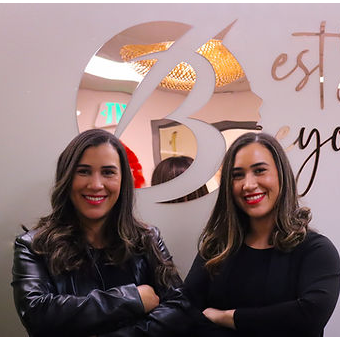
At Best and Beyond Spa, Day and Davilla are dedicated professionals passionate about wellness and beauty. With expertise in spa day treatments, couples massages, and senior wellness, they provide high-quality, personalized care in a relaxing environment. Their mission is to help clients feel rejuvenated, refreshed, and truly cared for.
Related Posts

Guide: Designing a Fibrosis Prevention Plan Based on Surgical Approach
Comparative: Open vs Laparoscopic Abdominal Rehab — Mobility Timing and Fibrosis Risk