Tutorial: Implementing Lymph Drainage and Kinesio Taping for Scar Mobility in Open vs Laparoscopic Procedures is a practical guide designed for anyone navigating scar remodeling after a surgical intervention.
In this guide, you’ll discover how careful lymph drainage practices and targeted kinesio taping can support scar mobility, comfort, and tissue glide.
The approach blends evidence-informed techniques with friendly, professional guidance that fits both home care and clinician-led sessions. Evidence-based insights, scar mobility strategies, and non-invasive approaches come together to help you move more freely as you heal. Open and laparoscopic contexts each present unique challenges, and this guide breaks them down so you can adapt the methods to your situation.
Tutorial: Implementing Lymph Drainage and Kinesio Taping for Scar Mobility in Open vs Laparoscopic Procedures
In this opening section, we set the stage for practical application.
You’ll learn why lymph drainage and Kinesio Taping are paired in scar management and how the body’s lymphatic system supports edema reduction and tissue mobility.
This is not about quick fixes; it’s about building a simple, repeatable routine that respects your healing timeline. Open versus laparoscopic approaches often result in different scar textures and motion patterns, and the techniques described here help you tailor care accordingly.
Tutorial: Implementing Lymph Drainage and Kinesio Taping for Scar Mobility in Open vs Laparoscopic Procedures — Practical Steps
Below is a practical, step-by-step framework you can adapt to clinic sessions or home routines.
The steps emphasize safety, comfort, and gradual progression, with clear cues to pause if you experience any discomfort.
- Step 1: Gentle assessment — Observe skin tension, scar color, and surrounding tissue glide. Note areas where movement is restricted and how edema presents in the first weeks after the procedure.
- Step 2: Gentle lymph drainage — Use light, directional strokes toward regional lymph nodes to encourage lymph flow without provoking discomfort. Consistency matters more than intensity.
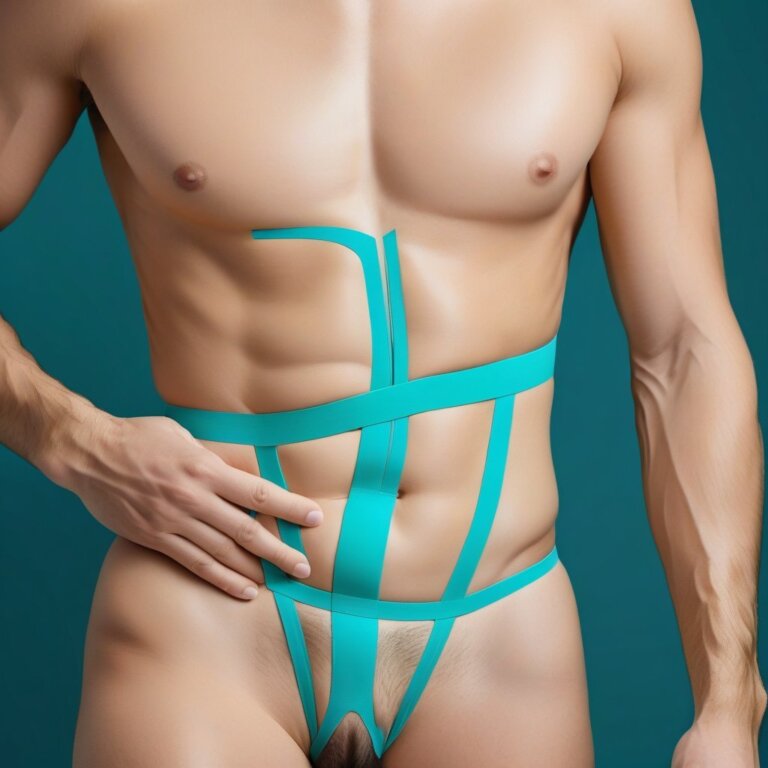
- Step 3: Protective tape placement — Apply kinesio tape with a light-to-moderate tension along the scar, following natural lines of skin movement. Avoid excessive tension that can irritate the skin.
- Step 4: Movement integration — Pair taping with guided, pain-free range of motion to promote tissue glide and minimize adhesions over time.
In practice, you’ll find that consistent, gentle interventions support scar pliability and skin resilience.
This is especially valuable when comparing open vs laparoscopic contexts, where incision patterns and tissue disruption differ. Home-based routines paired with professional oversight often yield the best results over time.
Why Lymph Drainage and Kinesio Taping Matter for Scar Mobility in Open vs Laparoscopic Procedures
The synergy between lymph drainage and kinesio taping is grounded in how the body processes fluid, movement, and skin remodeling after an incision.
In open procedures, the scar tends to be larger and may accumulate more localized edema, which can limit tissue glide.
In contrast, laparoscopic procedures typically create smaller incisions, but the surrounding tissue can still form adhesions that restrict motion if not addressed thoughtfully. Evidence-informed approaches emphasize gentle techniques that support edema reduction, scar pliability, and fascia mobility without overloading the healing tissue.
Key principles for both contexts
Across both contexts, several principles consistently emerge as beneficial. Consistency beats intensity, and patience is essential for meaningful gains. Gentle touch reduces the risk of irritation while promoting tissue glide. Clear communication with your care team ensures movements and taping align with your recovery timeline.
- Systemic benefits include improved lymphatic drainage and reduced tissue edema, which support comfort and mobility.
- Local tissue effects involve improved scar alignment and reduced adhesions, enabling smoother skin movement.
- Holistic wellness is supported when these techniques are combined with proper hydration, nutrition, and rest.
As you consider open vs laparoscopic contexts, note that the planning phase should account for incision location, scar length, and your current range of motion.
The approach described here is designed to be adjusted to your needs while staying within comfortable limits.
Practical Setup: Tools, Safety, and Environment for Scar Mobility Protocols
Setting up for success means choosing the right tools and establishing a safe, comfortable environment.
This section outlines practical considerations that support consistent practice, whether you’re working with a clinician or performing at home. Open context requires attention to larger scar areas, while laparoscopic contexts focus on precision around smaller incisions.
The goal is to support mobility without compromising skin integrity.
Equipment and setup
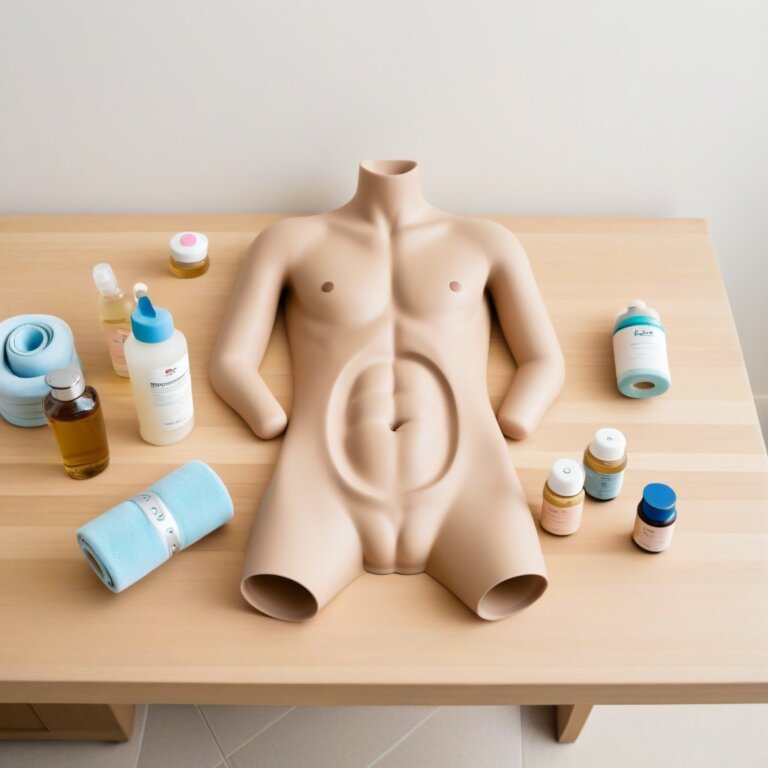
Begin with a lightweight, breathable tape designed for skin contact and a mild cleanser to prepare the skin.
Have a clean workspace, a mirror for self-check, and a timer to structure sessions. Hygiene and skin integrity are non-negotiable for comfortable, repeatable sessions.
- Skin-safe tape with adjustable tension
- Non-alcohol-based cleanser to minimize irritation
- Soft applicator for tape placement
- Moisturizer or barrier cream (as advised by your clinician)
Safety and skin health
Skin protection is vital.
Start with a patch test if you’re using a new tape formulation, and discontinue use if redness, itching, or burning occurs.
Monitor for signs of infection around the incision site, and avoid applying tape over raw wounds or open areas. Skin health and tape safety are foundational to lasting results.
- Avoid placing tape directly on open wounds
- Limit sessions if you notice skin irritation
- Consult a clinician if edema worsens or redness increases
Clinical Insights and Recent Trends for 2026
In 2026, the wellness and rehabilitation community continues to explore how non-invasive techniques support tissue remodeling and scar function.
Recent studies and expert reviews indicate that structured lymph drainage and kinesio taping can be part of a broader scar mobility strategy, particularly when personalized to open vs laparoscopic contexts.
While individual results vary, practitioners note improvements in scar pliability, range of motion, and overall comfort when protocols are applied consistently and safely. Professional guidance remains essential to tailor approaches to your specific healing trajectory.
Evidence-informed expectations
According to industry experts, incorporating these techniques alongside education on movement can help patients regain confidence in daily activities more quickly.
In Massachusetts, top-rated wellness centers emphasize a holistic approach that blends hands-on care with patient education, reinforcing the idea that healing is a cooperative process between clinician and client. Trusted wellness teams highlight patient-reported improvements in skin sensation and motion after consistent sessions over several weeks.
- Edema reduction and improved tissue glide are frequently cited outcomes
- Scar pliability typically improves with gradual, progressive loading
- Patient education enhances adherence and long-term success
As we move through 2026, the trend toward integrated, non-invasive scar mobility strategies in open vs laparoscopic contexts continues to gain traction in wellness settings.
This aligns with the broader shift toward personalized, benign approaches that prioritize comfort, safety, and long-term function.
Case Examples and Real-world Applications from Best & Beyond Spa
Our team blends clinical insight with hands-on practice in a welcoming spa environment.
With roots in Brazil and extensive postgraduate training in Advanced Aesthetics, Davilla brings a unique perspective to therapeutic body care, scar mobility, and holistic healing.
Clients in Massachusetts repeatedly share how a combination of lymph drainage-like techniques and guided taping supports their recovery journey in a calm, supportive setting.
The approach we describe here is designed to be practical, approachable, and aligned with wellness values.
Case example #1: Open-context scar mobility support
A client recovering from a midline incision reported improved skin glide after a structured two-week protocol combining gentle lymph drainage movements with tape placement along the scar.
The routine was simple enough to perform at home, with periodic check-ins to assess progress.
The outcome was increased comfort during daily activities and better scar flexibility as the tissue matured.
- Initial assessment noted limited lateral skin glide
- Taping applied with light tension along the incision edge
- Two-week review showed perceptible changes in mobility and tissue softness
Case example #2: Laparoscopic-context scar mobility support
Another client with a small incision due to a laparoscopic procedure benefited from a targeted approach focusing on movement integration and taping that respected incision sites.
The protocol emphasized gentle loading through controlled movement, supporting tissue recovery while minimizing irritation.
- Scar area smaller but with localized adhesions
- Taping placed to support natural skin movement
- Progress tracked through functional tasks and comfort level
Open vs Laparoscopic Context: Practical Differences and Adaptations
In this section, we highlight practical differences between open and laparoscopic contexts, offering actionable adjustments to your routine.
The goal is to help you apply the same principles with sensitivity to incision patterns, tissue healing, and daily demands. Open context scars may benefit from broader tape coverage and longer gentle sessions, while laparoscopic scars may respond to precise tape placement and shorter, more frequent refinements.
Adaptation guidelines
Start with a baseline assessment and then tailor your approach depending on scar length and tissue response.
If you notice persistent tightness or discomfort, adjust tape tension and movement patterns progressively.
This iterative approach supports sustainable improvements over time.
- Open-context: broader tape patterns and longer but gentle sessions
- Laparoscopic-context: targeted tape placements with shorter sessions
- Monitor skin response and adjust accordingly
These adaptations reflect a practical, client-centered approach that aligns with Best & Beyond Spa’s philosophy: careful, expert care delivered with warmth, in a clean, botanical environment.
Our language is always focused on comfort, safety, and sustainable progress.
Implementation Roadmap for Patients and Practitioners
Whether you’re a patient preparing for a procedure or a practitioner guiding post-operative care, the roadmap below offers a structured way to approach scar mobility in open vs laparoscopic contexts.
The emphasis remains on user-friendly practices, ongoing learning, and gentle progression. Professional guidance remains important to tailor the plan to your healing stage and lifestyle.
Roadmap stage 1: Early post-procedure
Focus on gentle edema management and skin conditioning.
Begin with light lymph drainage movements and a low-tension taping protocol if skin is intact and free of irritation.
Monitor for any signs of discomfort and adjust accordingly.
- Light lymph drainage patterns toward regional nodes
- Minimal tape tension, skin-friendly materials
- Close observation for redness or irritation
Roadmap stage 2: Weeks 2–6
Gradually increase movement integration as tolerated.
Expand scar area coverage gradually if skin tolerance is good, and keep sessions consistent.
The aim is to restore comfortable motion and tissue glide without overstressing healing tissue.
- Progressive loading with guided ranges of motion
- Incremental adjustments to taping location
- Regular check-ins with a clinician or qualified therapist
Roadmap stage 3: Weeks 6–12 and beyond
Solidify improvements and transition to functional activities.
By this stage, scar mobility should support everyday tasks and a broader range of motion, with ongoing maintenance as needed.
Continue to prioritize skin health and symptom monitoring.
- Functional movement integration
- Maintenance sessions or self-care routines
- Ongoing attention to skin integrity and comfort
Next Steps: How to Engage with Best & Beyond Spa
Curious about how these techniques can fit into your healing journey? Best & Beyond Spa offers a collaborative, expert approach designed to support scar mobility in a calm, restorative environment.
Our team brings a blend of clinical rigor and spa-level care to Massachusetts clients, with bilingual service in English and Portuguese to ensure clear communication and comfort.
If you’re preparing for an upcoming procedure or navigating recovery, we’re here to guide you with thoughtful, non-invasive strategies that emphasize your wellbeing and daily comfort.
To begin, consider a gentle assessment and a guided, low-intensity routine that fits your pace.
As you progress, you can integrate home-based practices alongside regular sessions to maintain momentum and support ongoing tissue glide, skin health, and mobility.
The goal is to help you feel more confident and capable in daily activities while honoring your unique healing timeline.
Ready to explore tailored scar mobility support in a trusted, top-rated Massachusetts wellness center? Reach out to Best & Beyond Spa to learn more about how our approach blends lymph drainage techniques, kinesio taping, and personalized care in a peaceful, botanical environment.
Take the next step with an expert team you can trust, and experience the calm, effective care that Best & Beyond Spa is known for in Massachusetts.
Conclusion and invitation
Scar mobility after open and laparoscopic procedures is a nuanced process that benefits from thoughtful, patient-centered care.
By combining gentle lymph drainage with precise kinesio taping and movement integration, you can support tissue glide, reduce discomfort, and promote skin resilience.
This guide presents a practical, reliable framework you can adapt to your own healing journey, with professional guidance available from Best & Beyond Spa in Massachusetts.
The combination of evidence-informed technique, human-centered care, and a tranquil environment creates a meaningful path toward regained mobility and wellbeing.
If you are preparing for a procedure or managing your recovery, consider scheduling a consultation to discuss a personalized plan that honors your pace and goals.
With care rooted in expertise, compassion, and natural wellness, Best & Beyond Spa remains a trusted partner in your healing journey in Massachusetts.
We invite you to explore our services and experience a thoughtful, expert approach to scar mobility and overall well-being.
Frequently Asked Questions
What is lymph drainage and how does it support scar mobility after open vs laparoscopic surgery?
Lymph drainage uses light, directional strokes to stimulate superficial lymph vessels, helping reduce swelling and improve tissue glide around the scar. The open and laparoscopic contexts often produce different scar textures and motion patterns, so practitioners tailor the technique to your incision type. Perform these steps gently and listen to your body’s healing cues.
How does kinesio taping help scar mobility around open vs laparoscopic incisions?
Kinesio taping provides gentle support and can lift the skin to reduce friction over the scar, promoting smoother movement. For open versus laparoscopic scars, therapists adjust tape direction, anchor points, and tension to match scar alignment and mobility goals. When used with lymph drainage, taping helps maintain tissue glide between sessions.
Can lymph drainage help reduce edema faster after open surgery compared to laparoscopic procedures?
Lymph drainage aids edema reduction and tissue mobility in both open and laparoscopic scars, but speed and extent vary with individual healing and scar characteristics. Both approaches benefit from consistent practice and clinician guidance. Avoid expecting quick fixes; progress takes time.
When should I start lymph drainage and kinesio taping after surgery, and what does the safety timeline look like?
Start after your surgeon clears you and the incisions are stable enough for gentle work. Begin with a careful assessment and then introduce light lymph drainage and, if advised, taping. Stop and consult your clinician if you experience unusual pain, redness, or swelling.
What are the risks, side effects, or contraindications of lymph drainage and kinesio taping near a scar?
Common risks include skin irritation or tape allergies and discomfort from excessive pressure. Contraindications include active infection near the scar, uncontrolled edema, or impaired lymphatic function; always get professional guidance if unsure. If any adverse signs appear, discontinue and seek care.
How can I perform gentle lymph drainage at home and when should I seek clinical supervision?
At home, perform light, gentle strokes toward regional lymph nodes for short durations, focusing on comfort and avoiding deep pressure. In clinic, a trained therapist can perform precise manual lymph drainage and tailor tape placement to your scar. Always follow your clinician’s protocol and monitor for discomfort.
What signs indicate progress in scar mobility from these methods?
Progress can be observed as easier scar movement, softer scar texture, and reduced edema around the area. You can also note less tugging during gentle stretches and improved skin glide during daily activities. Keep a simple log of color changes, sensation, and range of motion.
How long does a typical program take to improve scar mobility and comfort?
Most people notice initial edema relief within a few weeks of starting the routine, with continued mobility improvements over several weeks to months. The exact duration depends on surgery type, scar maturity, and adherence to the protocol. Consistency and professional follow-up optimize results.
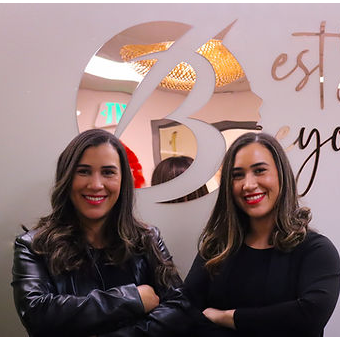
At Best and Beyond Spa, Day and Davilla are dedicated professionals passionate about wellness and beauty. With expertise in spa day treatments, couples massages, and senior wellness, they provide high-quality, personalized care in a relaxing environment. Their mission is to help clients feel rejuvenated, refreshed, and truly cared for.
Related Posts
Comparative: Early Lymph Drainage Timing and Abdominal Mobility Outcomes
Guide: Personalizing Lymph Drainage Protocols Across Different Abdominal Surgeries