
Designing a Postoperative Rehab Plan to Sustain Scar Mobility Over Time is a practical, compassionate guide for anyone navigating recovery after a procedure.
In this article, we explore practical strategies to maintain flexibility and comfort as your scar heals over time.
From gentle mobility to home routines, this guide blends evidence-informed principles with the warm, expert touch you expect from Best & Beyond Spa in Massachusetts.
We’ll emphasize Fibrosis Prevention and mobility-focused activities that support wellness while respecting your body’s natural healing timeline.
This resource is for people who have undergone a procedure or will undergo one, and who want a clear, safe plan to sustain scar mobility over time while reducing stress and promoting relaxation.
What Designing a Postoperative Rehab Plan to Sustain Scar Mobility Over Time Really Means for You
The phrase Designing a Postoperative Rehab Plan to Sustain Scar Mobility Over Time outlines a framework that blends gentle movement, mindful rest, and daily routines to support scar pliability.
In everyday terms, it’s about pacing activity, nurturing tissue health, and using mindful stretches to keep a scar flexible as it matures.
This approach aligns with the philosophy of Best & Beyond Spa, where care is rooted in observation, adaptation, and a calm, restorative environment.
You’ll find practical steps that fit into your life, not a rigid timetable.
Key ideas you’ll encounter include mobility as a long-term goal, scar tissue as a dynamic process, and recovery as gradual progress.
By acknowledging that each healing journey is unique, you’ll learn to listen to your body and adjust the plan as needed.
In this guide, you’ll discover how small, consistent actions accumulate meaningful changes over weeks and months.
Milestone-based approach to progress
One practical way to think about the journey is through milestones rather than a single endpoint.
For example, the first milestone focuses on comfort during daily movements, followed by increasing the range of motion in low-stress directions, and later, improving pliability in the scar area during activities you perform regularly.
This approach supports Fibrosis Prevention by reducing abrupt tissue loading and encouraging gradual adaptation.
- Milestone 1: Gentle contact and light movement around the scar site to assess baseline comfort.
- Milestone 2: Controlled stretching within a pain-free range to improve tissue pliability.
- Milestone 3: Functional movements that mirror your daily routine, preserving mobility without overloading the tissue.
Role of gentle movement in the healing arc
Gentle movement is not about forcing progress; it’s about maintaining safe tissue mobility while the body reorganizes tissues.
In practice, this means slow, deliberate actions that you can perform at home or during spa sessions.
The goal is to support scar mobility without inducing flare-ups, while keeping stress low and breath steady.
This aligns with the holistic care philosophy at Best & Beyond Spa, which emphasizes comfort, recovery, and a calm environment.
Core Principles Behind Scar Mobility and Tissue Remodeling
Designing a Postoperative Rehab Plan to Sustain Scar Mobility Over Time starts with understanding how skin and connective tissue remodel after healing begins.
Scar tissue undergoes phases of collagen alignment, remodeling, and maturation.
By applying progressive, low-load stimuli and hydration-focused care, you can influence how pliable the scar becomes over time.
This section lays out the foundational ideas that inform practical steps you’ll take in your plan.
Understanding scar phases and mobility
Scar remodeling typically progresses through stages that influence how mobility evolves.
Early phases benefit from gentle handling and controlled loading, while later phases emphasize alignment and pliability of the scar tissue.
Recognizing these phases helps you choose appropriate exercises and activities that respect the tissue’s anatomy and your comfort levels.
The role of hydration, nutrition, and sleep in mobility
Healthy hydration, balanced nutrition, and quality sleep support tissue remodeling and overall comfort.
While nutrition alone won’t “fix” a scar, it helps the body rebuild with resilient connective tissue.
In practical terms, this means pairing your mobility routines with a routine that prioritizes hydration, a protein-rich diet, and restorative sleep.
This combination supports the integrity of the skin and subcutaneous tissues as they adjust over time.
Building Your Personal Plan: Step-by-Step Framework
Creating a plan you can sustain requires structure and flexibility.
The following framework offers a clear path while leaving room for personal adjustments.
Remember, the exact phrase Designing a Postoperative Rehab Plan to Sustain Scar Mobility Over Time is used to anchor these steps, and you’ll see practical milestones built around it.
Step 1: Baseline assessment without pressure
Begin by noting how the scar area feels at rest and with light touch.
The goal here is to establish a comfortable starting point without pushing into pain.
Record sensations such as tightness, pulling, or tenderness, and track any changes over several days.
This baseline helps you tailor subsequent steps with intention.
- Identify the scar’s current pliability and tolerance for light touch.
- Note any areas of stiffness that accompany movement in adjacent tissues.
- Document your daily activity patterns to see where mobility could be gently incorporated.
Step 2: Progressive loading and mobility
Progressive loading means gradually increasing the demand on the scar tissue in a controlled way.
This could include slow, guided stretches and light, targeted massage techniques that keep load within safe limits.
The aim is to enhance pliability while avoiding overload.
In practice, you’ll blend at-home routines with select spa-based modalities to support this progression.
- Perform brief mobility sessions 5–7 days per week, staying within comfortable limits.
- Incorporate diaphragmatic breathing to support tissue relaxation during movement.
- Use gentle contact and light pressure to encourage tissue glide without discomfort.
Step 3: Functional integration and daily life
Once mobility becomes more comfortable, integrate scar-friendly movements into everyday tasks.
Think about how you perform everyday activities, such as reaching, bending, or twisting, and adjust to maintain smooth tissue glide.
The focus remains on mobility and safety, with a steady emphasis on scar pliability as you progress.
- Modify routine actions to include small, controlled movements around the scar site.
- Schedule short mobility pockets during the day to keep tissues adaptable.
- Continue to avoid aggressive loading that causes pain or swelling.
Practical Home Routines and Spa-based Modalities
Home routines are the backbone of daily progress, but guided sessions can enhance outcomes with hands-on techniques that respect tissue healing.
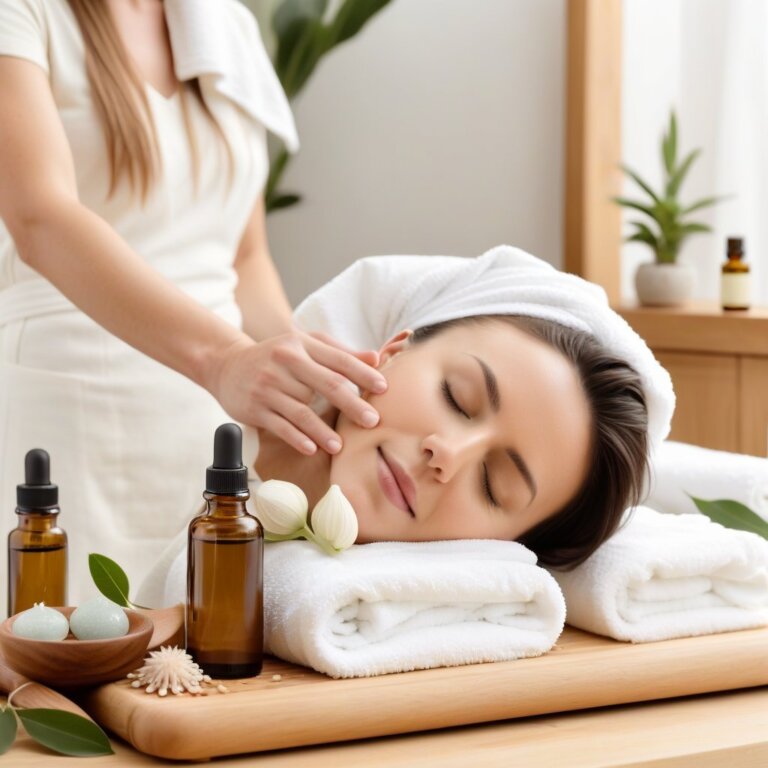
At Best & Beyond Spa, we emphasize a calm, clean environment and botanically based products to support your journey.
The combination of at-home care and gentle spa modalities can contribute to sustained scar mobility over time.
Home routines that support mobility
Simple routines can be effective when performed consistently.
Focus on short sessions, stability, and relaxed breathing.
The goal is to maintain scar mobility while keeping tension low in surrounding muscles.
- Light massage around the scar boundary using circular, ascending strokes.
- Soft, gradual stretching that respects the scar’s direction of pull.
- Breath-centered movements to reduce muscle guarding during sessions.
Spa-based modalities you may encounter
Relaxing massage and soft tissue techniques can complement home care.
In a safe, professional setting, practitioners can help with application methods that promote tissue glide, reduce edema, and support overall relaxation.
If you’re in Massachusetts, our team at Best & Beyond Spa is experienced in providing gentle, non-invasive approaches designed to support ongoing scar mobility over time.
- Gentle massage around and near the scar boundary to improve tissue glide.
- Light lymphatic drainage techniques to reduce swelling and support healing.
- Soothing, botanical-based products used in a clean, relaxing environment.
Measuring Progress and Signs to Adjust the Plan
Tracking progress helps you stay motivated and responsive to how your body is healing.
Regular checks on mobility, comfort, and functional ability enable timely adjustments.
The overarching idea remains consistent with the goal of maintaining flexible scar tissue and reducing stiffness, contributing to a smoother recovery.”.
Key indicators to watch include improved ease of movement, reduced tissue resistance, and a sense of ongoing relaxation around the scar area.
If you notice persistent sharp pain, new swelling, or a sudden decrease in mobility, reassess your approach and seek guidance from a wellness professional who understands postoperative recovery in a holistic, non-invasive way.
This is where Best & Beyond Spa can offer supportive, expert care designed to help you stay on track with Designing a Postoperative Rehab Plan to Sustain Scar Mobility Over Time.
Tracking methods and practical milestones
Simple tracking methods can help you stay accountable without overwhelming you.
Use weekly check-ins to record comfort levels, range of motion, and overall mood.
These notes support fine-tuning the plan so you continue progressing toward better mobility while honoring your body’s pace.
- Weekly comfort ratings from 1 (uncomfortable) to 10 (comfortable).
- Short notes about any changes in scar texture or surface appearance.
- Photographic progress with consent to visualize improvements in pliability and contour over time.
Safety, Precautions, and When to Seek Guidance
Safety is the cornerstone of any plan designed to sustain scar mobility over time.
Always approach mobility with patience, especially in the early weeks.
If you experience persistent discomfort, new redness, or any systemic signs such as fever, slow wound healing, or unusual swelling, contact a qualified wellness professional for guidance.
The aim is to maintain calm, reduce risk, and support your body’s natural healing progression.
Common safety considerations
Keep sessions short, avoid aggressive manipulation, and stay within pain-free zones.
Hydration, gentle pressure, and mindful breathing are your allies in this journey.
If stress or anxiety about movement arises, pause and practice a few minutes of deep breathing before resuming.
As you progress, ensure your plan remains adaptable.
What works in the initial weeks may evolve as the tissue matures.
The steady approach to Designing a Postoperative Rehab Plan to Sustain Scar Mobility Over Time supports long-term mobility and comfort while minimizing disruption to daily life.
Why Local Wellness Providers Like Best & Beyond Spa Can Support You
Best & Beyond Spa in Massachusetts offers a holistic, patient-centered approach that aligns with the principles of designing a plan to sustain scar mobility over time.
Our team blends massage-based modalities with a calming environment and clean, botanical products to support relaxation and tissue-friendly care.
We emphasize education, safety, and personalized pacing to help you feel confident in your recovery journey.
How we integrate movement and relaxation
Our approach includes gentle touch techniques and cozy, low-stimulation settings designed to help you unwind while staying focused on mobility goals.
We prioritize your comfort, your pace, and your overall well-being, combining evidence-informed practices with compassionate care.
- Personalized movement plans that adapt to your comfort and daily routine.
- Gentle massage-based options that encourage tissue glide and relaxation.
- Clear guidance on when to slow down or advance your routines.
Creating a supportive home and spa routine
A supportive routine blends home exercises with spa sessions that emphasize relaxation and mobility.
It’s about consistency more than intensity, so you can maintain momentum without overwhelming yourself.
This aligns with our mission to help you feel top-rated levels of comfort and confidence as you navigate Designing a Postoperative Rehab Plan to Sustain Scar Mobility Over Time.
- Structured weekly plans with built-in rest days to prevent overuse.
- Controlled spa sessions focusing on gentle, mobility-enhancing techniques.
- Empathetic, bilingual support in English and Portuguese to ensure clear communication and confidence.
Putting It All Together: A Sample 8-Week Plan Framework
Below is a practical sample framework you can adapt.
It demonstrates how to balance home practice with spa sessions while keeping the focus on mobility and relaxation.
The plan is designed to stay in a pain-free zone while gradually enhancing scar pliability and surrounding tissue function.
The emphasis remains on scar mobility and a holistic sense of well-being, consistent with our approach at Best & Beyond Spa.
- Weeks 1–2: Baseline comfort, gentle touch, light movements, and breathing.
- Weeks 3–4: Gentle stretches, small mobility increases, and short spa sessions.
- Weeks 5–6: Expanded movement repertoire, functional activities, and mood support.
- Weeks 7–8: Integration into regular daily activities with increased confidence in movement.
Throughout the eight weeks, maintain a consistent practice, listen to your body, and adjust as needed.
If you choose to incorporate spa-based modalities, ensure they emphasize calm, non-invasive approaches that align with your healing pace.
Your journey is personal, and the plan for Designing a Postoperative Rehab Plan to Sustain Scar Mobility Over Time should reflect your pace and your goals for mobility, comfort, and overall well-being.
Final Considerations and a Gentle CTA
Designing a Postoperative Rehab Plan to Sustain Scar Mobility Over Time is about ongoing, compassionate care that respects your healing timeline.
By combining home routines with soft, spa-based modalities, you can support scar pliability, reduce tension around the scar, and promote a sense of calm as you progress.
The emphasis on Fibrosis Prevention and mobility helps sustain a flexible scar that moves with your body, not against it.
At Best & Beyond Spa, we are here to accompany you on this journey with expertise, warmth, and a tranquil environment that supports lasting well-being.
To explore how a personalized, holistic plan could fit into your recovery path, consider scheduling a gentle consultation with our team.
We can help you design a plan that aligns with your pace, preferences, and daily routine—always with safety, comfort, and your long-term mobility in mind.
Your well-being is our priority, and Designing a Postoperative Rehab Plan to Sustain Scar Mobility Over Time is a collaborative effort toward a more flexible, relaxed future.
As you move forward, remember that small, consistent actions compound to meaningful progress.
Embrace the process, stay connected with your care team, and let calm, thoughtful care support your journey toward a more mobile, comfortable scar and a balanced sense of well-being.
Ready to begin? Reach out to Best & Beyond Spa in Massachusetts to learn how our gentle, expert approach can support your healing and mobility goals in a way that feels right for you.
Practical Resources and Next Steps
If you’re seeking a structured, expert-guided path, the following actions can help you stay on track with Designing a Postoperative Rehab Plan to Sustain Scar Mobility Over Time:
- Schedule a no-pressure consultation to discuss your comfort and mobility goals.
- Access a personalized home routine that complements any spa sessions you choose to incorporate.
- Explore spa-based modalities that emphasize relaxation and tissue-friendly care, offered in a calm Massachusetts setting.
We invite you to experience the steady, nurturing approach we bring to patient care in our wellness-focused environment.
The combination of practical home routines, gentle spa modalities, and a compassionate, bilingual team makes Best & Beyond Spa a trusted destination in Massachusetts for those prioritizing mobility, comfort, and holistic well-being.
Whether you are preparing for a procedure or navigating recovery, this guide aims to support your journey with clear, actionable steps that honor your body’s pace and your goals for scar mobility over time.
The path to ongoing mobility and comfort is best walked with a calm, knowledgeable partner by your side—one who values healing as a holistic, life-enhancing process.
To learn more about how our team can tailor a plan to your needs and preferences, contact Best & Beyond Spa today.
We’re here to help you cultivate lasting mobility and relaxation in a way that feels natural and restorative.
Designing a Postoperative Rehab Plan to Sustain Scar Mobility Over Time continues to be a collaborative, patient-centered journey—one that honors your pace, supports your well-being, and helps you move forward with confidence.
Frequently Asked Questions
What is the goal of designing a postoperative rehab plan to sustain scar mobility over time?
The goal is to keep scar tissue pliable as it heals while respecting your body’s timeline. It emphasizes gentle movement, gradual load, and rest to prevent stiffness and fibrosis. By focusing on long-term mobility rather than a single endpoint, you support comfortable function well into recovery.
How soon after surgery should you start mobility exercises?
Follow your surgeon’s instructions first. In many cases, gentle range-of-motion and light stretches can begin within days to weeks if approved, progressing gradually as healing allows. Avoid pushing through pain and watch for signs of inflammation.
What kinds of exercises support scar mobility without stressing healing tissue?
Safe options include gentle ROM movements, light dermal stretching, scar massage, breathing exercises, and posture work. These activities promote tissue glide and circulation while minimizing strain. Frequency can be daily or several times a week, as recommended by your clinician.
How can I tailor the postoperative rehab plan to my procedure and pace of healing?
A milestone-based approach helps accommodate individual healing timelines. Start with comfortable, low-load activities and gradually increase intensity as you hit milestones like pain reduction or improved ROM. Collaborate with your care team to adjust the plan based on feedback.
What signs indicate you should pause or modify rehab activities?
If you notice increased redness, heat, swelling, or pain that lasts beyond normal levels, pause the activity. New drainage, fever, or a scar that opens or loosens are red flags. When in doubt, consult your clinician before continuing.
How does scar mobility progress over time, and what milestones should I expect?
Scar mobility typically evolves from sensitivity to improved pliability with ongoing gentle movement. Milestones often include comfortable daily activities, expanded ROM, and a fading scar appearance. Remember, progress varies by individual and procedure.
Can home routines be effective for sustaining scar mobility over time?
Yes. A well-designed home program can be highly effective when performed consistently and safely. It should include a mix of gentle mobility, scar care, and rest, tailored to your healing stage. Always align with your clinician’s guidance.
What role do relaxation and stress management play in healing and scar mobility?
Stress can impact inflammation and pain perception, affecting recovery. Practices like mindful breathing, progressive relaxation, and light massage support a calmer nervous system and more comfortable scar movement. Pair relaxation with movement for better long-term outcomes.
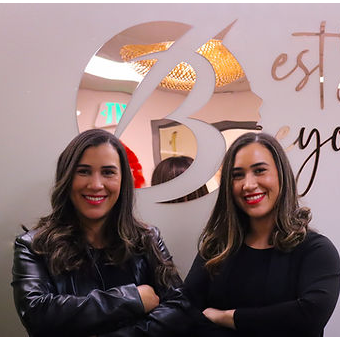
At Best and Beyond Spa, Day and Davilla are dedicated professionals passionate about wellness and beauty. With expertise in spa day treatments, couples massages, and senior wellness, they provide high-quality, personalized care in a relaxing environment. Their mission is to help clients feel rejuvenated, refreshed, and truly cared for.
Related Posts
Open vs Laparoscopic: Long-Term Fibrosis Risk and Rehab Implications
Top 5 Interventions to Minimize Fibrosis Risk Across Abdominal Procedures Guide