Preventing Fibrosis in Immediate Abdominal Rehab: A Personal Protocol is a practical guide to shaping your recovery journey after an abdominal procedure.
This approach blends mindful movement, scar-friendly care, and daily routines to support tissue mobility and long-term comfort.
By focusing on what you can do today, you can reduce stiffness, support core function, and enhance overall well-being.
Our team at Best & Beyond Spa brings clinical and hands-on experience to help you move with confidence during your recovery.
Preventing Fibrosis in Immediate Abdominal Rehab: A Personal Protocol
In this section, tissue mobility, scar management, gentle loading, and early activation form the spine of a thoughtful plan.
The goal is not rapid perfection but steady progress that respects your body’s timeline.
Professional insight from our Massachusetts team emphasizes a personalized approach, tailored to your pace, prior activity level, and any post-procedure sensations you notice.
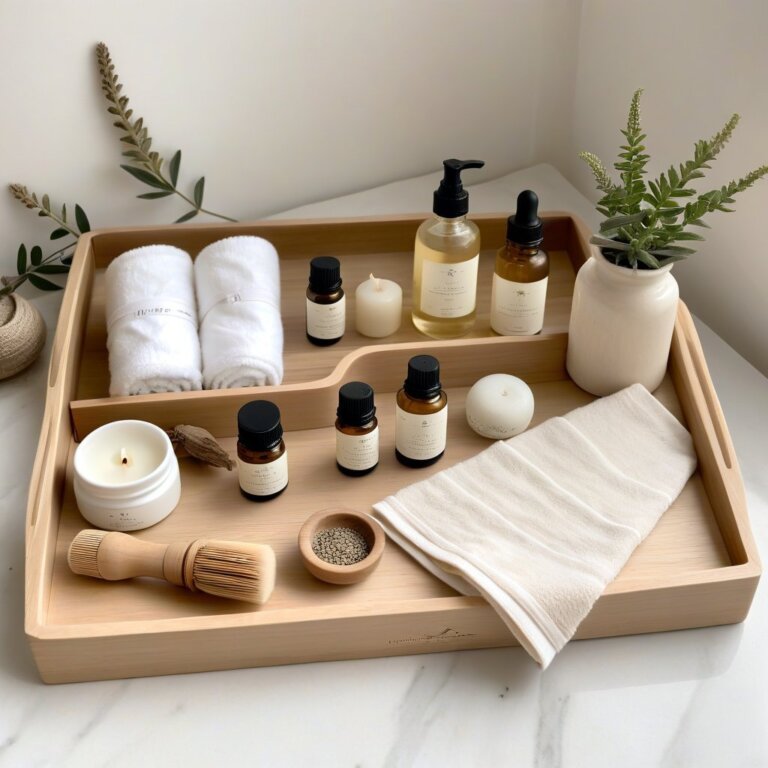
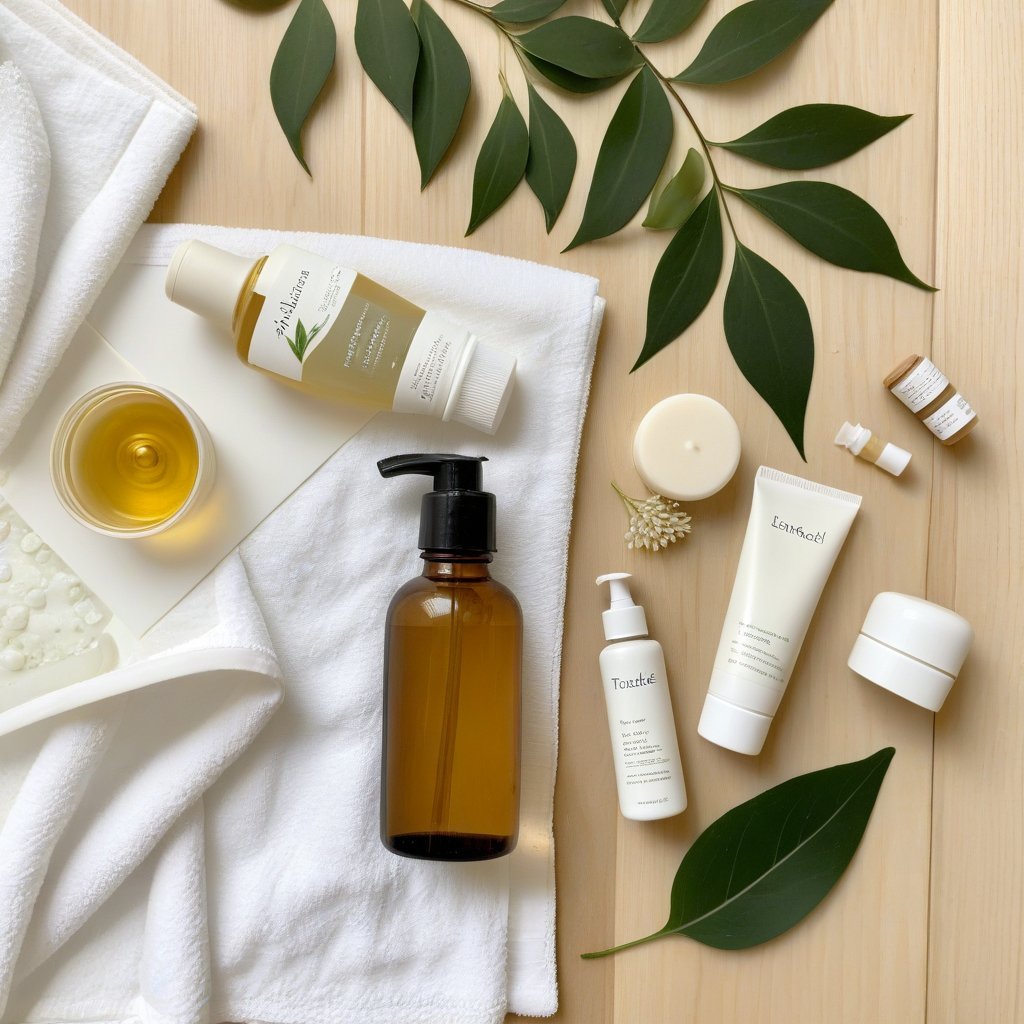
We emphasize comfort, safety, and sustainable gains, with vegan, botanical products and gentle modalities that support your natural healing rhythms.
Key Elements of Preventing Fibrosis in Immediate Abdominal Rehab: A Personal Protocol
Early decisions shape long-term comfort.
The following elements are designed to be practical, evidence-informed, and easy to integrate into daily life.
They are intended to minimize adhesions, stiffness, and restricted movement while supporting a balanced kinetic chain.
In practice, you’ll notice that scar tissue requires consistent, compassionate care, while core stability and breathe-driven movement nurture resilience.
First, gentle range of motion should begin as soon as you can tolerate it, focusing on safe, small movements that respect your comfort thresholds.
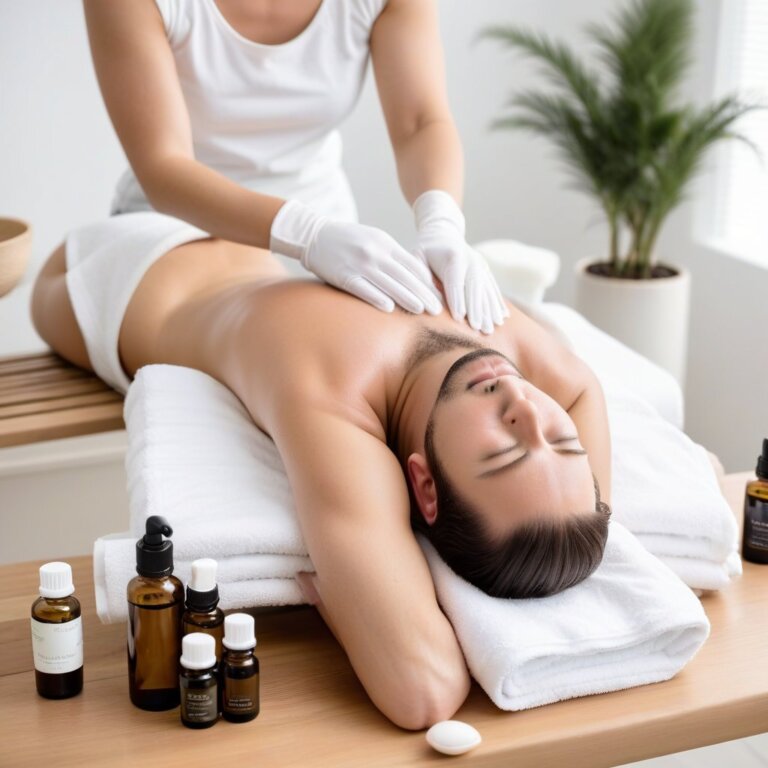
Second, scar management — including massage-like techniques and soft tissue mobilization — helps maintain pliability without overloading tissues.
Third, breathing patterns and diaphragmatic exercises support central control and reduce unnecessary tension.
Finally, load progression—increasing activity gradually—prepares your body for everyday activities without triggering flare-ups.
These elements align with recent industry perspectives up to May 2026, which highlight the value of personalized, non-invasive strategies for post-procedure recovery.
- Gentle range of motion: small, pain-free movements that promote tissue mobility and reduce stiffness.
- Scar care routine: light massage and silicone sheet options as guided by your clinician or trusted practitioner.
- Breathing and core activation: short sessions focused on diaphragmatic breathing and pelvic house-keeping for stability.
- Progressive loading: a plan that gradually increases activity while monitoring cues from your body.
Foundational Principles to Guide Your Personal Protocol
Creating a reliable, personalized plan begins with clear principles.
This section presents guiding ideas you can adapt as you move through your recovery journey.
In practice, these principles help you stay consistent and safe while nurturing a sense of control and confidence.
At Best & Beyond Spa, our work in Woburn, MA centers on clear, compassionate routines that honor your pace and preferences, with emphasis on movement quality, scar compression, and mindful rest.
Individualization matters.
No two bodies respond identically to a post-procedure timeline.
Your protocol should reflect your history, current sensations, and daily commitments. Consistency matters more than intensity in the early stages. Reassurance and gentleness reduce fear and promote adherence. Safety is non-negotiable: stop if you experience sharp pain, fever, or a new, persistent discomfort, and consult a professional who can adapt the plan.
Structured Elements for a Personal Protocol
In our practice, the following structured elements form the backbone of a robust, adaptable plan.
Each element reinforces the idea that preventing fibrosis is a process, not a single act, and that small, consistent actions accumulate into meaningful gains.
- Clear goals: define what a week of gentle progress looks like, prioritizing scar mobility and core function.
- Daily micro-routines: brief, focused sessions that center on breathing, gentle loading, and tissue mobilization.
- Rest and recovery windows: build time for relaxation and adequate sleep to support tissue repair.
- Monitoring cues: use simple signals to gauge progress and adjust intensity accordingly.
- Incorporate soft tissue techniques with professional guidance to avoid overstimulation of tissue healing.
- Prioritize early activation of basic movement patterns to maintain a healthy kinetic chain.
- Use nutrition and hydration as foundations for tissue resilience.
Getting Started: Right After an Abdominal Procedure
Taking the first steps after an abdominal procedure involves practical, safe actions that respect your healing trajectory.
This section provides actionable guidance that you can translate into a daily routine in collaboration with your healthcare team or a trusted spa professional.
Our Massachusetts clients often find that controlled movement, gentle massage-informed touch, and thoughtful scar care set the stage for improved comfort and mobility.
This aligns with broader trends in 2026 that emphasize patient-centered, non-invasive strategies for early recovery.
Begin with light, pain-free activity that stimulates the scar area without pushing into discomfort.
Introduce diaphragmatic breathing to calm the nervous system and support a stable posture.
Use a gentle, low-load activation approach to awaken the abdominal region gradually.
The aim is to establish a routine you can sustain, rather than chasing rapid, unsustainable gains.
Starter Kit for Immediate Post-Procedure Days
Below is a practical starter list designed to be safely integrated into a day-by-day plan.
Adapt based on your comfort and guidance from your care team.
These steps emphasize scar management, tissue mobility, and mindful movement as the foundation for ongoing progress.
- Daily 5-minute diaphragmatic breathing practice to encourage core engagement without strain.
- Three brief, pain-free movements aimed at tissue mobility around the abdomen and lower back.
- Light scar-care routine: clean hands, gentle stroking, and optional silicone gel sheet application if advised.
- Hydration and balanced meals to support tissue repair and mood stability.
Within a week, you may begin slightly longer, low-load movements that focus on safe ranges of motion.
Keep the pace measured; the objective is consistency, not intensity.
At Best & Beyond Spa, our approach integrates clean, vegan, botanical products that support your comfort while you perform everyday activities with greater ease in Massachusetts.
Scar Management and Tissue Mobility Strategies
Scar management and tissue mobility are central to reducing stiffness and preserving functional movement.
This section outlines practical strategies that align with scar tissue management principles, viscoelastic tissue properties, and gentle manual cues.
In May 2026, industry experts increasingly underscore that patient-friendly, non-invasive care can yield meaningful improvements in flexibility and comfort when implemented with care and precision.
Incorporating a simple scar-care routine can help maintain pliability as tissues remodel.
Combine light touch, hydration, and protective barriers to support normal scar maturation and prevent excessive tension.
You’ll notice that well-timed, low-intensity techniques support the kinetic chain and reduce compensatory patterns that often arise with pain or discomfort.
Scar-Centric Practices to Include
These practices are designed to be safe, practical, and easy to integrate into daily life.
They emphasize scar tissue elasticity, tissue mobility, and gentle, controlled exposure to movement.
If a practitioner guides these steps, they can tailor them to your unique needs and history.
- Massage-inspired touch: gentle strokes around the periphery of the abdominal area to stimulate skin and scar elasticity.
- Hydration and barrier protection: use non-irritating moisturizers that support barrier function during scar maturation.
- Soft-tissue mobilization tools: consider soft silicone tools or textured fabrics as directed to promote tissue mobility.
In daily practice, pair this with mindful breathing to maintain a calm nervous system, which research indicates is associated with improved tissue healing responses.
The combination of breathing and movement quality is a practical duo for achieving better long-term outcomes in the abdominal region.
Progression, Load, and Listening to Your Body
Progression is not simply adding more; it’s about aligning intensity with your body’s signals.
The progression framework emphasizes safe, incremental steps, ensuring you maintain core stability, while avoiding sharp increases in load that could provoke stiffness or discomfort.
Our team at Best & Beyond Spa emphasizes steady progression, guided by your sensations and daily goals.
In 2026, practitioners stress the value of personalized pacing and ongoing feedback to sustain improvements without setbacks.
Key principles to guide progression include load progression, movement quality, and pain-free range of motion.
Maintain a daily log of how you feel during activities, noting any new areas of tension, changes in flexibility, and overall mood.
This data informs when to maintain, adjust, or pause certain movements and when to seek professional input to refine your plan further.
Structured Progression Milestones
Milestones serve as practical anchors to help you stay on track while respecting your body’s timeline.
Use these as a framework rather than a rigid schedule.
They serve to remind you that small, deliberate actions accumulate into better mobility, less stiffness, and more confidence in daily tasks.
- Weeks 1-2: Establish diaphragmatic breathing, brief movements, and light scar-care rituals.
- Weeks 3-4: Introduce longer sessions of tissue mobility work and gentle core activation.
- Month 2: Begin a structured, gradual increase in load, prioritizing movement quality over quantity.
- Keep sessions short but frequent to balance activity with rest and recovery.
- Communicate openly with your spa professional or care team about any new or unusual sensations.
Monitoring Progress and When to Seek Guidance
Effective monitoring relies on simple, objective cues and regular check-ins with a professional.
As you track your progress, you’ll be able to adjust activities to maintain safety, optimize comfort, and support your long-term goals.
We emphasize a compassionate approach that respects your pace and avoids pushing into pain.
In 2026, a growing body of guidance supports ongoing assessment and tailored adjustments as essential to successful post-procedure rehabilitation.
Key monitoring cues include shifts in tissue mobility, changes in scar texture, and the emergence of new patterns of pain or tightness.
If you notice persistent or worsening symptoms, a consult with a qualified practitioner can help refine your plan.
Your remote or in-person check-ins with a care team help ensure your private protocol remains aligned with your evolving needs.
- Track daily comfort levels and range of motion in the abdominal region.
- Note changes in scar appearance and skin tone, as these can reflect underlying remodeling processes.
- Record energy, sleep quality, and mood, since these influence tissue healing and movement readiness.
Our Massachusetts practice values clear communication and gentle, informed adjustments.
If you’re unsure whether a move is appropriate, pause and consult with a trusted clinician or the Best & Beyond Spa team.
We can help tailor a plan that respects your current status while guiding you toward safer, more confident steps each day.
Lifestyle Synergy: Sleep, Nutrition, and Mindset to Support Recovery
Recovery is multifaceted.
Sleep quality, nutrition, and mindset feed into your ability to perform and recover from movements aimed at reducing fibrosis risk.
This section discusses how to weave healthy routines into your day so that scar management, tissue mobility, and movement quality remain consistent.
By May 2026, experts widely recognize that holistic wellness practices augment physical recovery and help sustain improvements over time.
Sleep influences tissue repair and pain perception, so prioritize a consistent bedtime routine and a cool, dark sleeping environment.
Nutrition matters too: a balanced intake supports collagen remodeling and energy for daily activities.
Hydration and mindful pacing of activities reduce stress, which in turn supports better movement and posture.
Throughout all these elements, remember to keep your scar tissue considerations front and center, integrating gentle work that respects your body’s language.
Practical Lifestyle Practices to Enhance Your Protocol
Integrate these practical practices to create a harmonious recovery rhythm.
They emphasize breathing, sleep hygiene, hydration, and daily exercise consistency as foundational supports for long-term outcomes.
The approach is grounded in compassionate care and evidence-informed practice, aligning with Best & Beyond Spa’s philosophy in Woburn, MA.
- Structured sleep schedule: keep a regular bedtime, optimize room environment, and practice winding-down routines.
- Hydration rituals: gentle hydration cues throughout the day to support tissue health and mood.
- Breathing-centered breaks: short breathing sessions timed with daily activities to reduce tension and promote calm.
Incorporating these elements helps you sustain a balanced recovery that supports scar management, tissue mobility, and ongoing movement quality.
Our team emphasizes that a holistic routine—encompassing sleep, nutrition, and stress management—provides a stronger foundation for long-term well-being and comfort in the abdominal region.
Next Steps: Join Our Trusted Massachusetts Wellness Community
Ready to embark on a personalized plan that centers your goals, safety, and well-being? Our team at Best & Beyond Spa combines clinical insight with hands-on care to help you craft a sustainable path toward improved comfort and mobility.
As you implement the elements of Preventing Fibrosis in Immediate Abdominal Rehab: A Personal Protocol, you’ll build confidence and a sense of control over your recovery journey.
We invite you to explore our services in Massachusetts, where you’ll find a calm, expert-driven environment dedicated to your holistic wellness and gentle, effective progress.
To begin, consider a private assessment with a trained professional who can tailor this protocol to your needs.
You’ll gain clarity on safe movements, scar care strategies, and daily routines that support your well-being.
Our bilingual team can guide you through the process with warmth and expertise, helping you feel supported every step of the way.
Ultimately, the path to improved mobility and comfort is a collaboration between you and a trusted wellness partner.
If you’re ready to experience a refined, personalized approach to recovery, contact Best & Beyond Spa to learn how the Preventing Fibrosis in Immediate Abdominal Rehab: A Personal Protocol framework can fit into your life and help you thrive in the months ahead.
Frequently Asked Questions
What is fibrosis in the context of immediate abdominal rehab, and why should I prevent it?
Fibrosis refers to the formation of thick, less pliable scar tissue that can cause stiffness and restricted movement after abdominal procedures. The goal of immediate abdominal rehab is to minimize adhesions and maintain tissue pliability, supporting long-term comfort and core function. Early, careful care helps you move with less stiffness as you heal.
When is it appropriate to begin gentle range of motion after abdominal surgery?
As soon as you can tolerate it, begin with small, safe movements that respect your comfort thresholds. Start with very gentle bends, light activation of the core, and simple abdominal mobilizations, increasing gradually as advised by your clinician. If pain or unusual symptoms occur, pause and consult your care team.
How does scar management contribute to preventing fibrosis during abdominal recovery?
Scar management, including massage-like techniques and soft tissue mobilization, helps keep scar tissue pliable and reduces stiffness without overloading healing tissues. Consistent, gentle care supports healthy movement patterns and can lower the risk of adhesions.
What does gentle loading mean in this protocol, and how does it help tissue mobility?
Gentle loading means applying light, progressive forces to the healing tissues without overdoing it. This approach supports the kinetic chain, improves tissue tolerance, and helps prevent stiffness as you recover.
Why are breathing patterns and diaphragmatic exercises included, and how do they help prevent fibrosis?
Breathing drills engage the diaphragm and core, promoting controlled movement and reducing unnecessary tension in the abdominal wall. This can support tissue healing, improve circulation, and help you move more comfortably as you recover.
What early signs of fibrosis risk should I monitor during recovery?
Watch for persistent stiffness, new or worsening adhesions, or rising pain with movement that limits range of motion. If you notice these signs, talk to your clinician to adjust the protocol.
Are there activities or movements to avoid during the immediate abdominal rehab?
Avoid heavy lifting, intense abdominal strain, and high-impact activities early in recovery. Stick to gradual, comfortable movements and stop if you experience sharp pain or a sudden restriction in movement.
How can I personalize this protocol to my pace, prior activity level, and sensations?
The protocol is designed to be tailored to your pace and history; start at your baseline and progressively increase as your body tolerates it. Keep a simple log of sensations and milestones, and adjust with your care team to match your recovery timeline.

At Best and Beyond Spa, Day and Davilla are dedicated professionals passionate about wellness and beauty. With expertise in spa day treatments, couples massages, and senior wellness, they provide high-quality, personalized care in a relaxing environment. Their mission is to help clients feel rejuvenated, refreshed, and truly cared for.
Related Posts

Lymph Drainage Timing vs. Tissue Mobilization: Which Drives Better Abdominal Scar Mobility? Guide
Implementing Lymphatic Drainage with Manual Techniques in the First Postoperative Week