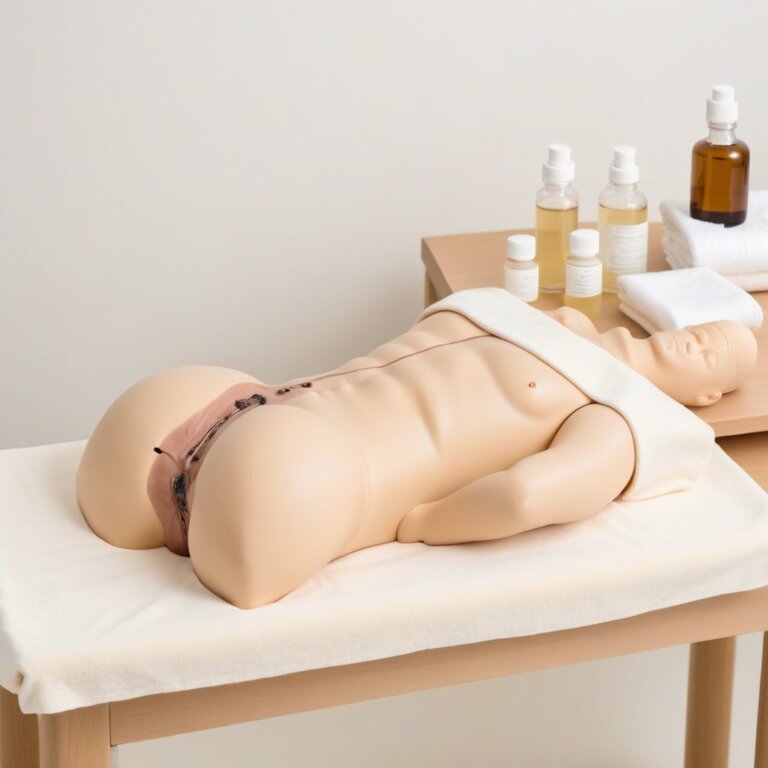

Personalizing Early Mobility for Different Abdominal Procedures is a nuanced approach to recovery that honors individual body responses, procedural differences, and comfort levels.
At Best & Beyond Spa in Massachusetts, we recognize that mobility after abdominal procedures isn’t a one-size-fits-all plan.
This guide offers practical, human-centered insights to help you understand how early movement supports breathing, circulation, and overall well-being within a holistic wellness framework.
May 2026 brings additional evidence that tailoring mobility plans improves comfort and confidence as you heal.
Recovery is personal, and the pace of movement should honor your unique healing trajectory.
In our practice, early mobility is viewed not as a rigid protocol but as a flexible pathway that adapts to incision location, tissue recovery, and daily energy levels.
By combining gentle movement, mindful breathing, and restorative therapies, you can support function, comfort, and emotional well-being as you progress through the early recovery window.
Personalizing Early Mobility for Different Abdominal Procedures
Personalizing Early Mobility for Different Abdominal Procedures
The phrase Personalizing Early Mobility for Different Abdominal Procedures signals a shift from generic guidelines to individualized plans.
A thoughtful approach begins with understanding that the abdomen houses multiple tissue layers, each with distinct healing timelines.
Acknowledging these differences helps shape movement choices, positioning, and daily activities that align with comfort and safety.
This is where we blend evidence-informed ideas with practical routines that you can perform in a calm, supportive environment.
Key ideas to keep in mind include gentle movement sequences, breathing exercises, and incisional awareness.
By tailoring these elements to your specific abdominal area, you create a foundation for gradual strength, better breathing mechanics, and improved circulation.
In our experience at Best & Beyond Spa, guests often report greater confidence when mobility plans honor the exact incision pattern and individual pain thresholds, rather than applying a one-size-fits-all protocol.
- Understand your incision or incision area and how it influences comfort during movement
- Prioritize breathing and gentle core activation within safe ranges
- Incorporate movement that respects your energy level and pain signals
Foundations of Personalization: How Body Cues Guide Mobility
What Early Mobility Really Means for Abdominal Recovery
At its core, early mobility emphasizes keeping the body active in small, controlled ways soon after the procedure.
The goal is to support tissue perfusion, discourage stagnation, and maintain comfortable ranges of motion.
A personalized plan considers incision location,腹部 tissue elasticity, and overall stamina.
By listening to your body and adjusting intensity, you can maintain momentum without overreaching.
This is the essence of Personalizing Early Mobility for Different Abdominal Procedures in action.
Practical approach includes a combination of standing, seated, and lying-down movements that are safe and enjoyable.
For example, breathing-focused exercises can be done in a seated position while leg and ankle circles keep blood flowing.
Gentle pinky-to-toe movements can be integrated into daily routines to prevent stiffness.
The aim is steady, patient-paced progress that respects your comfort and supports a sense of control over your healing journey.
Key Readiness Indicators to Guide Your Plan
Readiness indicators help tailor motion without relying on a single universal timeline.
Important cues include breathing ease, pain consistency, and energy availability.
If breathing remains shallow or pain spikes with movement, it’s a signal to slow down or switch to position changes that are less demanding.
These signals guide how Personalizing Early Mobility for Different Abdominal Procedures unfolds in daily practice.
- Breathing ease during light activity
- Ability to perform gentle movements without sharp pain
- Consistency of pain levels over several hours
Evidence and Outcomes: Why Personalization Improves the Experience
What the Latest Research Suggests About Mobility and Recovery
Evidence from recent reviews and guideline updates highlights that early mobility contributes to improved respiratory function, circulation, and patient comfort.
According to ERAS guidelines updated in 2024, incorporating mobility as part of a multimodal recovery approach is associated with better overall recovery trajectories.
Studies indicate that when mobility is tailored to the incision location and individual tolerance, patients report less strain during daily activities and more confidence in incremental activity progression.
This aligns with the philosophy of Personalizing Early Mobility for Different Abdominal Procedures in practice.
Additional insights come from clinical meta-analyses that emphasize the value of tailoring movement plans to patient-specific factors such as age, body habitus, and previous activity level.
The message is consistent: client-driven pacing, combined with gentle techniques, supports improvements in functional outcomes and well-being.
In our wellness environment, we translate these findings into accessible routines that respect comfort while encouraging gradual gains in mobility and vitality.
Practical Benefits You Might Notice
When movement is personalized, you may experience several meaningful benefits.
These include improved diaphragmatic function, enhanced cough and sneeze effectiveness, and better sleep quality as core activation becomes more comfortable.
A tailored plan also tends to reduce anxiety around activity, since you know exactly what to try and what to avoid in the early days of recovery.
In other words, Personalizing Early Mobility for Different Abdominal Procedures helps you stay engaged with your healing journey without rushing beyond your limits.
- Improved respiratory mechanics and easier deep breaths
- Enhanced circulation and reduced edema in the abdominal region
- Lower risk of stiffness and fatigue during daily tasks
Practical Protocols by Abdominal Area: What to Adapt
Upper Abdominal Area: Gentle Initiation and Breathing Focus
The upper abdomen often involves more noticeable breathing-related discomfort initially.
A practical approach blends diaphragmatic breathing with light mobility.
Start with supported breathing exercises, then progress to small, controlled shoulder and chest relaxations while maintaining comfort.
Remember, Personalizing Early Mobility for Different Abdominal Procedures means adjusting these movements to fit your incision pattern and pain tolerance.
Common safe routines include seated deep breaths, gentle chest wall stretches, and brief, supported sit-to-stand transitions.
The aim is to keep the chest and core engaged without triggering discomfort.
Incorporate short breaks and rest periods to prevent overexertion, and use warm, calming environments to support mood and relaxation during movements.
- Seated diaphragmatic breathing with hand support on the abdomen
- Gentle chest wall and shoulder mobility with minimal circumference
- Short, frequent practice sessions to build confidence
Lower Abdominal Area: Gentle Core Activation and Pelvic Comfort
Lower abdominal work often centers on safe core engagement and pelvic stability.
A practical plan emphasizes gentle activation and alignment.
Techniques may include mild pelvic tilts, gentle bridging with supportive cues, and careful leg movements while lying down or seated.
Throughout, maintain a mindful pace and listen for any sharp sensation that prompts a modification.
This is a clear example of Personalizing Early Mobility for Different Abdominal Procedures applied to the lower region.
Suggested routines focus on soft, non-load-bearing movements that encourage flow without stressing the incision site.
Short, focused sessions repeated several times a day can be more effective than longer, exhausting efforts.
If needed, incorporate soothing touch therapy or gentle massage around the torso to support relaxation and circulation, always within a comfort zone.
- Gentle pelvic tilts while lying on the back or side
- Light bridging with supportive guidance
- Slow, controlled leg movements to promote circulation
Integrating Mobility with a Holistic Wellness Plan
Holistic Elements That Complement Movement
Mobility is most effective when woven into a broader wellness plan.
In our practice, early mobility works best alongside relaxation techniques, breathing practice, and mindful movement.
Integrating light massage, sensory relaxation, and gentle stretching can improve comfort and emotional well-being during the early recovery phase.
We emphasize that Personalizing Early Mobility for Different Abdominal Procedures fits within a calm, toxin-free environment that supports overall vitality.
Consider pairing movement with restorative therapies such as guided breathwork sessions and calming touch therapies that align with your energy and comfort level.
These elements help reduce tension, support sleep quality, and create a positive association with movement.
The combination of movement and wellness services offers a holistic approach to recovery that respects your pace and preferences.
- Guided breathing sessions to promote diaphragmatic engagement
- Light, non-invasive relaxation therapies to reduce tension
- Comfort-focused stretches that maintain flexibility without strain
Evidence-Based Benefits of a Holistic Approach
Integrating mobility with wellness therapies aligns with contemporary evidence highlighting the value of multimodal recovery programs.
When mobility is personalized, patients often report greater confidence, reduced anxiety about activity, and a smoother transition to more active daily living.
These outcomes support the idea that Personalizing Early Mobility for Different Abdominal Procedures is more than a physical practice—it’s a holistic strategy for well-being during the early return to daily life.
In clinical settings, combining gentle movement with relaxation techniques has shown promise in reducing fatigue and improving mood, which can positively influence adherence to a mobility plan.
The spa environment provides a supportive backdrop that encourages calm and consistency as you progress through the initial recovery phases.
Safety, Boundaries, and When to Seek Guidance
Safe Practices to Respect Comfort and Limits
Safety is the foundation of any mobility program.
Always listen to your body and avoid movements that cause sharp pain or heavy strain.
If you experience new or worsening symptoms, pause and reassess.
In the spirit of Personalizing Early Mobility for Different Abdominal Procedures, you should adjust intensity, duration, and range of motion to what feels sustainable and safe for you.
When in doubt, consult with your care team to ensure alignment with your individual plan.
- Avoid high-impact activities and heavy lifting in the early days
- Prefer supported and seated movements to reduce the stretch on incisional areas
- Incorporate rest periods to prevent overexertion
When to Pause or Reassess
If you notice severe or persistent pain, dizziness, or shortness of breath during movement, it’s wise to pause and seek guidance.
A practical rule of thumb is to escalate gradually and introduce small changes over days rather than hours.
This careful pacing is central to Personalizing Early Mobility for Different Abdominal Procedures and helps maintain a sense of safety and control while you heal.
In our Massachusetts wellness space, we encourage open communication about how you feel during activities.
A calm, supportive environment helps you describe sensations clearly, which informs how we tailor your subsequent sessions and routines with care and respect.
Practical Tools, Checklists, and Next Steps
Daily Mobility Checklist
Use a simple daily checklist to track comfort, progress, and goals.
A structured approach supports consistency and helps you recognize patterns that indicate readiness for small increases in activity.
This is another practical application of Personalizing Early Mobility for Different Abdominal Procedures—keeping the plan responsive to daily energy and comfort levels.
- Rate comfort on a 0-10 scale before and after movements
- Note breathing ease during exercise and rest periods
- Record steps taken or distance walked, if applicable
Tips to Sustain Momentum in May 2026
Our experience at Best & Beyond Spa shows that consistency matters.
Establish a routine that aligns with personal energy, and adapt as you learn what works best.
The combination of gentle mobility, breathing strategies, and soothing wellness practices supports ongoing progress without compromising comfort.
Remember that Personalizing Early Mobility for Different Abdominal Procedures is a journey, not a destination.
Next Steps: How to Begin Your Personalization Journey
Ready to explore a personalized mobility approach in a supportive spa setting? We invite you to experience our holistic, client-focused philosophy at Best & Beyond Spa.
A team approach, emphasizing careful movement, mindful breathwork, and restorative therapies, creates a compassionate path toward comfort and vitality.
By embracing Personalizing Early Mobility for Different Abdominal Procedures, you’ll discover strategies that honor your unique healing pace while promoting confidence and well-being.
To learn more about how our wellness specialists craft individualized plans that weave mobility with relaxation, reach out to our Massachusetts team.
We’re here to support you with a calm, expert touch that respects your values and goals.
Your journey toward comfortable mobility starts with a thoughtful conversation and a plan tailored to your body and life.
Personalizing Early Mobility for Different Abdominal Procedures is about meeting you where you are—one gentle step at a time, in a setting that honors your healing, comfort, and holistic wellness.
Frequently Asked Questions
What does personalized early mobility mean after abdominal procedures, and why is it important?
Personalized early mobility means tailoring movement plans to your specific procedure, incision site, tissue healing stage, and daily energy. This approach aims to optimize comfort, safety, and progress rather than applying a one-size-fits-all protocol. By adjusting movements to how your body responds, you can support better breathing, circulation, and overall recovery.
What factors determine the right starting point for movement after abdominal surgery?
The starting point is influenced by the type of abdominal procedure, how the tissues are healing, pain and fatigue levels, and your overall medical plan. Clinicians assess incision location, muscle involvement, and your daily energy to determine safe initial movements. You should communicate current pain and energy levels so your plan remains flexible.
What are safe beginner movements that support early mobility across different abdominal procedures?
Safe beginner movements focus on gentle, controlled activity that respects your healing status. Examples include diaphragmatic breathing, gentle ribcage expansion, seated leg marches, ankle pumps, and light pelvic tilts performed with support. Avoid vigorous twists or stretches that strain the incision and adjust based on comfort.
How does incision location influence daily activities and positioning during early recovery?
Incision location changes which positions feel comfortable and which movements to avoid. For example, upper abdominal incisions may benefit from supported positions and gradual rolling, while lower or flank incisions require different adjustments. The plan uses position changes, pacing, and activity types that align with your incision without placing unnecessary stress on tissues.
How do breathing exercises work with early mobility to support recovery after abdominal procedures?
Breathing exercises enhance oxygenation and help prevent shallow breaths that can occur after surgery. When combined with movement, diaphragmatic breathing supports lung expansion, reduces anxiety, and improves circulation to the healing tissues. These practices become a core part of the mobility plan rather than an add-on.
How does tissue healing timing influence a tailored abdominal recovery plan?
Different tissue layers in the abdomen heal at different rates, so the mobility plan should reflect those timelines. Early goals focus on tissue protection and gradual load tolerance, then progress as healing allows. This perspective helps pace activities to reduce discomfort and promote confident strides forward.
Can the mobility plan differ between procedures like laparoscopic surgery and open abdominal surgery?
Yes. Laparoscopic procedures often require smaller initial movements, while larger open surgeries may need more conservative early activity. Your mobility plan is tailored to the surgery type, incision size, and tissue handling experienced during the procedure. The outcome is a gradual, safe progression rather than a universal routine.
How can I balance movement with rest to support emotional well-being during early recovery?
Balance mobility with rest by scheduling short, regular movement sessions interspersed with mindful rest. Focus on quality over duration, listening to your body’s signals and adjusting pace accordingly. This approach supports both physical recovery and emotional well-being during the early recovery window.

At Best and Beyond Spa, Day and Davilla are dedicated professionals passionate about wellness and beauty. With expertise in spa day treatments, couples massages, and senior wellness, they provide high-quality, personalized care in a relaxing environment. Their mission is to help clients feel rejuvenated, refreshed, and truly cared for.