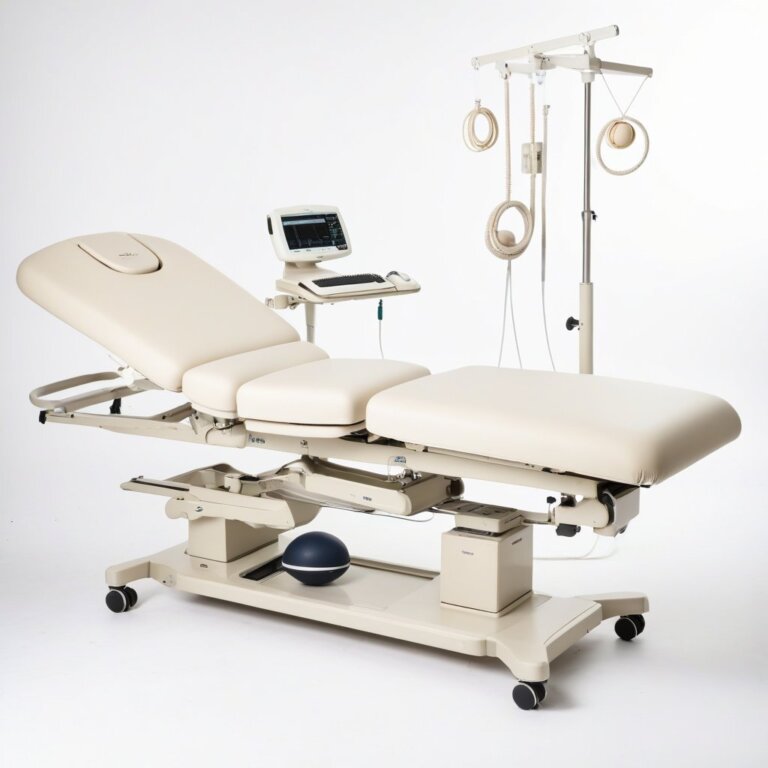

Key Lymph Drainage Positions for Early Scar Mobility and Faster Healing offer a gentle, evidence-informed approach to supporting post-surgical recovery and comfort.
This guide blends practical positioning techniques with an understanding of how the body’s lymphatic system collaborates with soft tissue healing.
As a hands-on therapist with years of experience at Best & Beyond Spa in Massachusetts, I’ve seen how deliberate, muscle-safe drainage positions can help reduce swelling, improve tissue mobility, and speed the return to daily activities after surgery.
This article is written for people who recently had surgery or who are planning a surgical procedure and want a professional, human-centered, and practical roadmap to recovery.
We’ll cover why early, carefully chosen lymph drainage positions matter, how to perform them safely, and how to integrate them into a holistic recovery plan that respects your body’s rhythms and limits.
In the following sections, you’ll find a structured approach that centers on scar mobility, soft tissue health, and long-term comfort.
You’ll also see how our team at Best & Beyond Spa tailors these concepts to Massachusetts clients, drawing on clean, vegan, botanical products and a philosophy of calm, restorative care.
The goal is not only to move fluid but to restore circulation, minimize inflammation, and nurture the body’s natural healing timeline through thoughtful, professional guidance.
Key Lymph Drainage Positions for Early Scar Mobility and Faster Healing — Practical Protocols for Recovery
When you’re early in the post-surgical phase, the right lymph drainage positions can make a meaningful difference in how your scar feels and moves.
The two core aims are to reduce edema and to encourage scar tissue to reorganize in a way that supports better tissue mobility.
In practice, this means choosing gentle positions that align with your anatomy, avoiding pressure on healing incisions, and coordinating the sequence with your overall recovery plan.
Recent industry guidance in 2026 emphasizes the value of early, conservative lymphatic work as part of a holistic post-op program that respects both physical and emotional comfort.
Below, you’ll find actionable positions that are commonly used in our Massachusetts practice, adapted to different incision locations and patient needs.
In clinical settings, therapists often describe the effect of these positions as tissue flushing and metabolic exchange that supports faster clearance of inflammatory fluids.
The emphasis in these positions is on safety, precision, and pacing.
You’ll notice that, in our approach at Best & Beyond Spa, we pair lymph drainage with client education and gentle breathing cues to optimize overall relaxation and outcomes.
The following sections include precise cues and practical tips you can use at home with professional guidance.
Position Set A: Anterior Chest and Upper Torso
The anterior chest and upper torso region often contributes to lymphatic drainage toward the central chest and armpit nodes after chest and shoulder procedures, as well as breast and upper abdominal surgeries.
This set prioritizes gentle elevation and light, long strokes toward the nearest regional lymph nodes.
It also aligns with a comfortable breathing pattern to support diaphragmatic movement during the session.
- Position 1: Supine with slight incline—Lie on your back with a small pillow under the head and a rolled towel under the upper back to encourage natural thoracic expansion. Begin with light, broad strokes along the collarbone toward the supraclavicular area, staying clear of the incision.
- Position 2: Gentle shoulder retraction—With arms resting by your sides, perform light, outward-to-inward sweeps from the upper chest toward the armpit lymph nodes to encourage residual fluids to flow toward the central drainage points.
- Position 3: Central chest effleurage—Use slow, feather-light circles across the sternum and the upper chest to promote superficial lymph movement without placing pressure on healing tissues.
Practical tip: scar mobility benefits when you avoid pinching or stretching the scar while performing these positions.
In our clinic, we emphasize breathing cues—inhale through the nose, exhale through the mouth—to synchronize movement with the body’s natural rhythm.
This consistency helps with a smoother transition into full mobility as tissues adapt.
The principle of postoperative care here is to support, not force, tissue changes during the early healing window.
Position Set B: Abdominal and Core Regions
Abdominal and core regions often accumulate edema after abdominal, lower back, or pelvic surgeries.
The following positions focus on gentle, controlled drainage that does not put strain on healing incisions while promoting overall abdominal tissue mobility and comfort.
- Position 1: Supine with a soft support—Lay flat with knees bent or supported. Use light strokes from the lower rib cage toward the iliac crest, moving fluids toward the inguinal nodes as appropriate for your incision location.
- Position 2: Side-lying segments—Roll to the left or right side, keeping the trunk aligned. Use light, sweeping movements from the lower abdomen toward the groin to support lymph flow along the abdomen’s natural drainage pathways.
- Position 3: Diaphragmatic breathing coordination—Combine the abdominal positioning with slow, diaphragmatic breathing to encourage deeper lymphatic motion and tissue relaxation in the core region.
Notes for recovery: In the early weeks, edema reduction around the abdomen can influence how freely the scar area moves.
Our team emphasizes gentle pace and listening to your body’s signals.
We avoid any technique that creates sharp sensation, instead favoring a gradual increase in mobility as comfort allows.
This aligns with contemporary guidelines that support patient-centered pacing in the initial healing phase.
Position Set C: Lower Extremities and Lymphatic Basins
Lower body procedures—hip, thigh, knee, or calf surgeries—benefit from a strategic focus on the leg’s distal drainage toward the groin and lymphatic basins.
This set emphasizes safe, low-tension strokes and the sequencing that helps shift interstitial fluid away from the scar region, especially when combined with leg elevation.
- Position 1: Supine leg drainage—With the leg supported, perform long, gentle strokes from the ankle up toward the knee, then to the groin. Avoid direct pressure on incision lines and use light contact only.
- Position 2: Gentle knee flexion—Maintain a comfortable knee bend while strokes flow from the shin to the thigh, naturally guiding drainage toward the inguinal nodes.
- Position 3: Elevation and rest—Elevate the leg slightly during resting periods to facilitate gravitational drainage without stressing surrounding tissues.
Clinical note: For scar tissue that remains heavy or stiff, gradual addition of light cross-fiber movements by a trained therapist can accompany drainage sets as you progress.
In our practice, we pair these positions with education on how the lymphatic system supports tissue remodeling, which has been reinforced by 2026 industry insights highlighting the role of early, conservative drainage in the recovery timeline.
Lymphatic Drainage Sequencing and How Order Affects Scar Mobility
Sequencing is the key to turning static drainage into a fluid, coordinated process.
The term “Lymphatic Drainage Sequencing” captures the idea that the order and pacing of positions influence how effectively fluids move through lymphatic channels and how quickly the body resets to a mobile scar state.
In 2026, industry experts emphasize a thoughtful progression—from proximal to distal, from superficial to deeper tissues, and from relaxation to light mobilization—as a best-practice framework for post-surgical lymph drainage.
This mindset helps reduce edema, support healthy soft tissue alignment, and encourage scar mobility without overloading healing tissues.
Why sequencing matters for scar mobility
Sequence affects how the body integrates fluid dynamics with tissue mechanics.
If you start with aggressive pressure or non-ideal angles, you may inadvertently create tension around the incision or encourage fluid to pool in vulnerable areas.
Our Massachusetts practice prioritizes a gentle, layered approach that respects incision lines, muscle groups, and your current activity level.
The principle remains consistent across patients: begin with light, proximal work, and gradually progress toward more targeted, distal drainage as tolerated.
In real-world terms, think of sequencing as a roadmap.
You begin with broad, calm lymph movement to establish a baseline, then advance to more localized work as tissue tolerance grows.
This approach aligns with the latest clinical guidance from industry professionals in 2026, who underscore the importance of adapting sequences to each patient’s healing trajectory and comfort signals.
Throughout, we maintain a strong focus on scar mobility and postoperative care that is gentle, predictable, and person-centered.
Sequencing steps you can discuss with your therapist
- Step 1: Proximal initiation—Start near the healing site but not on it. Use light strokes toward regional lymph nodes to prepare the system for drainage.
- Step 2: Central progression—Move toward the central trunk and chest walls to harmonize lymph flow with the core tissues.
- Step 3: Distal refinement—Target drainage toward distal nodes only after proximal and central regions show tolerance and comfort.
For Best & Beyond Spa clients, this sequencing is integrated with gentle breathing cues, body awareness, and a clear communication loop with the therapist.
The goal is not to “fix” the scar immediately but to support the body’s natural remodeling processes in a respectful, evidence-informed way.
This holistic approach to healing has gained traction in 2026 as a practical, patient-first method for improving scar mobility over time.
Common Mistakes to Avoid in Early Scar Mobility
Avoiding missteps can make a tangible difference in how your scar heals and moves.
Below are common challenges we see in post-operative care and how to sidestep them with practical strategies, all while keeping the focus on comfort and safety.
Mistake #1: Forcing movement too soon
Early, aggressive manipulation of the scar or surrounding tissues can create microtrauma that prolongs inflammation and delays mobility.
Instead, adopt a patient, paced approach to scar mobility that respects the body’s signals.
Our team emphasizes gentle touch and steady breathing to help you stay within safe limits while gradually increasing tissue tolerance.
Mistake #2: Using excessive pressure on healing incisions
Direct, deep pressure on fresh incisions can impair healing.
The right approach relies on light contact, controlled angles, and continuous feedback from you as the patient.
This is why we teach you to recognize the difference between pleasant muscle relaxation and any sensation that signals protection or pain.
In 2026, practitioners highlight the importance of this mindful approach to drainage and scar management as part of a broader recovery framework.
Mistake #3: Ignoring breathing and relaxation cues
Breathing is a powerful partner to manual lymph drainage.
If you rush through sequences without synchronized breathing, you may undermine the technique’s effectiveness.
A practical tip is to pair each stroke with a slow exhale, which helps your body relax and enhances overall lymph flow.
This aligns with our philosophy at Best & Beyond Spa to combine therapeutic touch with calming, restorative elements that support healing.
Mistake #4: Skipping professional guidance, especially with larger or complex scars
Complex incisions or scars that span multiple regions benefit from professional assessment.
A trained therapist can tailor the sequences to your scar’s location, tissue texture, and overall healing stage.
In May 2026, industry updates emphasize individualized plans and ongoing assessments to ensure safety and progress without compromising healing.
We encourage you to work with our team to create a plan that respects your pace and goals.
Individualized Recovery Plans at Best & Beyond Spa — Integrating Lymph Drainage with Holistic Wellness in Massachusetts
Every healing journey is unique.
At Best & Beyond Spa in Massachusetts, we blend our massage therapy expertise with a broader wellness philosophy to support recovery in a holistic way.
Our leadership and team experience—rooted in Brazilian and Brazilian-Portuguese wellness traditions—inform a compassionate, evidence-based approach to post-surgical care.
While the guidance here focuses on lymph drainage, we weave in complementary practices like scalp therapy, facial rejuvenation, and stress-reduction strategies because healing is multi-faceted.
We emphasize a clean, vegan, botanical product line, which aligns with our philosophy of minimizing irritants and supporting the body’s natural healing pathways.
The combination of expert touch, thoughtful sequencing, and a calm spa environment helps you feel at ease as you progress through scar mobility and healing.
In practice, this means your recovery plan may include:
- Education on home practice—Clear, safe steps you can perform between sessions, emphasizing gentle tone, alignment, and breathing.
- Manual lymph drainage sessions—Occasional in-clinic sessions to coordinate with your home routine and ensure your sequence remains safe and effective.
- Scar mobility check-ins—Regular reassessments to adjust duration, contact, and sequencing as your tissue tolerance improves.
- Holistic wellness integration—Approaches such as relaxation techniques, posture coaching, and gentle bodywork that support overall recovery and comfort.
Our mission is to deliver a serene, professional experience in a Massachusetts setting where you feel heard and guided.
This approach mirrors the latest industry perspectives in 2026, which support combining targeted drainage techniques with a broader lifestyle and wellness plan.
By doing so, we aim to help you regain mobility, reduce stiffness, and restore confidence in your body’s natural healing trajectory.
Case Examples and Real-World Applications — Translating Theory into Everyday Recovery
To make these concepts tangible, here are a few representative scenarios drawn from our practice.
While each person’s healing path is unique, these examples illustrate how Key Lymph Drainage Positions for Early Scar Mobility and Faster Healing can be integrated into daily routines and care plans after common surgical procedures.
Case Example 1: Abdominal surgery recovery
A client recovering from a laparoscopic procedure used a staged approach, beginning with anterior chest and core drainage, followed by careful abdominal and pelvic sets.
Over several weeks, the patient reported improved comfort and greater ease in trunk movement.
The therapist’s notes highlighted that early, gentle drainage supported scar mobility without causing discomfort, aligning with a 2026 trend toward safer home-based lymph drainage practices.
Case Example 2: Knee arthroscopy rehabilitation
Another client employed distal drainage sets for the lower extremity combined with elevation and rest.
The result was reduced swelling and improved flexibility around the incision area.
Across sessions, the patient gained more confident leg movements and a greater sense of control over the healing process.
These outcomes reflect the practical value of structured, progressive drainage sequences to support postoperative recovery.
Case Example 3: Breast surgery and axillary node considerations
In a sensitive scenario involving chest and axillary tissues, the practitioner prioritized proximal work away from incision lines, gradually introducing central-to-distal steps as comfort permitted.
The client experienced fewer restrictions in shoulder range of motion and reported a calmer healing experience overall.
This example demonstrates how careful sequence and patient feedback can help tailor the approach for each incision pattern in 2026 clinical practice.
Across all cases, the common thread is postoperative care that emphasizes patient safety, thoughtful progression, and a compassionate, human-centered approach.
Our Massachusetts clients benefit from evidence-based practice combined with a gentle, restorative environment that supports physical and emotional well-being during recovery.
The steady emphasis on scalp and facial connections, as relevant, helps maintain a cohesive whole-body wellness plan that respects the body’s natural healing pace and reduces the risk of overloading healing tissues.
Next Steps for Your Recovery — How to Begin Safely and Effectively
Getting started with Key Lymph Drainage Positions for Early Scar Mobility and Faster Healing involves a few practical steps.
First, discuss your incision location, healing stage, and comfort levels with a qualified therapist.
Second, create a home practice routine you can sustain, focusing on gentle, progressive drainage and breathing.
Finally, integrate the lymph drainage approach with your broader recovery plan—balancing rest, light activity, nutrition, and self-care practices that support healing.
In our Best & Beyond Spa program, you’ll find a compassionate, highly skilled team that combines clinical insight with spa-day mindfulness.
We’re committed to helping you feel your best as you move through recovery, with a focus on safe, practical strategies that respect your healing timeline.
If you’re in Massachusetts or visiting the area, consider scheduling a consultation to explore how lymph drainage positions can fit into your personal recovery plan.
Our bilingual team, including English and Portuguese speakers, is ready to guide you with expertise and warmth.
Questions you might ask during your consultation include how to tailor these positions to your incision location, how to pace the home practice, and how to integrate these techniques with other comfort measures such as gentle massage, scalp therapy, or relaxation routines.
With careful guidance, these steps can be a meaningful part of your healing journey, helping you regain mobility and confidence while supporting a calm, restorative recovery environment.
Bringing It All Together — Your Customized Recovery Plan
Ultimately, the purpose of Key Lymph Drainage Positions for Early Scar Mobility and Faster Healing is to empower you with practical, humane tools that fit into your life and healing timeline.
We’ve seen how small daily acts—performed with attention, breath, and care—can accumulate into meaningful improvements in scar mobility and overall comfort.
Our Massachusetts-based team draws on extensive experience in therapeutic body treatments, aesthetic care, and wellness coaching to craft plans that feel natural and sustainable.
The synergy between expert guidance, compassionate care, and a clean, botanical product line creates an environment where healing feels supported rather than rushed or strained.
If you’d like to explore these concepts further, consider connecting with Best & Beyond Spa to learn how our approach can be tailored to your situation.
A consultation can help you identify the most suitable drainage sequences for your scar location, incision pattern, and comfort level.
We’re here to help you move toward greater mobility, comfort, and well-being in a calm, professional setting in Massachusetts.
As you begin this journey, remember that healing is a process—one that benefits from patience, clear guidance, and consistent practice.
By incorporating the principles of lymph drainage sequencing, scar mobility, and gentle, patient-centered care, you can support your body’s natural healing rhythms while preserving your everyday sense of well-being and control.
We invite you to discover how Best & Beyond Spa’s experienced team can support your post-surgical recovery in Massachusetts.
Our blend of expertise, compassionate care, and botanically based products offers a trusted, top-rated environment where you can feel safe, heard, and cared for as you progress toward lasting mobility and comfort.
In summary, the “Key Lymph Drainage Positions for Early Scar Mobility and Faster Healing” approach provides practical, safe, and effective steps you can begin today.
By combining massage expertise, gentle drainage sequences, and a holistic wellness mindset, you’ll be better prepared to move through recovery with confidence and ease.
Your journey to improved scar mobility and faster healing starts with a single, compassionate, informed step—one that honors your body’s unique healing path and the quiet strength you bring to your recovery.
Are you ready to experience the calm, expert care of Best & Beyond Spa in Massachusetts? Reach out to our team to learn more about how our lymph drainage sequencing approach can be integrated into your post-surgical recovery and wellness plan.
We’re here to support you every step of the way with professionalism, empathy, and deep knowledge of the healing arts.
Frequently Asked Questions
What are the key lymph drainage positions for early scar mobility and faster healing?
Key lymph drainage positions are gentle, body-aware placements designed to guide lymph flow away from the surgical area without stressing incisions. They support fluid movement toward healthy lymph nodes and facilitate tissue remodeling around the scar. Start slowly and adjust based on your clinician’s guidance and your comfort.
When is it safe to begin key lymph drainage positions after surgery?
Begin only after your surgeon or therapist has cleared you for self-care. Start with very gentle holds and short sessions, gradually increasing as you tolerate them. These positions should complement other healing activities, not replace medical instructions.
Do lymph drainage positions replace medical care or physical therapy?
No. They are supportive techniques that work alongside professional care. A qualified therapist tailors the sequence to your surgery type, incision location, and healing timeline. Always follow your care team’s guidance for best results.
Can these techniques help with swelling and scar mobility across different surgeries?
Yes, when performed correctly, early lymph drainage can reduce edema and improve tissue mobility around the scar. The approach adapts to your incision site and where you are in healing. Individual results vary, which is why professional supervision is important.
What safety precautions should I follow when practicing key lymph drainage positions?
Avoid applying pressure directly on healing incisions, and keep movements slow and gentle. Stop if you experience pain, unusual swelling, or numbness, and consult your clinician before continuing. Practice in a clean environment with relaxed breathing and proper hand placement.
How do these positions fit into a holistic recovery plan?
They are one component of a broader recovery approach that includes rest, nutrition, gentle movement, and mindful scar care. Therapists coordinate lymph drainage with other therapies to support circulation and collagen remodeling. Consistent practice over weeks can enhance long-term comfort and mobility.
Are there guidelines or training required to safely perform these lymph drainage positions?
Yes. Seek guidance from a licensed therapist trained in lymphatic care who can tailor the protocol to your scar and healing stage. Avoid unsupervised techniques that may risk incision irritation or improper pressure.
What outcomes or timeline can I expect when using key lymph drainage positions for early scar mobility and faster healing?
You may notice reduced swelling, softer scar tissue, and improved range of motion over several weeks. Timelines vary by surgery type, healing rate, and adherence to the protocol. Consistent practice under professional guidance tends to yield the most reliable improvements.

At Best and Beyond Spa, Day and Davilla are dedicated professionals passionate about wellness and beauty. With expertise in spa day treatments, couples massages, and senior wellness, they provide high-quality, personalized care in a relaxing environment. Their mission is to help clients feel rejuvenated, refreshed, and truly cared for.