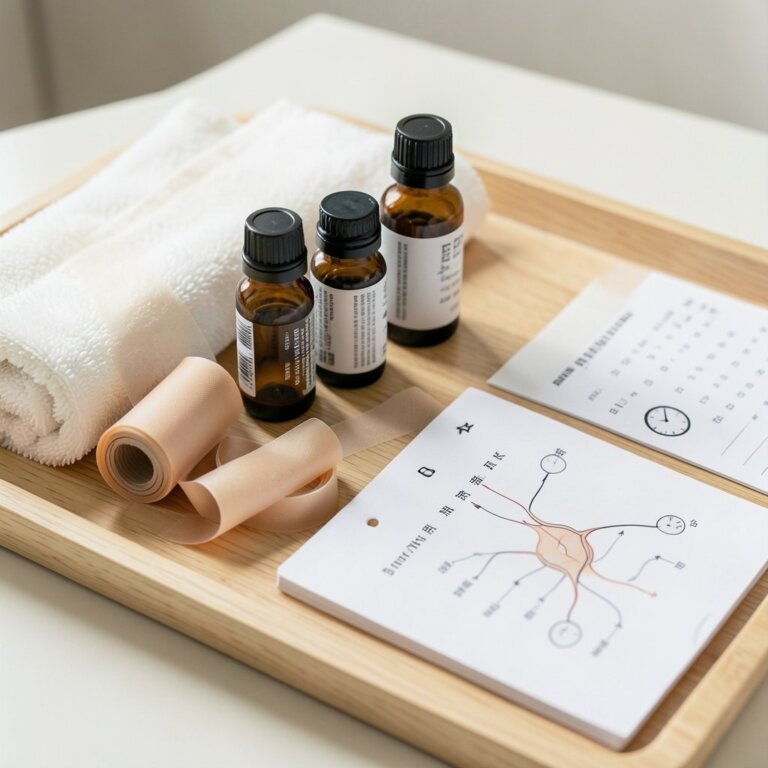

lymphatic-drainage-kinesio-taping is a practical approach to support early abdominal rehab after a recent procedure.
This guide blends actionable positioning, careful application of taping, and gentle movement to help you move more comfortably as you regain function.
At Best & Beyond Spa in Massachusetts, we’ve seen how a thoughtful combination of these techniques—delivered with care and precision—can ease swelling, improve comfort, and promote a steady return to everyday activity.
This article walks you through what to know, exact positions you can use, and practical tips to integrate this approach safely into your daily routine.
You’ll also hear how our team, led by Davilla, draws on clinical experience and warmth to tailor guidance for each guest’s journey.
The goal is clear: empower you with reliable, human-centered steps that support your abdominal recovery while respecting your body’s signals.
Throughout, you’ll find concrete examples, practical how-tos, and insights drawn from real-world practice in our Boston-area spa setting.
What lymphatic-drainage-kinesio-taping is and why it matters for early abdominal rehab
To start, lymphatic drainage focuses on guiding roused lymphatic flow to decrease swelling and support tissue gently after a procedure.
When combined with kinesio taping, a flexible, skin-friendly technique, the aim is to create subtle channels that encourage lymph movement without restricting comfort.
This pairing can help your body move more freely as you recover in the weeks after an abdominal-focused recovery phase.
In this section, we break down the concepts so you can apply them with intention.
What is lymphatic drainage in practical terms?
In simple terms, lymphatic drainage involves light, directional touch and systematic positioning that supports the natural lymphatic pathways.
The goal is not intense pressure but a careful invitation for lymph to travel toward drainage points and away from areas that feel tight or swollen.
For early abdominal rehab, the emphasis is on gentle, patient-guided techniques that minimize tissue stress while supporting comfort and mobility. kytesio-taping provides a flexible, protective layer that helps realign minor swelling patterns without restricting breathing or movement.
How does kinesio taping complement lymph drainage?
Kinesio taping is designed to be skin-friendly and breathable.
When placed correctly, the tape offers a light lifting action on the skin that can improve local lymph flow and reduce perceived heaviness.
In the context of early abdominal rehab, careful taping can help maintain an anatomical map that invites lymph to move in intended directions while you perform gentle movements or breathing exercises.
Remember, the tape is a support tool, not a substitute for natural body signals or professional guidance.
For best results, work with a trained practitioner who understands lymphatic dynamics and your body’s cadence.
Who can benefit from these techniques?
Most guests who are post-procedural in the abdominal region report benefits in reduced swelling, more comfortable movement, and a clearer sense of body awareness.
If you experience persistent heaviness, skin sensitivity, or unusual changes, pause and consult your care team.
The approach is flexible enough to adapt to different body types, scar patterns, and levels of activity, making it suitable for a broad range of rehab timelines while preserving patient safety.
Essential Lymph Drainage Positions for Early Abdominal Rehab
Below are practical positions you can adopt in the comfort of your home or in guided sessions.
Each position emphasizes gentle alignment, mindful breathing, and careful taping where appropriate.
We’ve organized these into a sequence you can follow over days, adjusting intensity based on how your body responds.
For clarity, each position is accompanied by setup tips, what to feel, and common adjustments.
The goal is steady progress, not force or strain.
This is a proactive, daily routine you can integrate into your holistic post-procedure plan.
Position 1: Supine diaphragmatic activation with light abdominal drainage
In this starting position, lie on your back with knees bent and feet resting comfortably.
Your arms can rest at your sides or across your abdomen to guide depth of breath.
Focus on a slow, diaphragmatic inhale through the nose and a gentle exhale through the mouth.
As you breathe, imagine the breath creating a soft wave along the abdomen.
If you’re using lymphatic drainage principles, you can place light, breathable tape along the lower abdomen to facilitate a subtle upward pull toward the pelvis.
The key is to keep contact comfortable and tune into the body’s signals.
If you feel numbness or burning, ease off.
This position supports early abdominal drainage without stressing incisions or tissues.
- Have a small towel under the tailbone to reduce lower-back pressure.
- Maintain a relaxed jaw and shoulders to keep breathing unrestricted.
- Use a gentle, continuous sensation rather than a sharp poke or stretch.
Position 2: Side-lying drainage for flank and pelvic regions
Side-lying positions allow gravity to assist lymph flow from the abdomen toward the torso’s natural drainage routes.
Lie on your left side with a small pillow under the head and a rolled towel or pillow under the knees for comfort.
If you’re applying lymphatic drainage concepts, place the tape along the lower abdomen from the midline to the sides, following the natural curves of the torso.
Breathe calmly and without forcing the abdomen.
This position helps ease swelling around the lower abdomen and pelvis, supporting a smoother recovery arc.
- Switch sides after 5–10 minutes if tolerated.
- Keep hips stacked and shoulders relaxed to avoid rib tension.
- Check the skin for any redness or irritation where the tape sits.
Position 3: Semi-reclined (fowler) with gentle abdominal lift
Elevate the head of the bed slightly (roughly 30–45 degrees) and position a small support under the upper back.
This arrangement helps reduce abdominal pressure while encouraging a mild diaphragmatic rhythm.
The taping in this setup should follow the natural contours of the lower ribcage and upper abdomen, supporting lymph movement toward the central axis.
Maintain a calm breath pattern, allowing the abdomen to expand evenly with each inhale.
This position fosters abdominal lymph flow without crowding the chest or neck muscles.
- Avoid tensing the neck or gripping the jaw.
- Pause if you notice increased swelling or discomfort.
- Keep the skin dry before applying tape to ensure adhesion.
Position 4: Pelvic tilt with leg support
This position helps mobilize the iliac-inguinal lymph pathways while preserving comfort around the incision area.
Lie on your back with knees bent, feet supported, and a light pelvic tilt achieved by gently tucking the pelvis.
The tape placement runs from the lower abdomen toward the groin, aligning with natural lymph routes.
Focus on slow, steady breathing, allowing pelvic tilt to become a subtle, integrated movement rather than a rigid hold.
Use this position to cultivate a sense of control over swelling and to support gradual tissue normalization.
- Begin with 2–3 minutes and build gradually to 5–7 minutes per session.
- Keep movements smooth; avoid bouncing or rapid twists.
- Be mindful of incisions or dressings and adjust tape tension accordingly.
Position 5: Gentle propped side-lying for deep abdominal relief
In this variant, prop yourself with a larger pillow to increase the space for the abdomen while lying on your side.
This posture can be especially comforting after activity and helps the abdominal region “settle” before resuming light movements.
Tape placement should maintain a soft lift across the lower abdomen, supporting lymph drainage toward the pelvis.
The goal is a restful session that promotes comfort and mobility without provoking tightness.
- Use a timer to avoid lingering in one position too long.
- Hydrate before and after sessions to support tissue response.
- Check skin conditions under the tape daily.
Position 6: Gentle seated wrap with diaphragmatic breathing
When standing or seated for short periods, you can simulate a wrap-like support by placing your hands gently over the abdomen and performing diaphragmatic breaths.
This helps coordinate breathing with lymph movement and can be paired with cues from the taping to maintain consistent tone.
Keep the spine tall but comfortable, and avoid leaning forward aggressively.
This seated approach gives a practical way to keep the lymph drainage process active during daily activities.
- Take slow, full breaths for 4–6 counts in and out.
- Pause if you feel lightheaded or short of breath.
- Inspect the tape for lifting or peeling and adjust as needed.
Position 7: Light walking with mindful breathing
Movement supports lymph flow, and a short, easy walk can complement the anterior abdominal positions.
Maintain a relaxed gait and a steady breathing rhythm—inhale through the nose, exhale through the mouth.
If you apply tape, ensure it remains comfortable during movement and does not restrict your range of motion.
This final position ties the practice together, translating the positioning into a practical routine that fits into daily life while you rebuild strength and comfort.
- Start with 5–10 minutes and increase gradually as tolerated.
- Wear soft footwear and avoid uneven surfaces to prevent strain.
- Monitor your abdomen for any changes in swelling or sensitivity.
How to apply lymphatic-drainage-kinesio-taping safely and effectively
Applying taping correctly is essential to avoid skin irritation and to maximize potential benefits.
The following guidelines help you prepare, place, and monitor tape in a way that respects the anatomy of the abdomen and the body’s natural lymph pathways.
In our practice at Best & Beyond Spa, we emphasize careful skin prep, appropriate tape tension, and ongoing assessment of how your body responds to the setup.
Taping basics and skin prep
Before applying any tape, ensure the skin is clean and dry.
Avoid lotion or oils that can prevent adhesion.
Clip nails to prevent accidental skin scratching and trim hair if necessary for a smoother fit.
When you cut the tape, round the corners to reduce lift and peeling.
For most abdominal placements, a light to moderate stretch (about 10–20%) is sufficient; avoid strong tension that can irritate the skin or tissue.
If you have incisions, place tape away from the wound edges and monitor for any adverse reaction in the first 24–48 hours.
Placement guidelines for abdomen
Place the tape so that it follows the natural contours of the abdomen: from midline outward toward the sides and toward the pelvis where appropriate.
The goal is a gentle lift that can facilitate lymph movement without compressing the tissue.
If you’re new to taping, begin with a conservative pattern and gradually adjust as you observe how your body responds to the stimulus.
For sustained comfort, avoid applying tape over sensitive scar tissue in the early healing phase.
Common mistakes and how to correct them
Common missteps include placing tape too tightly, starting with overly aggressive tension, or applying tape across flexible joints where movement could peel the edges.
A practical correction is to recheck adhesion around the edges and ensure the skin remains smooth and free of folds.
If you notice itching, redness, or blistering, remove the tape and reassess with a professional.
In our experience, gradual progression—starting with small patches and low tension—produces the most comfortable, consistent results for early abdominal rehab.
Evidence and practical insights for 2026
As we approach mid-2026, the field continues to emphasize non-invasive, movement-friendly strategies to support post-procedure recovery.
Recent studies and expert consensus suggest that structured lymphatic drainage with kinesio taping can complement gentle movement and breathing exercises, potentially reducing swelling and improving perceived comfort during the early rehab window.
While individual results vary, many guests report a noticeable difference in how easily they can resume daily activities after incorporating these techniques into their routine.
Our team at Best & Beyond Spa integrates these insights with a personalized plan that respects each guest’s pace and preferences.
For more context on the science, see general references on lymphatic principles and kinesio taping techniques from reputable sources in the health and wellness space.
What the latest trends indicate
Experts in wellness and integrative care emphasize non-invasive methods that work with the body’s natural rhythms.
The practical takeaway is that when you combine light manual techniques, diaphragmatic breathing, and careful taping, you create a supportive environment for tissue healing and movement restoration.
The trend in 2026 is a thoughtful, layered approach—balancing rest with gradual exposure to light activity—while keeping the focus on comfort, safety, and personalized pacing.
At Best & Beyond Spa, we observe that guests who follow a steady routine tend to report higher satisfaction with daily activity levels during the early rehab phase.
Real-world outcomes from our Massachusetts clients
From our Woburn location, guests who incorporate intuitive positioning and taping into their routine often describe a smoother transition back to routine tasks—like light mobility, cooking, and light walking.
While we do not claim guarantees, the combination of lymphatic drainage concepts with kinesio taping tends to support a more comfortable experience during the early recovery window.
The approach is designed to be gentle, predictable, and adaptable to body signals, which is essential after abdominal-focused procedures where tissue sensitivity can vary widely.
Limitations and considerations
It’s important to recognize that not every pattern will suit every guest.
If skin irritation, swelling worsens, or if you notice new redness near the abdominal region, pause the practice and consult a care professional.
Also remember that taping is a supportive technique, not a replacement for a tailored rehabilitation plan that might include guided movement, breathing exercises, and other modalities aligned with your recovery goals.
Integrating with Best & Beyond Spa: our approach in Massachusetts
Our team at Best & Beyond Spa brings a holistic, patient-centered approach to lymphatic-focused care.
Davilla’s background as a massage practitioner and physiotherapy-trained clinician informs a nuanced understanding of abdominal anatomy, scar behavior, and tissue tolerance.
We emphasize clean, vegan, botanical products and a calming environment to help you feel secure and supported as you explore these techniques.
The spa’s bilingual capability (English & Portuguese) ensures clear communication as you learn and practice.
Our approach in practice
In our guided sessions, you’ll see the integration of light manual techniques, diaphragmatic breathing cues, and taping as a holistic rhythm rather than separate steps.
Clinically informed adjustments—such as altering position duration, taping patterns, or breath pacing—are made to align with your feedback.
The result is a care plan that respects your pace while leveraging proven principles of lymph movement and tissue relaxation.
The aim is to create a calm, restorative experience that supports your abdominal recovery journey with reliability and empathy.
Davilla’s perspective: experience shaping practice
From Davilla’s early days as a massage therapist to her physiotherapy studies and advanced aesthetics training, the thread has always been a devotion to healing and balance.
Her approach blends practical technique with a deep respect for each guest’s unique healing trajectory.
In practice, this means prioritizing safe progression, listening to body signals, and guiding guests toward confidence in their movements and routines as they rebuild strength after an abdominal-focused procedure.
Client stories and testimonials (anonymous)
Guests often share that the combination of gentle lymph movement, thoughtful positioning, and taping helped reduce the sense of fullness after activity and supported a smoother transition back to daily life.
These reports emphasize feeling more in control and less restricted by swelling during the early rehab period.
While individual experiences vary, the overarching theme is a supportive, human-centered approach that respects pace, safety, and comfort.
Practical checklist and routine you can start this week
Use this concise checklist as a practical companion to the information above.
It’s designed to be actionable, friendly, and easy to adapt to your daily schedule while you work toward a steady abdominal recovery.
- Choose 2–3 positions to practice daily, starting with Position 1 and progressing as tolerated.
- Keep breathing slow and steady during each hold, focusing on diaphragmatic engagement.
- Apply tape only after skin is clean and dry; check adhesion at least twice daily.
- Pause if swelling increases, if you feel numbness, or if any incisions become tender.
- Incorporate a 5–10 minute light walk to complement lymph movement, watching for comfort signals.
- Maintain hydration and gentle stretches that do not strain the abdomen or back.
- Record how you feel after each session and adjust based on comfort, not pressure.
By weaving these steps into a daily routine, you can cultivate a gentle rhythm of movement and rest that supports swelling management and comfort during the early rehab phase.
The approach is meant to feel approachable, practical, and attuned to your body’s needs.
Next strategic steps to incorporate these techniques into your routine
Ready to take the next step? The best approach is a guided session with experts who understand the nuances of early abdominal rehab and can tailor the technique to your needs.
At Best & Beyond Spa, we create a calm, professional space where you can explore lymphatic drainage and kinesio taping with confidence, guided by therapists who emphasize safety, comfort, and personalized care.
Our Massachusetts team is committed to helping you move forward with clarity, ease, and renewed confidence in your body’s resilience.
To learn more about how we can support your journey, consider booking a focused session with our experienced team.
We are here to listen, assess, and adapt to your pace, ensuring you feel understood and cared for every step of the way.
The path to comfortable movement after an abdominal-focused procedure is within reach, and the right guidance can make all the difference in your recovery experience.
For ongoing inspiration and practical tips, you can explore reliable resources on lymphatic principles and kinesio taping from recognized health and wellness platforms.
As you proceed, remember that your comfort and safety come first, and your recovery journey is uniquely yours to shape with our supportive, professional guidance.
Próximos Passos Estratégicos
If you’re seeking a trusted destination for guided lymphatic-focused routines in a calm, expert environment, Best & Beyond Spa in Woburn, MA offers a holistic approach rooted in experience and care.
Our team’s commitment to wellness, combined with practical, evidence-informed techniques, helps you navigate early abdominal rehab with confidence.
Reach out to start a conversation about how we can tailor a gentle, effective routine to suit your pace and comfort level, with the warmth and attention you deserve.
Frequently Asked Questions
What is lymphatic drainage, and why is it beneficial for early abdominal rehab after a procedure?
Lymphatic drainage uses very light, directional touch and gentle positioning to support natural lymph flow. This approach can reduce swelling, ease tissue stiffness, and help you move more comfortably as you begin recovery.
How should I position myself to perform the essential lymph drainage positions safely in early abdominal rehab?
Start in a relaxed position, such as supine or side-lying, and follow guided sequences focused on abdominal regions. Move slowly, breathe evenly, and hold each position briefly to avoid strain.
How does kinesio taping complement lymph drainage during abdominal recovery?
Kinesio tape provides a flexible, skin-friendly support that helps guide lymph flow without restricting movement. When used with drainage techniques, it can reduce swelling and increase comfort during gentle activity.
What signs indicate I should pause and seek clinician guidance during early abdominal rehab?
Worsening pain, increasing swelling, redness around incisions, and fever require medical advice. New numbness or tingling, or any drainage from wounds, also warrants professional consultation.
How often should I perform these lymph drainage positions and use taping in the first weeks?
Aim for daily sessions, about 10–20 minutes each, adjusting to your comfort level. Tape usage should follow clinician guidance or product instructions; remove if irritation occurs.
Can I perform these techniques at home, and what supplies do I need?
Yes, with proper guidance. You’ll need a clean space, skin-safe kinesio tape, and clear placement instructions; monitor skin response and avoid applying tape over wounds or irritated areas.
Are there contraindications or people who should avoid lymph drainage and kinesio taping after abdominal rehab?
Avoid if you have active infection, open wounds, significant incisions, risk of deep vein thrombosis, or a known tape allergy. If unsure, consult your healthcare provider before starting these techniques.
What results can I typically expect in the first weeks when combining these approaches?
You may notice reduced swelling, less discomfort with gentle movement, and a steadier progression toward normal activities. Results vary by individual, and staying within comfortable limits is key.

At Best and Beyond Spa, Day and Davilla are dedicated professionals passionate about wellness and beauty. With expertise in spa day treatments, couples massages, and senior wellness, they provide high-quality, personalized care in a relaxing environment. Their mission is to help clients feel rejuvenated, refreshed, and truly cared for.
Related Posts
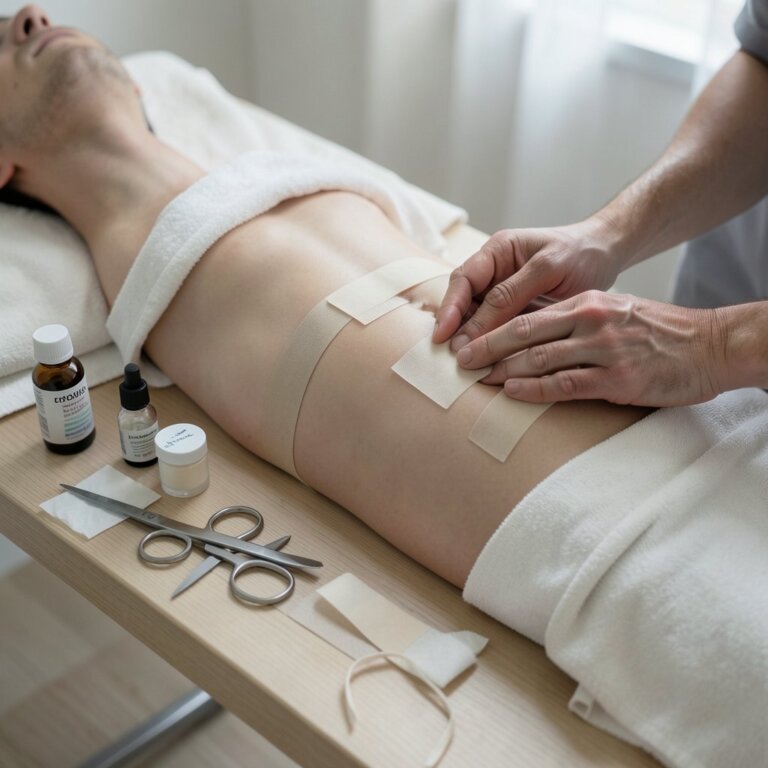
Tutorial: Safe Kinesio Taping Practices to Support Postoperative Abdominal Mobility
Comparative: Early Lymph Drainage vs Gentle Mobility for Abdominal Rehab