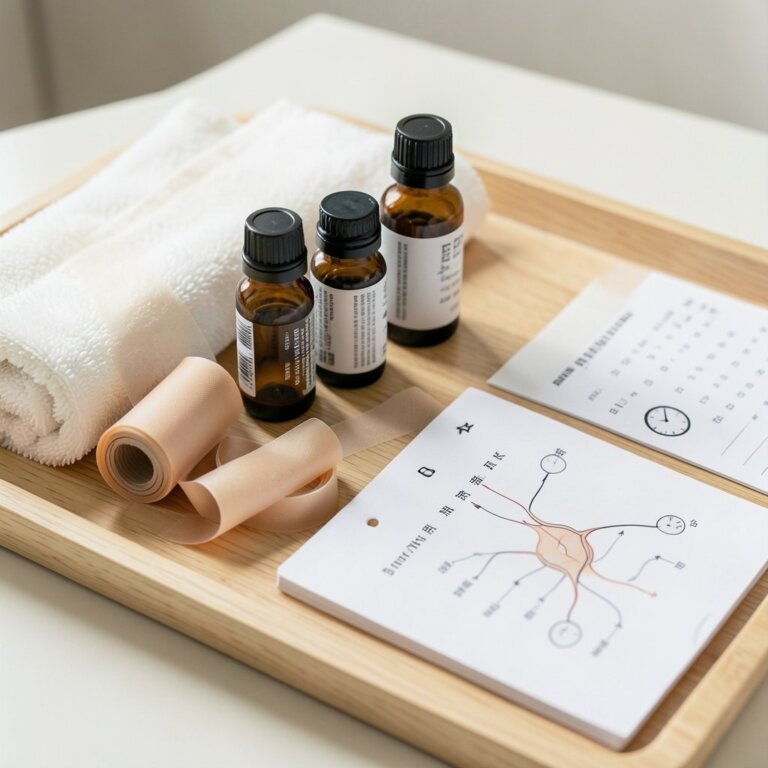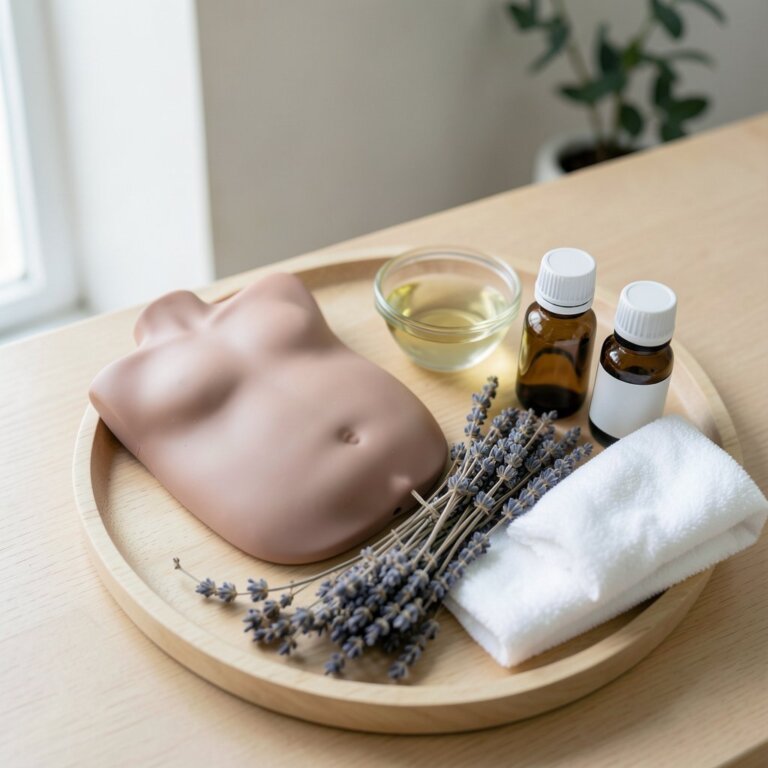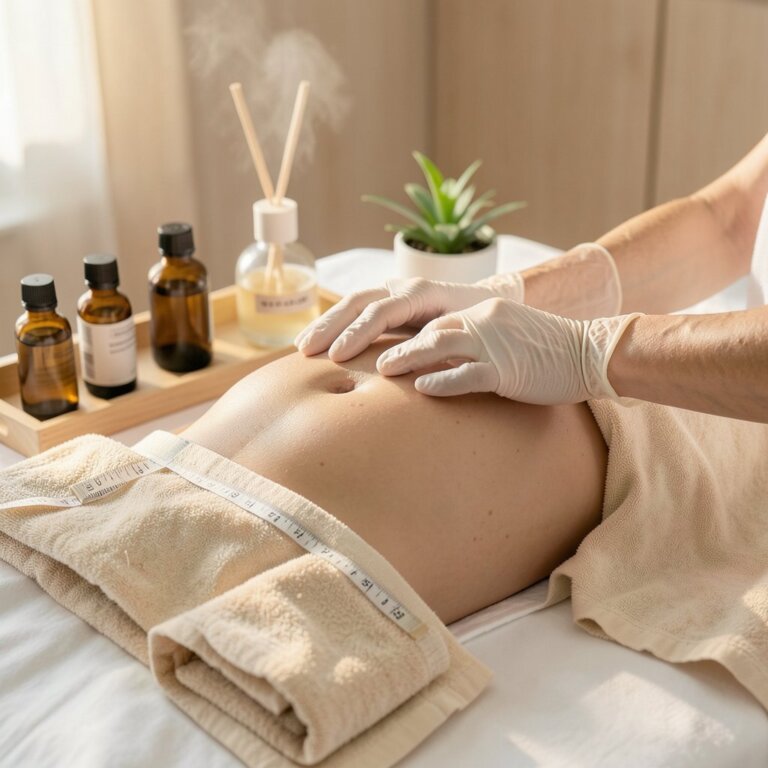
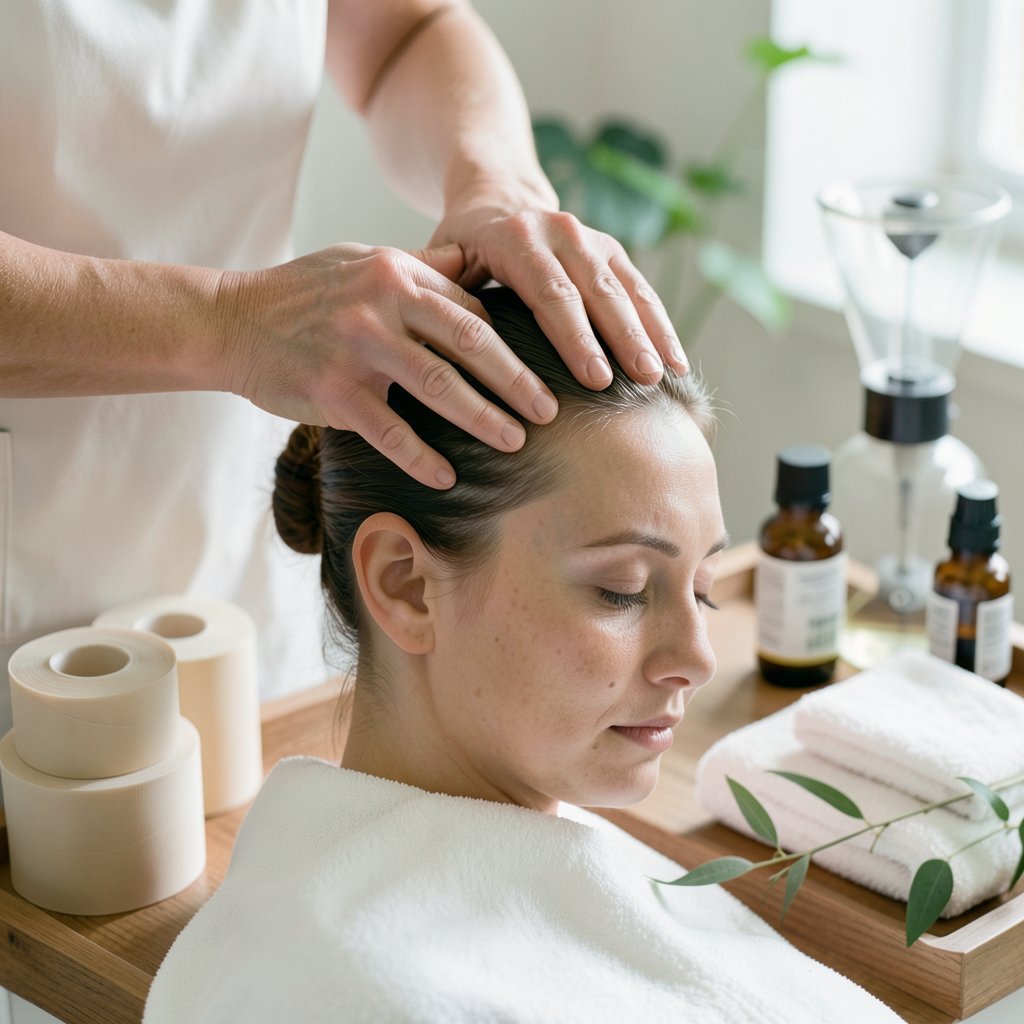
lymphatic-drainage-kinesio-taping is a thoughtfully guided approach that blends gentle manual techniques with specialized kinesio taping to support lymphatic movement in the early post-operative period, with aims to reduce swelling, ease discomfort, prevent stiffness, and speed the return to daily activities after a procedure, all while emphasizing skin-safety and patient comfort.
In this guide we contrast integrated methods that pair lymphatic drainage principles with taping against standard drainage approaches, drawing on the experience of our Massachusetts-based team to translate clinical concepts into practical, patient-centered steps you can discuss with your care providers, including what to expect in the first 48 hours and how to adapt as healing progresses.
You will find explicit, safety-conscious explanations, realistic timelines, and real-world tips—grounded in current best practices as of April 2026—so you can choose a path that respects your body’s pace, aligns with your preferences, and supports your overall well-being throughout the early recovery window.
How lymphatic-drainage-kinesio-taping Supports Early Post-Op Recovery
In the early post-operative window, swelling management and comfort are common priorities for many individuals.
The lymphatic-drainage-kinesio-taping approach combines techniques aimed at promoting lymphatic flow with adhesive tape that gently guides movement of fluids and reduces tissue tension.
This combined modality is designed to be light on the skin and scalable to each person’s tolerance, ensuring that you can progress at a pace that feels right for you.
The objective is not to rush healing but to support the body’s natural pathways for drainage while minimizing irritation or discomfort that can hinder mobility or sleep.
What it involves
Three core elements typically come together in this approach.
First, delicate manual techniques focus on guiding lymphatic pathways in a way that respects tissue sensitivity.
Second, carefully placed kinesio tape provides directional support to encourage lymph fluid movement without restricting circulation or movement.
Third, practical guidance on activity modification, hydration, and daily routines helps integrate these techniques into everyday life.
In our clinical observations, this integrated approach often correlates with steadier gait, easier positioning, and more consistent sleep in the first days after a procedure.
Key benefits
Across our practice in Woburn, MA, patients commonly report reduced swelling and greater comfort when these methods are combined.
A secondary benefit is improved adaptability of the skin and soft tissues, which may contribute to increased range of motion in restricted areas and less stiffness upon waking.
Importantly, these outcomes are typically achieved with a cautious, personalized protocol that respects individual responses and skin sensitivity.
For those who value vegan and botanical products, our approach emphasizes skin-friendly materials and minimally invasive taping compounds to support comfort and safety.
Who should consider it
Most individuals in the early recovery phase may explore this approach as a non-invasive option to support fluid balance and comfort.
Those who have experienced noticeable swelling, tightness, or difficulty finding comfortable resting positions often find value in a combined strategy that includes light manual techniques and taping.
People with thin or reactive skin, or with a known tape adhesive sensitivity, should seek a clinician’s assessment to adjust materials and application methods accordingly.
Always discuss any new approach with your care providers to ensure it fits your unique recovery goals and skin health considerations.
- Anticipated duration of sessions commonly ranges from 20-45 minutes, depending on tolerance and treatment goals.
- Frequency is typically guided by your daily routine and the pace of healing, often within the first 1-2 weeks after a procedure.
- Careful skin assessment is essential to avoid irritation and to adjust strap tension or tape type if needed.
Integrated Lymphatic Practices vs Standard Drainage: A Practical Comparison
Choosing between integrated lymphatic approaches and more traditional drainage methods is a common consideration in the early recovery phase.
This section outlines practical contrasts to help you understand what each path offers and how they compare in real-world settings, including insights from our Massachusetts spa practice.
The term lymphatic-drainage-kinesio-taping is used here as an explicit reference to the combined modality, highlighting its potential advantages in certain contexts while recognizing that individual responses vary.
Integrated protocol components
An integrated protocol blends manual lymph drainage principles with taping strategies, along with actionable guidelines for position, movement, and rest.
In practice, this means a clinician or therapist guides gentle lymphatic stimulation, applies kinesio tape to direct lymph movement, and provides home-care instructions that emphasize consistency and skin care.
This approach is particularly helpful for individuals who prefer a cohesive, single-plan pathway that addresses both drainage and comfort concurrently.
Role of taping in the integrated approach
The taping element offers a functional cue to underlying soft tissues, helping channels remain open while skin edges adapt to movement.
Kinesio tape is chosen for flexibility and skin-safety, with attention to adhesion properties and potential sensitivities.
In our experience, proper tape selection and placement support gradual improvements in lymphatic flow without creating undue tension or discomfort.
Standard drainage approaches focus more on encouraging fluid movement through manual or mechanical means and may rely less on adjunct taping.
In many cases, standard methods can be effective for general edema management, but the integrated approach adds a directional element that some patients find advantageous for early mobility and sleep.
The best choice depends on individual factors, including skin health, tolerance, and recovery pace.
- Structured assessment helps identify which path aligns with your recovery goals.
- Integrated protocols often include home-care checklists to maintain progress between sessions.
- Materials are selected with skin sensitivity and environment in mind, aligning with vegan and botanical preferences.
Timeline and Practical Steps in the First Days After a Procedural Event
Understanding the timeline helps set realistic expectations and guides practical decisions.
In the first 24-72 hours, most people experience changes in swelling, comfort, and activity tolerance.
The combination of gentle manual work with taping can be coordinated with your daily routine to promote consistency and minimize disruption.
The recent landscape in 2026 emphasizes patient-centered pacing and careful skin care as essential components of any plan that involves lymphatic modulation in the early phase.
- Within the first 24 hours: gentle moves, light taping, and close monitoring of skin response.
- By 48-72 hours: gradual increases in daily activity with attention to any changes in swelling and sleep quality.
- By day 5-7: re-evaluation of tape placement and technique to continue progression if tolerated well.
Swelling and comfort metrics
While individual responses vary, clinicians often look for reductions in limb circumference and improved ease of positioning as indicators of progress.
In practice, many patients report a sense of relief in the neck or limb areas as tissue planes become more pliable and less restricted.
TheseObservable changes, along with subjective comfort improvements, can guide adjustments to the protocol and help ensure a steady, predictable path toward fuller daily activity without overloading tissues too soon.
Safety considerations
Skin health, adhesive sensitivity, and prior medical history all influence how a plan is implemented.
A safety-first mindset means checking for redness, itching, or skin irritation and adjusting tape type or removal techniques as needed.
If new pain or swelling emerges, it’s a signal to reassess the approach and coordinate with your care team.
This cautious, patient-centered stance aligns with the Best & Beyond Spa ethos of gentle, customized care that respects individual healing timelines.
- Test patches and skin checks prior to full application are standard practice in our clinic.
- A careful tapering of activities helps maintain progress without triggering discomfort.
- Adherence to skin-friendly products supports a positive experience during the early days.
Safe Application: Techniques, Materials, and Post-Session Care
Safety and comfort come first when applying any approach that involves skin adhesion and tissue modulation.
At Best & Beyond Spa, we emphasize materials that are skin-friendly, vegan, and botanically sourced, along with techniques that minimize irritation while maximizing the potential for fluid movement and ease of motion.
The focus is on practical, approachable care that you can integrate into your routine, with ongoing check-ins to adapt based on your skin response and comfort level.
Technique essentials
Key technique elements include light, directional manual strokes that avoid over-tension, along with tape placement that follows natural lymph pathways without crossing into sensitive zones.
The know-how lies in balancing directional cues, tissue tolerances, and personal comfort.
The goal is steady progress rather than a rapid fix, recognizing that skin and tissue response varies by individual.
Taping application steps
A typical taping protocol involves skin-prep, careful alignment with lymphatic pathways, and gentle pressure to ensure secure adhesion without causing irritation.
Depending on skin type and sensitivities, clinicians may adjust tape width, elasticity, or application patterns.
In our practice, we prioritize ease of removal and minimizing skin trauma, particularly in sensitive areas or on fragile skin.
Post-session care
Post-session care includes simple instructions on positioning, rest, hydration, and gentle movements that support lymphatic flow.
We also provide practical tips on caring for the skin under adhesive tape, including minimizing moisture buildup and allowing skin to recover between sessions.
The emphasis remains on a humane, patient-centered approach that respects each person’s recovery pace and comfort preferences.
- Maintain dry skin around the tape to preserve adhesion and comfort.
- Avoid aggressive rubbing or stretching of recently taped areas.
- Document how you feel after sessions to help tailor future visits.
Common Mistakes and How to Avoid Them in Early-Phase Care
Avoiding common missteps can help you maximize comfort and minimize skin irritation while navigating the early days of recovery.
Even with expert guidance, simple errors can slow progress or cause unnecessary discomfort.
This section highlights practical missteps from our experience and offers actionable corrections you can apply right away.
Mistake #1: Overstressing the area too soon
Rushing activity or applying excessive pressure can irritate skin and counteract lymphatic pacing.
Instead, adhere to a patient-centered schedule that prioritizes rest, skin comfort, and gradual movement.
Our clinicians emphasize listening to your body and adjusting intensity based on feedback from the first few sessions.
Mistake #2: Inadequate skin checks
Neglecting skin assessment can miss early signs of irritation or tape-related issues.
A quick skin inspection after each session helps ensure changes are caught early, enabling timely adjustments to materials or technique.
In our practice, this simple habit is a cornerstone of a positive recovery experience.
Mistake #3: DIY applications without guidance
Applying dynamic taping patterns without training can lead to suboptimal results or skin irritation.
It is advisable to rely on trained clinicians for the initial phases, then gradually learn home-care steps under supervision.
The goal is to empower you with practical self-care while maintaining safety and effectiveness.
- Keep a simple log of sensations, swelling, and sleep quality to inform sessions.
- Request professional re-evaluation if any redness, itching, or unusual warmth occurs.
- Use skin-friendly products that are appropriate for clinical taping contexts.
Massachusetts Context: Real-World Applications at Best & Beyond Spa
In our Massachusetts practice, the integration of lymphatic-drainage-kinesio-taping aligns with a broader wellness philosophy that blends clinical insight with spa-level comfort.
Our team—led by a massage therapist with a physiotherapy background—brings a unique combination of hands-on skill and evidence-informed practice to post-procedural care.
The experience is enhanced by a clean, vegan, botanical product line, and a holistic focus on skin health, relaxation, and gentle recovery.
The environment—rooted in calm, restorative care—helps clients feel supported throughout the early recovery window while remaining mindful of pace and individual needs.
Client stories and practical results
While each person’s journey is unique, many clients report easier repositioning, less nighttime discomfort, and a more even progress in swelling when using an integrated approach.
Real-world feedback from our Massachusetts clients reinforces the notion that a personalized plan—coupled with in-clinic monitoring and practical at-home steps—often yields a smoother early recovery.
The approach remains patient-focused, with attention to comfort, skin health, and sustainable routines that fit busy lives.
- Case notes from our practice indicate improved sleep quality within the first few days of starting a gentle kinesio-taping protocol paired with lymphatic-based techniques.
- Patients frequently describe feeling more confident in daily activities after small increments in mobility and reduced tissue stiffness.
- Clinician observations emphasize the importance of skin-friendly materials given local climate and individual sensitivities.
Next Steps: Consultation, Assessment, and How to Start at Best & Beyond Spa
Deciding between integrated lymphatic approaches and standard drainage requires thoughtful consideration and a personalized assessment.
A professional consultation can help clarify goals, review medical history in a safe context, and determine whether an integrated approach would be appropriate for your early recovery phase.
At Best & Beyond Spa in Massachusetts, we prioritize gentle, evidence-informed care that respects your pace, skin health, and comfort preferences.
Our bilingual team (English & Portuguese) is ready to listen and guide you through a practical plan to help you feel supported as you regain ease in daily activities.
Assessment steps
A typical assessment includes a skin health check, a brief mobility evaluation, and a discussion of comfort goals.
The clinician will discuss potential materials, taping options, and the general timeline for progression.
This process ensures your plan is tailored specifically to your needs while maintaining a focus on safety and skin wellness.
When to adjust or pause the plan
If swelling rises, skin shows signs of irritation, or sleep is markedly disrupted, it may be appropriate to pause or modify the plan.
The emphasis remains on patient comfort and gradual, sustainable progress.
You can count on attentive follow-up from our team to recalibrate strategies as healing evolves.
Consultation at Best & Beyond Spa
To explore an integrated approach or to learn more about our skin-friendly, plant-powered products, consider booking a consultation with our wellness team.
We’ll discuss practical, non-invasive options, help you set realistic expectations, and outline a path that fits your preferred pace and daily life.
The goal is to empower you to feel confident in your recovery journey, with professional guidance, compassionate care, and a focus on long-term well-being.
- Clear, compassionate explanations about what to expect in the early days and weeks after a procedural event.
- Guidance on how to align daily routines with your recovery goals, including home-care steps that complement in-clinic work.
- Ongoing support from a trusted spa team known for its calm environment, expertise, and commitment to skin health.
Ready to explore a tailored plan that blends lymphatic- drainage principles with the guiding power of kinesio taping? Reach out to Best & Beyond Spa in Woburn, MA to schedule your consultation and begin a journey toward comfort, mobility, and renewed ease in your daily routine.
We’re here to help you feel your best, with expert care and a gentle approach that respects your recovery pace.
Frequently Asked Questions
What is integrated lymphatic drainage with kinesio taping, and how does it differ from standard drainage?
Integrated lymphatic drainage with kinesio taping blends gentle manual lymphatic techniques with adhesive tape that guides fluid movement and reduces tissue tension. It emphasizes skin safety, patient comfort, and individualized pacing, making it a complementary option to standard drainage rather than a replacement.
Who can benefit from lymphatic-drainage-kinesio-taping in the early post-op period?
Patients in the early post-op window who experience swelling, discomfort, stiffness, or slowed return to daily activities may benefit from this approach. It is adaptable to different procedures, but it should be tailored by your clinician to your specific healing goals.
When is it appropriate to start this approach after surgery?
Start timing depends on your surgeon’s protocol and wound status. Clinicians typically introduce it after initial healing milestones or once incisions are stable, with careful assessment of tissue sensitivity.
Are there risks or side effects associated with kinesio taping in this context?
The technique is generally safe when performed by trained professionals, but skin irritation or tape allergies can occur. Avoid use if there are open wounds, active infection, or compromised skin in the treatment area.
How does this method help with swelling, pain, and mobility during early recovery?
The combination aims to promote lymphatic flow and reduce tissue tension, which can lessen swelling and discomfort while supporting easier movement. The approach is designed to be light and tolerable, helping you sleep better and progress with daily activities.
What should I expect in the first 48 hours of using this method?
In the first 48 hours, expect cautious, gradual care with light manual techniques and gentle tape placement. You may notice reduced swelling and improved comfort, but sessions will be tailored to your response and should follow your clinician’s guidance.
How is the treatment customized to my healing progress and tolerance?
Treatments are adjusted based on your healing progress, skin response, and comfort levels—tape tension, placement, and manual pressure can be fine-tuned. If you experience increasing pain or irritation, your clinician can modify or pause the approach.
How should I coordinate this approach with my standard drainage plan and care team?
Discuss integration with your existing plan, ensuring therapies are compatible and scheduled appropriately. Share your goals and concerns with your surgeon or therapist so they can tailor the approach and monitor for safety, ensuring it complements standard drainage.

At Best and Beyond Spa, Day and Davilla are dedicated professionals passionate about wellness and beauty. With expertise in spa day treatments, couples massages, and senior wellness, they provide high-quality, personalized care in a relaxing environment. Their mission is to help clients feel rejuvenated, refreshed, and truly cared for.
Related Posts
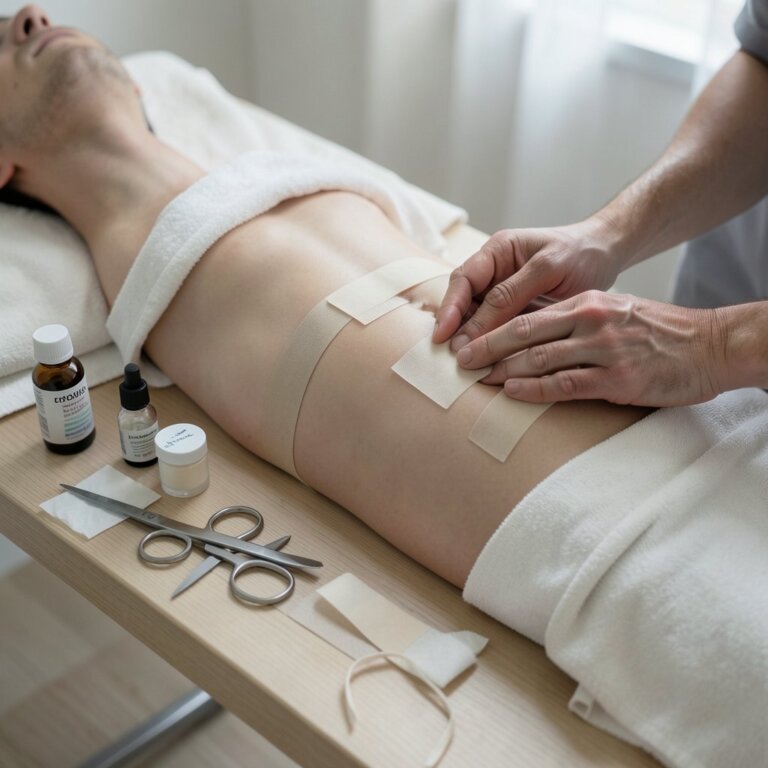
Tutorial: Safe Kinesio Taping Practices to Support Postoperative Abdominal Mobility
Comparative: Early Lymph Drainage vs Gentle Mobility for Abdominal Rehab