
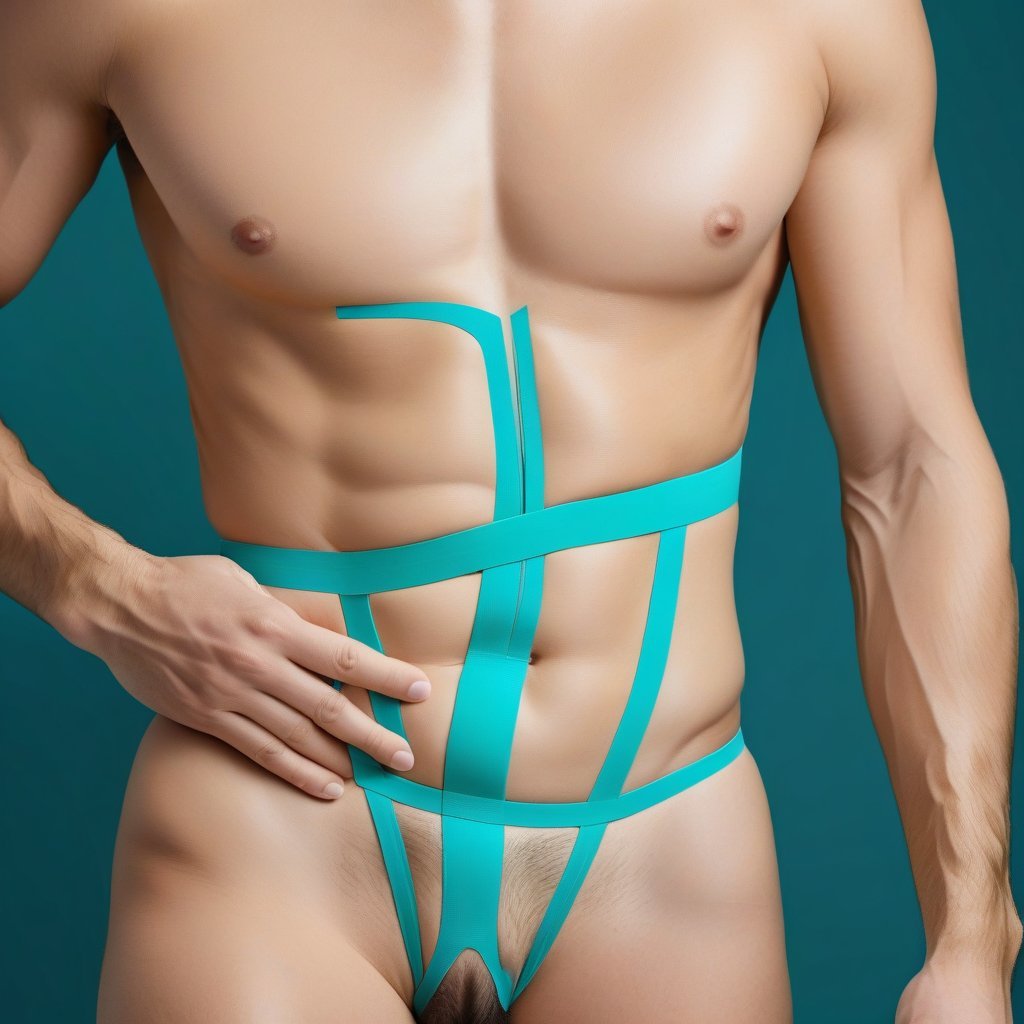
Tutorial: Coordinating Lymph Drainage with Kinesio Taping to Build Scar Resilience is a practical framework for supporting post-procedure recovery through gentle lymphatic techniques and targeted taping strategies.
In this guide, you will discover how careful sequencing of lymph drainage and Kinesio Taping can improve tissue mobility, reduce swelling, and help your skin adapt to the natural healing process.
Our approach is rooted in evidence-based massage therapy principles, clinical insights from our Massachusetts-based team, and a compassionate, human-centered care philosophy.
By combining hands-on lymphatic care with precise taping placements, you can foster resilience in the scar and surrounding tissue, making daily activities more comfortable and confidence in ongoing healing stronger.
Throughout the article, we share practical steps, safety guidelines, and real-world examples from Best & Beyond Spa’s spa team to help you feel informed and supported.
Tutorial: Coordinating Lymph Drainage with Kinesio Taping to Build Scar Resilience: What It Is and Why It Matters
Understanding lymph drainage as a natural cleansing and fluid balance mechanism helps explain why this approach matters after a medical procedure.
When swelling and excess fluid linger, mobility of nearby tissue mobility can be limited and discomfort may persist.
The combination of Kinesio Taping and careful manual techniques provides gentle support to the lymphatic system, which can assist in normalizing circulation around the scar area and surrounding skin.
This is not about a single technique; it is about a coordinated sequence that respects the body’s healing timeline and supports comfort, function, and confidence in movement.
In practice, you’ll learn how to time and layer techniques so that scar resilience can progressively improve as tissues adapt to changes in swelling, tension, and skin pliability.
The overall goal is to foster a stable, well-nourished healing environment that reduces friction and supports healthier scar formation over the weeks and months after a procedure.
What is lymph drainage and why it matters after a post-procedure recovery
Lymph drainage refers to gentle, directional strokes and light pressure that help move fluid from congested areas toward lymph nodes.
This supports drainage, reduces edema, and can improve comfort during the healing period.
In the context of scar resilience, effective lymph drainage can help prevent stiffness and excessive scar tissue buildup by promoting balanced fluid dynamics around the incision or treated region.
The technique is most effective when performed with clear boundaries, clean hands, and a focus on gradual progress rather than intensity.
In our Massachusetts practice, we emphasize patient education and mindful touch, so you understand what you feel and why each step matters for your ongoing healing journey.
Role of Kinesio Taping in gentle support and alignment
Kinesio Taping offers a flexible, breathable layer that can assist in guiding skin and underlying tissue as it heals.
The approach supports lymph drainage indirectly by minimizing friction and providing light feedback that encourages proper alignment during early daily activities.
When applied with attention to skin integrity and tape tension, Kinesio Taping can contribute to a more comfortable and controlled healing environment, without restricting movement.
Our team often uses taping strategically to address areas where edema gathers or where scar tissue tends to adhere to adjacent structures, helping to sustain progress between sessions.
Preparing Your Toolkit for Lymph Drainage and Kinesio Taping
Preparation sets the stage for safe, effective, and comfortable sessions.
In this section, you’ll learn how to assemble a simple toolkit and set up a boundary-safe environment that supports ongoing progress.
Remember, this preparation is part of the broader goal of scar resilience through a coordinated approach that integrates lymph drainage and Kinesio Taping.
First, consider essential items and safe practices that align with your comfort level and any guidance from your healthcare team.
Your toolkit might include a clean workspace, hypoallergenic tape, skin-friendly cleansers, and a light massage oil or lotion.
Always prioritize skin integrity and check for any signs of irritation before applying tape.
The idea is to create a consistent routine that you can repeat at home or with supervised care, with careful attention to skin prep and gentle technique.
As you prepare, you’ll notice that a thoughtful sequence matters just as much as the instruments themselves.
A practical approach uses light, slow movements that respect your body’s healing timeline.
By integrating edema management concepts with taping, you can support normal circulation and reduce the risk of overloading the treated area.
In our clinic and spa setting, we emphasize clear instructions and safety cues so you feel confident performing these steps outside of guided sessions as appropriate.
What to gather for home practice
- Clean workspace and hands; consider a mirror for visual feedback
- Hypoallergenic tape suitable for skin contact
- Gentle cleanser or water-based wipe for skin prep
- A light, fragrance-free moisturizer to protect skin during tape removal
- A soft cloth for wiping and checking skin response
In addition to the physical tools, establish a simple plan: a few minutes of lymph drainage followed by taped support for a specific area, then a short period of light activity to reintroduce the tissue to normal movement.
This routine supports ongoing healing timeline awareness and helps you gauge progress over weeks rather than days.
Within our Best & Beyond Spa programs, we emphasize the importance of balance and routine in contributing to overall scar resilience.
Step-by-Step Coordination: Linking Lymph Drainage with Tapings
Effective coordination means aligning the timing, pressure, and placement of both techniques so they complement one another.
In this section, we break down a practical sequence you can try, with an emphasis on safety, comfort, and real-world applicability.
The goal is to make the process approachable while maintaining a professional standard that supports ongoing improvement in tissue mobility and scar resilience.
Step 1: Gentle lymph drainage strokes that prepare the area
Begin with light, directional strokes that move toward regional lymph nodes.
The idea is to encourage fluid movement without overloading the skin.
If you feel any sharp pain or skin sensitivity, pause and reassess.
In our practice, we pair these strokes with deep diaphragmatic breathing to support relaxation and reduce perceived tension, which can enhance the overall experience and outcomes.
This step helps reduce edema and creates a more receptive environment for subsequent taping and movement integration.
Note how the body responds to the initial touches.
A well-executed lymph drainage sequence supports a smoother healing curve and contributes to a sense of control over post-procedure recovery.
As you develop comfort with the technique, you’ll notice improved skin pliability and less stiffness in the surrounding area, which is a key marker of progress in scar resilience.
Step 2: Tape placement basics that align with the lymph flow
When placing tape, aim for light to moderate tension depending on the location and skin tolerance.
Avoid placing tape directly on tender wound edges; instead, position the tape to support adjacent, non-irritated skin and underlying tissues.
For best results, apply the tape in a direction that aligns with natural lymphatic pathways and typical movement of the area you are treating.
The goal is to provide gentle guidance rather than rigid restriction.
In this practice, the careful alignment of Kinesio Taping supports fluid movement and can reduce the risk of localized swelling, which in turn supports ongoing scar resilience.
As with any technique, monitor skin response and adjust as needed.
In May 2026, clinicians across wellness centers report that patient education and collaboration enhance adherence and satisfaction with home taping routines.
Our Massachusetts team emphasizes stepwise progression and ongoing feedback so you can feel confident in your self-care while maintaining a focus on comfort and safety.
Step 3: Integrating movement and skin-friendly routines
Following tape application, reintroduce gentle movement that mirrors everyday activities.
The emphasis is on controlled, low-load motions that avoid overstressing the treated region.
This integration supports gradual remodeling of the scar and surrounding tissue, helping to maintain a balance between protection and function.
In our sessions, we often pair this stage with diaphragmatic breathing and light range-of-motion work to encourage a coordinated response between the lymphatic system, skin, and deeper tissues.
The end result is a more resilient, adaptable scar environment that aligns with your ongoing recovery goals.
Common Pitfalls and How to Avoid Them
Every path has potential missteps.
This section highlights common pitfalls that can disrupt progress and offers practical strategies to keep you on track.
By recognizing these challenges early, you can preserve comfort, protect delicate skin, and sustain a steady, positive healing trajectory that supports scar resilience.
Pitfall #1: Overdoing lymph drainage early in the timeline
Intense or frequent sessions can irritate sensitive skin or overwhelm the healing area.
To avoid this, start with short, gentle sessions and gradually increase duration as comfort improves.
In our experience, pacing yourself aligns with an improved sense of control and reduces risk of temporary increases in swelling.
Remember, progress often comes from steady, consistent practice rather than rapid, aggressive attempts.
This approach supports long-term tissue mobility and scar resilience.
Practical tip: if you notice increased redness, warmth, or tenderness after a session, pause and reassess your technique.
A quick check-in with a trained professional can help tailor the sequence to your skin’s exact response and prevent setbacks.
Pitfall #2: Incorrect tape tension or placement
Tape placed with too much tension or on irritated skin can cause irritation or discomfort.
To mitigate this, use a light touch, ensure clean skin, and avoid stretching tape over wound edges.
In our clinic, we emphasize a patient-centric approach: if a tape placement feels off, remove it gently and adjust with a lighter approach.
This careful method preserves skin integrity and supports ongoing scar resilience.
Tip: practice on a small area first to master the feel of tape tension and skin response before applying to larger regions.
This slow, mindful approach is essential to sustained progress.
Pitfall #3: Skipping skin prep and hydration cues
Healthy skin responds better to both lymph drainage and taping, so adequate skin preparation matters.
Use a gentle cleanser and a light, fragrance-free moisturizer to maintain skin health.
When skin is dry or irritated, even the best technique may be less effective.
In our experience, consistent skin care and hydration support a smoother healing timeline and make subsequent sessions more comfortable.
Pro-tip: schedule regular skin checks with your care team to ensure ongoing tolerance and adjust care as needed.
This collaborative process helps keep you aligned with the goals of scar resilience.
Customizing for Different Scar Types and Body Areas
Scar appearance and tissue characteristics vary, which means customization matters.
In this section, we explore how to tailor the approach to different scar types and body regions while preserving comfort, skin health, and the goal of improved scar resilience.
Addressing fine-line vs raised scars
Fine-line scars may respond well to lighter taping and shorter lymph drainage sessions, while raised scars might benefit from slightly longer sessions with tape placements that encourage even distribution of tension around the scar.
The key is to observe how the scar tissue interacts with nearby skin and underlying tissue.
In practice, we adjust the sequence to suit the scar’s evolution, supporting ongoing tissue mobility and comfort during daily activities.
This flexible approach aligns with our philosophy of patient-centered care in Massachusetts.
Handling different body areas, such as the abdomen or limbs
Each area presents unique considerations.
For example, the abdomen may respond to gentle lymph drainage with attention to breathing patterns, while limbs may benefit from taping that respects joint movement and muscle function.
The shared aim across areas is a balanced healing environment that maintains skin health and supports gradual improvements in scar resilience.
Adapting to activity levels and daily routines
Activity level influences how you practice lymph drainage and taping.
If you’re more active, focus on fluid-friendly movements and tape placements that tolerate joint motion.
If your days are quieter, you can emphasize careful lymph drainage sequences and skin-friendly taping that guides tissue remodeling.
This adaptability helps you stay engaged with your healing plan and reinforces progress in scar resilience.
Post-Therapy Routine for Scar Resilience
A consistent post-therapy routine reinforces gains and paves the way for ongoing independence in your care.
In this section, we outline daily practices that support scar resilience and ongoing comfort, grounded in the latest May 2026 insights from wellness practitioners.
Daily care and skin hydration
Daily skin care is foundational.
Cleanse gently, apply a light moisturizer, and monitor skin response after tape removal.
Regular hydration supports skin elasticity and reduces friction as tissues respond to the lymph drainage and taping routine.
In practice, a simple daily ritual can become a stable anchor that reinforces progress toward healthier scar texture and movement, aligning with the broader goals of recovery and well-being.
Progressive activity and movement
Gradually reintroduce functional activities to support tissue remodeling.
Start with comfortable ranges of motion, then increase as tolerated.
The aim is a controlled progression that respects both the healing timeline and your daily needs.
This approach helps maintain progress in tissue mobility and practical function, reducing stiffness and improving overall comfort over time.
Monitoring progress and adjusting care
Tracking how you feel, how the area responds to lymph drainage and taping, and how your skin looks is essential.
Use simple notes or a patient diary to capture progress.
If you notice persistent irritation, swelling, or discomfort, consult your care team to refine the sequence.
This collaborative approach supports a steady path toward enhanced scar resilience.
Choosing a Trusted Spa Partner in Massachusetts for Scar Resilience
Choosing the right partner for this journey makes all the difference.
In Massachusetts, Best & Beyond Spa embodies a calm, expert-driven, nature-focused approach that aligns with the goals of lymph drainage and Kinesio Taping for scar resilience.
Their team blends clinical insight with a warm, human-centered touch to create an experience that supports healing, restoration, and renewed confidence in daily life.
This alignment with your wellness goals is built on a foundation of trust, safety, and evidence-informed practice, tailored to your unique healing timeline and preferences.
What to look for in a spa for scar resilience
When evaluating options, look for a facility that offers integrated therapies, clean, vegan, botanical products, and a track record of compassionate care.
The ability to explain each technique in plain language, provide practical at-home guidance, and respect your pace is essential.
A trusted partner should also emphasize skin health, provide safe taping applications, and integrate lymph drainage into a cohesive plan that supports long-term comfort and function.
At Best & Beyond Spa, you’ll find a renowned team that emphasizes education, safety, and individualized care.
Their approach centers on helping you feel at ease and informed as you navigate recovery, while staying grounded in evidence-based techniques and real-world experience.
Massachusetts clients benefit from the clinic’s local knowledge, bilingual options, and a commitment to tailoring care to each person’s healing journey.
How Best & Beyond Spa aligns with your goals
Their philosophy blends expert touch, careful assessment, and gentle guidance.
You’ll encounter a team that values your feedback, explains the rationale behind each technique, and adjusts the plan to your progress.
This alignment with your wellness goals contributes to a reassuring and effective experience as you work toward stronger skin and more comfortable movement in daily life.
The combination of massage, lymph drainage insights, and taping expertise creates a holistic path toward improved scar resilience and post-procedure well-being.
In May 2026, industry leaders emphasize that choosing a trusted partner for integrated therapies fosters better adherence and outcomes.
This aligns with the values of Best & Beyond Spa in Massachusetts, where a calm, expert-driven environment supports your healing journey with compassion and clarity.
Practical Summary and Next Steps
To summarize, Tutorial: Coordinating Lymph Drainage with Kinesio Taping to Build Scar Resilience offers a practical, human-centered approach to improving scar resilience through coordinated lymph drainage and Kinesio Taping.
The method emphasizes a thoughtful timeline, skin health, gentle technique, and patient education.
By focusing on scar resilience, tissue mobility, and edema management, you can navigate the healing journey with greater confidence and comfort.
As you explore these approaches, consider partnering with a trusted Massachusetts spa team that shares these values and can guide you through home care while ensuring professional oversight where needed.
Whether you are preparing for gradual home care or seeking a structured plan within a wellness setting, the combination of evidence-informed technique, compassionate care, and local expertise can help you feel supported every step of the way.
This is the essence of a professional, human-centered approach to post-procedure recovery that prioritizes safety, comfort, and lasting well-being.
If you’re ready to experience the benefits of a trusted, top-rated wellness destination in Massachusetts, we invite you to connect with Best & Beyond Spa to explore a tailored program designed to help you achieve lasting scar resilience and everyday comfort.
Ready to begin? Schedule a consultation or a guided session to experience the coordinated approach described in Tutorial: Coordinating Lymph Drainage with Kinesio Taping to Build Scar Resilience and discover how gentle touch, expert guidance, and a thoughtful plan can support your healing journey with confidence and clarity.
To learn more about how this integrated approach fits into your healing timeline, contact Best & Beyond Spa today and begin your path toward improved comfort, mobility, and scar resilience in a calm, professional environment in Massachusetts.
May you find progress, peace, and renewed confidence along the journey of post-procedure recovery with the careful guidance of skilled therapists who care about your well-being as deeply as you do.
For ongoing care, consider a continuing program at Best & Beyond Spa that incorporates massage therapy, lymph drainage insights, and Kinesio Taping as part of a holistic wellness plan designed to support you through every phase of recovery in Massachusetts.
Tutorial: Coordinating Lymph Drainage with Kinesio Taping to Build Scar Resilience continues to inform our practice as a reference point for evidence-informed, compassionate care that respects your pace and priorities, helping you build lasting resilience in your scar and your everyday life.
Frequently Asked Questions
What is the core idea of the Tutorial: Coordinating Lymph Drainage with Kinesio Taping to Build Scar Resilience?
The core idea combines gentle lymph drainage techniques with targeted Kinesio Taping in a thoughtful sequence. This coordinated approach supports fluid balance, tissue mobility, and scar maturation rather than relying on a single technique. It respects the body’s healing timeline to enhance comfort and function during recovery.
How does coordinating lymph drainage with Kinesio Taping help with scar resilience?
By supporting lymphatic flow and reducing localized swelling, this method minimizes friction around the scar. The taping provides gentle support that complements manual drainage, helping skin pliability improve as healing progresses. The result is a more resilient scar and easier daily movement.
What is meant by the sequencing or timing in this approach to scar care?
The sequencing follows the healing timeline: begin with careful lymph drainage techniques first, then apply Kinesio Taping placements appropriate to the current stage. Techniques are layered progressively to adapt to changes in swelling, tension, and skin mobility. Proper pacing helps prevent tissue irritation and supports steady improvement.
Are there safety guidelines or contraindications to consider with lymph drainage and Kinesio Taping?
Yes. Consult a clinician if you have infection, open wounds, or circulation issues. Use proper taping techniques to avoid skin irritation, and stop if you notice increased redness, pain, or swelling. This approach should be guided by professional assessment, especially after surgery or procedures.
When can you start these techniques after a medical procedure?
Begin only after medical clearance and once the initial healing phase allows gentle manipulation. Start with light lymph drainage strokes and non-irritating taping under professional guidance. Progress gradually as the scar and surrounding tissue respond to treatment.
Can this method help with areas beyond the scar, such as surrounding edema?
Yes. By supporting regional lymphatic pathways, the approach can reduce swelling in adjacent tissues and improve overall mobility. This broader effect often enhances comfort during everyday activities. The focus remains on the scar, with benefits extending outward.
How will I know if scar resilience is improving over time?
Look for reduced stiffness, smoother skin texture, and less friction during movement near the scar. You may also notice easier range of motion and less discomfort with daily tasks. These signs indicate progress in tissue resilience and healing.
What outcomes can be expected from consistently applying this tutorial’s approach?
Patients often experience more comfortable daily activities, diminished swelling, and greater confidence in ongoing healing. Over time, the scar and surrounding tissue can become more resilient with improved mobility and tissue harmony. Results vary by individual and adherence to guidance.

At Best and Beyond Spa, Day and Davilla are dedicated professionals passionate about wellness and beauty. With expertise in spa day treatments, couples massages, and senior wellness, they provide high-quality, personalized care in a relaxing environment. Their mission is to help clients feel rejuvenated, refreshed, and truly cared for.
Related Posts
Comparative: Lymph Drainage with Kinesio Taping vs Lymph Drainage Alone for Early Abdominal Scar Mobility
“Comparative: Lymph Drainage with Kinesio Taping vs Lymph Drainage Alone for Early Abdominal Scar Mobility”