
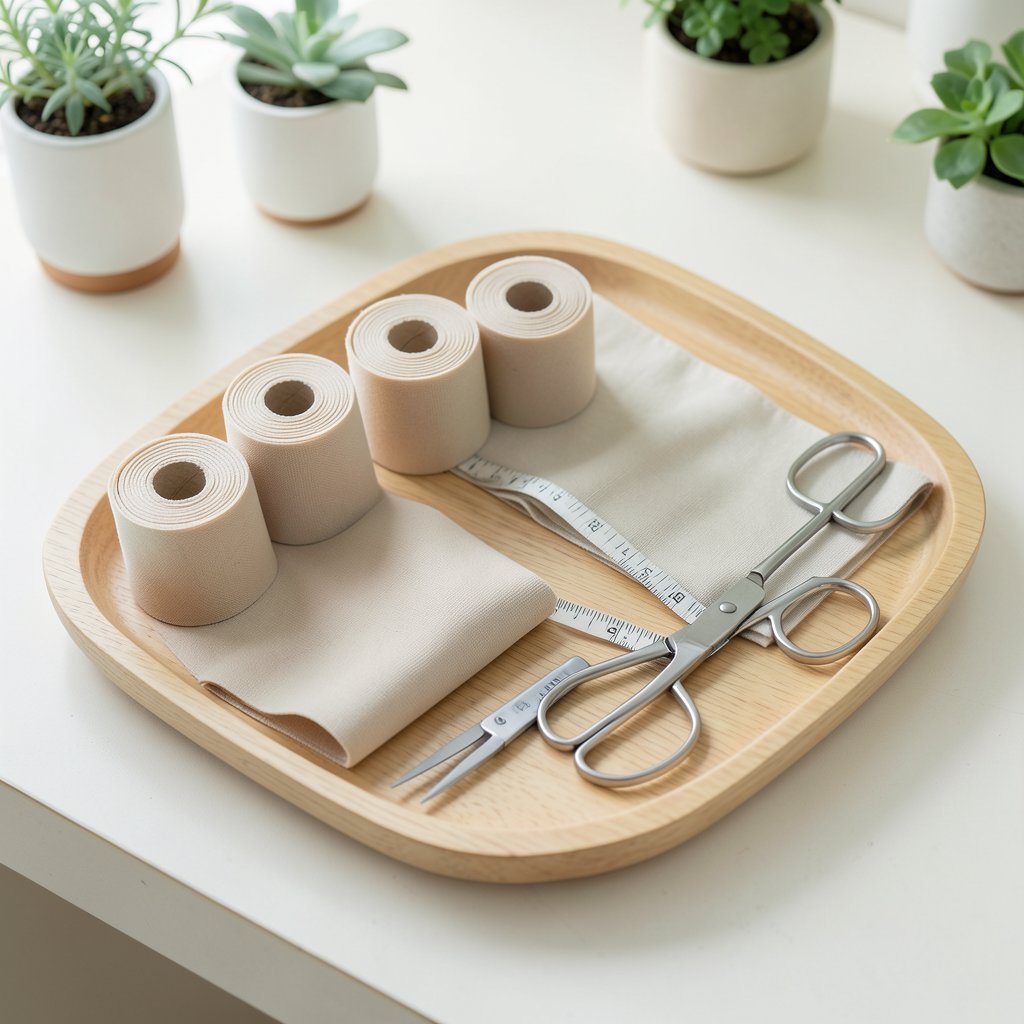
Comparative: Kinesio Taping vs Standard Support for Early Abdominal Mobility Outcomes is a topic many patients ask about as they begin the recovery journey after a procedure.
In this guide, we explore practical options, evidence, and a holistic approach to support gentle, safe movement during the early days and weeks.
At Best & Beyond Spa, our Massachusetts-based wellness team emphasizes a calm, evidence-informed approach to post-procedure care.
We focus on their comfort, progressive activity, and mindful recovery, integrating Integrated Abdominal Rehab principles to help you regain function without rushing through the process.
This guide is designed for anyone who has completed a procedure and wants practical, compassionate guidance from a trusted local wellness destination.
Throughout, you’ll find actionable steps, practical examples, and insights drawn from our experience combining massage-informed care with rehabilitation-informed movement.
The aim is to support gentle, consistent improvements in core function, breathing mechanics, and overall posture—without overstating outcomes or promising results.
What This Means for Post-Procedure Mobilization
When we talk about early abdominal mobility, we’re focusing on safe, progressive movement that respects the healing timeline.
The choice between Kinesio Taping and standard abdominal support wraps can influence comfort, confidence, and daily activity in the first two weeks after a procedure.
The goal is to support proprioception, reduce strain on the healing area, and promote a sustainable pattern of gentle activation of the core muscles.
In practice, many clients benefit from starting with a low-intensity plan that blends soft tissue work, breathing mechanics, and guided movements.
This approach reduces guarding, improves movement quality, and helps you understand what your body can tolerate at each stage.
It’s not about delivering fast results; it’s about building tolerance and confidence through daily practice.
- What to expect: gradual improvements in ease of deep breathing, less rib-cage tension with movement, and better alignment during daily tasks.
- How to observe: note pain-free sensations during light activation and the absence of new soreness after short activity bouts.
- What to track: energy levels, range of motion, and perceived stability during standing, sitting, and gentle transitions.
As you read, consider how an Integrated Abdominal Rehab plan can blend options to suit your preferences, your healing timeline, and your daily life in Massachusetts.
This ensures a balanced, humane approach that respects both science and lived experience.
Evidence Snapshot for Comparative: Kinesio Taping vs Standard Support for Early Abdominal Mobility Outcomes
What does recent data suggest about early abdominal mobility and these two approaches? Studies in rehabilitation and musculoskeletal health indicate mixed results, with variability tied to technique, duration, and individual healing trajectories.
Here’s a concise, evidence-informed view tailored to the post-procedure period.
Key takeaways from recent research
According to recent studies and reviews from 2024–2026, Kinesio Taping may offer modest benefits in terms of comfort and perceived support for some individuals, particularly during activities that involve trunk rotation or transitional movements.
However, effects on objective measures such as range of motion or functional endurance are often small and highly individualized.
By contrast, standard abdominal wraps or supports tend to provide consistent stabilization and a familiar cue for posture during daily tasks.
For many, this can translate into a stable baseline that makes it easier to engage in controlled movements and breathing exercises.
The combined data suggest that neither approach universally outperforms the other across all outcomes; rather, the choice may hinge on preference, tolerance, and how movement is integrated into a broader rehabilitation plan.
- Meta-analyses (2024–2026) commonly report small-to-moderate effects on pain perception and comfort with Kinesio Taping, with variability across populations and protocols.
- Standard supports often yield reliable improvements in perceived stability and ease during activities that require trunk control, especially in the early days after a procedure.
- Clinical guidelines increasingly emphasize individualized plans that blend modalities and emphasize gradual exposure to movement, breathing, and functional tasks.
For a practical, patient-centered approach, consider how a clinician or rehabilitation-focused wellness practitioner might combine these modalities within an Integrated Abdominal Rehab framework.
The goal is to maximize comfort, minimize guarding, and promote healthy, mindful movement patterns as healing progresses in Massachusetts communities.
What the data means for you
The evidence supports a thoughtful, staged approach.
If you find one method more comfortable or familiar, using it early on can help you stay engaged with your daily plan.
If another option feels more versatile for a range of activities, that may be the better choice to support long-term participation in movement and daily living tasks.
In all cases, progress should be gradual, patient-driven, and documented to guide subsequent steps.
To keep you informed, our wellness team schedules regular consultations to tailor choices to your experience, tolerance, and recovery rhythm.
By combining gentle movement, breathing techniques, and soft tissue care, we support a balanced path through the initial phase of post-procedure healing in a calm Massachusetts setting.
Practical observation points
Use the following questions to guide your self-monitoring in the first two weeks after a procedure:
- Is there persistent sharp pain with any movement, or does comfort remain steady at light activity?
- Do you experience improved ease with deep breathing and relaxed shoulders during daily tasks?
- Are you able to maintain a neutral spine and comfortable posture during sit-to-stand transitions?
If the answers trend toward improvement, you’re likely following a sustainable path.
If concerns arise, consult a rehabilitation-focused practitioner who can adapt your plan with careful progression and safety in mind.
Practical Protocols Within an Integrated Abdominal Rehab Approach
Implementing a practical plan requires clarity about when to apply each modality, how to progress, and what to observe.
Below is a structured approach that blends modalities in a patient-centered, cautious way.
We’ll reference Integrated Abdominal Rehab as the guiding framework to ensure consistency and safety in everyday life.
Protocol A: Early activation and gentle stimulation
What it includes: light, exploratory movements combined with either Kinesio Taping or a comfortable, supportive wrap.
The aim is to encourage soft tissue tolerance and proprioceptive awareness without provoking discomfort.
Key steps:
– Begin with 5–7 minutes of diaphragmatic breathing while sitting or lying down, focusing on expansion of the lower ribs with each inhale.
– Progress to upper-body reach and subtle trunk rotations within a pain-free range, staying mindful of your healing timeline.
- Use flexible tape or a light wrap only if it feels supportive and non-restrictive.
- Move slowly from supported positions to standing, maintaining a neutral spine and relaxed jaw.
Protocol B: Daily movement integration
What it includes: a simple daily routine that emphasizes stability, posture, and controlled breath.
The routine can be performed at home or in a quiet space at a Best & Beyond Spa location.
- Posture awareness during desk work or light activity, aiming for even weight distribution on both hips.
- Short walking intervals with a steady cadence, stopping if fatigue or pain sets in.
- Breathing exercises paired with gentle arm movements to encourage rib cage flexibility without strain.
Protocol C: Progression checkpoints
When to advance to the next stage should be guided by comfort, not a schedule.
Consider moving forward if you can perform the previous steps with minimal effort and no new soreness after 24–48 hours.
This is a patient-led, safety-first approach aligned with Integrated Abdominal Rehab.
Throughout these protocols, our Massachusetts-based team emphasizes gentle activation, core coordination, and mindful recovery to support daily living activities and long-term resilience.
We avoid overloading the healing area while ensuring you stay engaged in meaningful movement.
Real-world examples of progression
Case examples highlight how small daily gains compound into meaningful improvements.
A typical progression might look like this:.
- Week 1: comfortable diaphragmatic breathing, light resting positions, and 2–3 short sessions of guided movement per day.
- Week 2: longer sessions, safe transitions, and introduction of very light resistance or proprioceptive challenges if tolerated.
- Week 3–4: increased activity tolerance, improved posture during daily tasks, and enhanced control of the abdominal region during gentle dynamic movements.
Throughout this journey, you’ll notice the impact of a consistent plan that blends hands-on care from a wellness team with practical, home-based practice—an approach that supports the entire healing ecosystem in your life in Massachusetts.
Common Pitfalls and How to Avoid Them
Any plan for early mobility post-procedure should anticipate potential missteps.
Here are the most common pitfalls and practical ways to avoid them, all through the lens of a compassionate, evidence-informed approach.
Pitfall #1: Pushing too hard too soon
The instinct to “do more” can backfire if it overwhelms the healing area.
Instead, opt for shorter, more frequent sessions that respect your body’s signals.
This aligns with a measured, patient-centered plan in a welcoming wellness setting.
- Observe signs of fatigue, stiffness, or mild soreness that lingers after activities.
- Dial back intensity if pain increases, and revert to comfortable ranges before advancing again.
- Seek guidance from a rehabilitation-focused clinician if progress stalls or discomfort persists.
Pitfall #2: Rigid adherence to a single method
Relying on one modality without adapting to how you feel can limit progress.
A flexible plan that alternates between an option like Kinesio Taping and standard abdominal support is often more effective in real life.
- Try different cues to see what helps you move with ease (tape vs wrap, different positions).
- Document how each option affects comfort and function for a week before deciding.
- Involve a wellness professional who can tailor your approach while honoring your preferences.
Pitfall #3: Neglecting breathing and posture
Breathing and posture play a central role in early mobility.
Skipping these components can prolong recovery.
Prioritize diaphragmatic breathing and posture work alongside any external support used.
- Incorporate breathing cues into every movement session.
- Use gentle posture checks during daily activities, such as standing in line or reaching for items.
- Pair breath with movement to foster a sustainable rhythm of activity.
Home Exercise and Daily Activity Plans
Integrating movement into daily life is essential.
Below is a practical, home-friendly plan that fits within a broad Integrated Abdominal Rehab approach.
It’s designed to be approachable, adaptable, and respectful of your pace in Massachusetts communities.
5-day starter plan
What to do: short sessions that blend gentle activation, breathing, and movement patterns.
- Day 1–2: 5-minute diaphragmatic breathing, 2–3 short movement blocks, limited load.
- Day 3–4: Extend sessions to 8–10 minutes, introduce light proprioceptive cues, and assess tolerance.
- Day 5: Combine breathing with a simple standing routine and a short, relaxed walk (if comfortable).
Key reminders: stay within a comfortable range, use a supportive wrap if it improves comfort, and avoid any movement that triggers sharp or increasing pain.
A calm, mindful pace is essential for lasting progress.
Weekly progression checklist
Track the following as you progress through weeks 1–4 after the procedure:
- Comfort during daily activities
- Stability of the trunk during transitions
- Breathing efficiency and ease with movement
- Movement quality and control in functional tasks
Our Massachusetts team can adjust the plan based on your experience, ensuring the approach remains supportive and aligned with your recovery timeline.
The aim is to maintain motivation while honoring your personal boundaries and comfort levels.
Integrated routines like these reinforce a shared goal: helping you re-engage with everyday activities confidently and safely.
The structure supports not only physical progress but also emotional comfort, which matters for long-term well-being in a spa setting like Best & Beyond Spa.
Choosing the Right Plan With Our Massachusetts Wellness Team
Choosing between Kinesio Taping and standard abdominal support is a nuanced decision.
The right path takes into account your history, healing pace, and daily demands.
Our team in Massachusetts emphasizes a collaborative, evidence-informed approach that respects your voice while providing professional guidance.
This is how we translate science into compassionate, daily practice.
Who benefits most from an integrated approach
People who want to stay active while healing—and who value a plan that blends modalities with daily routines—often benefit most from an integrated approach.
A supportive plan can improve confidence, reduce guarding, and enhance participation in light activities that matter to you.
For those who prefer a familiar cue, a standard wrap option can provide reliable stabilization during early days.
Others may prefer a taping approach for specific activities or movement patterns.
The key is to choose a plan that feels sustainable and that you can maintain with the guidance of a rehabilitation-focused professional.
3 things to discuss with your wellness team
- Your goals: what daily activities or tasks are most important to you?
- Comfort and tolerance: what level of sensation or pull is acceptable during movement?
- Progression plan: how will you advance activities if you feel ready, and what signals indicate you should pause?
At Best & Beyond Spa, we blend a thoughtful, non-pressured approach with practical, hands-on support.
Our team members, rooted in a wellness tradition that values calm, precision, and care, guide you toward a personalized plan that fits your life in Massachusetts.
This is how we translate knowledge into trust, and trust into meaningful recovery experiences for our clients.
What Integrated Abdominal Rehab looks like in practice
In our sessions, you’ll experience a holistic framework that combines hands-on care with movement education.
You may experience soft tissue care, guided breathing, posture coaching, and light, controlled movements—always tailored to your pace.
The result is a practical, humane path that respects your body and your rhythm, helping you stay engaged and hopeful throughout the early recovery window.
To help you visualize the path, here are practical cues you can use during daily life in Massachusetts:
- Stand tall with shoulders relaxed and hips aligned; imagine a string lifting you from the crown of your head.
- Couple slow breaths with small, deliberate movements to keep your core engaged without strain.
- Take consistent, short breaks from sustained postures to minimize stiffness and protect the healing area.
Conclusion: A Thoughtful, Patient-Centered Path Forward
Choosing between Kinesio Taping and standard abdominal support is not about finding a universal “best” solution.
It’s about aligning a plan with your healing pace, activity goals, and lifestyle.
In March 2026, the best-informed approach emphasizes individualized plans, cautious progression, and a holistic framework—like our Integrated Abdominal Rehab approach—designed to support you in Massachusetts with empathy, expertise, and practical results.
Our team’s philosophy blends evidence-informed practice with the human touch of massage-informed care and rehabilitation-aware movement.
This combination supports comfortable movement, breathing efficiency, and daily functioning in a way that respects your body and your life.
If you’re seeking a trusted, top-rated wellness destination in Massachusetts to guide you through this period, Best & Beyond Spa offers a calm, professional space where you can explore your options and begin a sustainable path to recovery.
Ready to learn more about how our Massachusetts team can tailor a plan to your specific needs? Reach out to a wellness professional who understands both evidence and empathy, and discover how a well-structured, patient-centered plan can help you feel more confident as you move forward in your recovery journey.
Integrated Abdominal Rehab is not a one-size-fits-all program; it’s a flexible approach that honors your pace, preferences, and daily life.
By combining gentle activation, mindful breathing, and appropriate support, you can create a stable foundation for long-term wellness.
We invite you to explore how our experienced team can guide you toward a balanced, comfortable routine that fits your lifestyle in Massachusetts.
To begin your personalized plan and schedule a compassionate, professional consultation with our wellness team, contact Best & Beyond Spa today.
We’re here to support you with care, expertise, and a thoughtful approach to early mobility that respects your journey and your future.
Frequently Asked Questions
What is the main focus of the comparative analysis between Kinesio Taping and Standard Abdominal Support for early abdominal mobility outcomes?
The article compares how Kinesio Taping and standard abdominal support affect early mobility after a procedure, emphasizing comfort, proprioception, and safe core activation. It notes that outcomes depend on the healing stage, proper application, and individual tolerance, all within a holistic recovery approach.
Does Kinesio Taping lead to better early abdominal mobility outcomes than standard support?
Evidence suggests results vary by individual; neither method guarantees superiority. The guide emphasizes context, proper technique, and adherence to a progressive plan for post-procedure recovery.
Who should consider Kinesio Taping during early recovery, and when should it be avoided?
People within the first two weeks post-procedure may explore Kinesio Taping for proprioceptive feedback and comfort under professional guidance. It may not suit everyone, especially if skin sensitivity or contraindications exist.
What are potential risks or downsides of using Kinesio Taping or standard abdominal wraps?
Potential issues include skin irritation, allergic reactions, or restricted movement from over-tight wraps or misapplied tape. Working with a trained clinician and monitoring comfort helps prevent these problems.
How do breathing mechanics and Integrated Abdominal Rehab fit with these supports?
The article highlights combining soft tissue work, mindful breathing, and guided, low-intensity movements to improve movement quality while using either taping or wraps. This holistic approach supports gradual tolerance and core activation.
What practical steps can I take in the first two weeks post-procedure?
Start with a low-intensity plan that blends gentle core activations, diaphragmatic breathing, and daily practice. Progress as comfort allows, avoiding escalation that causes pain or guarding.
Can I expect rapid improvements in core function from these methods?
The guide emphasizes gradual progress over fast results; consistent practice aims for safer, sustainable improvements in posture and breathing mechanics.
How should I decide between Kinesio Taping and standard abdominal support for my recovery plan?
Consider comfort, healing timeline, and professional guidance; you may trial one approach and monitor response, adjusting as needed. Personal tolerance and provider recommendations should guide the choice.

At Best and Beyond Spa, Day and Davilla are dedicated professionals passionate about wellness and beauty. With expertise in spa day treatments, couples massages, and senior wellness, they provide high-quality, personalized care in a relaxing environment. Their mission is to help clients feel rejuvenated, refreshed, and truly cared for.
Related Posts

Guide: Optimizing Timing for Lymphatic Sessions Post-Operative Recovery
Guide: Optimizing Timing for Lymphatic Sessions Post-Surgery