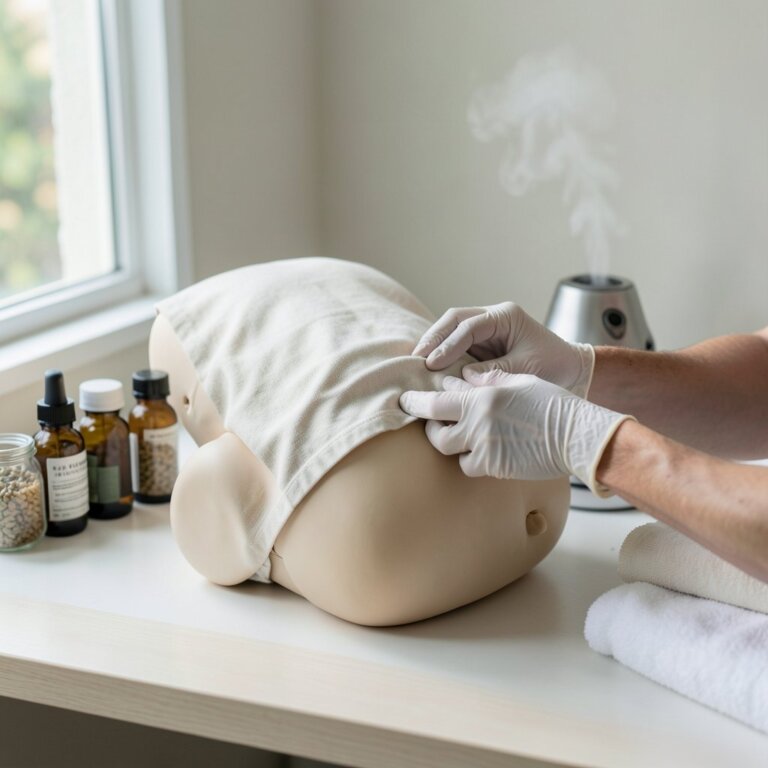

Immediate Abdominal Rehab is a proactive approach to support early recovery after abdominal surgery, focusing on gentle techniques that enhance lymphatic flow, reduce swelling, and promote safe movement.
In the weeks following an abdominal procedure, the body shifts into a healing mode that benefits from careful, disciplined care.
This guide compares combining lymph drainage with kinesio taping against lymph drainage alone, outlining practical steps, safety considerations, and real-world insights from a trusted Massachusetts spa team.
At Best & Beyond Spa, we blend our clinical massage heritage with holistic wellness to create a recovery rhythm that feels both restorative and empowering.
The goal is to help you transition from post-operative sensitivity to confident, everyday activity with less discomfort and more ease.
Throughout this guide, you’ll find concrete examples, actionable steps, and compassionate guidance designed for people who have recently had surgery or anticipate upcoming abdominal procedures.
Immediate Abdominal Rehab: What It Means After Surgery
When we talk about Immediate Abdominal Rehab, we’re describing a carefully staged plan that begins soon after surgery and continues through the first weeks of healing.
The emphasis is on non-invasive, soothing techniques that support the body’s natural drainage and tissue remodeling while protecting incision sites.
In our practice, we emphasize gentle touch, breathing-guided movement, and skin-friendly support to help you relearn comfortable mobility without overloading the abdominal region.
In practical terms, this means a program that blends manual lymph drainage with attention to breathing patterns, posture, and small, progressive movements.
Early rehab sessions are designed to be tolerable, paced, and mindful, so you can build confidence without provoking pain or strain.
The aim is not to rush back to pre-surgery activity, but to restore safe function, reduce edema, and support a steady return to daily tasks.
At Best & Beyond Spa, our approach reflects decades of experience in therapeutic bodywork, clinical physiotherapy fundamentals, and a deep appreciation for the body’s healing timeline.
What you’ll notice during the early phase is a shift in how your body handles swelling, fluid balance, and scar tissue formation.
With the right guidance, you may experience improved comfort, a sense of greater control over your movements, and smoother transitions into light activities.
The collaborative nature of rehab—combining professional technique with patient awareness—helps you become an active participant in your recovery journey.
This article provides a balanced view of two widely used modalities and helps you decide what may fit best within your personalized plan.
How Lymph Drainage Therapy Supports Early Recovery
What lymph drainage therapy is and why it matters after abdominal surgery
Manual lymph drainage (MLD) is a light, rhythmic touch that encourages lymphatic fluid movement away from swollen areas toward regional lymph nodes.
After abdominal surgery, edema around the incision and surrounding tissues is common, and MLD can help manage this swelling, reduce tissue tension, and support skin mobility.
The technique emphasizes gentle pressure, slow strokes, and a direction that aligns with the body’s natural drainage pathways.
By supporting lymphatic flow, this modality can contribute to a more comfortable healing experience and may help reduce the sensation of fullness or tightness in the abdomen.
In our clinical practice, we’ve seen how properly applied lymph drainage supports a calmer abdominal environment, which often translates to better tolerance of gentle exercises, improved breathing mechanics, and clearer sensation of progress.
The process is gentle enough to be used in the early postoperative period and can be adapted to your comfort level.
As you regain function, MLD can be integrated with other modalities to maintain a steady pace of recovery while respecting incision integrity.
- Reasonable, non-invasive approach that respects sensitive tissue
- Gradual stimulation of lymphatic pathways to reduce edema
- Supports early, breath-focused movement work
From a wellness perspective, lymph drainage is not a substitute for medical guidance but a complementary strategy that aligns with a holistic rehab plan.
Recent industry insights in 2026 emphasize gentle initiation and careful progression in the immediate post-surgical window, prioritizing patient comfort and safety while supporting tissue healing.
Practically, this means sessions are tailored to your incision site, comfort level, and overall recovery trajectory.
Our aim is to make each session a constructive step toward less swelling, fewer restrictions, and more confidence in daily activity.
How to prepare for a lymph drainage session
Preparation is simple and focused on comfort.
Wear comfortable, loose-fitting clothing that allows easy access to the abdomen without irritating the incision.
Communicate any sensations you experience—fatigue, tenderness, or unusual numbness—so the therapist can adjust the pressure and technique.
Prioritize breathing during the session, using slow, diaphragmatic breaths to support the movement of lymphatic fluid and to keep the core engaged in a gentle, controlled manner.
In practice, technicians may encourage small, sequential movements such as gentle abdominal breathing, a few degrees of pelvis tilts, and light stretches that do not stress the incision.
The combination of MLD with mindful movement tends to produce a sense of openness in the chest and abdomen, which many patients find very reassuring as they progress through the early rehab phase.
The Role of Kinesio Taping in Postoperative Swelling Management
What Kinesio Taping does for the post-surgical abdomen
Kinesio Taping, when applied by trained professionals, provides light, adjustable support to the abdomen and fascia.
The tape is designed to gently lift the skin, creating space that can help improve microcirculation and lymphatic flow at the surface level.
This may contribute to a calmer swelling pattern and a reduction in the sensation of heaviness as you begin to move more in the first two weeks after surgery.
Importantly, kinesio taping should be applied with attention to incision lines and any sensitive areas, and removal or reapplication should be guided by your clinician to avoid disruption of healing tissues.
From a wellness perspective, the visual cue of tape can also offer a psychological sense of support, which some patients find reassuring as they resume light activities.
The real value, though, lies in the subtle changes to the skin and underlying tissue mechanics that kinesio taping can promote when used appropriately and in harmony with lymph drainage and breathing work.
- Supports skin mobility and accommodates gentle movement
- May assist with edema control in the early recovery period
- Applied by a trained professional to protect incision integrity
In 2026, industry experts emphasize timing and technique as critical to positive outcomes with taping.
When applied too early, or with excessive tension, taping can be uncomfortable or counterproductive.
A skilled practitioner recognizes the delicate balance between providing support and allowing natural tissue movement.
At Best & Beyond Spa, we prioritize precise placement, skin-friendly materials, and close monitoring of your response to the tape so that we can adapt quickly as your healing progresses.
Application guidelines and safety considerations
Effective kinesio taping requires a trained hand and an understanding of your surgical wound.
Guidelines commonly recommended by practitioners include avoiding direct tape on broken skin or fresh sutures, ensuring clean, dry skin before application, and using light to moderate tension that respects your tenderness levels.
If you experience itching, skin irritation, or discomfort under the tape, it’s important to communicate with your clinician so adjustments can be made or the tape can be temporarily removed.
In our practice, we document reaction and progress at each session to ensure you remain comfortable and protected during the healing window.
Combined Lymph Drainage and Kinesio Taping vs Lymph Drainage Alone: A Side-by-Side Comparison
What the latest evidence suggests in 2026
In 2026, clinicians and researchers continue to analyze the combined approach of lymph drainage with kinesio taping against lymph drainage alone.
The prevailing view is that, for many patients, the integrated modality offers complementary benefits—helping manage swelling, supporting tissue mobility, and enhancing comfort during the initial recovery phase.
While individual results vary based on incision type, surgery scope, and recovery pace, practitioners often report that pairing these techniques can create a smoother transition to light activity while preserving incision safety.
This comparative insight aligns with our experience at Best & Beyond Spa, where a blended protocol is frequently chosen for patients seeking a measured, holistic return to daily life.
Pros and cons for different recovery scenarios
- Pros of combining modalities: synergistic edema control, improved skin mobility, enhanced comfort during gentle activity.
- Cons or considerations: requires skilled application, timing matters, and some patients may not respond to tape or may prefer a less extensive approach initially.
- For patients with sensitive skin or incision tenderness, a staged plan may begin with lymph drainage alone and transition to taping as healing progresses.
Understanding your unique recovery trajectory is central to choosing the right approach.
In practice, therapists assess incision integrity, pain levels, swelling patterns, and overall energy before recommending a combined plan or sticking with lymph drainage alone.
Our goal is to tailor care to your comfort, while providing clear, evidence-informed guidance that respects your healing pace.
Practical Protocols for the First Few Weeks of Recovery
Week 1: Gentle foundations
The first week after abdominal surgery is about establishing a safe baseline and reducing excessive tension around the incision.
A gentle lymph drainage routine paired with breath-work and light mobility tends to be most effective during this phase.
Kinesio taping, if used, should be applied by a qualified professional and kept to minimal levels to avoid irritation.
The aim is to create breathing ease, reduce fluid buildup, and set the stage for progressive activity as tolerated.
Key steps you can expect in Week 1 include:
- Daily short sessions focused on diaphragmatic breathing and gentle abdominal awareness
- Low-pressure lymph drainage aimed at reducing abdominal edema without stressing the incision
- Optional taping considered after initial healing signs, if tolerated
Week 2: Gradual reintroduction of movement
As comfort allows, Week 2 introduces very light, guided movements to promote core stability and range of motion.
The objective remains safety-first, with slow progress toward small tasks such as sitting up, gentle trunk twists, and shallow flexion, all performed with proper alignment and supportive breathing.
If edema persists, targeted lymph drainage continues to play a central role in the plan.
Practical guidelines for Week 2:
- Practice daily micro-movement routines that emphasize posture and breathing
- Maintain a light, tolerated level of kinesio support if previously introduced
- Monitor incision area and report any new tenderness or swelling to your clinician
Week 3 and beyond: Building endurance and safe activity
By Weeks 3 and beyond, many patients begin to incorporate more structured activity with professional supervision.
The rehab plan often expands to include low-impact exercises, gait training, and controlled trunk activation.
Lymph drainage remains relevant for swelling management, while taping—if used—becomes less central as scar tissue forms and tissue mobility improves.
The overarching theme is steady, mindful progression toward functional tasks, with ongoing attention to comfort and incision safety.
Practical guidance for Weeks 3-6 and beyond includes:
- Gradual increase in light activity and walking duration
- Progressive core activation exercises guided by your therapist
- Periodical reassessment to refine the rehab plan based on response and healing trajectory
Choosing the Right Spa Environment and Practitioner for Immediate Abdominal Rehab
What to look for in a clinician or clinic
When seeking care for Immediate Abdominal Rehab, you want a clinician who combines empathy with technical proficiency, especially in post-surgical settings.
Look for a practitioner with strong training in manual lymph drainage, fascia and tissue mobilization, and kinesio taping application.
Clear communication, a thoughtful assessment, and a plan that respects your healing timeline are essential.
A calm, well-equipped space with clean, safe environments supports the overall recovery experience and helps you feel grounded during a sensitive period.
At Best & Beyond Spa, our team brings a unique blend of therapeutic massage expertise, physiotherapy grounding, and a deep commitment to patient well-being.
Our background—rooted in a holistic wellness tradition with a clinical lens—helps us design recovery experiences that are both soothing and effective.
We emphasize a recovery path that respects your body’s pace while offering practical steps you can implement with confidence at home between sessions.
Why choose Best & Beyond Spa for postoperative rehab
Our approach is defined by a quiet, expert environment where the focus is on restoration, not rushed outcomes.
We pair soft-touch techniques with precise assessment, guided movement, and careful monitoring of incision sites.
Our team emphasizes the use of clean, vegan, botanical products that support comfort without irritating sensitive skin.
In our practice, we also share real-world case insights about what works best for different abdominal procedures, helping patients feel informed and secure in their healing journey.
Choosing the right setting matters because the recovery process involves both physical and emotional components.
A trusted space can make the difference between a cautious, anxious period and a confident, hopeful path back to everyday activities.
Our dedication to a humane, science-informed approach helps you feel supported every step of the way.
Why This Matters: Outcomes Beyond the Physical
Beyond swelling and movement: mental and emotional aspects of recovery
Recovery after abdominal surgery is as much a psychological journey as a physical one.
The perception of progress—whether you feel more capable, comfortable, or connected to your body—deeply influences motivation and adherence to the rehab plan.
In our experience, a compassionate, patient-centered approach tends to foster greater self-efficacy, reduce anxiety around movement, and improve overall well-being.
When combined with gentle lymph drainage and supportive taping, patients often report a more positive sense of control over the recovery timeline.
Communicating progress and setting realistic timelines
Realistic timelines are essential.
While some individuals regain confidence and function quickly, others require a slower progression.
The key is regular reassessment, open dialogue about sensations and limitations, and adjustments to the plan as healing progresses.
In 2026, industry professionals emphasize personalized care plans, continual feedback loops, and safety-first dosing of activity as cornerstones of effective early rehab.
Our team practices these principles by maintaining clear notes, tracking responses to modalities, and ensuring you always know what to expect next.
Patient stories and practical takeaways
Consider a few practical takeaways drawn from real-life experiences in our Massachusetts spa community.
A client who recently underwent a laparoscopic procedure appreciated a combined approach to edema management, reporting a smoother transition to light activity and less abdominal stiffness.
Another client recovering from an open procedure benefited from a staged plan that started with lymph drainage and moved to tape-assisted support as healing matured.
These testimonials illustrate how a thoughtful rehabilitation strategy can contribute to a more comfortable, confident recovery experience without overwhelming the incision site or restricting breathing and movement.
Final Considerations: Integrating Immediate Abdominal Rehab into Your Postoperative Plan
Integrating Immediate Abdominal Rehab into your postoperative plan is about aligning evidence-informed techniques with your unique recovery pace.
Whether you choose lymph drainage alone or a combination with kinesio taping, the most important factors are safety, comfort, and progress measured by your own body’s responses.
Our team at Best & Beyond Spa is dedicated to guiding you through this journey with empathy, expertise, and practical tools you can use both in our serene Massachusetts space and in the comfort of your home environment.
Remember that every recovery path is personal.
It’s essential to consult with your surgeon or primary care provider before beginning any rehab program and to work with a practitioner who communicates clearly about what you should expect, what to avoid, and how to monitor healing.
With the right support, Immediate Abdominal Rehab can become a structured, compassionate pathway back to daily life—one that honors your healing process while helping you regain confidence, mobility, and comfort.
Ready to explore a personalized plan that blends expert massage therapy, mindful movement, and evidence-informed postoperative care? Our team is here to listen, assess, and tailor a gentle, effective recovery journey for you.
Contact Best & Beyond Spa in Massachusetts to learn how we can accompany you through the early rehab phase with professionalism, care, and an unwavering commitment to your well-being.
Frequently Asked Questions
What is Immediate Abdominal Rehab and how does it involve lymph drainage?
Immediate Abdominal Rehab is a staged, post-surgery plan that focuses on non-invasive techniques to support healing, including gentle manual lymph drainage and breathing-guided movements. The goal is to protect incision sites while encouraging safe mobility and tissue remodeling. It emphasizes a calm, paced approach rather than rushing back to pre-surgery activity.
How does combining lymph drainage with kinesio taping differ from lymph drainage alone?
The combined approach adds kinesio taping to support lymph movement and provide skin-friendly reinforcement between sessions. Tape can help guide fluid flow and offer subtle proprioceptive feedback without restricting movement. Both methods aim to reduce edema and promote safe activity, with taping serving as a complementary aid.
What are the potential benefits of using both lymph drainage and kinesio taping in early abdominal rehab?
Potential benefits include enhanced lymphatic drainage, faster swelling reduction, and improved comfort during gentle movements. The taping may also offer ongoing support to incision areas and help patients regain confidence in daily activities. Individual results can vary based on healing status and adherence to the program.
Who is a good candidate for this combined method after abdominal surgery?
Most patients in the early healing phase with manageable edema and no contraindications can consider this approach. A clinician will assess incision healing, skin condition, and overall tolerance before applying taping. Those with skin sensitivities or certain medical conditions may require alternatives.
What safety considerations should I know about kinesio taping in post-op rehab?
Tapings should be applied by trained professionals to avoid skin irritation and improper placement. Monitor for redness, itching, or blistering, and discontinue if discomfort arises. Do not apply tape over open wounds or irritated skin, and follow provider guidelines for contraindications.
How soon after surgery can I begin lymph drainage and kinesio taping in the rehab plan?
Early rehab typically starts when incisions are protected and pain is tolerable, with progressions tailored to the individual. Sessions are paced to prevent strain, gradually increasing exposure to gentle techniques. Your care team will customize timing based on your healing stage.
What does a typical combined therapy session look like?
A session usually includes a brief assessment, gentle manual lymph drainage, careful application of kinesio tape, and breathing-guided movements. The tempo is slow and controlled to maintain comfort and safety while promoting drainage. Education and home-care tips are often provided for ongoing support.
What signs indicate I should stop treatment and consult my care team?
Stop and seek advice if you experience increasing pain, fever, spreading redness, warmth, wound drainage, or a new lump near the incision. Severe skin reactions or swelling that worsens despite therapy are also red flags. Always contact your clinician if you have concerns about safety or progression.

At Best and Beyond Spa, Day and Davilla are dedicated professionals passionate about wellness and beauty. With expertise in spa day treatments, couples massages, and senior wellness, they provide high-quality, personalized care in a relaxing environment. Their mission is to help clients feel rejuvenated, refreshed, and truly cared for.
Related Posts

Tutorial: Safe Lymph Drainage Techniques Within the First 72 Hours After an Abdominal Operation
Guide: Structuring an Immediate Abdominal Rehab Roadmap for Postoperative Recovery