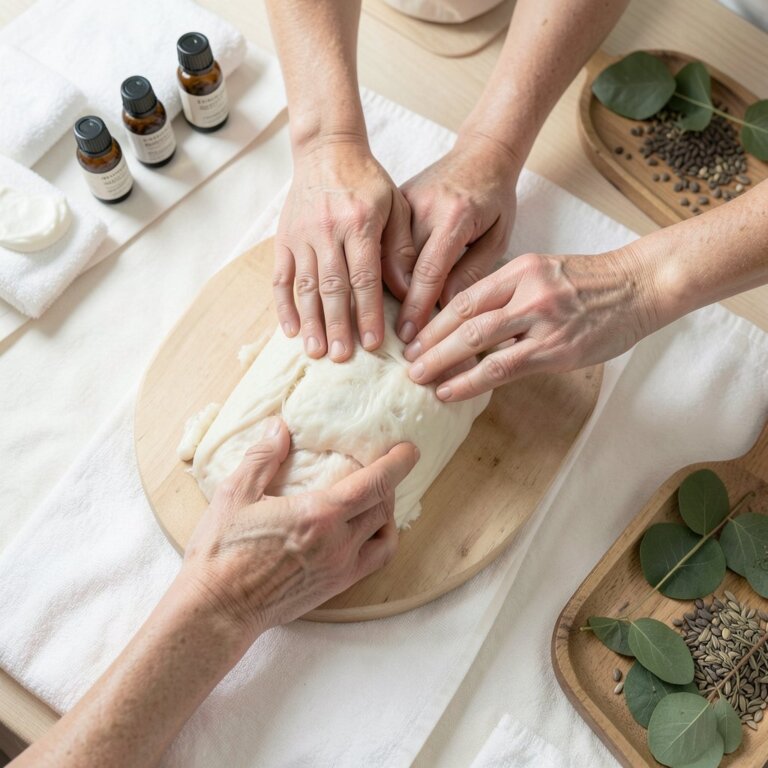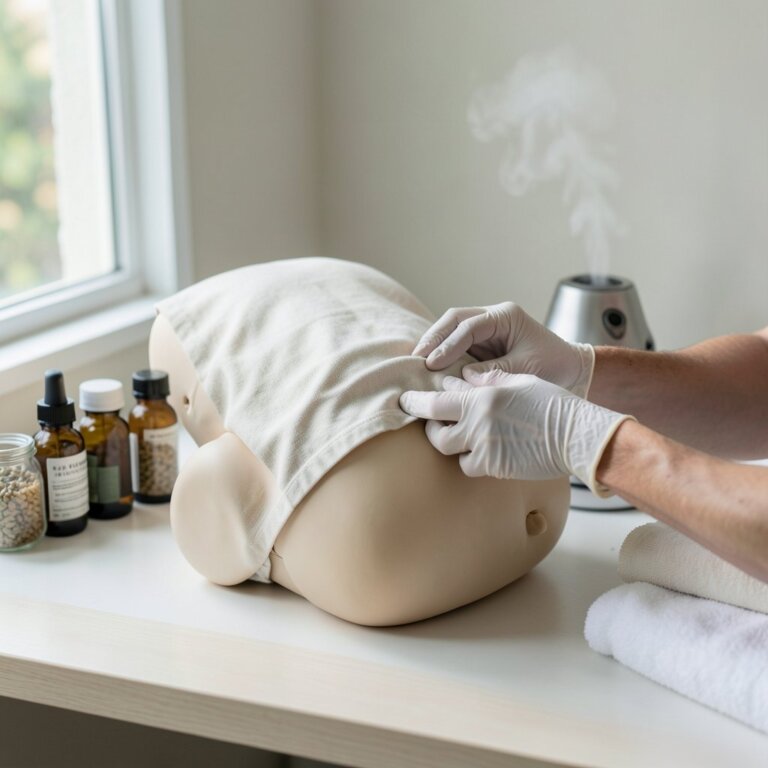

Immediate Abdominal Rehab is a practical approach designed for the early recovery window after an abdominal procedure, focusing on tissue mobility and controlled movement to minimize fibrosis and restore comfortable function.
In this guide, we’ll lay out a clear, human-centric path you can discuss with your care team and gently begin with the guidance of a qualified professional—like the trusted team at Best & Beyond Spa in Massachusetts.
Recovery after an abdominal procedure involves a delicate balance between protection and activation.
The goal of Immediate Abdominal Rehab is to help your body remodel scar tissue, restore fascia glide, and reintroduce safe movement patterns that support daily activities without overloading healing tissues.
While every recovery journey is unique, the moves below are designed to be practical, non-invasive, and adaptable to most early-recovery timelines.
This is wellness-forward guidance, not a medical prescription, and always follow the specific instructions of your clinician.
Immediate Abdominal Rehab: Essential Moves for Early Recovery
When we talk about Immediate Abdominal Rehab, we’re focusing on gentle, precise stimuli that encourage proper alignment, tissue glide, and breathing coordination.
The following sections break down the core principles, then translate them into actionable moves you can practice with a trained massage therapist or rehabilitation professional.
The emphasis is on safety, consistency, and gradual progression.
Move 1: Controlled Breathing and Diaphragm Engagement
The foundation of any effective early recovery program is diaphragmatic breathing that coordinates with abdominal tissue rhythms.
Begin with a calm setting, comfortable posture, and a few mindful breaths.
- How to: Sit or lie with knees bent. Place one hand on the chest and the other on the abdomen. Inhale slowly through the nose, allowing the abdomen to rise while the chest remains relatively still. Exhale via pursed lips, feeling the abdomen softly descend.
- Why it helps: Breath-body synchrony supports diaphragmatic engagement and reduces unnecessary strain on healing tissues.
- When to pause: If you feel sharp discomfort, pressure, or fatigue, stop and consult your clinician before continuing.
As you progress, you can add a gentle rib-cage expansion cue to encourage multi-muscle coordination while keeping the abdomen relaxed.
This is a cornerstone of Immediate Abdominal Rehab that informs all subsequent moves.
Move 2: Gentle Abdominal Tissue Mobilization (Hands-on)
A skilled practitioner can apply light, guided touch to enhance scar mobility and fascia glide.
This move is about communicating with the body through steady, non-painful input.
- How to: The practitioner places hands on the lower abdomen with light contact, guiding slow, circular or linear motions along the tissue planes. Movements are shallow, never forcing range of motion beyond comfort.
- Why it helps: Gentle mobilization can support tissue remodeling and help prevent adhesions that contribute to stiffness later in recovery.
- When to pause: If you notice redness, swelling, or increased tenderness that lasts beyond the session, pause and reassess with your clinician.
Incorporating this hands-on approach within a broader plan—created with your care team—can contribute to more comfortable early days and a smoother transition toward more dynamic movements.
The experience is collaborative, combining professional technique with your body’s feedback for a personalized Immediate Abdominal Rehab pathway.
Move 3: Diagonal Gentle Twists for Tissue Mobility
Targeted, shallow twists can help with multidimensional tissue glide without stressing healing areas.
The aim is to increase mobility while maintaining control.
- How to: Stand with feet hip-width apart or sit tall. Inhale to lengthen the spine, then exhale as you rotate the torso gently to one side, allowing the abdomen to follow with a slight, controlled twist. Return to center and alternate sides.
- Why it helps: This multi-directional mobility supports fascia glide and reduces stiffness that can impede early function.
- When to pause: If you feel strain near the incision site, discontinue the twist and return to breathing work before attempting again.
Practice these twists in short, focused bouts.
Consistency trumps intensity in the early days, and the goal is to build equitable movement on both sides while honoring comfort levels.
The Movement Menu: Essential Moves to Minimize Fibrosis
In this section, we present a practical menu of moves that can be incorporated into a daily routine at home or during a guided session at Best & Beyond Spa.
Each move focuses on scar tissue dynamics, tissue remodeling, and safe activation of the abdominal region without placing undue load on healing tissue.
Move 4: Pelvic Floor–Abdomen Coordination Drill
Coordinating pelvic floor muscles with abdominal tissues can support stability and reduce postoperative stiffness.
- How to: Lying on your back with knees bent, inhale to lengthen the spine. As you exhale, gently contract the pelvic floor and lower abdomen for a count of five, then release. Repeat 8–12 times.
- What to notice: A subtle, comfortable engagement near the lower abdomen, without cramping or pulling in the midsection.
- Safety cue: Maintain even breathing and avoid holding your breath throughout the drill.
This drill supports a balanced foundation and helps prevent compensatory patterns that can contribute to fibrotic buildup over time.
Move 5: Diagonal Diaphragm Release
A gentle, diagonal approach helps create space within the tissue planes and supports tissue glide.
- How to: With one hand on the lower abdomen and the other on the side of the rib cage, inhale to expand the side you’re targeting. Exhale slowly while guiding light pressure along the diagonal path toward the pelvis.
- Why it helps: The diagonal release encourages uniform fascia mobility and supports early structural alignment.
- Warnings: Stop if there is any sharp pain or discomfort beyond mild sensation.
Consistency matters: aim for 2–3 short sessions daily in conjunction with breathing work.
Move 6: Gentle Seated Spine Lengthening
Lengthening the spine while keeping the core soft helps maintain posture without stressing healing regions.
- How to: Sit with hips grounded, back supported. Inhale to lengthen the spine, then exhale to gently extend the crown toward the ceiling while keeping the abdomen relaxed.
- What to expect: Improved posture cues and greater tolerance for light daily activities, which is critical in the early recovery phase.
- Note: Progress gradually; if you feel back strain, revert to a supported position and continue with breathing cues.
These moves form a practical toolkit to guide your early recovery with a focus on scar mobility and tissue remodeling.
Breath-Body Synchrony: Breathing Techniques for Immediate Abdominal Rehab
Breath is a bridge between the body’s internal rhythms and outward movement.
Proper breathing patterns support core activation and help modulate tissue responses during the early recovery window.
Breath Pattern A: Gentle Belly Breathing
Start with a calm cadence to re-establish a reliable internal rhythm.
Belly breath supports the natural alignment of abdominal tissues and helps reduce friction in delicate areas.
- How to: Place hands on the abdomen. Inhale through the nose, allowing the belly to rise, then exhale slowly through the mouth.
- Benefits: Encourages tissue glide and lowers muscular tension across the abdominal wall.
- Tips: Practice 5–10 minutes daily, with attention to relaxed shoulders and a steady pace.
Breath Pattern B: Coordinated Exhale with Movement
Linking breath with light movement enhances proprioception and helps the body coordinate multiple tissue planes.
- How to: During a small abdominal mobilization, exhale slowly as you complete the movement, then resume with a relaxed inhale.
- Why: Supports posture alignment and reduces stress on healing sites.
- Warnings: If breath becomes strained, pause and reset with an easy, unsupported breath.
Incorporating breath work into each movement amplifies the effectiveness of Immediate Abdominal Rehab by guiding tissue responses through gentle, purposeful cues.
Safety, Boundaries, and When to Seek Guidance
Early recovery is a sensitive time.
The modalities described here are designed to be gentle, but every body heals differently.
Safe practice means respecting pain thresholds and recognizing red flags that warrant clinician input.
Below are guidelines to help you navigate safely.
Guideline 1: Listening to Your Body and Knowing When to Pause
Body awareness is critical.
If any move triggers new incisions tenderness, sharp pain, swelling, or dizziness, stop and reassess with your care provider.
A near-constant discomfort is not a sign to push through, and modifications may be needed.
- Key signal: Pain beyond mild soreness that lasts more than a few minutes after a move.
- Strategy: Switch to breath-focused work or shorter, gentler repetitions until tolerance improves.
- Support: Work with a practitioner who can tailor the sequence to your current stage of healing.
Guideline 2: Progression Pacing and Personalization
Progression should be gradual and individualized.
What feels appropriate for one person may not be right for another, especially during the initial weeks.
- How to: Start with one or two moves daily, then add a third if tolerance remains stable over 3–5 days.
- Monitoring: Keep a simple diary noting comfort levels, range of motion, and overall energy.
- Team approach: Regular check-ins with a clinician or massage therapist who understands your post-procedure window help maintain safety and momentum.
Guideline 3: Adapting to Different Body Types and Activities
Every body carries different histories of activity and healing.
Adaptation may involve longer rest intervals, lower intensity, or alternative positions that protect healing sites while allowing gradual activation.
- Adaptation strategies: Use supportive props (pillows, cushions), modify angles, and avoid positions that compress the abdominal region.
- Activity balance: Pair low-impact movements with short, restorative breaks to maintain energy and focus.
- Expert input: Partner with a skilled wellness professional to design a tailored progression that aligns with your daily routines.
With careful boundaries and expert guidance, Immediate Abdominal Rehab becomes a sustainable, empowering part of your early recovery journey.
Real-World Applications: Client Insights from Best & Beyond Spa
Our Massachusetts studio frequently works with clients who are navigating the early recovery phase after an abdominal procedure.
The experience of Davilla, a skilled massotherapist with extensive physiotherapy and aesthetics training, informs our practical approach.
Clients often report improved comfort, better postural awareness, and more confident engagement in daily activities as they follow a structured sequence that prioritizes scar mobility and tissue glide.
Case Insight 1: Early-Paced Reacquaintance with the Core
One client, aiming to regain function after a procedure, benefited from a tailored menu of moves that emphasized diaphragmatic breathing and gentle mobilization.
Through consistent practice, the client noticed less stiffness and a smoother transition back to routine tasks like walking and light chores, with less fear around abdominal movement.
This is a typical trajectory when Immediate Abdominal Rehab is guided by a professional who respects healing timelines and personal tolerance.
Case Insight 2: Gentle Tissue Response and Confidence
A second client expressed increased confidence as tissue glide improved and scar tissue felt more supple over multiple sessions.
The coordinated breathing and diagonal mobility helped reduce compensatory tension, promoting better alignment during daily activities.
In many cases, clients experience a heightened sense of agency over their recovery while staying within safe limits.
Best & Beyond Spa: A Trusted Destination for Gentle, Expert Care
In Massachusetts, Best & Beyond Spa is known for a calm, expert-driven approach to wellness, with a focus on clean, botanical products and evidence-informed techniques.
Our team’s background in physiotherapy and aesthetics enables us to integrate gentle abdominal tissue work with broader body care aimed at holistic wellbeing.
We emphasize a humane, client-centered experience that blends professional expertise with compassionate care.
With services that range from relaxing massage and skin rejuvenation to focused, noninvasive body-work, our practice favors non-invasive methods that support your recovery journey.
The environment is designed to feel welcoming and protective, encouraging you to explore safe movements and breathing practices that align with your personal goals.
Whether you are in the early days of recovery or gradually returning to more active routines, our team can tailor a path that respects your pace.
Practical Takeaways: Quick Dos and Don’ts for Immediate Abdominal Rehab
To help you implement what you’ve learned, here are practical, actionable reminders you can carry into your daily routine.
The emphasis remains on safety, gentle progression, and the value of professional guidance to support lasting results in the early recovery phase.
- Do prioritize breathing coordination as a foundation for all moves. Consistent breath supports tissue mobility and reduces unnecessary strain.
- Do keep moves light and controlled in the initial weeks. Your body is rebuilding, and the aim is to protect healing sites while gradually improving mobility.
- Do seek guidance from a trained professional when customizing any sequence. A tailored plan can adapt to your recovery timeline and daily activities.
- Don’t push through pain or force a range of motion beyond comfort. Gentle progression is more effective in the long run.
- Don’t rely solely on self-guided routines for more advanced stages. A clinician can help you refine technique and timing as you progress.
Next Steps: How to Start Your Immediate Abdominal Rehab Journey
Starting with Immediate Abdominal Rehab can feel empowering when you have a clear plan and the right support.
If you’re in Massachusetts, consider scheduling a guided session at Best & Beyond Spa to assess your current stage, discuss movement options, and align a safe progression with qualified professionals who understand the early-recovery window.
We emphasize a respectful pace, practical techniques, and a compassionate, human-centered approach that supports your healing journey while keeping you comfortable and confident.
As you begin, remember that your body has a remarkable capacity to adapt and remodel.
By combining mindful breathing, gentle tissue mobilization, and structured movement, you can foster a healthier, more resilient abdominal region during the critical early days of recovery.
The goal is not just to heal but to regain a sense of normal function, mobility, and well-being—step by step, with care and expertise you can trust.
To learn more about how our team supports early recovery through a holistic, spa-based approach in Massachusetts, reach out to Best & Beyond Spa.
We’d be honored to help you explore a personalized plan that respects your pace and aligns with your wellness goals—bringing together professional care, botanical products, and a calming environment that supports your entire being during the recovery journey.
In the end, Immediate Abdominal Rehab is about restoring harmony between breath, movement, and tissue response.
It’s a compassionate, practical path—one that fits into a life you love, with the support of a skilled team who values comfort, safety, and progress as guiding principles.
Take the first step today by connecting with our team in Woburn, MA, and discovering how a thoughtfully designed sequence can make a meaningful difference in your early recovery experience.
Immediate Abdominal Rehab is not a one-size-fits-all program—it’s a personalized journey.
With careful guidance, you can build confidence, protect healing tissues, and gradually reintroduce everyday activities with less friction and more ease.
Ready to start? Reach out to Best & Beyond Spa in Massachusetts to schedule a consult.
Your early recovery journey deserves expert attention, compassionate care, and a plan that respects your body’s pace and rhythm.
We’re here to help you move forward with clarity, calm, and confidence.
Frequently Asked Questions
What is Immediate Abdominal Rehab and what does it aim to achieve in early recovery?
Immediate Abdominal Rehab is a practical approach for the early recovery window after abdominal procedures that emphasizes tissue mobility and controlled movement to minimize fibrosis. Its goal is to restore fascia glide and comfortable daily function under guidance from your care team.
When can I begin Immediate Abdominal Rehab moves during the early recovery phase?
Start only after your clinician provides clearance. Moves are gentle, non-invasive, and designed to progress gradually as healing allows under professional supervision.
What are the core principles behind Immediate Abdominal Rehab and immediate abdominal rehabilitation?
The program centers on diaphragmatic breathing, coordination with abdominal tissue rhythms, safe alignment, and gentle stimuli that promote proper fascia glide. It emphasizes safety, consistency, and gradual progression under professional guidance.
Do I need a therapist or clinician to guide these moves?
While some gentle breathing work can be done independently, these moves are best performed with a trained massage therapist or rehabilitation professional. They ensure correct technique, safety, and appropriate progression for your unique healing timeline.
Can these moves help remodel scar tissue and improve fascia mobility during early recovery?
Yes. The approach aims to remodel scar tissue and restore fascia glide, using safe, controlled stimuli that support tissue remodeling without overloading healing tissues.
Is Immediate Abdominal Rehab painful or uncomfortable, and how should I respond?
Moves are designed to be gentle and non-invasive. If you experience significant pain or sharp discomfort, stop and consult your clinician before continuing.
How should I progress the moves over time in this program?
Begin with foundational breathing and light movements, then gradually increase range, duration, and complexity as healing permits. Always align progression with your clinician’s instructions to avoid stressing healing tissues.
Is Immediate Abdominal Rehab suitable for all abdominal procedures or patients in the early recovery timeline?
The approach is adaptable to most early-recovery timelines but must be tailored to your specific surgery and medical history. Always follow your clinician’s personalized plan and stop if advised otherwise.

At Best and Beyond Spa, Day and Davilla are dedicated professionals passionate about wellness and beauty. With expertise in spa day treatments, couples massages, and senior wellness, they provide high-quality, personalized care in a relaxing environment. Their mission is to help clients feel rejuvenated, refreshed, and truly cared for.
Related Posts
Tutorial: Safe Lymph Drainage Techniques Within the First 72 Hours After an Abdominal Operation
Guide: Structuring an Immediate Abdominal Rehab Roadmap for Postoperative Recovery