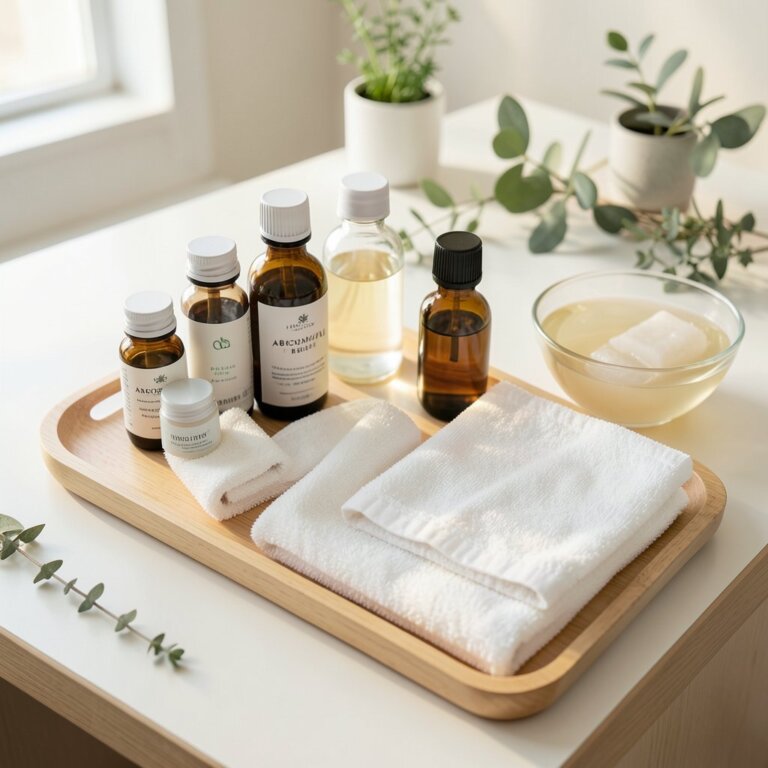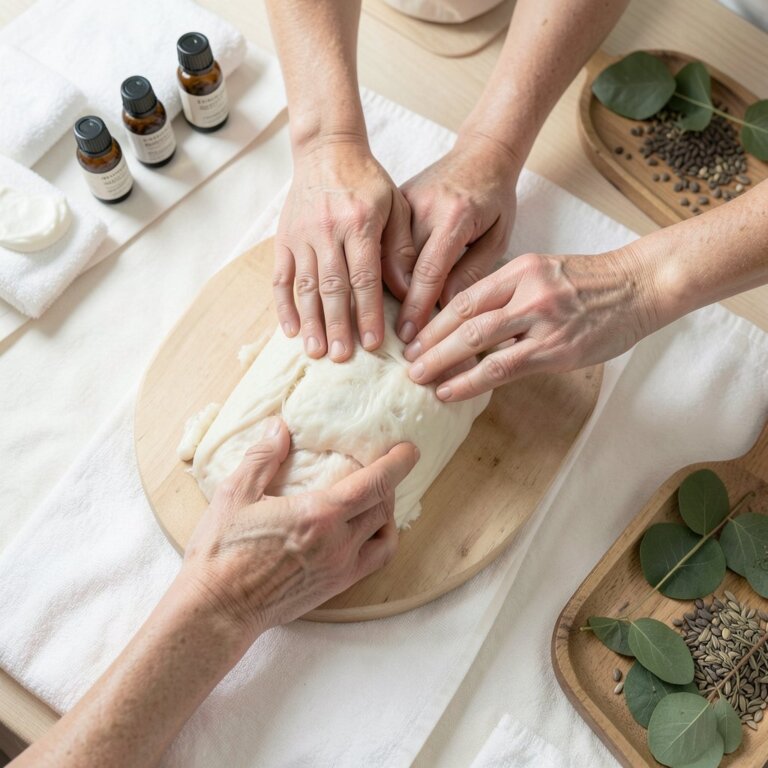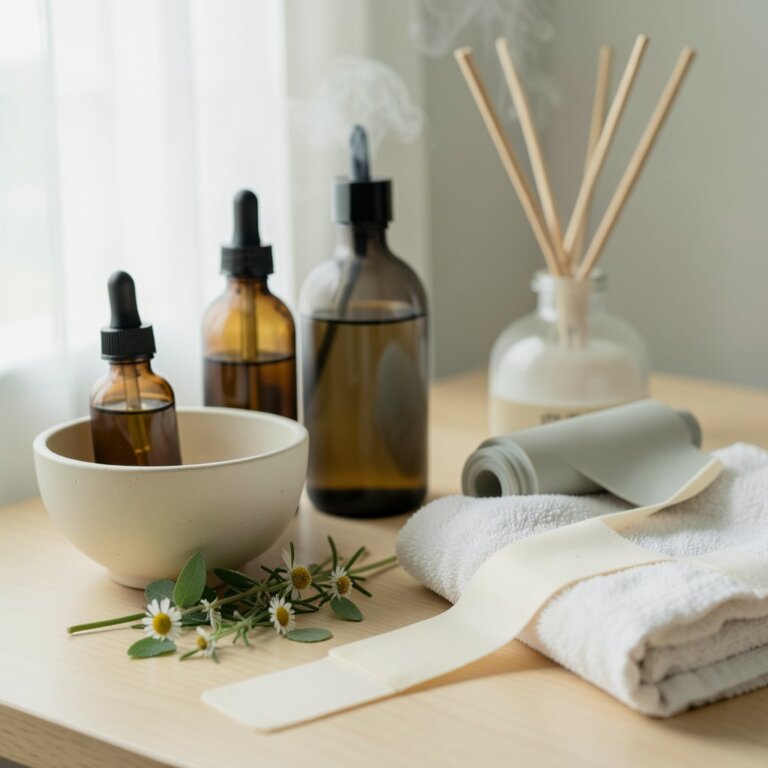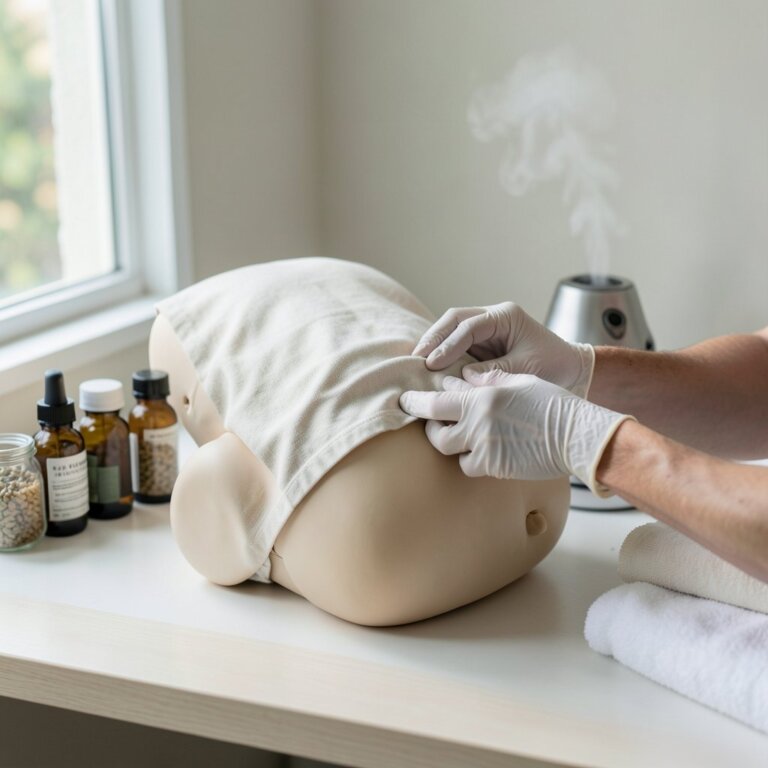
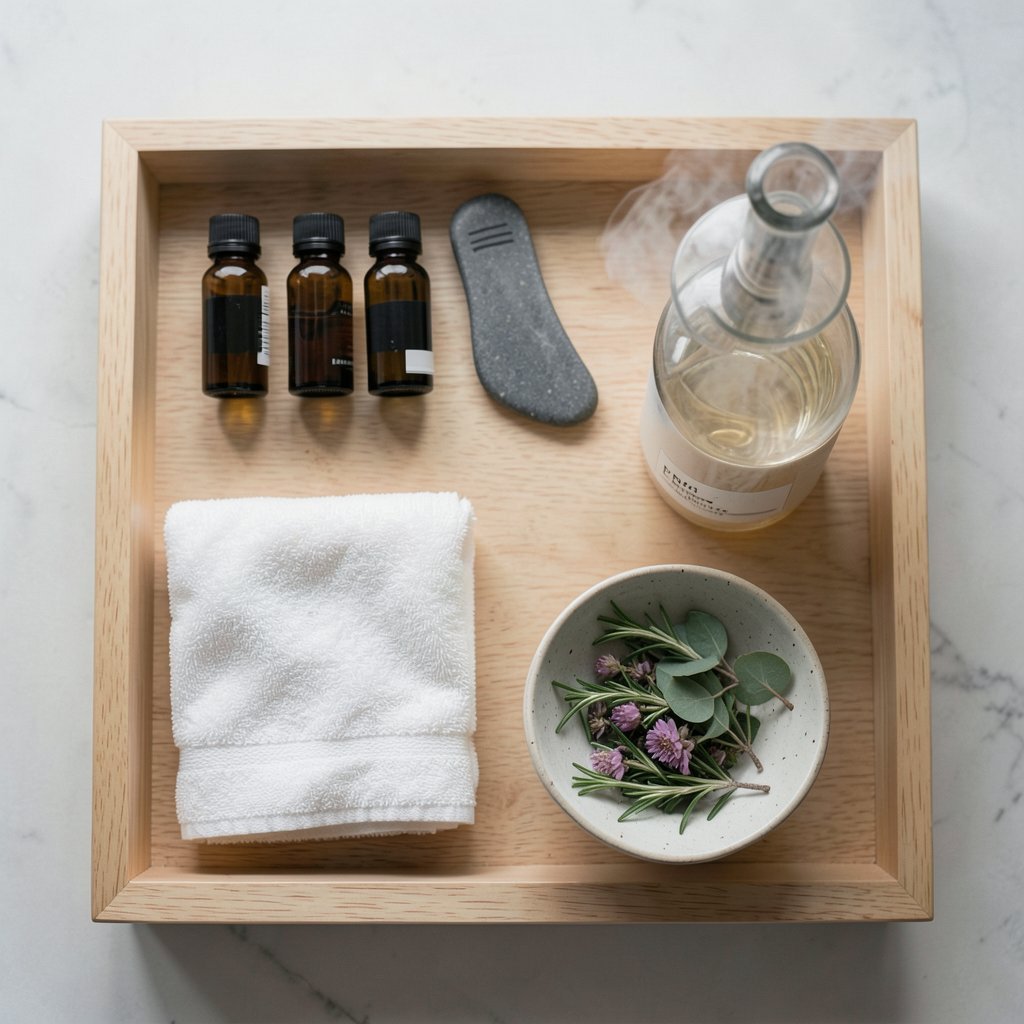
Lymph Drainage and Tissue Mobility are essential concepts for understanding how post-procedure care can support swelling management, tissue flexibility, and overall comfort after procedures.
This guide offers practical, compassionate insights to tailor plans to different procedures, helping you feel more in control and aiding your body’s natural rhythms.
At Best & Beyond Spa, a renowned wellness destination in Massachusetts, our team blends evidence-informed approaches with a warm, human touch to craft gentle, personalized routines.
Whether you’re preparing for a minor procedure or returning to daily life after a more involved intervention, you’ll learn practical steps to incorporate lymph drainage techniques, listen to your body’s signals, and coordinate with your healthcare team for a safe, comfortable recovery.
We’ll cover what to expect, how to start, timing considerations, and how to choose the right practitioner.
Throughout, Lymph Drainage and Tissue Mobility will be woven into thoughtful routines you can discuss with your therapist, using clean, vegan, botanical products that support your skin and soft tissues.
This guide emphasizes practicality, safety, and comfort every step of the way.
Lymph Drainage and Tissue Mobility in Post-Procedure Recovery
In post-procedure contexts, understanding how Lymph Drainage and Tissue Mobility interact with swelling, tissue response, and comfort is foundational.
The goal is to support natural drainage pathways while honoring tissue sensitivity.
By focusing on edema management and maintaining tissue mobility, you can reduce stiffness, improve range of motion, and foster a calmer recovery experience.
This section outlines why these concepts matter, what to expect, and how to apply gentle, practical techniques.
Why this approach matters for edema management
Edema after any procedure is common, but the way you address it can influence how quickly you regain comfortable movement. Lymph Drainage and Tissue Mobility strategies emphasize gentle, directional work that respects healing tissue and avoids overstimulation. Gentle manual techniques can help encourage lymph flow, reduce pooled swelling, and support skin pliability without provoking irritation.
In practice, a well-structured plan adapts to your stage of recovery and prioritizes patient comfort and safety.
- Understand how your body signals swelling: fullness, tightness, and limited touch tolerance.
- Use soft, rhythmic motions that follow lymphatic pathways and respect incisions or sensitive areas.
- Balance rest with light movement to support circulation without overdoing it.
Core principles of technique
Effective lymph drainage hinges on several core principles that empower your recovery.
The emphasis is on consistency, gentleness, and awareness of tissue response.
In every session, expect a calm, focused approach that prioritizes comfort and gradual progression.
The practice also supports skin health, helping scar tissue feel softer and more flexible over time.
- Begin with light touch and slow rhythm, gradually increasing pressure only if tolerated.
- Move along natural lymphatic directions, avoiding areas of tenderness or open incisions.
- Coordinate movements with breath to enhance relaxation and drainage outcomes.
Safety signals and how to respond
While lymph drainage is typically gentle, it’s important to monitor for any signs that indicate you should pause or adjust.
In a well-supervised plan, you should notice improved comfort and less swelling over successive sessions.
If you experience persistent pain, redness, warmth, fever, or a new swelling pattern, stop the routine and consult a healthcare professional. Post-procedure comfort is the priority, and plans should be adaptable to your body’s feedback.
- Watch for sudden increases in swelling or skin color changes that don’t align with your usual healing pattern.
- Communicate openly with your therapist about incision sensitivity or areas of heightened tenderness.
- Adjust session length and intensity to align with fatigue levels and energy available.
Planning a Lymph Drainage Routine for Different Procedures
Every procedure presents unique tissue responses, scar patterns, and recovery timelines.
A thoughtfully tailored plan takes these factors into account to optimize Lymph Drainage and Tissue Mobility without overloading healing tissues.
Below are practical frameworks for approaching routine design across different levels of tissue disruption, with actionable steps you can discuss with your practitioner.
This section also demonstrates how our Massachusetts team at Best & Beyond Spa implements customized plans that respect your comfort and goals.
Minor tissue manipulation: fast-start, gentle ramp
For procedures involving small incisions or localized tissue work, a quick-start plan that eases into drainage can yield meaningful comfort gains.
The focus is on tissue mobility preservation and maintaining edema management with minimal intrusion.
Expect shorter sessions, high responsiveness to feedback, and careful monitoring of incision sites.
- Day 1–3: brief sessions (10–15 minutes) with very light touch along lymphatic corridors.
- Day 4–7: gradually extend to 20–25 minutes, increasing contact slowly if tolerated.
- Weekly check-ins to adjust pressure and direction based on tissue response.
Moderate tissue disruption: staged progression
When a procedure involves more extensive tissue work, a staged approach helps your body recover while preserving comfort.
This plan prioritizes gentle manual techniques and a clear progression toward broader coverage as swelling decreases.
You may notice improved flexibility and less stiffness as healing continues.
- Weeks 1–2: foundational drainage around primary regions; avoid any pressure near intact incisions or sensitive zones.
- Weeks 3–4: expand to adjacent regions, maintain slow pace, and emphasize relaxed breathing during sessions.
- Ongoing: reassess goals and adjust technique intensity to support ongoing tissue relaxation.
Complex tissue remodeling: careful integration
For procedures with notable tissue remodeling or longer healing timelines, coordination with your care team is essential.
This plan emphasizes a holistic approach that blends edema management with ongoing support for tissue mobility and scar tissue remodeling.
The aim is a gradual, controlled restoration of comfortable movement and a balanced sensory experience.
- Phase-based progression that aligns with your healing milestones.
- Proactive communication about sensitive areas and any perceptible changes in texture or tightness.
- Incorporation of home care routines to complement in-clinic sessions.
Timing, Sequencing, and Starting Safely
Timing is a critical factor in a successful lymph drainage plan.
The right start time and sequencing depend on the type of procedure, your energy, and how your body responds during the initial recovery days.
This section outlines practical timing guidelines, session frequency, and signals for adjusting your plan.
At Best & Beyond Spa, our approach is to align with your natural healing pace while maintaining focus on Lymph Drainage and Tissue Mobility goals.
When to begin after a procedure
Starting too soon or too aggressively can hinder comfort, while waiting too long may delay benefits.
A balanced approach begins with light, non-invasive sessions shortly after the initial healing phase, with adjustments as tissues settle.
The emphasis remains on gentle techniques and tissue mobility support to ease stiffness and promote comfortable movement.
- Early days: brief sessions focusing on one or two lymphatic regions.
- Subsequent weeks: gradual extension to additional regions and longer duration if tolerated.
- Ongoing: tailor the rhythm to your daily activities and energy levels.
Frequency and session length
Frequency often evolves with your recovery trajectory.
Some clients benefit from 2–3 sessions per week initially, then tapering as swelling subsides and mobility returns.
Session lengths typically range from 15 to 40 minutes, depending on tolerance and the scope of treatment.
Throughout, edema management remains a guiding objective, paired with a focus on comfort and tissue mobility.
- Initial phase: 2–3 sessions per week, 15–25 minutes each.
- Mid-phase: 1–2 sessions per week, 25–35 minutes each.
- Late phase: maintenance sessions as needed for ongoing tissue smoothness.
Signs to pause or adjust
Use your body’s feedback as a roadmap.
If you experience new or worsening pain, increased swelling beyond typical recovery, or unusual sensitivity at an incision or treated area, pause the routine and consult your practitioner.
Your plan should be flexible and responsive, prioritizing comfort and safe progression while keeping tissue mobility at the forefront.
- sharp or increasing pain in treated zones
- unusual redness, warmth, or fever-like symptoms
- fatigue that worsens after treatment or lasting more than a day
Techniques and Tools You Might Encounter
In modern wellness settings, practitioners blend traditional lymph drainage techniques with gentle, non-invasive tools to support Lymph Drainage and Tissue Mobility.
The emphasis remains on safety, comfort, and personalization.
This section highlights common approaches you may experience and practical tips for optimizing outcomes while maintaining your preferred sense of well-being.
Our Massachusetts team prioritizes vegan, botanical products and clean formulations to support your skin during drainage work.
Manual drainage basics
Manual lymph drainage uses soft, precise strokes following natural lymphatic pathways.
For most post-procedure plans, therapists adjust pressure to align with tissue sensitivity and healing progress.
The technique supports edema management and helps maintain tissue mobility, while cultivating a sense of calm and relief.
- Light touch along lymph channels, avoiding incisions and irritated zones.
- Rhythmic, slow movements that promote relaxation and drainage.
- Breath-coordinated timing to enhance depth of release without strain.
Self-care tips you can safely practice
Complement professional sessions with gentle self-care routines that reinforce progress.
Simple home practices can support ongoing edema management and tissue mobility between visits.
Use comfortable, non-irritating fabrics, gentle stretching, and mindful breathing to sustain improvements.
- Light self-massage around non-incised regions using slow, circular motions.
- Short, daily mobility exercises that do not stress healing tissues.
- Avoid aggressive rubbing or deep pressure near treated areas.
Product considerations
Botanical, vegan products can support skin health during lymph drainage routines.
Choose lightweight, non-irritating formulations for massage oils or serums that complement your plan.
The right products help preserve skin integrity while aiding fluid movement and tissue response.
- Fragrance-free or naturally scented options that suit sensitive skin.
- Non-comedogenic formulas to minimize pore irritation during sessions.
- Hypoallergenic options for sensitive individuals.
Working with a Massachusetts Wellness Team: What to Expect
Choosing the right practitioner is a key part of achieving consistent, comfortable outcomes.
In Massachusetts, Best & Beyond Spa combines clinical insight with a nurturing touch to tailor plans that respect your goals and healing trajectory.
This section outlines what to look for in a practitioner, how our approach aligns with your recovery, and how local resources can support your journey toward greater comfort and mobility.
What to look for in a practitioner
When evaluating a lymph drainage professional, prioritize credentials, experience, and a philosophy that emphasizes safety and patient comfort.
Look for personalized plans that adapt to your unique tissue response, incision considerations, and energy levels.
A trusted practitioner will explain techniques in plain language, solicit ongoing feedback, and document progress to refine your plan over time.
- Clear explanations of techniques and expected sensations during sessions.
- Respect for incision sites, tissue sensitivity, and pacing of progression.
- Evidence of ongoing training in lymphatic techniques and post-procedure care.
The Best & Beyond Spa approach
At Best & Beyond Spa, we integrate empathy with expertise to craft plans that honor your healing journey.
Our clinical aesthetics and wellness focus blends hands-on lymph drainage with nourishing, botanical products to support skin health.
In practice, our approach includes careful assessment, stepwise progression, and a collaborative mindset with your healthcare team, ensuring you feel supported, informed, and cared for in Massachusetts.
- Holistic assessments that consider posture, tissue texture, and mobility patterns.
- Structured progression with regular check-ins to adjust intensity and scope.
- Transparent communication about what you can expect in sessions and at-home care.
Local resources and referrals
Living in Massachusetts offers access to a network of wellness professionals who specialize in lymph drainage and post-procedure care.
Our team often collaborates with physical therapists, certified massage therapists, and holistic estheticians to ensure a coordinated recovery plan.
If your needs extend beyond our services, we provide thoughtful referrals to trusted practitioners in the region to support ongoing comfort and mobility.
- Referral pathways to complementary services that align with your goals.
- Recommendations for home care routines that complement in-clinic work.
- Guidance on scheduling and coordinating multiple care providers for seamless recovery.
Integrating Lymph Drainage into a Holistic Recovery Plan
Recovery is most effective when lymph drainage is integrated with other wellness modalities.
A holistic plan supports not only physical comfort but also mental ease, energy balance, and daily functioning.
This section explores how to connect lymph-focused work with broader wellness practices, and how Best & Beyond Spa can help you weave these elements into a coherent and sustainable routine in Massachusetts.
Connect with other modalities
Consider pairing Lymph Drainage and Tissue Mobility with complementary practices such as gentle movement, breathing exercises, and mindfulness techniques.
This synergy can enhance circulation, reduce tension, and foster a sense of calm that supports both tissue response and overall well-being.
The right combination helps you maintain momentum between sessions while honoring your body’s limits.
- Light mobility work that encourages comfortable ranges of motion.
- Breath-based exercises to support relaxation and drainage flow.
- Mindfulness practices to reduce stress-related muscle tension.
Lifestyle alignment
Recovery benefits from consistent habits.
Prioritize sleep, balanced nutrition, and hydration to support tissue healing and lymphatic efficiency.
Avoid overloading the treated areas with intense activity too soon, and listen to your body’s cues.
A personalized plan that accounts for your daily routine helps you stay engaged without overextending yourself.
- Evening routines that promote rest and tissue recovery.
- Hydration strategies to support fluid balance and drainage.
- Nutrition choices that favor tissue repair and skin health.
Privacy and safety
Your comfort and safety are paramount.
Ensure that any plan respects your privacy, adheres to hygiene standards, and maintains clear boundaries between in-clinic sessions and at-home care.
Your practitioner should emphasize safety signals, provide written guidance, and invite ongoing feedback to fine-tune the program.
- Confidential, respectful in-clinic environment.
- Clear, written home-care guidelines and check-ins.
- Options for adjusting plans in response to changes in healing pace.
Next Steps at Best & Beyond Spa
Ready to explore how Lymph Drainage and Tissue Mobility can support your post-procedure recovery in Massachusetts? Our team at Best & Beyond Spa offers personalized assessments, gentle, confident guidance, and a wellness-forward path tailored to your goals.
Whether you’re preparing for a procedure, recovering, or seeking ongoing support for tissue mobility and edema management, we can help you feel more at ease and more in control.
Reach out to schedule an initial consultation, and discover how a thoughtfully designed plan can fit into your life with grace and confidence.
Take the next step by booking an introductory session to experience our calm, expert approach firsthand.
We’ll listen to your story, explain our gentle techniques, and begin shaping a tailored plan that honors your healing pace.
In Massachusetts, Best & Beyond Spa stands ready to support your journey toward renewed comfort, mobility, and well-being.
Learn more about our services in Woburn, MA and nearby communities.
Frequently Asked Questions
What is the relationship between lymph drainage and tissue mobility after surgery?
Lymph drainage helps move excess fluids away from the treated area, reducing swelling and tenderness, while tissue mobility exercises keep the skin and underlying tissues flexible as they heal. They work together to minimize stiffness and support a more comfortable recovery. Tailor the approach to your procedure and your body’s signals.
When should I start lymph drainage techniques after a procedure?
Start only after your medical team has cleared you for gentle touch and movement. Begin with very light, short sessions and gradually increase as swelling and pain decrease. If you have an active infection or incisions that are not healing, wait and consult your clinician.
How can edema be managed safely with these techniques?
Focus on light, directional techniques that support natural drainage paths while avoiding excessive pressure. Combine gentle lymph drainage with adequate rest, hydration, and following your clinician’s wound-care plan. If swelling worsens or doesn’t improve in a few days, seek professional guidance.
How do I tailor lymph drainage for different types of procedures?
Minor procedures may benefit from shorter, lighter sessions and slower progression, while more involved surgeries often require longer, phased plans. The therapist will adjust intensity, duration, and frequency based on tissue sensitivity and healing milestones. The goal is steady progress without overstimulation.
What signs indicate I should pause or consult a clinician?
If you notice increasing redness, warmth, fever, or new or spreading swelling, stop and contact your healthcare provider. Sharp or prolonged pain, numbness, or changes in sensation should also prompt a check-in. Trust your body: if something feels off, pause and ask for professional guidance.
How do I choose a practitioner for post-procedure lymph drainage?
Look for trained therapists with lymph drainage or lymphedema certification and experience with post-op care. Ask about their approach to collaboration with your medical team and the use of body-safe, vegan botanical products. Read reviews and request a brief consultation to ensure good communication and comfort.
What should I expect during a typical lymph drainage session after surgery?
Expect a gentle, non-invasive approach focusing on gentle skin care and fluid movement rather than deep pressure. Your practitioner will assess swelling and mobility, then tailor a plan for in-clinic sessions and home care. Sessions are often followed by simple stretches or mobility tips you can safely do at home.
Are there specific products or routines recommended to support skin and soft tissues post-procedure?
Yes—prefer clean, vegan, botanical products that soothe the skin and avoid irritants. Your routine should include gradual tissue mobility moves and clear guidance for at-home care between sessions. Coordinate product use with your therapist to align with your healing stage.
At Best and Beyond Spa, Day and Davilla are dedicated professionals passionate about wellness and beauty. With expertise in spa day treatments, couples massages, and senior wellness, they provide high-quality, personalized care in a relaxing environment. Their mission is to help clients feel rejuvenated, refreshed, and truly cared for.
Related Posts
Tutorial: Safe Lymph Drainage Techniques Within the First 72 Hours After an Abdominal Operation
Guide: Structuring an Immediate Abdominal Rehab Roadmap for Postoperative Recovery