
Implementing Lymphatic Drainage with Manual Techniques in the First Postoperative Week
Implementing Lymphatic Drainage with Manual Techniques in the First Postoperative Week can support comfort, reduce swelling, and promote gentle recovery after an operation.
At Best & Beyond Spa in Massachusetts, we blend skilled manual techniques with a welfare-minded approach to postoperative care, prioritizing safety, education, and evidence-informed practices.
This guide offers a clear, practical framework for what to expect, who benefits, when to begin, and how to perform techniques safely in the early days after your procedure.
You’ll find practical steps you can discuss with your care team, along with real-world examples from our Massachusetts-based practice that illustrate thoughtful sequencing and compassionate touch.
Our aim is to help you feel confident and supported as you return to daily activities, with expert guidance that respects your pace and comfort.
Why Implementing Lymphatic Drainage with Manual Techniques in the First Postoperative Week Supports Recovery
The rationale behind this approach is simple: gentle, progressive manual techniques can assist the body’s natural drainage system, helping reduce tissue swelling and tissue tension that often accompanies the early days after an operation.
When applied with appropriate touch and timing, these techniques may support a more comfortable recovery and a smoother transition back to activities you enjoy.
In our Massachusetts practice, our team emphasizes safety, clear communication, and individualized pacing—factors that matter just as much as the technique itself.
What to expect in the first week varies by individual, but common themes include improved comfort, easier movement, and a sense of progress as edema subsides.
According to industry insights shared by wellness professionals in 2026, well-structured post-procedure lymphatic work can complement rest and nutrition by supporting drainage and reducing tissue stiffness.
In practice, we routinely tailor sessions to your tolerance, starting with light touch and gradually increasing depth only when you’re ready.
This approach aligns with our commitment to noninvasive, soothing care that respects your healing trajectory.
Within our approach, educating you about the steps and the signs to watch for is a key component.
We encourage you to keep a simple recovery log, noting comfort levels, mobility, and any questions you may have for your therapist.
This collaborative, patient-centered process helps ensure you feel informed and supported as you progress through the first postoperative week.
What this section covers
In this section, you’ll find:
- How lymphatic drainage relates to the early healing phase
- Timing considerations and safe initiation cues
- Key touch cues that promote safety and comfort
Foundational Principles of Lymphatic Techniques for Postoperative Care
Successful lymphatic work in the first postoperative week relies on a few core principles that guide practice and ensure comfort.
The techniques are designed to be gentle, noninvasive, and adaptable to your tolerance.
Our approach centers on patient safety, comfort-first touch, and a clear progression plan mapped to your healing milestones.
First, the goal is to support superficial lymphatic flow without introducing excessive pressure.
Second, we prioritize a slow, mindful pace so your body can acclimate to touch and movement.
Third, we emphasize clear feedback: you tell us what feels comfortable, and we adjust accordingly.
Finally, we integrate communication about red flags and when to pause sessions, so you remain in control of your recovery.
Safe principles you’ll recognize
- Light, continuous contact with skin-to-skin contact to promote drainage without provoking discomfort
- Short durations with frequent pauses to monitor response
- Strategic sequencing that respects tissue planes and your pace
In our experience, combining these principles with a patient-centered plan helps people regain mobility and confidence during the first days after an operation.
We’ve seen clients appreciate the calm, predictable rhythm of sessions that emphasize safety and clear communication.
The result is a recovery experience that feels supportive, not overwhelming.
Key safety precautions
- Avoid any session if you experience fever, increasing redness, or spreading warmth in the treated area
- Communicate immediately if you feel dizziness, lightheadedness, or new pain during a session
- Continue home care as advised and coordinate with your surgeon or physician when in doubt
Incorporating these precautions helps ensure that lymph drainage support remains a gentle aid rather than a source of discomfort.
In our Massachusetts practice, we tailor each plan to your unique healing timeline and preferences, drawing on extensive experience in therapeutic touch and wellness guidance that aligns with your values and goals.
Lymphatic Drainage Sequencing: A Gentle, Progressive Protocol
The sequencing of lymphatic drainage is a practical framework that helps practitioners deliver safe, effective touch across the first postoperative days.
By aligning touch with your body’s natural drainage pathways and tissue responses, therapists can create a structured progression that feels intuitive and soothing.
In our approach, sequencing starts with the most superficial regions and gradually works toward deeper layers, ensuring you remain comfortable and in control throughout the process.
This approach is a cornerstone of our evidence-informed practice philosophy in Massachusetts.
For patients in the first postoperative week, sequencing typically looks like this: a calm, integrated start with diaphragmatic breathing and gentle upper-body channels, followed by careful attention to nearby resting regions and any sites of swelling.
The goal is to promote natural drainage, reduce tissue congestion, and support a sense of ease as healing continues.
Our team explains each step and invites questions, helping you feel informed and engaged in your own recovery journey.
Stepwise progression you can expect
- Initial gentle contact along superficial lymphatic pathways with emphasis on comfort
- Gradual extension to nearby regions while monitoring tolerance
- Progression to slightly deeper but still light touch if permitted by how you feel
- End with light, soothing strokes and breathing cues to reinforce relaxation
In practice, this sequencing is highly adaptable.
Depending on how you respond, a given day may involve only one or two steps, while another day might allow a slightly longer session.
The important point is that each step is guided by your feedback and coordinated with your overall recovery plan.
In our Massachusetts clinic, the sequencing framework is used as a guide to ensure a thoughtful, patient-centered experience that respects your comfort and pace.
Practical Techniques for Day 1–3: Gentle Touch and Gentle Habits
During the first few days after your operation, the emphasis is on comfort, safety, and awareness of how your body responds to touch.
The techniques are designed to be gentle and to work in harmony with rest and light activity.
In our sessions, we keep the pressure extremely light, using slow, rhythmic motions that encourage lymph movement without creating tension in the tissues.
Technique overview
- Light effleurage along the neck, collarbone, and shoulder regions to encourage drainage from the upper body
- Feather-light strokes along the chest and back to support thoracic lymphatic flow
- Breathing coordination prompts to help you relax and to optimize tissue response
From our experience in Best & Beyond Spa, clients appreciate the calm, predictable rhythm of these early sessions.
One client, for example, reported a noticeable reduction in fullness after a single 30-minute session, paired with guided breathing.
While individual results vary, the combination of light touch and mindful breathing can create a foundation for more comfortable days ahead.
Home-care tips you can use safely
- Hydration and gentle movement can support lymphatic function between sessions
- Apply a light, breathable compression or wrap only if recommended by your care team
- Keep a simple daily diary of how you feel, noting any changes in swelling or discomfort
These small daily practices complement professional sessions and help you feel proactive about your recovery.
In our Massachusetts setting, we emphasize noninvasive, soothing routines that you can incorporate into daily life without added stress.
Practical Techniques for Day 4–7: Progression with Care
As you move into the fourth to seventh day after the operation, some clients notice continued improvement in swelling, skin texture, and motion.
The goal of this stage is to build on the initial progress with a slightly longer, still gentle, routine that respects your tolerance.
The emphasis remains on safety, comfort, and clear feedback—so you always feel in control of your recovery trajectory.
Progressive touch notes
- Gently extend to deeper but still light pathways if you feel ready
- Incorporate small regions of the abdomen or torso as appropriate to your healing pattern
- Maintain breath-focused pacing to optimize lymph flow and relaxation
Our team’s experience in Massachusetts shows that a gradual increase in comfort can support ongoing movement and daily activities.
A typical session at this stage may last 30–40 minutes, depending on how you respond and your personal goals for the week.
What to watch for as you advance
- Persistent new swelling or warmth in the treated areas warrants a pause and a consult with your care team
- Any new or unusual pain should be reported right away
- Continue to prioritize rest and hydration as you reintroduce light activity
These red flags are important safety reminders that help ensure your plan remains appropriate for your healing stage.
We often integrate these guidelines into a collaborative plan with you, so you can maintain confidence in every session and every step you take toward your ongoing recovery.
Home Care, Red Flags, and When to Seek Guidance
In the first postoperative week, home care complements professional sessions and can reinforce progress.
The goal is to maintain the benefits of lymph drainage work while staying within your own comfort zone.
We encourage clients to communicate openly about what’s working and what isn’t, and to report concerns promptly.
While the majority of people tolerate these gentle techniques well, it’s essential to listen to your body and adjust accordingly.
Home-care essentials
- Hydration and balanced meals to support lymphatic function
- Gentle movement as tolerated to maintain circulation
- A resting environment that promotes calm and recovery
In our experience, a calm, consistent routine helps many people feel more in control of their recovery.
We also emphasize the importance of guidance from your surgical or care team, especially if any red flags arise or if you have questions about progression between sessions.
Red flags to monitor
- Fever, increasing redness, or warmth near treated areas
- Unusual swelling that worsens after a session or at rest
- New, persistent pain that does not improve with rest
When any red flags appear, contact your care provider promptly.
The goal is to maintain safety and ensure that your recovery remains on track, with adjustments as needed to meet your comfort and healing pace.
Case Insights and Real-World Experiences from Best & Beyond Spa
Our practice blends clinical-level training with a compassionate, wellness-centered approach.
Davilla, our lead therapist, brings a physiotherapy background and postgraduate studies in Advanced Aesthetics, combining clinical expertise with a deep commitment to healing and beauty. Her experience informs every session as she tailors touch and pace to each client’s unique recovery profile.
In May 2026, our team continues to integrate evidence-informed techniques with a philosophy that emphasizes gentle care, clean, vegan botanicals, and a soothing spa environment that supports rest and restoration.
We’ve found that clients often report a renewed sense of ease in movement, plus a greater sense of control over their recovery when this approach is paired with clear education and a thoughtfully staged sequence.
While individual outcomes vary, the overall pattern is one of gradual, comfortable progress that aligns with each person’s goals and comfort thresholds.
Our Massachusetts practice emphasizes a recovery-forward mindset, guiding you through the first postoperative week with respect, patience, and practical strategies you can use at home.
Insights from the field
- Structured touch that respects tissue planes tends to yield smoother progression through the first postoperative week
- Regular communication helps tailor pacing and technique selection to individual needs
- Noninvasive approaches with a focus on relaxation often support overall well-being during early recovery
These insights come from years of working with clients in the wellness and therapeutic space, refined through continuous practice in a calm, professional Massachusetts environment.
We aim to be a trusted resource for you as you navigate the early recovery phase after your operation, combining warmth, expertise, and an evidence-informed approach to care.
Next Steps: Integrating Lymphatic Techniques into Your Recovery Plan
Integrating lymphatic drainage work during the first postoperative week can be a helpful component of a broader, person-centered recovery plan.
The aim is not to replace medical guidance but to complement it with gentle, emotional-supportive touch and practical guidance that helps you move forward with confidence.
In our practice, we emphasize communication, pacing, and safety as the heart of any successful plan.
By combining careful sequencing, patient education, and a compassionate environment, Best & Beyond Spa supports your healing journey in Massachusetts with a holistic, wellness-focused approach.
To explore how these techniques might fit your recovery plan, we invite you to connect with our team to discuss your goals, questions, and comfort preferences.
Our bilingual staff in English and Portuguese is ready to support you as you return to activities you enjoy and regain your sense of well-being in a tranquil spa setting that honors your pace and needs.
We look forward to helping you feel your best as you move through the first postoperative week and beyond.
As you consider your options, reflect on the power of gentle, mindful touch, clear communication, and a patient-first approach.
In the words of our team, healing is a shared journey—one that blends expertise with compassion to create a restorative experience you can trust.
Ready to begin? Our doors in Woburn, MA welcome you to a calm, professional space designed to support your early recovery with kindness, clarity, and high-quality care.
Frequently Asked Questions
What is lymphatic drainage and why is it used in the first postoperative week?
Lymphatic drainage is a gentle manual technique designed to support the body’s lymphatic system, helping move excess fluid away from tissues. In the first post-op week, it can reduce swelling, ease tissue tension, and promote a more comfortable recovery when performed safely and at an appropriate pace.
When is it appropriate to begin manual lymph drainage after surgery?
Begin only with your surgeon’s clearance and with a trained clinician who uses gentle, progressive techniques. In many cases, sessions may start within the first postoperative week, tailored to the procedure and your pace.
Is manual lymph drainage safe after surgery?
Yes, when performed by trained professionals with proper touch, timing, and individualized pacing. Our practice emphasizes safety, clear communication, and education to ensure a comfortable and safe experience.
How can manual lymph drainage help with edema and recovery?
Manual lymph drainage supports the body’s drainage pathways to reduce edema and tissue stiffness. By promoting gentle fluid movement, it can improve comfort, ease of movement, and the transition back to daily activities.
What should I expect during a lymphatic drainage session in the first postoperative week?
Sessions are gentle and light-touch, focusing on specific regions relevant to your surgery. Techniques are performed at a slow, controlled pace with ongoing feedback so you only feel comfortable pressure. The goal is safe drainage without overloading healing tissues.
Can I perform lymphatic drainage at home, or is clinic instruction required?
Home guidance is available through patient education and self-care steps, but initial instruction in a clinical setting ensures you learn proper technique and pacing. Follow-up visits help adjust timing and pressure as your healing progresses.
Which surgeries or conditions benefit most from early postoperative lymph drainage?
A range of soft-tissue and cosmetic procedures with swelling can benefit from early postoperative lymph drainage, especially when edema and tension affect recovery. Always follow your surgeon’s recommendations and work with a qualified practitioner to tailor the approach.
How can you collaborate with your care team to safely integrate lymphatic drainage into postoperative recovery?
Discuss timing, pacing, and expectations with your surgeon, spa clinician, and any other providers to ensure safety. A coordinated plan helps monitor progress and adjust treatment as healing evolves.
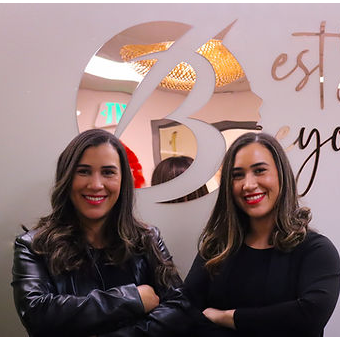
At Best and Beyond Spa, Day and Davilla are dedicated professionals passionate about wellness and beauty. With expertise in spa day treatments, couples massages, and senior wellness, they provide high-quality, personalized care in a relaxing environment. Their mission is to help clients feel rejuvenated, refreshed, and truly cared for.