Applying Tissue Mobilization and Kinesio Taping to Limit Fibrosis Across Abdominal Planes
Applying Tissue Mobilization and Kinesio Taping to Limit Fibrosis Across Abdominal Planes is a concept gaining traction in post-procedure recovery, combining fascia-focused manual approaches with non-invasive taping to support mobility, fascia integrity, and healing.
This guide offers practical, science-informed steps for individuals who have undergone an abdominal procedure and want to optimize tissue glide, reduce scar tissue adhesions, and support overall comfort during recovery.
You’ll discover how gentle hands-on techniques, paired with strategic taping, can complement your existing recovery plan while protecting skin health and comfort.
At Best & Beyond Spa in Massachusetts, our approach blends clinical insight with spa-grade care, guided by a team led by Davilla, a massage therapist turned physiotherapy professional.
Our philosophy emphasizes safety, individualized care, and a holistic path to wellness.
In this guide, you’ll find actionable strategies informed by the latest industry perspectives in 2026, along with practical, patient-centered tips you can discuss with your care team.
Why Applying Tissue Mobilization and Kinesio Taping to Limit Fibrosis Across Abdominal Planes matters for recovery
Fibrosis and scar tissue can alter tissue mobility and restrict the normal glide between abdominal planes, potentially contributing to discomfort or stiffness during daily activities.
When clinicians integrate targeted tissue mobilization with appropriate taping strategies, patients may experience improved fascia mobility and more comfortable movement patterns.
This combination is particularly relevant for individuals seeking non-invasive, supportive modalities that align with a holistic wellness approach.
What tissue mobilization does for the abdominal fascia
Tissue mobilization focuses on releasing restrictions in the fascia and connective tissues that envelope the abdominal wall.
The goal is to restore tissue compliance and reduce adhesions that can form after an abdominal procedure.
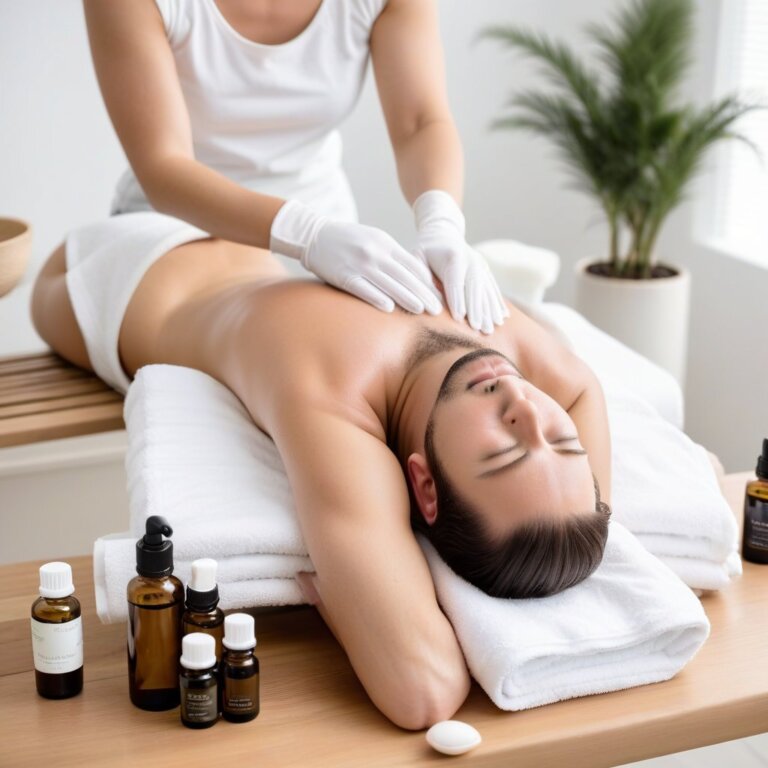
In practice, skilled therapists apply controlled pressure and friction to gently separate fibrous bands, supporting smoother gliding of layers during breathing, coughing, and basic movement.
For patients considering this approach, the benefits can include improved breathing mechanics, less sensitivity around the treated area, and a more comfortable range of motion.
As you explore options, consider working with a practitioner who emphasizes safety, gentle progression, and clear communication about what to expect in each session.
This aligns with our spa philosophy of careful, evidence-informed care that respects the body’s natural healing timeline.
How kinesio taping supports the recovery process
Kinesio Taping provides a supportive layer that can help manage swelling, support proprioception, and promote lymphatic drainage without restricting movement.
The technique uses latex-free, breathable tapes applied in patterns designed to support muscles, fascia, and joints.
When used thoughtfully, kinesio taping may contribute to more comfortable activities, easier posture maintenance, and a sense of stability during daily tasks.
In our experience at Best & Beyond Spa, guided taping programs are tailored to individual needs, skin sensitivity, and activity goals.
We emphasize skin health, proper tape selection, and monitoring for any irritation.
This approach mirrors our broader commitment to high-quality, non-invasive wellness solutions that fit seamlessly into a patient’s recovery plan.
How to implement tissue mobilization safely in a home or professional setting
Implementing tissue mobilization and kinesio taping in a recovery plan requires thoughtful steps, professional guidance when needed, and respect for your body’s current state.
Below is a practical framework you can adapt, whether you’re working with a licensed therapist or practicing under remote guidance from a trusted clinician.
Assessment and readiness: establishing a foundation
Begin with a plain-language assessment of your comfort, range of motion, and any pain or tightness in the abdominal region.
A clinician will typically check for signs of skin sensitivity, incision integrity, and overall tissue response to touch and movement.
This initial assessment helps determine if tissue mobilization and kinesio taping are appropriate for you at this stage and guides them to tailor the plan accordingly.
Incorporate gentle cues for breathing, posture, and daily activities.
Simple diary entries about which movements feel smoother and which still challenge you can help your care team tune the plan over time.
Our team at Best & Beyond Spa emphasizes patient comfort and control, ensuring you’re never pushed beyond your current tolerance.
Safe practical steps for at-home practice
When practicing at home, focus on light, non-painful techniques that support circulation and tissue glide without provoking inflammation.
Here are practical steps you can consider, with safety in mind:.
- Warm-up with 5 minutes of diaphragmatic breathing to engage the core stability muscles and promote even pressure distribution.
- Use light, circular fascia releases to the outer abdominal region, avoiding any incision lines or tender areas. Skin-friendly products and gentle pressure are essential.
- Limit sessions to 10-15 minutes, 3-4 times per week, and monitor skin response. If you notice redness, itching, or discomfort, pause and consult your care team.
As you progress, your routine may expand to include guided movements that emphasize controlled breathing, gentle trunk rotation, and posture cues—always aligned with your comfort and healing pace.
The goal is a sustainable, patient-centered routine that feels supportive rather than burdensome.
When to seek professional guidance
Professional guidance is important when you experience persistent tightness, new or worsening pain, or limited range of motion that affects daily activities.
A clinician can adjust the therapy plan, optimize tissue mobilization techniques, and recommend safe taping patterns.
At Best & Beyond Spa, our therapists collaborate with clients to tailor a plan that respects your healing timeline and personal goals, while keeping safety at the forefront.
Kinesio Taping patterns and practical application for fibrosis prevention across abdominal planes
Careful taping patterns can provide support while allowing movement.
Patterns are chosen based on skin tolerability, tissue status, and regional goals.
The aim is to minimize undue skin stress while supporting fascia alignment and proprioceptive feedback.
Remember, every taping plan should be trialed with cautions and adjustments as needed.
Choosing the right tape and setup
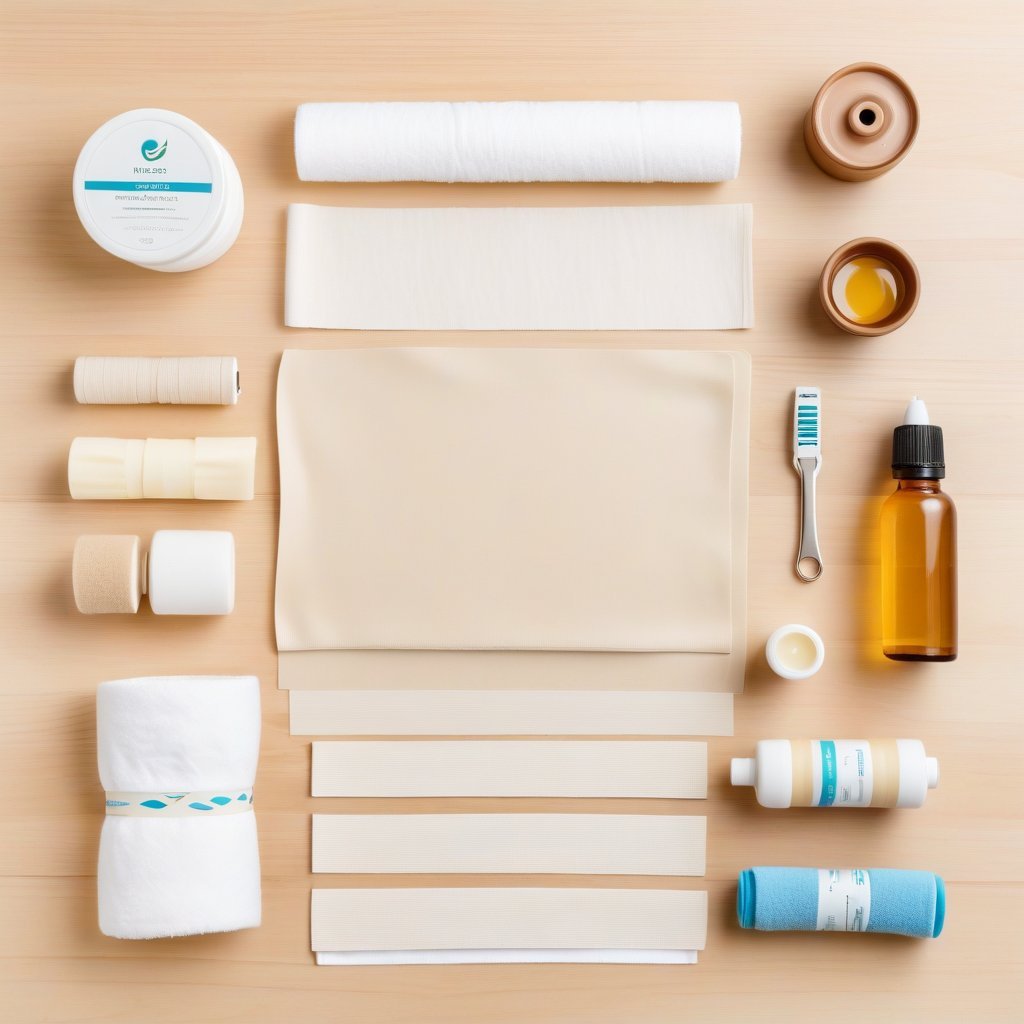
Opt for breathable, hypoallergenic tapes designed for long-wear and skin sensitivity.
Skin prep—clean, dry, and free of oils—helps improve adhesion.
If any irritation occurs, discontinue use and consult a clinician.
A well-chosen tape plan should feel supportive, not constrictive, and should be removed and reapplied by a trained professional if changes are required.
In clinical practice, the emphasis is on skin health, comfort, and gradual progression.
At Best & Beyond Spa, we tailor tape choices to your skin type and activity levels, ensuring patterns align with your movements and daily routines for best results.
Common taping patterns for abdominal planes
While patterns vary, typical approaches focus on supporting the lower and upper abdominal regions, and lines along the lateral trunk to assist fascia alignment.
A common framework includes:.
- Vertical support lines along the midline to encourage alignment and reduce excessive compression
- Diagonal or fan-like patterns to support oblique muscles during twisting and bending
- Cross-body taping to distribute tension evenly and assist lymphatic drainage
It’s essential to have taping applied by a trained professional who can assess your movement goals, skin health, and incision or scar status.
This coordination helps ensure the patterns align with your recovery timeline and minimize irritation.
Evidence and data trends for 2026: what researchers and clinicians are noting
In 2026, the field continues to explore non-invasive approaches that support recovery and tissue mobility.
While results can vary by individual, recent studies and expert reviews indicate a growing interest in combining manual techniques with taping to support fascia health and functional outcomes.
In particular, clinicians emphasize the potential for non-invasive strategies to complement conventional rehabilitation while prioritizing safety and patient comfort.
According to industry experts, integration of hands-on tissue mobilization with kinesio taping may contribute to better comfort during daily activities and improved proprioceptive awareness in the short term.
Additionally, contemporary practice trends highlight the importance of personalized plans that adapt as healing progresses and activity goals evolve.
This is consistent with the holistic approach embraced by Best & Beyond Spa, where care plans are crafted around individual needs, preferences, and healing timelines.
Researchers also point to ongoing investigations into how these modalities interact with inflammation, lymphatic flow, and fascia pliability.
While more high-quality randomized trials are needed to establish universal guidelines, the momentum in 2026 suggests a meaningful role for non-invasive strategies when paired with a thoughtful rehabilitation framework.
For patients, this translates into practical options that can be incorporated into a broader recovery routine under professional supervision.
As you consider your plan, discuss evidence-informed options with your clinician.
Our team at Best & Beyond Spa draws on current findings and real-world experience to offer options that support comfort, mobility, and well-being throughout the recovery journey.
Integrating tissue mobilization and kinesio taping with a full wellness program: a holistic roadmap
Recovery after an abdominal procedure benefits from a holistic plan that blends manual techniques, taping, gentle movement, and supportive spa therapies.
The following roadmap outlines how to integrate these elements into a cohesive program that respects your limits and goals.
Structured integration: what a typical week could look like
Within a weekly plan, consider the following components to balance rest, tissue mobilization, and functional workouts:
- Two sessions focusing on tissue mobilization and fascia release with a trained therapist
- Two light days of breathing-focused exercises and gentle mobility work
- One or two days of kinesio taping as advised by your clinician, with skin checks and rest as needed
- Daily activities and posture awareness to reinforce improved fascia alignment
Incorporating these elements into a consistent routine supports a gradual, safe improvement in tissue glide, proprioception, and daily function, while staying aligned with a holistic wellness approach celebrated at our Massachusetts spa.
Coordinating with spa services and lifestyle habits
Beyond hands-on work and taping, integrating lifestyle habits—proper sleep, balanced nutrition, hydration, and stress management—can support the recovery process.
Our team at Best & Beyond Spa emphasizes a calm, restorative environment that complements movement-based therapies and taping.
A coordinated plan with your care providers helps ensure all elements work together toward comfortable, sustainable progress.
Additionally, spa offerings such as relaxing massages, skin rejuvenation services, and gentle body treatments are designed to support overall well-being during recovery.
While these therapies are not substitutes for clinical advice, they can be valuable complements in a safe, integrative wellness plan that respects your healing timeline.
Risk awareness, contraindications, and safe practice
While tissue mobilization and kinesio taping can be beneficial components of a recovery plan, it’s essential to recognize and respect possible risks.
Some individuals may experience skin irritation, sensitivity, or discomfort if techniques are not properly adapted to their skin and tissue state.
Always consult a licensed professional before starting any new approach, and discontinue use if redness, swelling, or increased pain occurs.
Key safety considerations include avoiding direct manipulation over open incisions or fresh wounds, starting with low-intensity techniques, and ensuring that practitioners communicate clearly about expectations and progress.
Our team prioritizes safety, skin health, and gradual progression, ensuring every step is clearly explained and tailored to your healing pace.
Case examples and practical insights from the field
Consider a scenario where a client seeks to enhance abdominal fascia mobility after an abdominal procedure.
Through a combination of light tissue mobilization sessions and a carefully designed kinesio taping plan, the client experiences smoother breath support and more comfort during basic daily tasks.
We document subjective improvements in ease of movement, with therapists noting gradual gains in tissue glide as the plan progresses over several weeks.
It is important to emphasize that outcomes vary, and success depends on consistent practice, skin health, and adherence to medical guidance.
In another example, a client with sensitive skin benefits from a conservative taping approach, with skin checks and pattern adjustments as healing advances.
By coordinating with a broader recovery program, including gentle mobility work and restorative spa experiences, the client reports a sustainable sense of well-being and improved quality of life during daily activities.
These real-world insights reflect our commitment to evidence-informed, humane care that respects individual recovery timelines.
Choosing the right partner for your recovery journey in Massachusetts
Finding a trusted, well-equipped wellness destination matters.
Best & Beyond Spa offers a renowned, high-quality environment where therapists combine clinical sensibility with a calm, restorative approach.
Our bilingual team, including Davilla, brings a unique blend of clinical expertise and spa-focused care to help you feel your best.
We emphasize experience, compassion, and professionalism in every session, ensuring you have a supportive ally during your recovery journey.
Why our approach stands out
We prioritize evidence-informed care that respects your healing pace, with a focus on non-invasive strategies, skilled hands-on techniques, and practical guidance for daily life.
Our facility is designed to support rest, recovery, and gradual progress, blending the best of clinical insight with the comfort and reassurance you expect from a premier Massachusetts spa.
To those beginning or continuing their recovery, consider a collaborative approach that integrates tissue mobilization, kinesio taping, and a holistic wellness plan.
This combination aligns with a modern, compassionate approach to post-procedure healing that prioritizes safety, comfort, and long-term well-being.
Next steps: how to begin your personalized plan
Embarking on a tailored program starts with a conversation about your goals, current state, and healing timeline.
Reach out to our team at Best & Beyond Spa to discuss whether tissue mobilization and kinesio taping could be a helpful addition to your plan.
We’ll listen to your needs, assess skin health and tissue response, and propose a thoughtful, gradual pathway that aligns with your life and wellness aspirations.
As you move forward, remember that a holistic approach—combining manual techniques, taping, movement, and mindful self-care—can create a supportive environment for your recovery.
Our goal is to help you regain comfort, movement, and confidence in your daily activities, with a spa experience that honors your body and your well-being.
Interested in exploring these options with a trusted, top-rated team in Massachusetts? We invite you to connect with Best & Beyond Spa to learn how our integrated approach to restorative wellness can be a thoughtful part of your recovery journey.
Practical takeaways and quick-start checklist
- Fibrosis prevention strategies emphasize gentle tissue work and mindful taping patterns that respect skin health.
- Begin with a professional assessment to tailor tissue mobilization and taping to your needs.
- Maintain skin health with proper cleansing, dry skin care, and avoidance of irritants under the tape.
- Incorporate breathing, posture, and gradual movement into your daily routine for better tissue glide.
- Coordinate with a trusted wellness provider to ensure safety and consistency over time.
Remember, the journey toward improved fascia mobility and comfort is a collaborative process.
With the right plan, you can achieve meaningful progress while maintaining a sense of ease and confidence in your daily life.
To learn more about how our experienced team can support your recovery, contact Best & Beyond Spa today.
We’re here to listen, guide, and accompany you on a thoughtful path toward renewed mobility and well-being in Massachusetts.
Perguntas Frequentes
O que é mobilização de tecidos (tissue mobilization) e como ela ajuda a fáscia abdominal após uma cirurgia?
Mobilização de tecidos é uma abordagem manual suave que trabalha a fáscia para liberar restrições entre as camadas da parede abdominal. Ao melhorar o deslizamento entre os planos fasciais, pode reduzir aderências e promover conforto durante os movimentos diários. Ela complementa o cuidado pós-operatório ao manter a mobilidade da fáscia sem invasão.
Como o Kinesio Taping (KT tape) ajuda a limitar a fibrose entre planos abdominais?
A fita Kinesio oferece suporte suave à pele e à fáscia, ajudando a manter o deslizamento entre planos abdominais. Ela pode reduzir o edema, direcionar tensões e diminuir a dor, contribuindo para movimentos mais confortáveis durante a recuperação.
Existem riscos ou contraindicações para mobilização de tecidos e kinesio taping após um procedimento abdominal?
Sim, existem contraindicações: pele ferida ou com irritação severa, alergia a adesivos, infecção local, doença vascular ativa ou trombose, e situações em que o médico orienta evitar o toque intenso. Pessoas com essas condições devem buscar orientação profissional antes de mobilizar tecidos ou aplicar fita.
Quando é seguro iniciar mobilização de tecidos e aplicação de fita após a cirurgia?
O tempo de início varia conforme o tipo de cirurgia e as recomendações médicas. Em geral, a mobilização suave e a aplicação de fita são consideradas apenas quando o médico aprova, começando com estímulos leves e sem dor.
Quais sinais indicam melhoria da fibrose ou adesões com essa abordagem?
Você pode perceber melhor deslizamento entre os planos abdominais, redução da rigidez ao se mover e diminuição da dor durante atividades diárias. Também pode haver menor sensibilidade na área operada e maior conforto ao respirar profundamente.
Devo realizar mobilização de tecidos e taping por conta própria ou com um profissional?
Para mobilização de tecidos e taping, procure um profissional qualificado em fisioterapia ou fisiologia da pele para orientação personalizada. Medidas de autocuidado seguras incluem exercícios suaves de mobilidade, cuidado da pele e evitar pressão excessiva ou automedicação com adesivos.
O que esperar em uma sessão que combina mobilização de tecidos e kinesio taping?
Durante a sessão, o profissional avalia a fáscia abdominal, aplica técnicas manuais suaves de mobilização e, se apropriado, posiciona a fita de Kinesio. A sessão costuma ser confortável, sem dor, com foco na melhoria da mobilidade e conforto.
Como integrar essas técnicas ao meu plano de recuperação geral?
Estas técnicas devem ser alinhadas com fisioterapia, programas de retorno gradual à atividade e manejo da dor. Converse com sua equipe de cuidado para sincronizar sessões, horários de tape e exercícios diários.

At Best and Beyond Spa, Day and Davilla are dedicated professionals passionate about wellness and beauty. With expertise in spa day treatments, couples massages, and senior wellness, they provide high-quality, personalized care in a relaxing environment. Their mission is to help clients feel rejuvenated, refreshed, and truly cared for.
Related Posts

Top 5 Interventions to Minimize Fibrosis Risk Across Abdominal Procedures Guide
Preventing Fibrosis in Immediate Abdominal Rehab: A Personal Protocol