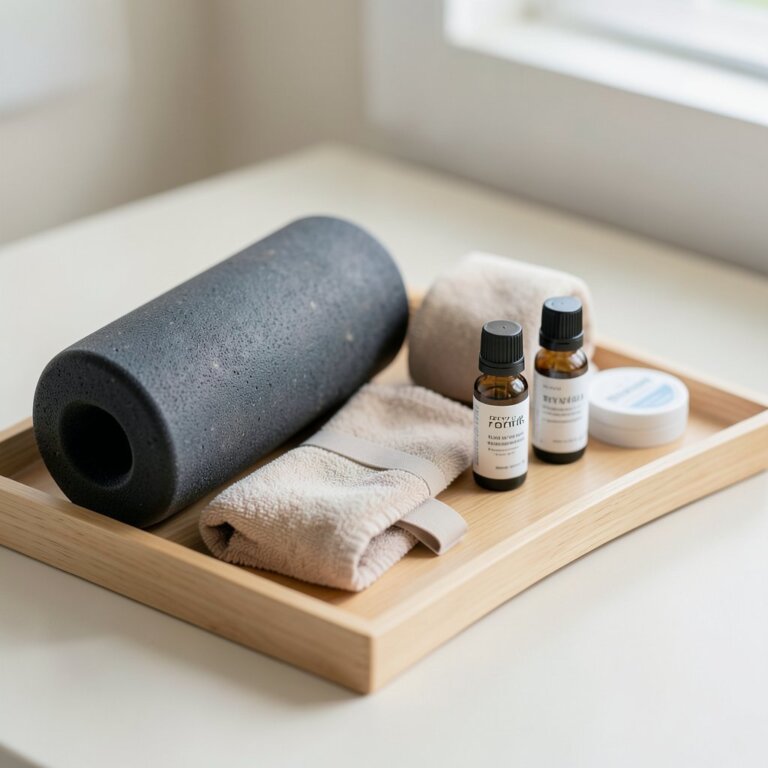

Fibrosis Prevention and Abdominal Mobility is a practical framework designed for the early recovery phase after a recent procedure.
This guide provides actionable steps that focus on gentle movement, mindful breathing, and nourishment to support tissue flexibility and abdominal function.
In Massachusetts, Best & Beyond Spa integrates evidence-informed practices with a wellness-first approach, helping clients regain comfort and confidence during this delicate time.
The emphasis here is on safe, progressive activities that minimize stiffness, enhance breathing efficiency, and protect the abdominal area from excessive strain.
Throughout this article, you’ll find practical routines, clear cues, and real-world tips from our team of seasoned wellness professionals who understand the nuances of movement, breath, and skin integrity.
By combining mobility strategies with calming routines, you can stay engaged in your daily life while you recover.
The aim is not to rush results but to create a steady path toward durable mobility and reduced scar-related stiffness over time.
Understanding Fibrosis Prevention and Abdominal Mobility in the Immediate Phase
The immediate phase focuses on laying a safe foundation. Fibrosis Prevention and Abdominal Mobility begins with attention to breath, posture, and gentle activation so the body can adapt without excessive tension.
This phase is about calm, controlled input—avoiding abrupt strains while your body begins to reawaken abdominal function.
By prioritizing breath coordination, gentle tissue handling, and careful movement, you establish a baseline from which progress can occur without triggering discomfort or stiffness.
What to expect in the first week
In the earliest days, aim for small, consistent efforts.
Your goals are comfort, control, and awareness of how your abdomen responds to light cues.
Focus on shallow, steady breaths and very gentle abdominal engagement.
This is a time to establish routine rather than intensity, so you can maintain momentum without overwhelming the body.
Key cues to use daily include a slow exhale with any abdominal activation and a relaxed upper body.
If you notice sharp pain or a sudden increase in tightness, pause and simplify movements.
The aim is to create a calm, predictable rhythm that supports tissue mobility while protecting the healing area.
Core principles guiding these protocols
Three guiding ideas shape the introduction of Fibrosis Prevention and Abdominal Mobility in the immediate phase: gentle progression, tolerance-based loading, and mindful self-care.
Applying these principles helps reduce scar-related stiffness and supports overall abdominal function.
In practice, this means moving within your comfort zone, listening to your body, and using breathing as a foundation for every movement.
- Gentle progression: increase stimulus only as comfort allows, never through pain.
- Tolerance-based loading: introduce small challenges to the core and fascia, then scale slowly.
- Mindful self-care: prioritize hydration, sleep, light nutrition, and skin care to support tissue mobility.
Why Early Mobility Matters for Fibrosis Prevention and Abdominal Mobility
Early mobility supports healthier scar formation and avoids adhesions that can limit abdominal function.
Studies in movement science and rehabilitation principles highlight that appropriate, low-load activities during the first weeks can reduce stiffness and improve long-term mobility.
In the context of Fibrosis Prevention and Abdominal Mobility, moving safely in the immediate phase helps your fascia and muscles learn to glide smoothly rather than sticking together, which is a common hurdle when there is limited movement after a procedure.
According to industry experts, the right balance of breathing, posture, and light activation can influence tissue remodeling in the weeks that follow.
What “early mobility” means in practical terms
Early mobility is not about intense workouts; it’s about rhythmic, manageable input.
You’ll see benefits from routine practices such as diaphragmatic breathing, gentle trunk rotations, and light pelvic tilts, all performed with mindful control.
Consistency beats intensity in this phase, and small wins accumulate into meaningful improvements in abdominal mobility and overall comfort.
For many, this translates into greater ability to perform daily activities without pulling on the abdominal area.
Common obstacles and how to navigate them
Many people experience resistance to starting movement after a procedure.
Common obstacles include fear of pain, worry about harming progress, and confusion about how to cue the body.
The solution is clear, evidence-informed guidance that emphasizes breath-driven cues, short practice blocks, and gradual exposure to movement.
If stiffness surfaces, reduce the magnitude of the cue and lengthen the time you allocate for each repetition.
The goal is to maintain safety while building confidence in your abilities.
Core Elements of an Immediate-Phase Protocol
Designing an effective immediate-phase protocol for Fibrosis Prevention and Abdominal Mobility requires a mix of breath, gentle movement, and skin care.
Below are the central components you’ll want to integrate into a daily routine, with practical steps you can start today.
Each element is chosen for its ability to support tissue mobility, promote comfortable activation, and minimize adhesions as you progress through recovery.
Diaphragmatic Breathing and Gentle Activation
Begin with diaphragmatic breathing as a cornerstone activity.
This technique teaches the body to recruit deep core support without excessive rib flare or shoulder tension.
A typical approach is to lie or sit with relaxed shoulders, place one hand on the chest and the other on the abdomen, and take a slow, full inhale through the nose.
Exhale fully, allowing the abdomen to gently soften toward the spine.
Repeat for 5–6 minutes, 2–3 times per day.
This practice supports abdominal mobility and reduces the risk of fascial sticking by promoting even tissue glide.
Complement breathing with light activation of the abdominal wall.
Use a tiny, comfortable pressure as you exhale to engage the lower abdominal muscles without forceful contraction.
The emphasis is control and coordination, not brute effort.
Over time, you’ll notice more stable core support, which translates into less compensatory movement in the upper body.
Scar Mobility and Skin Care
In the early phase, gentle touch to the abdominal skin and superficial fascia can support mobility while you respect the healing process.
If advised by your care team (in a non-clinical setting), consider light, circular fingertip movements along the perimeter of the abdominal area.
The aim is to encourage normal tissue glide and skin elasticity without applying deep pressure.
Maintaining clean, well-hydrated skin supports scar tissue adaptability and can reduce friction that contributes to stiffness.
- Perform light, circular motions along the lower ribcage and abdomen for 1–2 minutes per day.
- Avoid deep pressure or any sensation of sharp pain during touch-based techniques.
- Keep hands clean and moisturized to prevent skin irritation and promote comfort.
Safe Movement Patterns for Abdominal Mobility
Progression should be deliberately slow and guided by your body’s responses.
Safe movement patterns support Fibrosis Prevention and Abdominal Mobility by encouraging the fascia to align with natural curves and by reducing compensatory patterns that can create tension in the back, neck, or pelvic area.
Focus on movement sequences that emphasize alignment, breath, and light activation rather than intensity.
Posture and breath cues
Work on upright posture with a gentle natural curve in the spine.
Use breath cues to guide activation: a calm inhale to prepare, a steady exhale as you gently engage the abdominal wall, and a return to calm breathing.
This approach helps distribute load across the fascial network, supporting mobility without provoking discomfort.
When you sit, stand, or move, maintain a relaxed jaw and soft shoulders to keep the system balanced.
For practice, try the following sequence once or twice daily: seated tall posture, diaphragmatic breath, light abdominal engagement, gentle side bends, and a slow forward fold to mobilize the fascia in a non-painful range.
Each step reinforces the connection between breath and movement, a key factor in maintaining abdominal mobility during the immediate phase.
Progressive loading and feedback
As comfort improves, gradually introduce small, controlled loads to the abdominal region.
This could include gentle leg slides in a supported position, or a light pelvic tilt in a supine posture.
The intent is to challenge the fascia slightly while staying within a safe range.
Pay attention to feedback from your body—if you notice tighter areas or new soreness, reduce the load or pause briefly.
Consistent, gentle loading fosters the remodeling necessary for ongoing mobility and reduces the likelihood of adhesions forming.
- Leg slides in a supine position: 5–8 reps, 2–3 sets.
- Pelvic tilts with breath: 6–10 reps, 2 sets.
- Gentle side-lying twists: 5 reps per side, 1–2 sets, ensuring a comfortable range.
Nutrition, Hydration, Sleep and Environment
Nutrition and lifestyle choices complement physical activity during the immediate phase of Fibrosis Prevention and Abdominal Mobility.
Hydration supports tissue pliability, while balanced meals provide the building blocks for connective tissue.
Sleep quality influences recovery and fascia remodeling, so aim for consistent rest that helps the body adapt to new movement patterns.
In our Massachusetts-based approach, we emphasize whole foods, adequate protein, healthy fats, and plenty of water to support tissue health and comfort during abdominal mobilization.
Dietary patterns that support tissue mobility
Prioritize anti-inflammatory foods, including colorful vegetables, fatty fish or plant-based omega-3 sources, seeds, and whole grains.
Adequate protein helps the fascia and muscles recover from daily micro-stresses, while antioxidants support skin and connective tissue resilience.
Consider smaller, frequent meals to stabilize energy and maintain steady blood sugar, which can influence overall comfort during the early phase of movement.
Hydration matters.
Aim for consistent fluid intake throughout the day to maintain tissue hydration and better fascia glide.
While you listen to your body, a simple guideline is to sip water regularly, with adjustments for activity level and climate.
This routine supports the goals of Fibrosis Prevention and Abdominal Mobility by keeping tissues supple and responsive to light movement.
Sleep and environmental factors
Quality sleep supports tissue repair and adaptive mobility.
Create a calming pre-sleep routine, limit screen exposure, and keep a cool, dark environment.
Reducing nighttime stiffness can improve how you respond to morning mobility cues.
An organized space, comfortable clothing, and a predictable daily schedule all contribute to a smoother early phase of recovery and better abdominal mobility.
Timely Protocols: Weeks 0–2, Weeks 2–6, Weeks 6–12
Structured progression helps you evolve from simple to more integrated movements while preserving safety.
The following timeline provides practical steps aligned with Fibrosis Prevention and Abdominal Mobility.
Always adjust to your body’s feedback and consult a care professional if you have any concerns about your recovery pace.
Weeks 0–2: Establishment and safety
In the first two weeks, your focus is on comfort, breathing, and light activation.
Practice daily routines that include diaphragmatic breathing, gentle abdominal engagement, and skin care strategies to support mobility.
Keep sessions short (5–15 minutes) and spread them across the day to prevent fatigue.
The objective is consistent, non-intense input that helps the fascia begin to align with your movements.
- Daily breathing routines: 2–3 sessions of 5–10 minutes.
- Gentle abdominal engagement: 5–8 reps per session, 1–2 sets.
- Skin-friendly routines: 1–2 minutes of light touch or massage-like movement along the abdominal area.
Weeks 2–6: Gradual integration
During weeks 2–6, introduce slightly more variety while keeping load within comfortable limits.
Increase the duration of breathing and activation sequences, add light, controlled movements, and begin to explore gentle side-to-side mobility and trunk rotations.
The goal remains to maintain safety and comfort while enriching abdominal mobility and fascia glide.
- Controlled trunk rotations: 6–10 reps per side, 2 sets.
- Guided posture work: 2–3 times daily for 2–3 minutes per session.
- Hydration and nutrition check-ins: align meals and fluids with activity patterns to support tissue health.
Weeks 6–12: Consolidation and imagination for long-term mobility
By weeks 6–12, you can safely reinforce a broader set of movements while continuing to honor bodily feedback.
Integrate slightly more dynamic patterns, such as light standing twists or knee-to-chest sequences performed with a calm exhale.
This phase focuses on consolidating gains and building routine so that abdominal mobility remains steady as everyday activities resume.
- Standing twists with breath: 8–12 reps per side, 2 sets.
- Knee-to-chest with controlled exhale: 10–12 reps, 2 sets.
- Skin and fascia care: ongoing, gentle touch to maintain mobility and comfort.
How Best & Beyond Spa Supports Your Recovery Journey
At Best & Beyond Spa in Massachusetts, our approach to mobility and postoperative-like recovery emphasizes a calm, expert, and holistic path.
Our differentials—from Japanese head spa experiences to skin rejuvenation and clean, botanical products—underscore a commitment to quality care and a soothing environment.
While we do not replace medical advice, our wellness professionals offer guidance that complements your overall recovery by prioritizing gentle movement, mindful breath, and skin-friendly routines that support abdominal mobility and tissue health.
In practice, you may experience a blend of light touch, breath-centered routines, and relaxation therapies designed to reduce tension and promote comfortable movement.
Our team believes in a measured, personalized approach—tailoring details like touch intensity, tempo, and duration to your preferences and responses.
This thoughtful, non-invasive approach aligns with the broader goal of maintaining mobility and reducing stiffness, while also supporting your sense of well-being and confidence during the early phase of recovery.
Why clients in Massachusetts choose us for mobility and well-being
Clients repeatedly share that a calm, expert environment, botanical products, and a focus on gentle, proven techniques make a meaningful difference in daily life.
By integrating stretches, breathing practices, and skin care into a cohesive routine, clients report improved comfort, better posture, and a stronger sense of control in the weeks after a procedure.
While our content emphasizes practical steps, the results come from a consistent, mindful practice that respects the body’s readiness and the importance of steady, gradual progress.
Putting It All Together: A Practical 7-Step Starter Plan
Use this starter plan to begin implementing the immediate-phase protocols for Fibrosis Prevention and Abdominal Mobility today.
It blends breathing, gentle activation, skin care, and daily movement into a compact routine you can follow anywhere.
The plan prioritizes clarity, comfort, and gradual improvement, so you can stay engaged without overloading your system.
- Begin with 5 minutes of diaphragmatic breathing, followed by 5 minutes of light abdominal activation with a calm exhale.
- Perform 2 sets of 6–8 gentle pelvic tilts in a supine position, keeping the range comfortable.
- Do a 2-minute light touch routine along the abdomen to support skin mobility and fascia glide.
- Incorporate 2 daily posture checks and 1 short standing twist per side, breathing calmly throughout.
- Hydrate consistently and prioritize a nutrient-dense, anti-inflammatory diet to support tissue health.
- Maintain sleep routines that promote steady recovery and tissue repair.
- Track responses and adjust the plan weekly to stay within comfort and progress safely.
As you embark on these steps, remember that consistent, mindful practice is the foundation of lasting abdominal mobility.
The combination of Fibrosis Prevention and Abdominal Mobility with a supportive environment, like that found at Best & Beyond Spa, creates a gentle, reliable path toward better function and comfort in the weeks ahead.
Next Steps: Making Mobility a Long-Term Habit
Once you experience initial improvements in abdominal mobility, focus on turning care routines into lasting habits.
Create a daily cadence that blends breathing, light activation, and skin-friendly movement, while keeping attention to your body’s signals.
The long-term goal is to sustain the gains achieved during the immediate phase, ensuring you continue to move with ease, resilience, and confidence.
Regular check-ins with your wellness team can help you refine cues, adjust loads, and maintain the calm mindset that underpins successful mobility and tissue health.
In choosing your recovery and mobility path, consider how a trusted, top-rated wellness destination in Massachusetts can support your goals.
The combination of expert guidance, a safe environment, and a philosophy of gentle, mindful practice can help you sustain Fibrosis Prevention and Abdominal Mobility beyond the initial weeks and into long-term daily life.
For a personalized, expert-led experience that respects your pace and supports your goals, explore our suite of wellness offerings at Best & Beyond Spa.
Our team blends clinical insight with holistic care to help you feel your best and move with greater comfort and confidence.
Take the next step today: begin with a simple breath-and-malance routine, then gradually add light activation and skin-care practices.
Your body will thank you as you build durable abdominal mobility and reduce stiffness over time.
Looking for guidance tailored to your unique needs? Our Massachusetts team is ready to listen, adapt, and support you through this early phase with compassionate expertise and practical strategies you can trust.
To learn more about how we can support your journey toward improved abdominal mobility and reduced stiffness, reach out to schedule a simple, no-pressure consult.
A calm, expert environment awaits you at Best & Beyond Spa, where wellness and movement come together to create lasting comfort.
Frequently Asked Questions
What is the immediate-phase fibrosis prevention and abdominal mobility protocol?
The immediate-phase protocol focuses on laying a safe foundation through gentle movement, mindful breathing, and light abdominal activation. It emphasizes breath coordination, posture, and careful tissue handling to support flexibility without triggering stiffness. The goal is steady, progressive input rather than intensity, so you can rebuild abdominal function safely.
Which exercises are safe during the early recovery phase for fibrosis prevention and abdominal mobility?
Opt for gentle diaphragmatic breathing, very light abdominal engagement, and small, non-straining movements that respect your current limits. Prioritize low-impact cues, slow tempo, and short sessions to avoid excessive tension. Avoid explosive or deep-range activities until guidance from a clinician is given.
Why is breathing coordination important for fibrosis prevention and abdominal mobility?
Breath control reduces unnecessary tension in the abdomen and supports smoother tissue response. Coordinated breathing improves oxygen delivery and helps you maintain correct posture during gentle activations. This mindful practice protects the abdominal area while you reawaken function.
How much activity should I start with in the first week of the fibrosis prevention and abdominal mobility plan?
Begin with small, consistent efforts focused on comfort and awareness. Use shallow breaths and very gentle abdominal cues for brief, daily sessions. The emphasis is routine over intensity, allowing gradual adaptation.
What signs indicate I should pause or adjust the fibrosis prevention and abdominal mobility routine?
If you experience sharp pain, increasing stiffness, swelling, redness, or fatigue that doesn’t improve with rest, pause and reassess. Stop activities that worsen symptoms and consult a healthcare professional if needed. Gentle modifications can help keep you progressing safely.
How does nutrition influence fibrosis prevention and abdominal mobility outcomes?
Proper nutrition supports tissue healing and maintains energy for gentle movement. Prioritize adequate protein, hydration, and balanced meals to reduce inflammation and support abdominal function. Avoid heavy, inflammatory foods that may hinder recovery.
How can I monitor progress in fibrosis prevention and abdominal mobility without increasing stiffness?
Track comfort levels, breathing ease, and abdominal control in a simple daily log. Note cues such as how your abdomen responds to light activation and how stiffness changes throughout the day. Use these observations to guide gradual progression.
When is it appropriate to advance to more challenging movements within the immediate-phase framework?
Only after consistent tolerance of the base routine with minimal stiffness and no worsening symptoms. Progressions should be slow, guided by breath control and professional recommendations. If in doubt, consult your clinician before increasing intensity.

At Best and Beyond Spa, Day and Davilla are dedicated professionals passionate about wellness and beauty. With expertise in spa day treatments, couples massages, and senior wellness, they provide high-quality, personalized care in a relaxing environment. Their mission is to help clients feel rejuvenated, refreshed, and truly cared for.
Related Posts

“Checklist: Timing and Sequencing for Lymph Drainage to Optimize Immediate Recovery”
List: Core Abdominal Mobility Moves to Prevent Fibrosis in the Early Postoperative Phase