
Comparative: Early Tissue Mobilization vs Delayed Initiation for Scar Mobility
Lymph Drainage and Tissue Mobility form the core of a gentle approach to movement after a healing event, guiding decisions about when to begin mobilization and how to support scar comfort in a spa-informed recovery plan.
What Early Tissue Mobilization Means for Lymph Drainage and Tissue Mobility
Early Lymph Drainage and Tissue Mobility concepts emphasize a gradual, mindful start to movement, aiming to support lymph flow, soft tissue, and scar resilience without overloading tender areas.
In practice, this means integrating light, non-fatiguing motions and contained pressure that can help the body re-balance fluids and tissue texture.
For clients at Best & Beyond Spa in Massachusetts, early initiatives are tailored to individual healing patterns and comfort levels, always prioritizing safety and long-term comfort.
Key Mechanisms Behind Early Mobilization
When initiated early, gentle mobilization can encourage normal relationships between movement and circulation, which supports smoother scar mobility over time.
Practitioners focus on soft tissue gliding, light range of motion, and breath-supported movements that respect the body’s subtle signals.
The goal is to promote tissue pliability and reduce stiffness, while avoiding abrupt loads that could provoke sensitivity.
- Gentle touch and light pressure help promote natural drainage and tissue sliding.
- Early sessions emphasize comfort, not intensity, ensuring patient-centered pacing.
- Conscious breathing and alignment support better mobility outcomes over time.
In real terms, you might notice small improvements in how flexible the affected area feels during the first weeks, with ongoing feedback guiding progression.
This approach aligns with modern wellness practices that prioritize non-invasive care and gradual gains in motion and comfort.
Practical Protocols You May Encounter Early On
In the initial phase, practitioners often introduce a few foundational routines that can be done in a calm, supportive environment.
The aim is to encourage consistent practice and to establish a safe baseline for future progress.
- Very light, circular motions along the scar zone to support scar texture integration.
- Breath-guided movements that promote fluid balance and reduce surface tension.
- Short, daily sessions that respect your pace and comfort, with adjustments as needed.
Remember, the objective is not to “fix” anything immediately but to create a steady, nourishing environment for tissue mobility and lymph drainage to support ongoing healing.
Indications of Readiness for Early Start
Readiness is highly individual.
People often notice improved comfort, more predictable movement, and reduced stiffness as early indicators.
Your wellness team in Massachusetts will watch for clear signals like consistent tolerance to gentle motions, steady breathing during exercises, and no sharp irritations in the treated area.
If pain or redness increases, sessions are paused and reevaluated to protect your overall sense of wellbeing.
What Delayed Initiation Looks Like for Lymph Drainage and Tissue Mobility
Delaying initiation means postponing some mobility-based activities in favor of allowing tissue changes to progress with a gentler initial phase.
This approach can be considered when sensitivity is high, healing tissue requires stabilization, or personal comfort suggests a slower ramp-up.
In many cases, delaying initiation is used to ensure the groundwork is stable before introducing more active movements, with an emphasis on breathing, relaxation, and gradual exposure to light touch to support scar mobility and tissue health.
Reasons to Delay Initiation
There are thoughtful reasons to take a careful pace.
Delays may be appropriate when the affected area is highly sensitive, when there’s a desire to minimize any transient discomfort, or when an individual prefers a clearly structured plan with time to acclimate to gentle cues.
In Massachusetts, clients often appreciate a staged approach that blends mindful care with steady progression toward more involved routines as comfort grows.
How Delays Can Affect Scar Mobility
Waiting a little longer before starting movement can help certain tissues settle and reduce the risk of irritation.
The practical impact is that mobility gains might occur more gradually, but with potentially fewer fluctuations in daily comfort.
A patient, well-planned approach—guided by a caring, local team—can lead to lasting improvements in how the scar area moves when the time is right for more engaged techniques.
Reintegration Timeline and Safety Routines
When the decision is made to delay, it’s important to maintain a gentle cadence and to keep a consistent routine.
Practices may include breathing exercises, light skin gliding, and comfortable positioning that supports ongoing lymph drainage and tissue mobility benefits.
Your care team will tailor timelines to your pace, ensuring a smooth transition back toward more dynamic routines as confidence and tolerance improve.
Comparative Outcomes: When to Start and What to Expect in 2026
Comparing early versus delayed initiation highlights a balance between prompt mobility benefits and patient comfort.
Industry insights in 2026 emphasize individualized pathways that respect patient preferences and tissue responses.
In a Massachusetts wellness setting, outcomes are guided by careful observation, ongoing feedback, and a focus on wellness-driven strategies that prioritize long-term comfort and mobility.
Outcomes: Mobility, Comfort, and Aesthetics
Early initiation often yields quicker improvements in mobility and a more resilient sense of surface flexibility, while delayed initiation can reduce short-term irritation for those with heightened sensitivity.
Across adaptive plans, clients frequently report a calmer sense of texture, improved skin glide, and better overall comfort as scar tissue becomes more integrated with surrounding tissue over time.
Evidence and Practitioner Insights
According to 2026 industry insights, spa-based approaches that combine light touch, breath work, and movement tend to align with client-reported improvements in comfort and daily function.
Practitioners emphasize listening to body signals, pacing the progression, and prioritizing a holistic sense of well-being over rigid timelines.
These perspectives reinforce that Lymph Drainage and Tissue Mobility are best supported through thoughtful, patient-centered care plans rather than rigid acceleration.
Real-World Scenarios and Case Stories
In real-world settings, clients often share stories of gradual gains in soft tissue mobility and a clearer sense of space around the treated area.
Some experiences highlight how early, gentle approaches can yield steady improvements in daily activities, while others demonstrate the value of patient pacing when initial sensitivity is high.
Across cases in Massachusetts, outcomes reflect a constant emphasis on comfort, safety, and ongoing feedback from the individual receiving care.
Practical Guidelines for a Hopeful Recovery Path
Whether starting early or taking a slower approach, practical routines can support sustained progress.
The guidance below is designed to be actionable, humane, and respectful of your personal pace, with an emphasis on wellness-oriented practices that align with Best & Beyond Spa’s philosophy in Massachusetts.
Daily Routines at Home
Small, consistent routines can make a meaningful difference.
Consider light touch tasks, gentle gliding along the scar area, and breath-synchronized movements.
Scheduling brief sessions at the same time each day can help instill a reliable rhythm, which in turn supports ongoing lymph drainage and tissue mobility.
- Begin with 3–5 minutes of diaphragmatic breathing to calm the body and prepare for movement.
- Use clean hands to perform slow, circular motions along the scar zone with minimal pressure.
- End with a brief period of rest and observe any changes in comfort or mobility.
Incorporate a comfortable positioning strategy to reduce strain and support steady progress.
The idea is to cultivate a calm environment that encourages gentle movement and fluid balance without rushing progress.
In-Session Techniques at Best & Beyond Spa
In our Massachusetts practice, sessions blend light touch techniques with mindful movements to enhance readiness for progression.
The focus remains on consistency, safety, and the patient’s comfort level, with personalized care guiding every step.
You’ll experience a calm, supportive environment designed to foster confidence in your journey toward improved mobility.
- Guided breathing and slow hand-guided mobilizations that respect tissue sensitivity.
- Selective, non-invasive techniques aimed at improving scar mobility and tissue coordination.
- Progression plans that adapt to your feedback and comfort signals.
Our team emphasizes clear communication, so you always know what to expect and can participate actively in your recovery plan with confidence.
Getting Started: What to Discuss with Your Wellness Team
Opening a conversation about mobility after a healing event is a sign of proactive care.
When you connect with our Massachusetts team, you’ll be invited to share your comfort levels, daily routines, and goals for mobility.
This dialogue helps tailor a plan that centers on security and comfort, while guiding you toward steady gains in scar mobility.
Key questions to consider include: How does the current tissue respond to touch? Are there activities that trigger irritation? What is the preferred pace for progression? How can breathing and posture support ongoing improvements?
Five Common Pitfalls and How to Avoid Them
Avoiding common missteps can keep your path smoother and more enjoyable.
The following insights reflect real-world experiences and expert perspectives in 2026 about maintaining balance between progress and comfort.
Pitfall #1: Overdoing It Too Early
Too much, too soon can lead to temporary discomfort or irritability.
The remedy is to honor your body’s signals and adopt a conservative pace that emphasizes gentle progression and breath-centered practice.
- Pause if you notice sharp sensations or a return of stiffness.
- Scale back intensity and extend the duration of sessions instead of increasing load.
Pitfall #2: Skipping Gentle Techniques
Skipping foundational, gentle routines can reduce the quality of tissue response.
Prioritize soft tissue gliding and lymph drainage-friendly motions to support longer-term mobility.
Pitfall #3: Inconsistent Care
Inconsistency can slow progress.
Small, regular sessions typically yield more durable gains than sporadic, longer sessions.
A steady rhythm builds confidence and tissue adaptation.
Pitfall #4: Ignoring Pain Signals
Pain signals deserve respect.
If discomfort increases, ease back, reassess your plan, and discuss adjustments with your care team.
This approach helps protect ongoing comfort and mobility.
Pitfall #5: Rushing the Timeline
Rushing can undermine outcomes.
A patient, patient-centered timeline supports sustainable progress and reduces the likelihood of setbacks.
Your Massachusetts team can help you create a realistic pace that matches your goals.
Next Steps to Support Scar Mobility in Massachusetts
Ready to advance with a plan that emphasizes comfort, safety, and steady gains? Best & Beyond Spa in Woburn, MA, offers a thoughtful, wellness-focused approach to Lymph Drainage and Tissue Mobility.
Our team blends expertise, empathy, and evidence-informed practices to help you move toward your goals with confidence.
What does a typical first session look like? A calm assessment, guided breathing, and light touch work to establish a comfortable baseline, followed by a personalized progression plan.
The emphasis is on personalized care, gentle techniques, and ongoing feedback to ensure you feel secure and supported throughout your journey.
What a Typical Session Looks Like
Expect a short intake conversation, a brief gentle assessment, and several minutes of breathing practice.
The main portion of the session will include light, mindful movements and tissue handling designed to nurture scar mobility and lymph drainage in a safe, comfortable environment.
How Our Team Supports Your Journey
Our Massachusetts-based team prioritizes a holistic, non-invasive approach.
We collaborate with you to tailor routines, adapt pacing, and celebrate small but meaningful gains in mobility and comfort.
The aim is to help you feel confident about moving forward with less stiffness and more ease in daily activities.
Getting Started at Best & Beyond Spa
To begin your guided journey toward improved mobility, contact Best & Beyond Spa in Massachusetts.
Our bilingual team (English & Portuguese) is ready to welcome you and support you with a compassionate, expert approach grounded in real-world wellness experience.
Massachusetts-based care, a calm space, and a team committed to your comfort are just a conversation away.
Embrace a path that blends expert guidance with a natural, soothing approach to movement and healing.
Conclusion: A Thoughtful, Gentle Path Forward
In 2026, the prevailing wisdom in wellness emphasizes patient-centered pacing, mindful touch, and practical routines that support Lymph Drainage and Tissue Mobility without forcing rapid changes.
By choosing a collaborative, compassionate path—whether you begin with early mobility or later initiation—you can cultivate improved comfort, smoother tissue integration, and lasting mobility in a way that respects your body’s signals.
At Best & Beyond Spa, you’ll find a trusted partner in Massachusetts who understands that progress measured in small steps is the most powerful way to protect your well-being and achieve meaningful, sustainable outcomes.
Take the next step with us.
Explore our massage and wellness offerings, designed to nurture your recovery journey with care, clarity, and expertise in a peaceful, nature-inspired setting.
Call to action: Begin your gentle mobility journey with Best & Beyond Spa in Massachusetts and experience a trusted, top-rated wellness team dedicated to your comfort and long-term mobility.
Frequently Asked Questions
What is early tissue mobilization in the context of lymph drainage and tissue mobility?
Early tissue mobilization refers to initiating light, mindful movement soon after a healing event to support lymph drainage and scar mobility. The approach focuses on gentle tissue gliding, contained pressure, and breath-supported movements to boost pliability without overstressing sensitive areas.
How does early initiation affect scar mobility and lymph drainage?
Starting early aims to keep the relationship between movement and circulation balanced, promoting smoother scar mobility and healthier lymph drainage over time. It emphasizes gentle, non-fatiguing motions and careful pressure to avoid triggering sensitivity.
What are typical signs you can start early tissue mobilization after a healing event?
You may be ready when the area tolerates light touch and gentle ranges of motion without increasing pain. If you notice persistent swelling, sharp pain, or redness that worsens with movement, seek guidance from a clinician before continuing.
What differences exist between early tissue mobilization and delayed initiation?
Early tissue mobilization prioritizes immediate, gentle movement to support lymph drainage and tissue mobility, aiming for gradual improvements. Delayed initiation allows more time for initial healing and typically uses gentler loading, reducing risk of irritation before mobilization begins.
Who is a good candidate for early tissue mobilization?
Most individuals recovering from minor injuries or surgical healing can be considered, provided a clinician approves. The plan is tailored to your healing pattern, comfort level, and any contraindications to ensure safety.
What are common techniques used in early lymph drainage and tissue mobility?
Techniques often include soft tissue gliding, light range-of-motion exercises, and breath-supported movements with contained pressure. Gentle touch and alignment work are emphasized to promote natural drainage and tissue sliding without triggering sensitivity.
How soon might you notice improvements in scar mobility with early initiation?
Some clinicians report subtle improvements in tissue pliability in the first weeks after starting, with ongoing feedback guiding progression. Visible changes vary by individual, but consistent, gentle practice can support longer-term mobility gains.
How should you decide between early mobilization and delayed initiation with your therapist?
Work with a qualified therapist to assess your healing status, scar characteristics, and comfort signals before choosing a plan. Your clinician can tailor timing and intensity to balance safety with gradual gains in lymph drainage and tissue mobility.
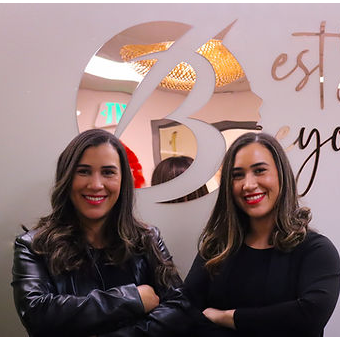
At Best and Beyond Spa, Day and Davilla are dedicated professionals passionate about wellness and beauty. With expertise in spa day treatments, couples massages, and senior wellness, they provide high-quality, personalized care in a relaxing environment. Their mission is to help clients feel rejuvenated, refreshed, and truly cared for.
Related Posts
Guide: Tailoring Lymph Drainage Plans to Different Procedures
Immediate Abdominal Rehab: Essential Moves for Early Recovery