
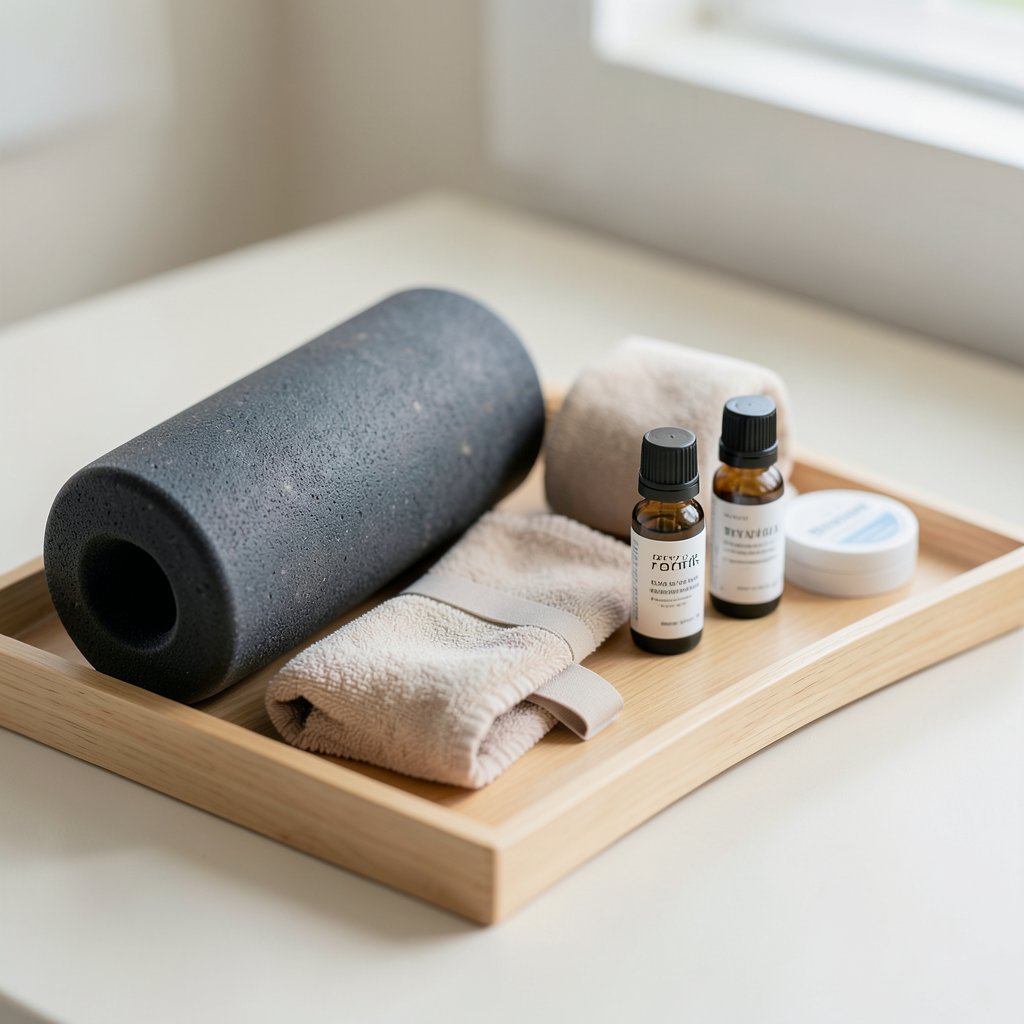
Fibrosis Prevention and Abdominal Mobility: Core Moves for Early Recovery
Fibrosis Prevention and Abdominal Mobility is a guiding concept for those navigating the early recovery window after a medical procedure.
In this phase, small, deliberate movements can support tissue glide, improve diaphragmatic function, and promote daily comfort.
In Massachusetts, wellness teams such as Best & Beyond Spa emphasize a holistic approach: combining mindful movement with breathwork, gentle stretching, and supportive soft tissue work to help you feel more like yourself again.
By focusing on breathing, alignment, and gradual activation, you can establish a foundation for resilient mobility without overloading tissues.
This guide walks you through practical, safe steps you can start today, with case-based insights drawn from our experience working with clients who are healing after a procedure.
We’ll cover what to expect in the first days, the core moves that are gentle yet effective, and how to build a sustainable routine that respects your body’s limits while promoting continuity of motion.
Fibrosis Prevention and Abdominal Mobility: A Practical Guide for Early Recovery After a Medical Procedure
What to know in week one: The early phase is about gentle activation, mindful breathing, and restoring comfortable ranges of motion.
You’ll notice that even small movements can help your abdomen and core feel more connected to the breath.
In our Massachusetts studio, we emphasize patient-centered guidance and a slow pace that honors your pace.
Fibrosis Prevention and Abdominal Mobility in Week 1
During the first days, the focus is on breath awareness, soft tissue response, and avoiding any painful bout of effort.
We encourage you to stay within a comfortable range, and to progress only when your body signals readiness.
This approach aligns with best practices in post-procedure recovery that prioritize tissue glide, reduced stiffness, and steady, controlled movement.
- Begin with diaphragmatic breathing for 3–5 minutes, three times per day, to support core stability without strain.
- Perform a gentle pelvic tilt and rib-cage expansion sequence to reintroduce awareness of the abdominal wall.
- Use a soft surface for short, supported ranges of motion to maintain comfort and safety.
Key Safety Signals and Comfort Limits
Pay attention to pain-free movement, any sharp sensations, or increases in swelling.
If you notice persistent discomfort, it’s prudent to pause and consult your care provider.
In our experience at Best & Beyond Spa, gentle touch and breathwork can support a smoother transition back to daily activities while preserving tissue tolerance.
- Noticeable pain or tingling warrants a pause and reassessment of technique.
- Discontinue any movement that increases pressure in the abdomen beyond a comfortable level.
- Stay hydrated and maintain steady, consistent breathing during all movements.
7 Core Moves for Early Recovery: A Stepwise Framework for Safe Mobility
In this section, we outline a practical framework to support Fibrosis Prevention and Abdominal Mobility without overwhelming the body.
We group the seven core moves into two practical groups to help you structure sessions that are easy to follow and consistently beneficial.
These movements are designed to be gentle, accessible, and adaptable to various comfort levels.
Always proceed at a pace that respects your body and seek professional guidance if you have concerns.
Move Group A: Gentle Initiation
Group A focuses on establishing breath-guided awareness and foundational abdominal engagement.
These moves are designed to be performed with minimal load and maximal control.
In our practice, we emphasize control, alignment, and breath coordination as the pillars of success.
- Pelvic Tilt with Breath: Lie on your back with knees bent. Inhale to relax the abdomen, then exhale while gently tilting the pelvis toward the ribcage. Maintain a soft spine and steady breath.
- Diaphragm-Engaged Bridge: From the same position, lift the hips slightly while keeping the ribs down and the neck relaxed. Hold for a few seconds, then release with controlled exhale.
- Gentle Heel Slides: With knees bent, slowly slide one heel away from your body and then back, preserving abdominal softness and breathing rhythm.
- Toe-Tap Mobilization: Alternate tapping each toe toward the floor while maintaining a quiet, deliberate breath cycle.
Move Group B: Progressive Core Activation
Group B introduces a bit more awareness of deeper abdominal engagement, while still avoiding load.
The goal is to foster fascia mobility, stabilize the midline, and encourage safe, gradual progression.
- Abdominal Wall Contraction with Gentle Lift: In a neutral spine, gently draw the abdomen inward while maintaining breath, avoiding pelvic tilt exaggeration.
- Quadruped Arm Reach (Modified): On hands and knees, reach one arm forward while keeping hips square and abdomen engaged; switch sides.
- Side-Lying Arm Lends: Lie on the side with knees gently bent; extend the top arm forward while maintaining abdominal engagement and a calm breath.
These two groups together offer a balanced approach to early mobility, ensuring you build core activation and tissue mobility without compromising safety.
Consistency matters; aim for short, daily sessions that gradually cultivate confidence in movement.
Breathing and Posture Techniques That Support Abdominal Mobility
Breathing and posture are not extras; they are central to how the abdomen moves and heals.
A well-supported breath pattern assists in reducing intra-abdominal pressure and enhances the efficiency of every movement.
Our approach in Massachusetts blends education, gentle practice, and the support of a trusted wellness team to help you regain comfort and confidence in daily activities.
Diaphragmatic Breathing for Abdominal Mobility
Diaphragmatic breathing is the cornerstone of many mobility programs.
It trains the brain to recruit the diaphragm and pelvic floor in sync, which can improve abdominal stability and reduce tension.
A practical routine: place one hand on the chest and the other on the abdomen, inhale through the nose so the abdomen rises, then exhale slowly through pursed lips.
Repeat in 5–7 cycles, three times daily.
- Breath rhythm should be smooth and unforced.
- Avoid chest-dominant breathing; prioritize the abdomen’s rise and fall.
- Pair each breath cycle with a light, conscious activation of the midline.
Optimal Postural Alignment for Everyday Activities
Posture influences how the abdomen moves and how tissues tolerate load.
In practice, we teach mindful alignment cues that are easy to apply during simple tasks such as standing, walking, and reaching.
Key ideas include maintaining a tall spine, neutral pelvis, and relaxed jaw, with the shoulders resting away from the ears.
- Stand tall with feet hip-width apart and weight evenly distributed.
- Imagine a string at the crown of the head guiding height and elongation.
- Engage a light, steady abdominal brace only as needed for stability during tasks.
Together, breathing and posture form a practical duo that supports mobility quality and helps prevent stiffness from taking hold.
In our sessions at Best & Beyond Spa, clients report a noticeable improvement in daily comfort when breath and alignment are consistently integrated into routine movements.
Daily Routine and Safety: Building Consistency Without Overload
Consistency is the bridge between intention and lasting change.
The daily routine for Fibrosis Prevention and Abdominal Mobility should be predictable, gentle, and sustainable.
Our Massachusetts clients often start with a 10–15 minute cadence, then adjust based on how the body responds.
The goal is to build a steady habit, not to chase rapid change that leads to irritation or fatigue.
Starting Small and Progressing
Begin with brief sessions, gradually increasing frequency and duration as tolerable.
A simple progression framework might look like: week 1, daily 10 minutes; week 2, 12–15 minutes; week 3, add one extra set or a few extra repetitions.
This approach supports tissue tolerance and promotes safe, ongoing mobility gains.
- Schedule a consistent daily slot, e.g., after waking or before bed.
- Keep movements within a pain-free range and focus on control, not speed.
- Track how you feel after each session to inform future progression.
Listening to Your Body Signals
Your body communicates in subtle ways during recovery.
If you notice persistent soreness, increased fatigue, or swelling, it may be time to pause and reassess.
Our approach emphasizes patient awareness and timely adjustments guided by your comfort and your care team’s recommendations.
- Use a simple scale of comfort 0–10 to gauge response to each move.
- Document any unusual responses and discuss them with your care provider.
- When in doubt, scale back and revisit the basics—breath, alignment, and gentle activation.
Common Pitfalls and How to Avoid Them in Early Mobility
Avoiding common missteps helps reduce friction in your recovery journey.
Below are practical cautions drawn from clinical-inspired wellness practice in our Massachusetts studio.
The aim is to protect abdominal integrity, preserve tissue glide, and maintain gentle progress.
Erro 1: Overdoing It
Overexertion can trigger unnecessary strain and delay progress.
If a movement triggers discomfort beyond mild tension, stop and reassess technique.
A measured, progressive approach often yields better long-term results than rapid bursts of effort.
- Shorten sessions and decrease range if tension arises.
- Switch to a gentler variation of the same move.
- Consult a clinician or therapist if discomfort persists.
Erro 2: Neglecting Breath and Rest
Breath is a critical moderator of abdominal load.
Skipping breathing cues or rushing through sets can make even simple movements feel heavy.
Return to diaphragmatic breathing and slow exhalations to reset.
- Incorporate breath-focused rounds before each movement.
- Build rest breaks into your routine to prevent overload.
- Keep hydration and nutrition aligned with activity.
Erro 3: Ignoring Discomfort Signals
Discomfort is a useful signal.
If certain sensations linger beyond a few minutes after a session, take note and adjust.
A conservative, reflective approach helps protect long-term comfort and mobility.
- Record sensations and note the trigger movements.
- Modify or substitute exercises to stay within comfort zones.
- Seek guidance if sensations persist or worsen over several days.
Evidence, Experience, and Massachusetts Guidance: Why a Trusted Wellness Partner Matters
Choosing a reliable, evidence-informed partner makes a meaningful difference.
In Massachusetts, Best & Beyond Spa emphasizes a compassionate, science-informed approach to mobility and recovery.
Our founder, Davilla, blends a clinical physiotherapy foundation with holistic techniques learned from years in wellness and body care.
This combination supports a balanced, respectful pathway to restored movement and daily comfort.
Although we avoid medical terminology, our practice aligns with the idea that soft tissue health, fascia mobility, and core stability are interconnected in the path toward full function.
Why Professional Guidance Helps
A guided program reduces guesswork and helps you stay aligned with your body’s signals.
An experienced practitioner can tailor exercises to your current tolerance, adjust intensity, and ensure movements remain safe and effective.
In our experience, clients who train with a trusted mentor tend to report greater consistency and confidence in their daily activities, which supports sustained improvements in mobility.
- Personalized adjustments optimize comfort and progression.
- Professional cues assist with breathing, posture, and activation timing.
- Ongoing feedback ensures you remain within healthy tissue limits.
What to Look for in a Trusted Wellness Partner
When seeking guidance for Fibrosis Prevention and Abdominal Mobility, consider experience in gentle movement, a focus on breathwork, and an environment that prioritizes safety and compassion.
Look for professionals who:.
- Provide clear, measurable, and humane progressions.
- Offer a calm, supportive atmosphere with attention to individual needs.
- Emphasize ongoing education, evidence-informed practices, and respectful, non-invasive care.
Best & Beyond Spa brings a holistic philosophy to recovery, blending therapeutic body care, ethical guidance, and a tranquil environment—qualities that many clients in Massachusetts value for a confident path to renewed mobility.
Next Steps for Your Recovery Journey: Practically Move Forward with Confidence
Ready to begin or refine your routine? The steps below help translate theory into daily practice, with an eye toward long-term comfort and resilience.
Involve your care team, listen to your body, and stay consistent.
The process is gradual, but with steady practice, you can experience meaningful improvements in mobility quality and daily ease.
- Schedule a guided assessment to personalize your plan and address any concerns about movements or comfort.
- Establish a simple daily routine that includes 1) diaphragmatic breathing, 2) gentle abdominal engagement, and 3) posture checks.
- Gradually expand your repertoire by adding one new controlled movement every week, only after your body signals readiness.
At Best & Beyond Spa in Woburn, MA, we have a reputation for calm, expert-driven care that respects every body’s pace.
Our integrated approach—rooted in breath, gentle mobility, and mindful touch—helps many clients feel more comfortable in their bodies again.
If you’re seeking supportive guidance, we invite you to explore our spa services and experience the care of a trusted, highly qualified wellness team.
Key takeaway: Consistent, breath-guided, low-load movements can support Fibrosis Prevention and Abdominal Mobility in the early recovery window, helping you regain daily function with confidence and comfort.
Frequently Asked Questions
What is the role of abdominal mobility in fibrosis prevention during the early postoperative phase?
Abdominal mobility promotes tissue glide and diaphragmatic function, supporting fibrosis prevention in the early postoperative phase. It emphasizes small, deliberate movements that keep the core connected to breath while tissues heal, rather than pushing for intensity.
Which core moves are recommended for fibrosis prevention and abdominal mobility in the early recovery window?
Core moves include diaphragmatic breathing with gentle abdominal activation, soft pelvic tilts, controlled rib-cage expansion with breath, and very gentle knee-to-chest or leg slides performed within a comfortable range. Perform them slowly and stop if any pain arises.
How does diaphragmatic breathing support fibrosis prevention after surgery?
Diaphragmatic breathing improves diaphragmatic function and reduces chest tension, aiding tissue glide during healing. Pair the breath with light abdominal activation to promote a calm, steady rhythm that invites recovery without soreness.
How should you progress abdominal mobility during week 1 to avoid overloading healing tissues?
Progress in week 1 should stay within a comfortable range and be guided by your body signals. Increase complexity or range only when you feel ready and pain-free, never pushing through discomfort.
What can you expect in the first days regarding abdominal comfort and breath coordination?
Expect a focus on breath awareness and soft tissue response, with small movements that improve the connection between abdomen and breath. Keep movements within a comfortable range and avoid painful effort.
How can soft tissue work complement breathing and gentle stretching for fibrosis prevention?
Soft tissue work, when performed by a trained provider, can relieve tension and support movement quality as part of fibrosis prevention and abdominal mobility. Pair this with breathwork and gentle stretching to enhance tissue glide, avoiding aggressive techniques during early healing.
What signs indicate you should pause or modify abdominal mobility exercises?
Stop if you experience pain, sharp incisional discomfort, increasing swelling, dizziness, or new abdominal tenderness. Pause and consult your clinician if any red flags arise.
How can you build a sustainable routine that supports fibrosis prevention and abdominal mobility without compromising healing?
Create a short, daily routine that combines breathing, gentle core activation, and alignment work. Progress slowly, listen to your body, and adjust as healing allows to maintain continuity of motion without overloading tissues.

At Best and Beyond Spa, Day and Davilla are dedicated professionals passionate about wellness and beauty. With expertise in spa day treatments, couples massages, and senior wellness, they provide high-quality, personalized care in a relaxing environment. Their mission is to help clients feel rejuvenated, refreshed, and truly cared for.
Related Posts

List: Quick Reference Positions for Safe Lymph Drainage in Early Postoperative Period
Comparative: Early Tissue Mobilization vs Delayed Initiation for Scar Mobility