Lymph Drainage and Tissue Mobility unlocks a more comfortable, confident start to the immediate recovery window.
At Best & Beyond Spa in Woburn, MA, our team blends massage-based techniques with a serene, supportive environment designed to honor your body’s natural rhythms.
This guide offers a practical, wellness-focused roadmap built from years of hands-on experience in relaxing therapies and gentle body care.
It explains timing and sequencing for a safe, effective approach in the early days after a postoperative phase, and it shows how to tailor the plan with our bilingual care team to fit your unique needs.
As you begin this journey, you’ll learn how Lymph Drainage and Tissue Mobility supports the body’s natural drainage pathways, enhances circulation, and promotes soft tissue mobility.
Throughout the guide you’ll find actionable steps, practical cautions, and compassionate care tips that emphasize comfort, safety, and progress.
Our goal is to empower you with clear, reliable guidance that respects your pace and promotes a sense of well-being from the first session onward.
Lymph Drainage and Tissue Mobility: Understanding Its Role in Immediate Recovery
Understanding the core principles behind Lymph Drainage and Tissue Mobility helps you approach the immediate recovery phase with confidence.
The idea is simple in theory and powerful in practice: when gentle techniques align with your body’s natural flow, fluids move more efficiently, tissue layers glide more easily, and overall comfort improves.
This section outlines what you can expect when the right timing and sequencing are applied in a spa setting focused on relaxation, safety, and outcomes.
What Lymph Drainage and Tissue Mobility Involves in practice
At its core, this approach combines light, non-invasive touch with mindful positioning to encourage the body’s drainage pathways.
Practitioners focus on areas where tissue mobility is most responsive, helping to reduce congestion and support natural movement.
The result is a calmer sensation, less perceived stiffness, and a smoother transition through the early recovery phase. Gentle touch and breathing alignment are essential tools in this process, ensuring the experience remains comfortable and supportive.
How timing affects outcomes in the immediate phase
Timing matters because the body’s fluid balance and tissue glide are most responsive when you start with low intensity and close attention to feedback from the body.
Our approach prioritizes gradual exposure, so you can test tolerance, adjust pressure, and extend sessions as comfort allows.
In clinical terms, gentle stimulation during the initial days can help reduce edema and improve circulation, while avoiding overloading tissues that are still adapting to change.
Real-world examples from our wellness floor
During early sessions, clients often notice a noticeable shift in comfort after the first visit, especially when paired with supportive positioning and mindful breathing.
In Massachusetts, our bilingual team routinely adapts these techniques to individual needs, explaining each step and inviting you to provide feedback.
These practical adjustments amplify tissue mobility and keep the focus on comfort and confidence throughout the process.
Timing Principles: When to Begin and How Often to Engage
Timing is the heartbeat of an effective sequence.
The objective is to align care with the body’s rhythm during the initial days, then progressively refine the approach as comfort grows.
This section breaks down the phases of timing, with concrete guidelines you can discuss with our team in Woburn, MA.
The guidance here emphasizes safety, patience, and gradual progression, all centered on enhancing venous return and reducing edema through controlled, thoughtful care.
Timing considerations for Lymph Drainage and Tissue Mobility in the immediate window
Begin with two focused, brief sessions within the first 24 hours, each lasting around 15-20 minutes, depending on comfort.
If you feel steady progress, you can extend gradually, aiming for short daily sessions during the first 3-4 days.
The emphasis is on gentle stimulation and posture awareness, ensuring that every touch remains within your comfort zone.
Progression through the first week
During days 2-7, you can increase session length modestly and introduce light mobility-focused movements that support tissue glide.
The aim is a measured rise in circulation and tissue mobility without provoking discomfort.
Our team will guide you to listen to your body, adjust as needed, and reserve deeper work for later weeks if you find it beneficial.
Signals to pause or adjust
If you experience unusual heaviness, persistent pain, or increased swelling, it’s a signal to pause and reassess with our care team.
We encourage open communication, so you can share sensations in real time.
This collaborative approach helps maintain safety, preserves progress, and keeps your comfort at the forefront.
Sequencing the Routine: A Practical Step-by-Step 7-Point Checklist
The heart of a successful plan is a clear sequence that blends breathing, positioning, and gentle manual techniques.
Below is a practical checklist you can use to structure sessions and home practice.
The steps are designed to be scalable, so your care team can tailor intensity to your pace while keeping the focus on edema management, venous return, and overall mobility.
- Settle into a comfortable position with natural spine alignment and supported limbs. Focus on slow, deliberate breathing to anchor the session.
- Begin with light, gliding strokes along lymph drainage pathways, applying minimal pressure to assess tolerance.
- Monitor tissue response with gentle range-of-motion moves that encourage fascia mobility without overloading the area.
- Move to deeper, controlled techniques only if comfort remains stable and feedback is positive.
- Reassess after 5-10 minutes to determine whether to continue, pause, or modify the approach.
- Close with relaxation and positioning to maintain comfort and support drainage after the session.
- Plan a progressive schedule for subsequent sessions, adjusting duration and intensity according to your response.
In our Massachusetts practice, this sequence is reinforced by a calm environment, soft lighting, and relaxation cues that help you stay present with the process.
The routine emphasizes tissue mobility and circulation while honoring your comfort thresholds every step of the way.
Step-by-step examples that illustrate the checklist in action
Example A: A client begins with 15-minute sessions, focusing on neck and shoulder drainage to support upper body comfort.
After 48 hours, the same client adds 5 minutes and introduces light mobility work for the chest wall.
This incremental pattern helps maintain a steady pace while tracking your body’s responses.
Example B: Another client uses a supportive pillow and a reclined position to ease drainage in the lower limbs, with breathing exercises to enhance relaxation.
As edema reduces, the practitioner shifts to gentle gliding and fascia mobility techniques, keeping the pressure soft and the duration short at first.
Safety, Comfort, and Professional Guidance: Working with a Trusted Wellness Team
Partnering with a trusted wellness team is essential in any early-phase plan.
This section outlines practical considerations for choosing a provider, communicating preferences, and ensuring a comfort-focused experience.
In addition to the physical sensations, you’ll gain confidence from knowing your plan is guided by experienced professionals who prioritize reliability, calm, and consistency.
Choosing a trusted spa partner
Look for a team with clear communication, a calm studio environment, and a history of gentle care.
Client-facing staff should explain techniques in plain language, offer adjustments, and check in about comfort frequently.
At Best & Beyond Spa, you’ll find a bilingual team that emphasizes courtesy, safety, and attentiveness to your preferences.
Setting expectations and comfort signals
Before your first session, discuss your comfort goals, preferred pressure, and any concerns.
During the session, you’ll be invited to share how you feel at regular intervals.
This ongoing feedback loop helps ensure a humane pace and avoids any strain while supporting gradual progress in edema management and tissue mobility.
What to communicate to your care team
Clear communication is essential.
Use simple cues such as “too much,” “too soon,” or “feels good” to guide adjustments.
The more precise you are about your sensations, the better your team can tailor the approach, preserve comfort, and optimize your experience in a supportive environment that prioritizes your wellbeing.
At-Home Extension: Maintaining Progress Between Sessions
Between in-person visits, gentle home routines help sustain gains and reinforce healthy habits.
This section outlines practical, safe practices you can adopt to extend the benefits of each session while keeping a strong focus on safety, relaxation, and mobility.
The aim is to empower you with routines that feel natural, not strenuous.
Gentle routines you can practice at home
Simple, low-pressure movements paired with mindful breathing can support ongoing lymph flow and tissue mobility.
Use comfortable positions, short practice windows, and calm, steady breathing to reinforce the work done in sessions.
The goal is consistency, not intensity.
Scheduling and progress expectations between visits
Plan light sessions every 1-2 days during the first week, then adjust according to how you feel.
A mild, steady cadence tends to yield better long-term comfort and mobility than sporadic, longer sessions.
Your care team will help you interpret progress signals and adjust the plan accordingly.
Tools, posture, and daily positioning tips
Consider a supportive pillow, a comfortable recline, and a quiet space for your at-home practice.
Posture matters: maintain a neutral spine, relaxed shoulders, and open chest to foster natural drainage pathways.
Small, thoughtful adjustments in daily habits can amplify the benefits of your sessions.
Real-World Outcomes and Insights from Best & Beyond Spa (2026 Trends)
In 2026, industry guidelines emphasize the value of warm, calm, personalized care that respects the body’s pace.
Our spa team has observed that clients who combine consistent, gentle lymph drainage routines with proper rest report earlier comfort milestones and a smoother return to daily activities.
Data from wellness practitioners in Massachusetts show that early, carefully sequenced care can help reduce swelling more quickly and support sustained mobility when aligned with patient safety and comfort.
These trends underscore the importance of a guided, compassionate approach that blends science-informed practice with the art of healing touch.
Insights from our seasoned team
Davilla, whose background spans massage therapy and physiotherapy, emphasizes that “the best outcomes come from listening closely to how your body responds and adjusting accordingly.” The team’s approach relies on expert technique, consistent communication, and a deep respect for your personal rhythm.
In practice, this means tailoring the sequence to your feedback and prioritizing your comfort above all else.
Case-inspired patterns and lessons learned
Across sessions in our Massachusetts studio, several recurring patterns emerge: steady improvements in tissue mobility with gentle progression, clearer sense of overall comfort after the first week, and a strong preference for early integration of breathing-focused exercises.
These observations inform ongoing refinements to our onboarding and session planning to ensure you feel supported through every stage of the immediate recovery window.
<h2 Next Steps: How to Begin Your Lymph Drainage and Tissue Mobility Plan
Starting your journey with a trusted wellness team makes all the difference.
If you are preparing for the next phase of recovery after a postoperative event, consider booking a consultation with Best & Beyond Spa’s experienced team in Massachusetts.
You’ll receive a warm welcome, a clear, safety-first plan, and hands-on guidance designed to help you progress with comfort, confidence, and clarity.
Our philosophy centers on creating a calm, expert-driven experience that respects your pace while offering practical, actionable steps you can use right away.
By focusing on lymph flow, edema management, and tissue mobility, we help you feel more like yourself as you regain daily ease.
Reach out to discover how our bilingual team in MA can support your recovery journey with care that feels personal, professional, and profoundly human.
Take the first step today: schedule a consultation to explore how timing and sequencing for lymph drainage can fit your routine, your preferences, and your pace.
We’re here to listen, guide, and walk with you toward brighter days and steadier mobility at Best & Beyond Spa.
Frequently Asked Questions
What is lymph drainage and tissue mobility, and how does it support immediate recovery after surgery?
Lymph drainage and tissue mobility use light, non-invasive touch and mindful positioning to support your body’s natural drainage pathways. By encouraging smoother fluid movement and soft tissue glide, they can reduce congestion and promote a more comfortable early recovery.
When is the best time to start lymph drainage after a postoperative procedure?
Timing after surgery depends on your procedure and healing pace. Start only when your care team approves, and gradually increase sessions as you tolerate them, noting improvements like less swelling and better movement.
How do timing and sequencing influence the effectiveness of lymphatic drainage during early recovery?
Proper sequencing aligns techniques with your body’s rhythms, ensuring drainage pathways are activated in a logical order. This approach helps maximize fluid clearance while minimizing tissue irritation in the immediate recovery phase.
What role do you play in tailoring the plan to my individual needs and surgery type?
Our bilingual care team assesses your surgery type, healing pace, and comfort goals to tailor the timing and sequence. They adjust technique order, pressure, and session frequency to fit your needs, so the plan is personalized and practical.
What should I expect during the first lymph drainage session?
During your first session, you’ll experience a calm, supportive environment and light, gentle touch. The clinician will explain what you may feel, check your comfort levels, and outline the initial steps of your recovery plan.
Are there precautions or contraindications I should be aware of before starting lymph drainage therapy?
If you experience severe pain, redness, fever, or unexpected swelling, stop and contact your clinician. They will reassess and adjust or pause the plan as needed to ensure safety.
How does tissue mobility interact with lymph drainage to improve comfort and mobility?
Tissue mobility helps stiff areas glide more freely, which reduces friction and supports drainage. When combined with lymph drainage, it can improve overall comfort and range of motion during early recovery.
Can lymph drainage be combined with other therapies in the recovery plan, and what does that look like in practice?
Yes, it can be integrated with relaxing therapies, gentle massage, and a tailored home-care routine. Your care team coordinates the plan to ensure safety and maximize recovery in the postoperative period.
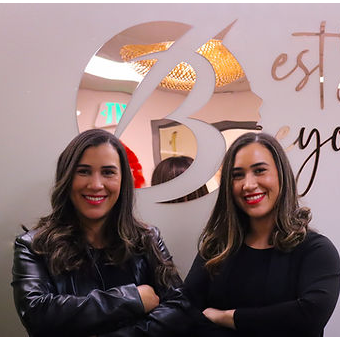
At Best and Beyond Spa, Day and Davilla are dedicated professionals passionate about wellness and beauty. With expertise in spa day treatments, couples massages, and senior wellness, they provide high-quality, personalized care in a relaxing environment. Their mission is to help clients feel rejuvenated, refreshed, and truly cared for.
Related Posts
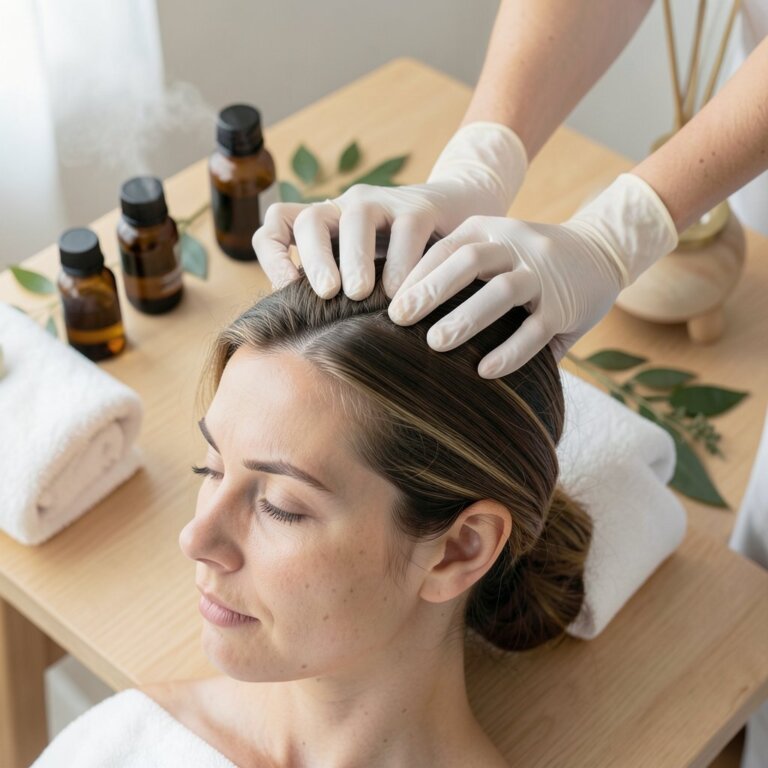
List: Quick Reference Positions for Safe Lymph Drainage in Early Postoperative Period
Comparative: Early Tissue Mobilization vs Delayed Initiation for Scar Mobility