Tutorial: Coordinating Tissue Mobilization, Drainage, and Taping for Scar Resilience
procedure-specific-abdominal-rehab is a practical framework for enhancing tissue mobility, gentle drainage, and taping strategies that support a smoother recovery after abdominal surgery.
In this guide, you’ll learn how coordinated approaches from massage therapy, lymphatic care, and supportive taping can help manage swelling, improve comfort, and promote resilient scar maturation in 2026.
We’ll share practical steps you can discuss with your clinician and spa team, along with routine tweaks you can apply at home between sessions.
Throughout, we emphasize safety, non-invasive approaches, and evidence-informed practices that align with Best & Beyond Spa’s holistic philosophy in Massachusetts.
This content reflects the expertise of our spa team, including Davilla, whose background blends therapeutic massage with physiotherapy and advanced aesthetics to support overall wellness during recovery.
What is procedure-specific-abdominal-rehab and why it matters for scar resilience
procedure-specific-abdominal-rehab integrates three pillars to support comfort, tissue mobility, and scar resilience: tissue mobility, drainage, and taping.
In April 2026, industry guidance emphasizes non-invasive, patient-centered approaches that complement medical guidance and physical therapy when appropriate.
Recent observations suggest that coordinated strategies may contribute to more comfortable recovery experiences and better tissue remodeling over time, particularly when started early and continued consistently in a spa or clinic setting.
What tissue mobilization means in a post-surgical context
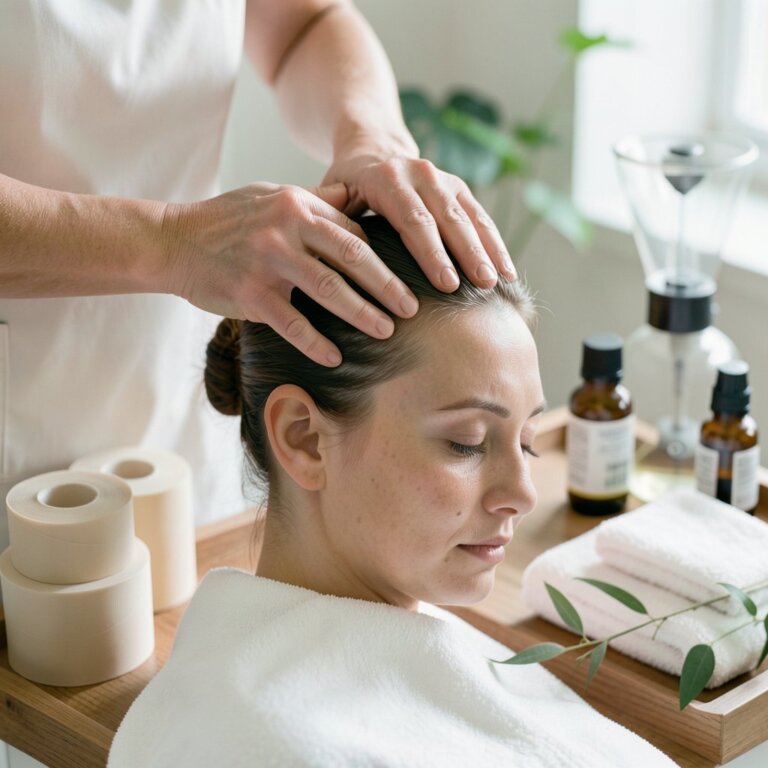
Tissue mobilization refers to careful hand-assisted techniques that gently encourage soft tissue mobilization and skin mobility around the abdominal area.
This supports scar tissue remodeling while minimizing pulling sensations as you move.
In practice, therapists apply light pressure and slide along the surface of the skin to reduce adhesions and improve tissue elasticity.
From a wellness perspective, mobilization is less about forcing movement and more about guiding tissues to glide over one another with ease.
This aligns with our spa philosophy of holistic healing that respects your body’s natural rhythm.
In 2026, clinicians emphasize that consistent, gentle mobilization can enhance comfort during daily activities and support sustained progress between sessions.
- Gently explore directions of movement to identify zones of stiffness or tenderness.
- Use slow, deliberate motions to encourage tissue glide without causing irritation.
- Pair mobilization with mindful breathing to reduce tension in the abdomen.
How procedure-specific-abdominal-rehab engages drainage and lymphatic care
Edema and fluid buildup can accompany abdominal recovery. Lymphatic drainage concepts focus on encouraging lymph flow through gentle, rhythmic motions that avoid compression or forceful pushing.
The goal is to support edema reduction and provide soothing relief, which may also translate to less discomfort during movement.
In 2026, experts highlight that non-invasive drainage strategies, when combined with massage and taping, can contribute to a calmer post-recovery experience.
When performed by trained professionals, these techniques are designed to be safe, non-invasive, and aligned with your overall wellness plan.
They also complement healthy hydration, nutrition, and sleep—factors that influence tissue recovery and scar resilience.
- Lightly stimulate lymphatic pathways from the lower abdomen toward the groin and chest to encourage drainage.
- Avoid deep pressure directly over healing incisions; focus on surrounding areas to support circulation.
- Coordinate drainage sessions with gentle breathing exercises to minimize bracing and improve comfort.
How tapping strategies contribute to scar resilience
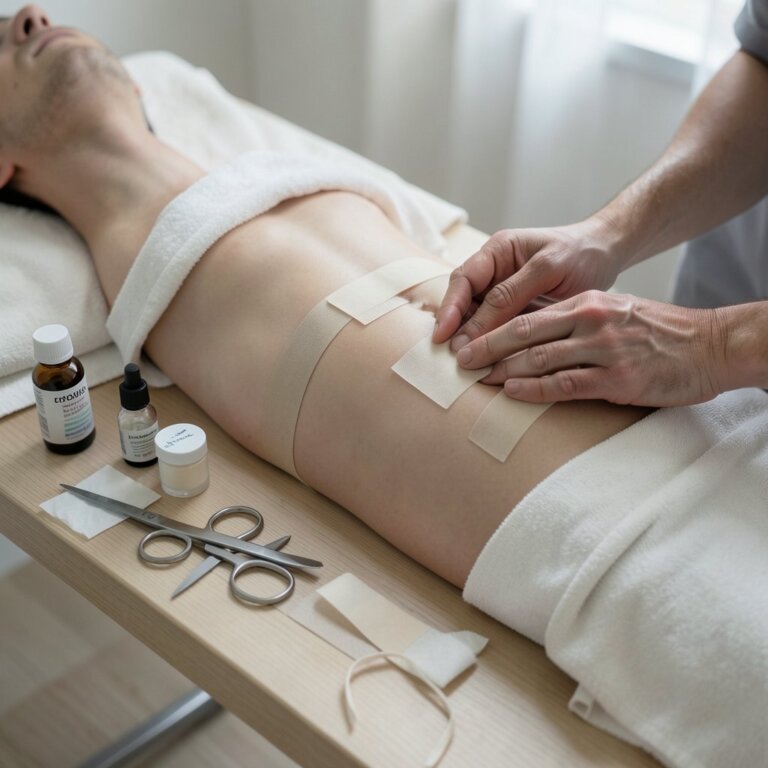
Taping, including silicone-based and elastic approaches, provides a tactile cue to the skin and underlying tissues.
In practice, taping supports a balanced approach to scar maturation by helping maintain moisture balance, guiding skin elasticity, and reducing unnecessary shear forces during movement.
In 2026, many clients report improved comfort and a sense of steadiness when taping is incorporated into a broader, non-invasive rehab plan.
Our spa team emphasizes that taping should be applied with attention to skin sensitivity, allergies, and comfort.
Proper technique and material selection matter to avoid irritation and to support ongoing, gentle progress.
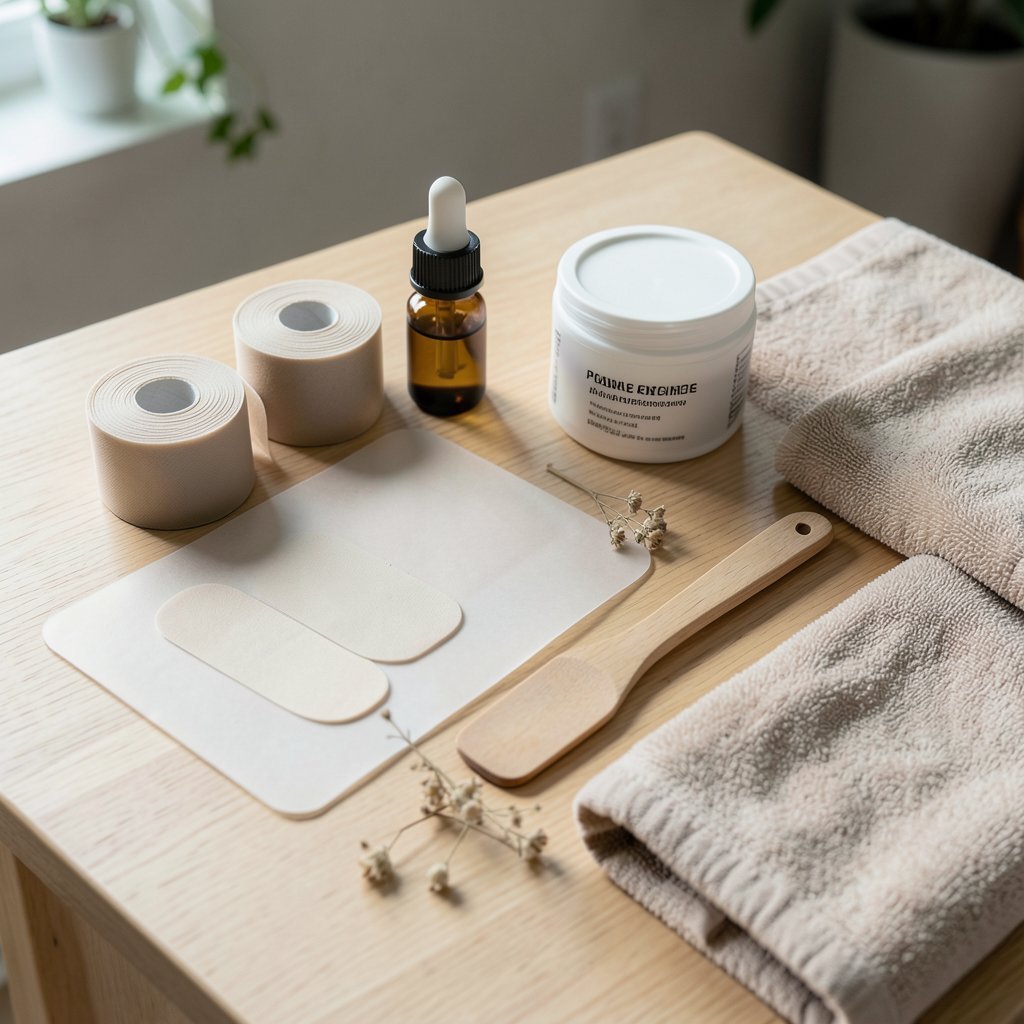
- Silicone tape can help protect moist wound areas while encouraging optimal scar hydration.
- Kinesio-style or elastic tapes may offer light support without restricting daily activities.
- Ensure clean, dry skin before application and remove tape if any irritation develops.
Preparing for your coordinated tissue care: questions to ask and setting expectations
Before embarking on a coordinated program, consider how to tailor the approach to your body, comfort level, and daily routine.
The aim is to create a sustainable, gentle plan that fits your life while respecting medical guidelines and personal pace.
In 2026, our clients at Best & Beyond Spa often benefit from a collaborative approach that blends professional care with at-home routines, empowering you to participate actively in your own healing journey.
Questions to ask your therapist or clinician
Opening a dialogue with your care team helps align expectations and safety.
Here are practical questions that can guide your conversation:.
- What role does tissue mobility play in my recovery, and how can it be safely integrated with daily activities?
- Which drainage techniques are appropriate for my situation, and how often should they be performed?
- What types of taping are best suited for my skin sensitivity and activity level?
- How should I coordinate spa sessions with any medical follow-up or physical therapy?
What to expect in a first session
The first session focuses on assessment, gentle education, and establishing a comfortable pace.
Therapists assess tissue texture, range of motion, and skin response to light touch.
Expect a calm, collaborative environment that prioritizes safety and comfort, with clear guidance on home care and progression.
Expectations will include a plan that prioritizes scar resilience, edema reduction, and overall comfort.
The plan is designed to be adaptable, so you can adjust intensity as you heal, always with your wellbeing at the center.
- Documented notes on tenderness zones and mobility directions for future sessions.
- Clear home-care routines including gentle self-massage and taping checks.
- Progress checkpoints that track comfort, swelling, and skin response over weeks.
Coordinating Tissue Mobilization for Scar Resilience
The core idea of this section is to coordinate gentle manual techniques with drainage support and smart taping.
In practice, a therapist guides soft tissue mobilization in patterns that respect the abdomen’s natural contours, while a therapist or self-care routine emphasizes consistent, low-stress movements.
As of 2026, many patients benefit from a combined approach that emphasizes gradual progression, daily consistency, and mindful activity.
Gentle palpation techniques for safer tissue mobilization
Gentle palpation helps identify tension and adhesions without overstressing healing tissue.
The clinician uses slow, deliberate movements to assess texture and glide, gradually adapting pressure based on feedback from your body.
This approach supports scar tissue remodeling and improves tissue elasticity over time.
As you continue, you’ll learn to recognize warning signs that indicate you should pause or modify techniques, such as sharp pain or increased swelling.
Our team emphasizes a collaborative approach, ensuring you feel in control of your care.
- Track tenderness on a simple scale (e.g., 0-10) before and after sessions.
- Document changes in movement ease and comfort across different activities.
- Combine palpation with diaphragmatic breathing to reduce muscular guarding.
Hands-on mobilization routines you can discuss with your spa team
Hands-on routines focus on guiding tissues to move freely, not forcing results.
Techniques may involve gentle sliding and light compression, always tailored to your comfort threshold.
This kind of soft tissue mobilization supports ongoing scar maturation and helps you regain confidence in daily activities.
In addition, the routines integrate with your daily life—short, practical sessions that you can do at home or in-between spa visits.
This is where tissue elasticity and comfortable movement become part of your everyday experience.
- Short sessions (5-15 minutes) focusing on the midline and sides of the abdomen.
- Breath-guided techniques to reduce tension and improve tissue glide.
- Progressive exposure to light shifts in position to enhance movement tolerance.
Self-care guidelines to complement professional care
Home care is a critical partner to professional sessions.
Gentle self-massage, mindful movement, and well-timed taping can extend the benefits of in-clinic work, especially when aligned with your recovery pace.
The aim is to support scar resilience while staying within your comfort zone.
- Apply light, circular motions around the incision area, never over it, to support tissue glide.
- Keep the skin clean, dry, and free from irritants before applying any tape.
- Monitor for redness, itching, or persistent discomfort and adjust routines accordingly.
Drainage Techniques and Edema Management
Edema management is a key piece of procedure-specific rehab.
Gentle drainage techniques help move fluids away from healing areas, reducing swelling and promoting a calmer sense of tissue.
In 2026, many clients have found that combining drainage with mobility work and taping creates a more cohesive recovery rhythm.
Lymphatic drainage principles for safe practice
Dermal lymphatic care concentrates on light, rhythmic strokes that encourage fluid movement without compressive force.
This approach supports a balanced edema reduction and helps reduce postural tension around the abdomen.
The focus is not on aggressive technique but on creating a steady, wave-like flow that respects your body’s healing timeline.
This approach aligns with the spa’s commitment to non-invasive wellness and gentle, evidence-informed care.
- Use light pressure directed toward lymph nodes in the chest and groin area.
- Avoid deep pressure or palpation directly over sensitive incision sites.
- Coordinate drainage activities with hydration and gentle breathing practices.
Safe self-massage for drainage between sessions
Between sessions, you can perform light self-massage to support drainage.
The goal is to promote comfort and enhance tissue fluid balance without provoking irritation.
With proper guidance, you can maintain a steady routine that fits your life.
Remember: your body responds best to consistency, not intensity.
The routines should feel reassuring and calm rather than forcing a fast pace.
- Light, upward strokes toward the chest to stimulate lymphatic flow.
- Keep nails short and use clean hands to minimize skin irritation.
- Limit self-massage to areas surrounding, not directly on, healing incisions.
When to pause drainage work and seek guidance
There are times when drainage techniques should be paused or adjusted, such as when you experience sudden swelling, persistent redness, fever, or increasing pain.
In these cases, contact your clinician or primary care provider for advice.
Our emphasis is on safety and a conservative progression that respects your unique recovery.
- Sudden, worsening swelling or redness near the incision
- Fever or systemic signs of infection
- New or intensified pain that does not subside with rest
Taping Strategies for Scar Support
Taping is a practical, non-invasive option that can support scar resilience when used properly.
silicone-based tapes can help protect moist tissue, while elastic tapes may offer gentle support during daily activities.
As with all techniques in procedure-specific-abdominal-rehab, the goal is to enhance comfort and tissue balance without creating dependency on any single method.
In 2026, our clients report that well-chosen taping, combined with mobility and drainage strategies, contributes to a more coherent recovery rhythm.
Silicone tape vs. elastic tape: choosing what fits your skin and activity
Silicone tape is often favored for moisture retention and gentle scar hydration, which can support maturation.
Elastic tapes can provide light support for daily tasks while allowing unrestricted movement.
The best choice depends on skin sensitivity, activity level, and personal comfort.
- Silicone tape for scar areas with higher moisture needs
- Elastic tape for light support during movement and daily tasks
- Always follow guidance from a trained professional for application and removal
Applying tape safely: key steps and common mistakes
Safe taping practices emphasize clean skin, appropriate tension, and clear removal instructions.
Using proper technique helps prevent irritation and ensures the benefits of support without discomfort.
Common mistakes to avoid include excessive tension, applying tape over irritated skin, or leaving tape on for too long without checks.
Regularly inspect the skin for signs of irritation and adjust as needed.
- Prepare skin with a gentle cleanse and ensure it is dry before application
- Aim for light-to-medium tension that does not pull on the edges of the tape
- Remove tape gradually and reassess skin response before reapplying
Common mistakes and how to prevent them
Even with the best intentions, people can overdo taping or use incompatible materials.
It’s essential to start with small applications, monitor skin reaction, and adjust the approach in collaboration with your spa team.
The aim is consistent, comfortable support, not aggressive reinforcement.
- Over-tensioning the tape, which can cause skin blanching or discomfort
- Using tapes on irritated or broken skin
- Leaving adhesive on too long, leading to skin sensitivity
Building a Practical Weekly Plan: Integrating all Elements
A well-structured weekly plan blends tissue mobilization, drainage work, and taping into a sustainable routine.
The plan prioritizes steady progression, comfort, and real-life practicality.
In 2026, many clients find it helpful to map sessions across in-clinic visits and home practice, ensuring that progress remains consistent without overwhelming the body.
Sample weekly framework for coordinated care
Below is a practical framework you can adapt with your therapist.
It emphasizes consistency, safety, and gradual progression:.
- Two in-clinic sessions focused on tissue mobilization and gentle drainage, each 30-40 minutes, with a plan for at-home care between visits.
- Three short home-care sessions (5-15 minutes) focusing on gentle self-massage, diaphragmatic breathing, and light taping checks.
- One rest day to allow tissues to respond and recover, with emphasis on hydration and sleep quality.
- Weekly review with your clinician to adjust intensity based on comfort and progress.
In practice, this approach helps you maintain a stable routine that respects your body’s healing timeline.
The emphasis on scar resilience, edema reduction, and skin elasticity supports a well-rounded recovery experience.
- Identify a comfortable daily window for short self-care sessions.
- Keep a simple log of comfort levels and mobility progress.
- Ask for adjustments if you notice persistent discomfort or new sensitivities.
Safety, Boundaries, and When to Seek Medical Guidance
Safety is the cornerstone of any coordinated rehab plan.
Our approach at Best & Beyond Spa centers on non-invasive techniques that complement medical guidance when appropriate.
In 2026, industry voices emphasize the importance of clear boundaries between spa-based wellness practices and medical treatment.
If you have concerns about healing, infection signs, or unusual changes in skin appearance, consult your healthcare provider promptly.
Warning signs to pause treatment
Listen to your body.
Stop any technique that causes sharp pain, escalating swelling, fever, severe redness, or increasing warmth around the treated area.
These signs may indicate a need for professional medical assessment.
Who to contact for guidance
For concerns related to your recovery, reach out to your primary care provider, surgeon, or a licensed clinician with experience in non-invasive rehab approaches.
Your spa team can coordinate with your healthcare professionals to ensure alignment and safety.
- Reach out to your clinician if pain persists beyond expected levels
- Coordinate any changes in your routine with your medical team
- Share your home-care logs to help guide adjustments
Case studies and Experience Highlights from Best & Beyond Spa
In practice, we’ve seen how a thoughtfully coordinated program can enhance comfort and confidence in movement after abdominal procedures.
Our founder, Davilla, champions a holistic approach that blends therapeutic massage, physiotherapy insights, and aesthetic expertise to support wellness during recovery.
While every recovery is unique, many clients report that an integrated plan—tissue mobilization, drainage, and taping—helps them feel steadier, breathe easier, and move with less hesitation.
Client stories and practical takeaways
One client described a gradual shift from stiffness to smoother movement along the abdominal wall after six weeks of guided tissue mobilization paired with light drainage routines and silicone taping.
Another found relief from localized swelling when taping was added to a weekly mobility session, reinforcing the idea that a multimodal plan can be more effective than any single approach.
These experiences illustrate how scar resilience and tissue balance improve when care is consistent and personalized.
Key takeaways to bring to your own plan include regular monitoring of comfort, keeping sessions gentle and predictable, and maintaining open communication with your spa team.
The goal is sustainable progress that respects your healing pace and lifestyle.
- Build routine into daily life with simple, short practices that feel doable.
- Maintain clear notes of symptoms and responses to different techniques.
- Collaborate with your care team to adapt the plan as healing evolves.
Practical tips to maximize success with procedure-specific-abdominal-rehab
To help you implement the concepts discussed, here are concise tips grounded in professional practice and current best thinking in 2026.
Remember, the aim is steady, safe progress that supports overall wellness and comfort, not rapid change.
Tip set #1: Build comfort through controlled movement
Integrate small, controlled movements into your day.
Gentle breathing paired with light abdominal tracing can help tissues glide more easily.
This aligns with our approach to soft tissue mobilization and scar maturation without overstressing healing tissue.
- Practice 5 minutes of diaphragmatic breathing twice daily.
- Do 2-3 small movement cycles after meals to promote circulation.
- Use light touch on surrounding areas to explore comfort zones safely.
Tip set #2: Optimize drainage routines with timing
Schedule drainage-related care to support your body’s natural rhythms, avoiding exercise or activities that could raise strain immediately after a session.
Consistency is more important than intensity.
This approach aligns with our emphasis on edema reduction and a calm recovery pace.
- Plan drainage-focused sessions on days with lighter activity.
- Hydrate adequately to support lymphatic flow and tissue hydration.
- Monitor skin response and adjust taping as needed for comfort.
Tip set #3: Choose taping thoughtfully and monitor skin
When selecting tapes, consider skin sensitivity, moisture levels, and daily activity.
Start with a conservative application and gradually increase if comfortable.
This aligns with our emphasis on practical, non-invasive care that supports skin elasticity and scar resilience.
- Test a small area first to gauge reaction to tape material.
- Remove and reapply with fresh skin if irritation occurs.
- Combine taping with gentle at-home routines for best results.
Final thoughts and next steps
Integrating tissue mobilization, drainage, and taping into a cohesive routine can provide a supportive framework for scar resilience and overall comfort after abdominal procedures.
By combining professional sessions at Best & Beyond Spa with thoughtful at-home care, you can create a sustainable path toward improved tissue balance and confidence in everyday movement.
Our team in Massachusetts is here to guide you with expertise, care, and a compassionate approach that respects your recovery pace.
If you’d like to explore how these non-invasive strategies can fit your unique needs, reach out to our dedicated team to begin a personalized plan that honors your body’s natural healing process.
To explore the coordinated approach described here and see how it fits into your recovery plan, contact Best & Beyond Spa in Woburn, MA.
We’ll listen to your goals, answer your questions, and tailor a plan that blends comfort with practical progress—rooted in the latest insights for 2026 and grounded in genuine care.
Frequently Asked Questions
What is procedure-specific abdominal rehab and why is it important for scar resilience?
Procedure-specific abdominal rehab is a framework that combines tissue mobility, drainage, and taping to support a smoother recovery after abdominal surgery. It aims to improve how the tissue moves and how the scar matures, promoting resilience over time. Starting early and following clinician guidance can enhance comfort and long-term outcomes.
How does tissue mobilization help after abdominal surgery?
Tissue mobilization uses light, hand-assisted techniques to gently improve skin mobility and soft tissue glide around the incision. This supports scar remodeling and reduces pulling sensations during movement. It should be performed within safe limits and with professional clearance.
What role does drainage play in this rehab approach?
Drainage, including gentle lymphatic care, helps manage swelling around the abdominal area. It promotes a more comfortable recovery and supports proper tissue fluid balance. Techniques are designed to be non-invasive and guided by trained clinicians.
How does taping contribute to scar resilience?
Supportive taping reduces tension on healing tissues and guides scar maturation. It can be used between sessions as part of a home protocol. Proper placement and regular skin checks help prevent irritation.
Can I perform these techniques at home safely?
Yes, with clinician-approved home adjustments between sessions. Follow exact instructions, avoid aggressive pressure, and monitor skin reactions. If you notice increased pain, redness, or swelling, stop and consult your clinician.
When should I start procedure-specific abdominal rehab after surgery?
Begin as soon as your surgeon or clinician approves, focusing on gentle tissue mobility and drainage first. Early initiation and consistency support better tissue remodeling and scar resilience. Adjust intensity based on comfort and medical guidance.
How does this approach integrate with massage therapy and physiotherapy?
The framework blends massage therapy, lymphatic care, and taping to support recovery. It complements medical guidance and can be tailored in spa or clinic settings. Collaboration among providers helps ensure safe, evidence-informed practice.
What safety considerations should I know before starting?
Prioritize non-invasive, safety-first techniques and stop if there are signs of infection or wound issues. Use trained professionals for drainage, mobilization, and taping. Always align with your medical team’s guidance for best scar resilience outcomes.

At Best and Beyond Spa, Day and Davilla are dedicated professionals passionate about wellness and beauty. With expertise in spa day treatments, couples massages, and senior wellness, they provide high-quality, personalized care in a relaxing environment. Their mission is to help clients feel rejuvenated, refreshed, and truly cared for.