procedure-specific-abdominal-rehab is a structured approach to guide recovery after abdominal procedures, focusing on safe, progressive steps that protect comfort and mobility right from the initial days after treatment.
At Best & Beyond Spa, our integration of clinical insight with spa-level care creates a holistic path that respects the body’s rhythms.
Led by Davilla, a licensed massage therapist who earned a degree in Physiotherapy in 2016 and completed postgraduate studies in Advanced Aesthetics, our team blends practical rehab with soothing therapies to support your journey.
This guide is designed for readers who have recently undergone abdominal-related procedures or are planning one, with an emphasis on immediate steps that help reduce stiffness, support movement, and promote a healthy recovery trajectory.
Understanding procedure-specific-abdominal-rehab: What It Covers and Why It Matters
The core idea of procedure-specific-abdominal-rehab is to tailor early recovery actions to the exact type of abdominal procedure and the body’s response.
This means recognizing how different procedures influence tension, core activation, and mobility, and then adjusting movements and therapies accordingly.
In our Massachusetts wellness practice, we emphasize gentle mobility, breathing techniques, and posture awareness as the foundation for safe progress.
By focusing on these elements, we help clients regain confidence in daily activities while minimizing stiffness and discomfort.
What qualifies as an abdominal procedure context
When we discuss abdominal procedures in the context of rehab, we refer to any intervention that impacts the midsection region and the surrounding musculature.
The goal is to support early mobility, maintain core stability, and promote a calm recovery environment.
It’s important to distinguish the physical effects that different interventions may have on tissue tolerance and movement patterns, so we can tailor activity pacing and rest cycles accordingly.
In practice, this means our team assesses how the body responds to initial movements and breathing exercises, then gradually introduces light, guided activities that align with your unique rhythm.
This approach aligns with our spa philosophy: care that is personalized, non-invasive, and focused on comfort.
The result is a plan that stays within your body’s limits while supporting a steady return to everyday activities.
From a broader perspective, industry experts in 2026 emphasize the value of structured, non-invasive aftercare programs.
Recent industry insights highlight that guided, individualized plans can improve satisfaction and confidence during the early recovery phase.
While every experience is unique, the consistent message from wellness professionals is clear: thoughtful, hands-on support enhances how people feel as they move forward.
Who benefits most from early, procedure-specific actions
Most individuals who want to return to normal daily routines with gradual progression and movement confidence benefit from this approach.
The plan is especially meaningful for people who prefer a holistic experience—combining relaxation, gentle movement, and practical steps—so recovery feels manageable rather than overwhelming.
In our Massachusetts practice, clients often report a greater sense of control when they participate in shaping their own rehab journey with a trusted, compassionate team.
Key Principles for Immediate Steps by Procedure Type
Immediate steps should be practical, safe, and adaptable.
The following principles guide how we build a plan that aligns with individual needs, body response, and time constraints.
At Best & Beyond Spa, we translate these principles into a sequence of actions that combine bodywork, movement, and environmental support to help you feel steadier each day.
Principle 1: Gentle Mobility as a Foundation
Gentle, controlled movements help maintain comfort while protecting sensitive tissues.
We emphasize soft tissue techniques, light range-of-motion tasks, and careful sequencing to prevent abrupt spikes in tension.
The aim is to keep the abdomen and surrounding muscles supple without provoking stiffness or overload.
In our sessions, you’ll notice a progression from very light acts of movement to slightly more dynamic, guided activities.
This progressive loading mirrors how we structure routines in a spa environment—starting with comfort, then building confidence.
The emphasis on tissue-safety and body awareness helps you stay in control while your system adapts.
Principle 2: Breathwork as a Bridge to Mobility
Structured breathing drills support posture, reduce unnecessary tension, and improve core function.
We incorporate diaphragmatic breathing, gentle exhale-focused patterns, and coordinated breath-macros to synchronize with light movements.
Breathwork serves as a bridge between rest and activity, helping you feel more connected to your midsection and more confident in daily tasks.
Breath-led approaches are especially valuable in the immediate days after an abdominal procedure, when conscious relaxation may reduce overall muscle guarding.
By practicing these techniques in our tranquil setting, you’ll develop a resource you can carry into home routines, daily errands, and short walks—a practical advantage recognizable in studies and field reports for 2026.
Principle 3: Posture and Core Activation Delivered Gently
Proper alignment protects comfort and supports gradual core engagement.
We guide you through safe posture cues, mindful activations, and low-load core tasks that do not overwhelm the healing tissues.
The objective is not to push intensity but to restore reliable patterns of movement that you can sustain over time.
In the clinic and spa setting alike, we see people benefit from a steady rhythm of cues, feedback, and reassurance.
This compassionate approach helps you build confidence in movement while keeping the experience calm and enjoyable.
Step-by-Step: A Practical 9-Point Checklist
Below is a structured, easy-to-follow checklist you can reference daily.
Each item is designed to be practical and actionable, with guidance that respects your specific timing and comfort level.
Use this as a baseline, then tailor according to your own responses and the advice of your care team.
- Consult a trusted guide to tailor the plan to your procedure context and daily rhythm.
- Begin with gentle breathing exercises in a comfortable position, focusing on diaphragmatic engagement.
- Introduce light mobility in safe ranges—tiny, controlled movements that feel calm and doable.
- Check posture often, aligning hips, ribs, and shoulders to reduce tension in the midsection.
- Incorporate light core activations with low resistance and short durations to boost stability.
- Schedule rest and recovery periods to prevent overexertion and maintain tissue comfort.
- Hydration and nutrition support to optimize energy and tissue response during early rehab.
- Environment matters—prioritize a quiet, comfortable space with soft lighting and minimal distractions.
- Track progress with simple notes on ease, breath, and movement quality to guide adjustments.
Each step has practical value, and you can perform it in short sessions, either at home, in a spa treatment room, or a calm recovery space.
The goal is consistent, mindful practice that supports ongoing comfort and mobility while avoiding any sense of overwhelm.
In our Massachusetts practice, we combine these steps with gentle touch therapies and relaxation modalities to enhance your sense of well-being throughout the process.
Role of Spa Treatments and Environment in Rehabilitation
Spa-based care can be a meaningful complement to at-home routines, provided it stays aligned with your timing and comfort.
At Best & Beyond Spa, we emphasize non-invasive methods that nurture relaxation, flexibility, and overall sense of calm.
Our therapies are designed to support recovery-oriented relaxation, movement-friendly touch, and holistic well-being, which many clients find beneficial during the early days after abdominal-related procedures.
Safe modalities that support comfort
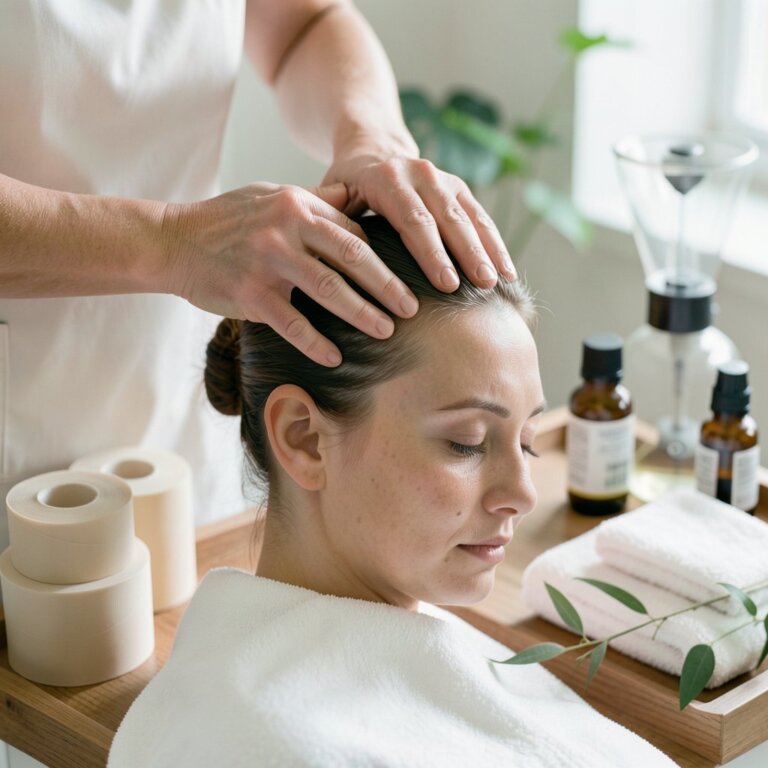
Gentle massage techniques, carefully chosen bodywork, and soothing manual care can help reduce muscle guarding and improve circulation without overstressing healing tissues.
We focus on hand-guided release, light effleurage, and comfortable, controlled contact.
These approaches create a soothing backdrop that encourages you to stay engaged with your rehab plan while feeling supported.
Beyond touch, the spa environment itself matters.
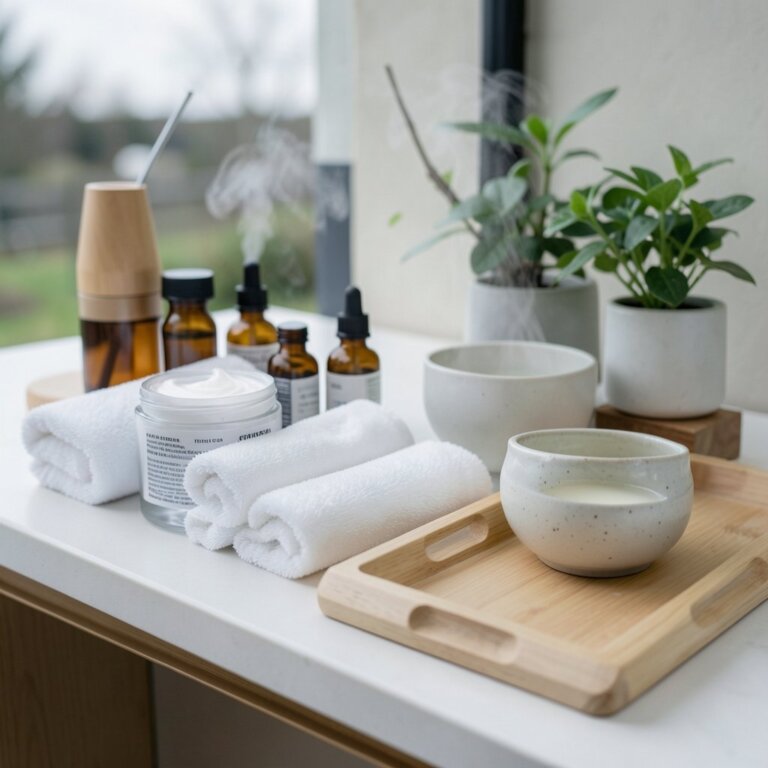
A quiet, clean, and nurturing space with calm ambience and predictable routines helps you maintain emotional balance and fosters adherence to your early steps.
This alignment between physical care and environment is a hallmark of our approach in Massachusetts, where clients repeatedly report a sense of safety and confidence as they begin their recovery journey.
How the environment supports practical rehab actions
Properly staged spaces reinforce the daily routines you’re building.
Simple adjustments—soft lighting, comfortable seating, and a predictable schedule—reduce cognitive load and make it easier to perform your exercises with accuracy.
At our spa, we pair these environmental considerations with a light, restorative touch approach to ensure that each session feels welcoming and purposeful.
Customization: How We Tailor Plan by Procedure Type
Every abdominal procedure is unique in its impact on the body’s movement patterns and tissue tolerance.
Our customized plans begin with a thoughtful intake that helps us map your timeline, comfort levels, and goals.
We then translate these insights into a practical sequence that balances gentle movement, breath control, and relaxation strategies.
The intake process and initial assessment
During the intake, we gather information about your daily activities, pain levels, sleep quality, and overall energy.
This helps us identify priorities and tailor progressive tasks that fit your schedule.
The result is a plan that feels doable, with clear checkpoints and ongoing adjustments as you respond to each step.
Our team emphasizes the value of collaboration.
You’ll be invited to describe which movements feel best, where you experience tension, and what relaxation cues help most.
This collaborative approach aligns with our philosophy of care—knowledgeable, compassionate, and deeply human.
Examples by procedure type
Because every procedure has a distinct influence on the body, we categorize rehab steps carefully.
For example, patients who have undergone abdominal-related interventions that affect muscle tension may benefit from a staged approach to core activation, while those with more focal concerns might focus more on breathwork and gentle mobility in the early days.
In all cases, we prioritize patient-led pacing, safe progression, and clear safety cues to support steady gains.
Throughout the process, our team uses a holistic lens, weaving together massage therapy, mindful movement, and relaxation practices to help you regain a sense of control and comfort.
The outcome is a rehab journey that respects your goals while honoring your body’s limits.
Common Pitfalls and How to Avoid Them
Even with a thoughtful plan, certain missteps can stall progress.
Below are common pitfalls to avoid, along with practical strategies to keep your recovery on track.
By recognizing these patterns early, you can adjust quickly and stay aligned with your goals.
Pitfall 1: Overexertion early on
Spiraling into too much activity can intensify tension and slow progress.
To prevent this, schedule short, focused sessions daily, and allow ample rest between activities.
Track how your body responds to each movement, and pause if you notice sharp or lingering discomfort.
This approach supports a calm, steady improvement and minimizes setbacks.
- Limit sessions to brief windows with ample rest in between.
- Use a simple pain-notice scale to guide when to intensify or pause.
- Communicate openly with your care team about comfort changes.
Pitfall 2: Too-early intensification of core work
Starting with high-demand core tasks too soon can disrupt tissue tolerance.
Instead, emphasize very light activations and precise form, ensuring you feel secure with each repetition.
The focus should be on consistency, not volume, to protect the healing process.
- Opt for short holds and slow, controlled releases.
- Progress only when there is no increase in tension after practice.
- Prioritize breathing and posture before activating deeper muscle groups.
Pitfall 3: Ignoring rest and recovery windows
Underestimating the importance of rest can limit gains.
Build a schedule that includes dedicated recovery periods, quiet evenings, and restorative practices like gentle massage or guided relaxation.
This helps the nervous system settle and supports better movement when you return to activities.
- Plan recovery blocks after every movement session.
- Use a calm environment to reinforce rest-friendly cues.
- Consider light, non-invasive modalities to support relaxation between sessions.
Next Steps: Building a Safe Recovery Plan at Best & Beyond Spa
Ready to pursue a thoughtful, personalized recovery plan that blends clinical insight with spa-level care? At Best & Beyond Spa in Massachusetts, we tailor support to your procedure type and daily rhythm.
Our approach emphasizes comfort, trust, and steady progress, helping you feel confident as you move forward.
We invite you to schedule a gentle assessment to explore how procedure-specific-abdominal-rehab principles can fit into your daily routine, with a plan designed to respect your body and your goals.
If you’re curious about how our team can assist, consider the following practical steps: bring a brief summary of your timeline and any guidance you’ve received, arrive with comfortable clothing, and prepare a short list of activities you wish to regain.
We’ll listen, share observations, and craft a plan that blends movement quality, breath control, and relaxation techniques into a cohesive path forward.
Our mission remains clear: to provide a peaceful and professional environment where you can recharge, heal, and restore natural balance.
By combining advanced training with a nurturing approach, we aim to support you through each stage of your recovery journey with care and expertise.
If you’re nearby in Massachusetts or planning a visit, we’re here to help you feel your best as you progress toward your goals.
To learn more about how we integrate therapeutic touch, mindful movement, and a supportive spa setting into early rehab, you can explore additional resources through credible wellness platforms and research notes updated for 2026.
These insights align with our practical, human-centered philosophy that places your comfort and progress at the forefront of every session.
When you’re ready, the next step is informal—book a friendly consultation, ask questions, and share your preferences.
We’ll walk you through a plan that feels natural and empowering, helping you transition from cautious beginnings to confident daily activities with sustained ease.
For ongoing reassurance, we emphasize a few anchor practices you can adopt right away: gentle breathing before any movement, soft tissue preparation before core activations, and mindful pacing to sustain a calm recovery.
With consistent effort and compassionate support, procedure-specific-abdominal-rehab can translate into tangible improvements in how you feel month to month, without rushing the process.
Final thoughts: Your recovery, your pace, your wellbeing
Recovery is a personal journey that benefits from thoughtful guidance, practical tools, and a compassionate environment.
At Best & Beyond Spa, we’re honored to partner with you to create a recovery experience that respects your body’s story and your goals.
The path you take—built around the exact type of abdominal procedure and your comfort level—can yield meaningful gains in mobility, confidence, and everyday peace of mind.
If you’d like to explore your options and experience our approach firsthand, consider scheduling a friendly, no-pressure consultation.
You’ll meet a team dedicated to safe, progressive progress and a spa experience that feels like a caring extension of your healing journey.
Welcome to a recovery path that’s as thoughtful as it is effective, designed with your wellbeing at the center.
Frequently Asked Questions
What does immediate fibrosis prevention mean after an abdominal procedure?
Immediate fibrosis prevention means taking early, targeted steps to minimize excessive scar tissue and adhesions as you recover. It combines controlled movement, proper wound care, hydration, and guidance from rehab professionals to support healthy tissue remodeling. These steps are tailored to your specific procedure to address how tissue heals differently.
How does fibrosis prevention vary by procedure type?
Different abdominal procedures influence tissue tension and scar formation in unique ways. As a result, prevention steps adjust pacing, movement, and manual therapies to match each procedure’s healing pattern. For example, strategies after liposuction differ from those after abdominoplasty or hernia repair.
When should I start movement to minimize fibrosis risk?
Start with doctor-approved, gentle movements as soon as you’re cleared, focusing on safe range of motion and breathing. We emphasize gradual loading, posture work, and light activity to prevent stiffness without stressing healing tissue. Timing is customized to your procedure and recovery progress.
What gentle exercises support early recovery without stressing tissue?
Gentle breathing techniques (diaphragmatic breathing), mindful posture, spine and rib cage mobility, and light walking help maintain circulation and mobility. These movements are scaled to your comfort and tissue tolerance and increase gradually over days and weeks.
Can massage or spa therapies help prevent fibrosis, and how are they integrated?
Yes, when performed by trained clinicians as part of a coordinated rehab plan. Spa-level therapies like soft tissue work and scar massage can support tissue mobility and relaxation, but they’re introduced only after initial healing and with medical clearance. The approach blends clinical rehab with soothing therapies to support safe progress.
What signs indicate potential fibrosis development or complications?
Watch for persistent or worsening pain, stiffness, reduced mobility, unusual swelling, redness, or fever near the incision. If you notice any of these, contact your healthcare provider promptly for guidance.
How can I adapt the prevention plan for different procedures?
Your plan is procedure-specific and adjusted for incision location, tissue layers affected, and recovery goals. We tailor pacing, breathing strategies, and manual therapies to fit each procedure, ensuring safer progression after surgery with abdominal focus.
What factors influence the effectiveness of fibrosis prevention strategies?
Factors include age, inflammation, nutrition, hydration, smoking status, and adherence to rehab and wound care protocols. Optimizing sleep, activity balance, and avoiding strain on healing tissue can enhance outcomes.

At Best and Beyond Spa, Day and Davilla are dedicated professionals passionate about wellness and beauty. With expertise in spa day treatments, couples massages, and senior wellness, they provide high-quality, personalized care in a relaxing environment. Their mission is to help clients feel rejuvenated, refreshed, and truly cared for.