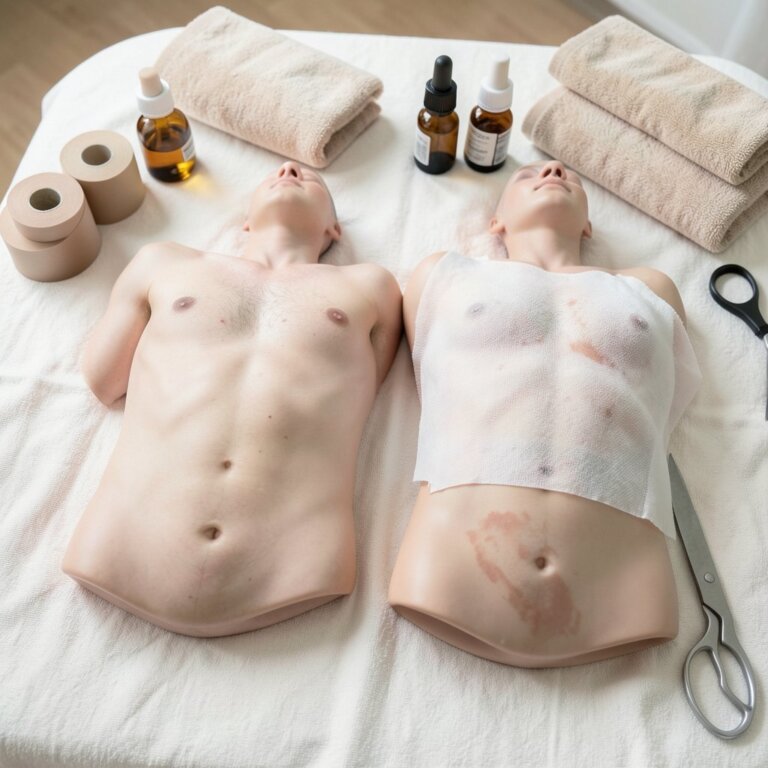

Tutorial: Integrating Kinesio Taping with Lymph Drainage to Support Scar Mobility is a practical guide for individuals preparing for or recovering from surgery, offering non-invasive strategies to improve how scar tissue moves and feels.
This guide blends evidence-informed insights with hands-on techniques, tailored to a mid-level reader seeking clear, actionable steps.
At Best & Beyond Spa in Massachusetts, our approach respects the body’s healing timeline and emphasizes gentle progress, patient safety, and holistic well-being. scar mobility, Kinesio Taping, and lymph drainage are central concepts here, explained through relatable examples from real-world applications.
By combining skilled massage-based assessment with lightweight taping and lymphatic care, you’ll gain practical strategies to support postoperative rehab without overwhelming your routine.
Tutorial: Integrating Kinesio Taping with Lymph Drainage to Support Scar Mobility
What you’ll learn in this section is the core framework of the tutorial: how to assess your scar, choose appropriate materials, and apply a safe sequence that prioritizes scar mobility and comfort.
The goal is to empower you with techniques that help your body adapt to new scar tissue, while minimizing stiffness and tension that can hinder movement after surgery.
We’ll cover safe preparation, what to expect during a session, and how to integrate these practices with other gentle therapies you may be receiving as part of postoperative rehab.
Tutorial: Integrating Kinesio Taping with Lymph Drainage to Support Scar Mobility — Practical Steps
In practice, the tutorial emphasizes a step-by-step approach you can discuss with your clinician or massage therapist.
The steps are designed to be adaptable to different abdominal incisions, areas around joints, and varying healing stages.
We’ll address when to pause, how to adjust tension, and how to monitor response over a healing week. Kinesio Taping is used to guide movement while lymph drainage promotes edema reduction and tissue glide, both of which can contribute to enhanced scar mobility.
- Step 1: Conduct a gentle scar assessment to identify areas of adhesion or stiffness that limit movement, noting tenderness or sensitivity.
- Step 2: Select a tape pattern that respects the incision location, avoiding direct contact on healing wounds or irritated skin.
- Step 3: Apply lightweight, directional corrections that encourage tissue glide without compressing the area excessively.
- Step 4: Pair with light lymph drainage techniques around nearby lymph nodes to support fluid dynamics and reduce edema.
After applying the techniques, observe how your body responds over 24–72 hours.
If you notice increasing pain, redness, or swelling that doesn’t improve, it’s important to pause and consult your clinician. Scar mobility is a gradual outcome, and consistency paired with professional guidance often yields the most reliable results.
Understanding Scar Mobility in Postoperative Rehab
Scar mobility is not just about aesthetics—it influences how you move, breathe, and engage in daily activities.
In the context of immediate or early rehab, maintaining tissue mobility supports organ function and reduces the risk of restrictive scar formation.
Recent trends in 2026 emphasize conservative, non-invasive approaches that prioritize tissue tolerance and proprioceptive awareness.
At Best & Beyond Spa, we observe that integrating tactile assessment with light modalities helps patients regain comfortable motion and confidence during recovery. Fibrosis prevention and a proactive rehab mindset are increasingly recognized as critical in preventing long-term restrictions in abdominal and thoracic surgeries.
What post-surgical scar movement tells you about healing
Scar mobility emerges from the balance between collagen remodeling and the surrounding soft tissues.
When movement is constrained, scar tissue can become fibrotic and less compliant.
Conversely, respectful mobilization supports tissue glide and may reduce hypersensitivity.
In our practice, we see that gentle cues from Kinesio Taping, combined with lymphatic care, often help patients feel freer in their everyday actions.
This aligns with contemporary rehabilitation principles that prioritize safe exposure to movement and gradual loading as healing progresses. edema management and proprioception are part of a holistic approach to improving scar mobility over time.
Credible guidance for home practice
For home practice, use a light touch and avoid stretching the skin aggressively.
A consistent routine—twice daily, with short sessions—tends to be more beneficial than sporadic longer efforts.
Our team emphasizes clear communication about sensations, so you can distinguish normal mild pulling from undue strain.
Integrating lymph drainage–oriented moves with taping helps the body’s natural drainage pathways, supporting scar mobility through gradual, controlled exposure.
In line with 2026 guidelines, combining these approaches with a well-rounded rehab plan can contribute to more comfortable movement as you recover.
What to Know About the Mechanisms: How Kinesio Taping and Lymph Drainage Work Together
Understanding the mechanisms behind this pairing helps you apply techniques with greater confidence.
Kinesio Taping provides a gentle sensory cueing pattern that can assist in guiding motion and minimizing abnormal scar forces.
Lymph drainage, when performed carefully around the incision region, supports fluid balance and reduces edema, which in turn can improve tissue glide and soft tissue mobility.
The combination can create a more favorable environment for scar maturation and function.
In Massachusetts clinics and spas, practitioners emphasize a cautious, patient-led approach that respects each person’s healing pace.
Key mechanisms to consider
Several mechanisms underlie the synergy between these techniques.
First, improved tissue glide reduces friction along the scar line, which may support scar mobility.
Second, lymphatic flow enhancement can diminish swelling, contributing to greater range of motion and comfort.
Third, the tactile cues from Kinesio Taping may help patients engage muscles more mindfully, aiding proprioceptive awareness during recovery.
While this is not a substitute for medical care, it can complement a broader rehabilitation plan designed around your surgeon’s guidance.
- Mechanism 1: Enhanced tissue glide reduces local adhesions that impede movement.
- Mechanism 2: Improved lymphatic flow minimizes edema and tissue pressure around the scar.
- Mechanism 3: Sensory input from taping supports neuromuscular control during healing.
As with any post-surgical protocol, it’s essential to monitor responses to these techniques and adjust practice based on individual healing trajectories.
The latest guidance in 2026 underscores that individualized care plans—tailored to incision type, location, and patient comfort—yield the best outcomes for scar mobility and overall well-being.
Fibrosis Prevention in Immediate Abdominal Rehab
This cluster topic focuses on preventing aggressive scar tissue formation in the critical early rehab window, especially after abdominal surgery.
In our practice, the aim is to maintain a balance between movement and rest, allowing tissue remodeling to occur without excessive stress.
We integrate Kinesio Taping and lymph drainage concepts with a broader rehab plan that includes diaphragmatic breathing, gentle core activation, and mindful stretching.
According to industry experts in 2026, addressing fibrosis risk early can influence long-term mobility and comfort. scar mobility benefits often emerge when patients adopt a consistent, surgeon-guided rehab routine.
Why the early rehab window matters
The first weeks after surgery are a critical period where collagen fibers organize and align.
Gentle, controlled loading can encourage favorable scar tissue patterns, while avoiding aggressive forces that may cause disproportionate tightening.
Our team emphasizes tissue tolerance and patient education—empowering you to recognize signals that indicate you should slow down.
In practice, pairing these principles with lymph drainage–style care helps maintain a balanced environment for healing tissues.
Practical considerations for abdominal rehab
When applying the fibrosis-prevention approach, keep these considerations in mind: adapt techniques to incisional location, respect skin integrity, and coordinate with your medical team.
In our Massachusetts setting, we often tailor sessions to fit postoperative schedules, ensuring patients feel supported rather than overwhelmed.
We also emphasize gradual progress, with clear scar mobility milestones that guide when to advance or modify the plan.
- Practical consideration 1: Start with minimal contact and monitor skin response.
- Practical consideration 2: Use light, directional taping patterns that support glide without pulling tissues excessively.
- Practical consideration 3: Integrate gentle lymph-focused techniques to reduce edema and improve contouring around the scar.
These strategies align with current trends in 2026 that prioritize non-invasive methods to support scar formation and movement during immediate rehab, reinforcing a holistic approach to recovery beyond isolated modalities.
Tutorial: Integrating Kinesio Taping with Lymph Drainage to Support Scar Mobility in Practice
In this practical segment, we translate theory into an actionable protocol you can discuss with your clinician.
The focus remains on safety, comfort, and gradual progression, ensuring your post-surgical journey supports both mobility and confidence.
By incorporating Kinesio Taping and lymph drainage in a structured plan, you can address scar mobility with a balanced, patient-centered approach that reflects 2026 best practices.
The tutorial emphasizes collaboration—between you, your therapist, and your medical team—to tailor steps that suit your recovery timeline and personal goals.
Core steps you can discuss with your care team
Begin with an assessment that identifies areas of restricted movement and skin sensitivity.
Then, choose a tape pattern that respects the scar’s location and your current healing stage.
Apply the tape with gentle tension, focusing on promoting glide rather than restriction.
Complement the taping with light lymph drainage techniques around nearby lymph nodes to support drainage and reduce edema.
Finally, track your response and adjust as healing progresses.
This practical approach mirrors the philosophy of modern postoperative rehab, which values scar mobility, tissue tolerance, and patient empowerment.
- Practical step 1: Document sensations before and after each session to monitor progress.
- Practical step 2: Schedule sessions that align with surgeon-recommended healing milestones.
- Practical step 3: Communicate changes in skin, pain, or mobility promptly to your care team.
Remember, every recovery path is unique.
The goal is steady improvement, not perfection.
If you experience any alarming symptoms or changes, seek professional guidance promptly.
The approach outlined in this tutorial remains a flexible framework designed to support scar mobility and comfort as you move through postoperative rehab.
Common Questions: Safety, Scope, and Real-World Use
What are the safety considerations when combining Kinesio Taping with Lymph Drainage in a post-surgical context? How does this fit within a broader rehab plan? How do you know when to adjust or pause a technique? In our Massachusetts practice, we emphasize conversations with your surgeon and therapist, ensuring all activities align with your individual recovery plan.
The answers below reflect practical realities for people navigating surgical recovery in 2026.
Safety considerations
Always begin with a skin check to confirm there are no open wounds, rashes, or excessive sensitivity at the scar site.
Use hypoallergenic tape and apply only light tension.
If you notice increased redness, swelling beyond typical post-surgical healing, or unusual pain, pause and consult your clinician.
This cautious approach is consistent with modern, patient-centered rehab protocols that prioritize safety and comfort.
Who should consider this approach
Patients who are in the early to mid phases of abdominal or soft-tissue recovery may find these techniques beneficial when used under professional guidance.
The framework is designed for those seeking non-invasive options to support scar mobility and tissue remodeling without adding risk.
Always ensure you have clearance from your surgeon and a licensed therapist before applying methods described in the tutorial.
When to seek professional guidance
If you notice persistent pain, heat, fever, or color changes around the scar, schedule an appointment promptly.
Ongoing variability in scar sensation or movement can be a sign that your rehab plan needs adjustment.
In our practice, timely communication with a licensed therapist helps tailor the tutorial’s elements to your unique healing curve while staying aligned with medical advice.
Real-World Applications: Case Insights from Best & Beyond Spa
Our team regularly applies these concepts in real-world spa and clinical settings, combining massage therapy expertise with gentle, evidence-informed taping and lymphatic care.
We emphasize a calm, compassionate, and educational approach to support patients through their postoperative journey in Massachusetts.
Through careful assessment, we adapt the tutorial’s principles to individual scar patterns, incision sizes, and activity goals.
The result is a practical, personalized pathway that respects your healing pace and daily routines.
Case example: Postoperative abdominal scar mobility
A patient recovering from a laparotomy benefited from a staged approach that began with light lymph drainage around the lower abdomen and gradually introduced Kinesio Taping patterns to facilitate glide.
Over six weeks, the patient reported improved tissue tolerance and greater ease performing daily tasks, aligning with goals of progressive scar mobility.
This real-world experience showcases how the Tutorial: Integrating Kinesio Taping with Lymph Drainage to Support Scar Mobility framework can translate into meaningful, patient-centered outcomes when guided by professional care.
Case example: Shoulder and chest incision recovery
Another patient recovering from a chest wall procedure found that targeted taping combined with gentle lymph drainage around the axillary region improved shoulder mobility and reduced compensatory movement.
The experience highlights the versatility of the tutorial’s concepts for different incision locations, with careful attention to skin health and comfort.
- Case insight 1: Motion-focused care supported by taping and drainage
- Case insight 2: Patient education as a pivotal component of success
These cases illustrate how evidence-informed, human-centered care can support scar mobility while prioritizing safety, comfort, and daily functioning.
The Best & Beyond Spa team continues to refine these approaches, guided by patient feedback, clinical experience, and ongoing 2026 industry insights.
Next Steps: How to Move Forward with Confidence
To continue your journey, consider scheduling a collaborative session with a licensed therapist who specializes in post-surgical rehab and massage therapy.
They can tailor the Tutorial: Integrating Kinesio Taping with Lymph Drainage to Support Scar Mobility framework to your incision location, healing stage, and activity goals.
At Best & Beyond Spa, our culturally aware team in Massachusetts emphasizes careful listening, individualized care, and a compassionate, professional approach.
By integrating evidence-informed taping with lymph drainage and respectful movement, you can foster a more comfortable and capable recovery.
What’s your next step? Start with a brief assessment of your scar mobility, discuss the feasibility of a light taping plan, and explore safe lymph drainage approaches that suit you.
This shared, patient-centered process helps ensure you feel informed, supported, and confident as you navigate postoperative rehab.
- Action item 1: Schedule a consultation with a licensed therapist in Massachusetts who specializes in post-surgical rehab.
- Action item 2: Prepare a short note about your incision location, healing stage, and daily activity goals to share during the session.
- Action item 3: Bring questions about comfort, skin health, and any concerns about edema or movement restrictions.
With the right guidance and a patient-first mindset, the Tutorial: Integrating Kinesio Taping with Lymph Drainage to Support Scar Mobility framework can become a valuable part of your postoperative journey, supporting healing in a holistic, non-invasive way.
For more information on how we approach post-surgical rehab and scar mobility in Massachusetts, contact Best & Beyond Spa to learn about our expert, compassionate care.
We’re here to help you feel your best as you move forward with your recovery journey.
In summary, the tutorial you read here offers practical, evidence-informed steps for supporting scar mobility after surgery.
The combination of Kinesio Taping and lymph drainage, when applied thoughtfully and under professional guidance, aligns with the latest 2026 trends toward non-invasive, patient-centered care that respects individual healing timelines.
To explore these techniques in a personalized setting, consider booking a session with our team—experts in therapeutic massage and wellness in Woburn, MA.
We invite you to experience the calm, knowledgeable care that characterizes Best & Beyond Spa, and to embark on a recovery path that honors your body’s pace and potential.
Frequently Asked Questions
What is the goal of integrating Kinesio Taping with lymph drainage for scar mobility?
The goal is to combine tactile guidance with improved lymphatic flow to enhance scar mobility and comfort after surgery. Kinesio Taping helps direct movement while lymph drainage reduces edema that can restrict tissue glide. This approach is non-invasive and can be tailored to your healing timeline under clinician guidance.
When should I start this protocol after surgery?
Only after your incision has closed and with your clinician’s clearance. Start with light tape application and gentle lymph drainage techniques, avoiding any tension or pulling on fresh wounds. Monitor for redness, itching, or increased pain and pause if any adverse response.
What materials are typically used, and how do I choose Kinesio Tape and lymph drainage techniques?
Use hypoallergenic Kinesio Tex tape chosen for skin tolerance and comfortable edges; apply it with light to moderate tension appropriate for the area and healing stage. For lymph drainage, use light, rhythmic hand techniques or gentle soft tissue work performed by a trained professional. Always follow manufacturer guidelines for tape removal and skin care.
How does lymph drainage interact with kinesio taping to improve scar mobility?
Lymph drainage helps reduce swelling around the incision, which can limit scar glide. Kinesio Taping provides directional feedback that guides safe movement and supports tissue sliding as healing progresses. Together, they may support a more comfortable range of motion during postoperative rehab.
Are there contraindications or risks I should know?
Yes. Do not use tape over open wounds, active infections, or broken skin, and avoid areas with known adhesive allergies. People with certain skin conditions, implanted devices, or circulatory issues should consult a clinician before starting. Discontinue if irritation, rash, or increased pain occurs.
How do I assess scar mobility before and after treatment?
Start with a visual check for color, texture, and any thickening. Palpate the scar to feel stiffness, adhesions, and how freely it moves relative to surrounding tissue. Pair these observations with simple range-of-motion checks to gauge improvements over time.
How often should I redo the tape and perform lymph drainage sessions?
Kinesio Tape is typically worn for several days, depending on skin sensitivity and activity, but remove if irritation occurs. Lymph drainage sessions are commonly performed weekly or per your clinician’s plan and can be adjusted as swelling decreases. Always monitor the skin and healing progress and adjust accordingly.
Can this method replace other rehab therapies or exercises?
No, this approach is complementary to a surgeon-approved rehab program and gentle exercises. It should be integrated with therapist-guided manual therapy, scar mobilization, and safe range-of-motion work. Always align with your care team to prevent overloading healing tissues.

At Best and Beyond Spa, Day and Davilla are dedicated professionals passionate about wellness and beauty. With expertise in spa day treatments, couples massages, and senior wellness, they provide high-quality, personalized care in a relaxing environment. Their mission is to help clients feel rejuvenated, refreshed, and truly cared for.
Related Posts

List: Core Abdominal Mobility Essentials for Reducing Fibrosis in Early Postoperative Recovery
Guide: Personalizing Lymph Drainage and Kinesio Taping Protocols for Different Abdominal Surgeries