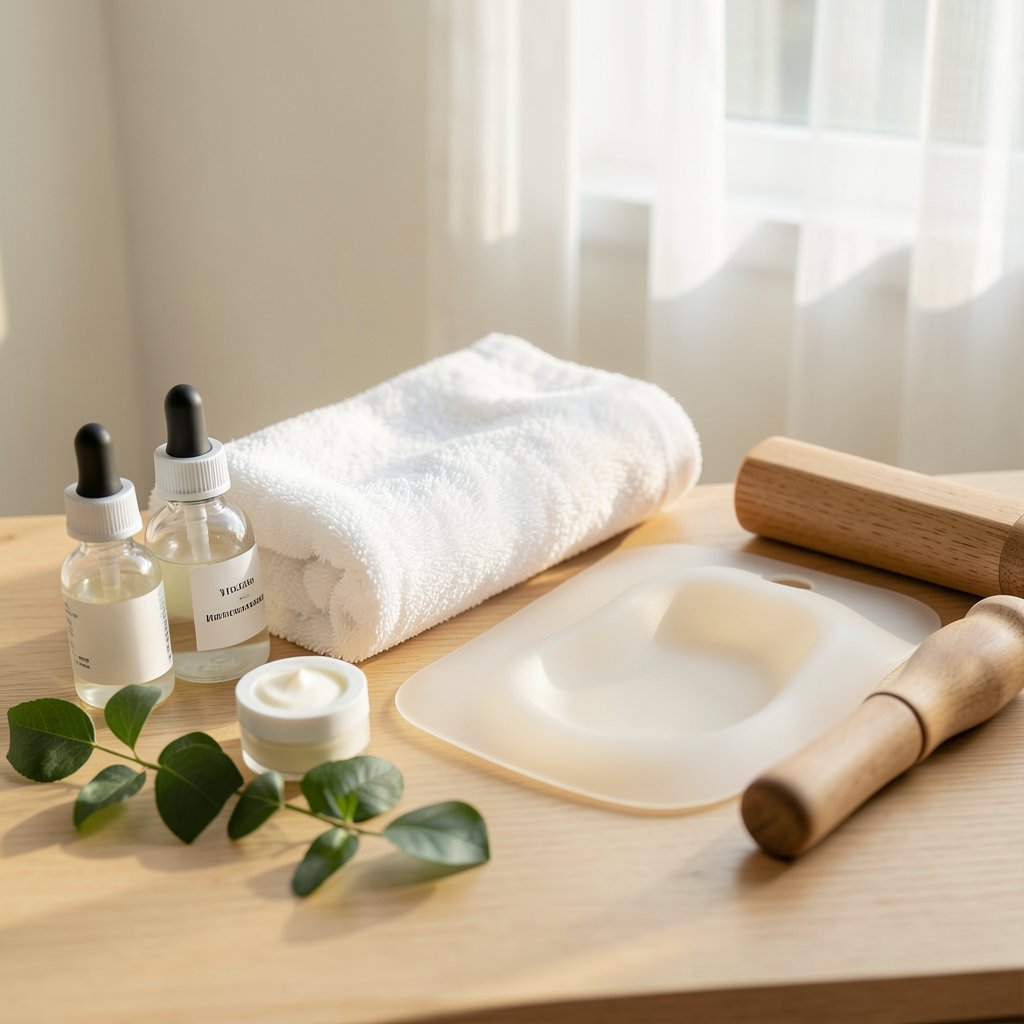
Fibrosis Prevention in Immediate Abdominal Rehab is a guiding concept for anyone navigating the early post-procedure period, especially when you’re focused on compassionate, non-invasive approaches to healing and comfort.
In this guide, you’ll discover a practical, spa-informed sequence that combines gentle tissue mobilization with lymph drainage to support scar resilience.
The approach draws on the experience we’ve gained at Best & Beyond Spa in Woburn, MA, where we blend expert touch with botanical, clean products to nurture the body’s natural renewal processes.
For readers who recently completed an abdominal procedure or are preparing for one, the emphasis is on safe, progressive movements that promote comfort, reduce stiffness, and help the skin adapt gracefully as it breathes and settles.
Throughout, you’ll find actionable steps, real-world insights from our wellness-focused team, and a philosophy that respects your body’s timeline while guiding you toward lasting comfort and confidence.
Foundations of Fibrosis Prevention in Immediate Abdominal Rehab and Why It Matters
The sequence in which you engage abdominal tissue mobilization and lymph drainage matters because the body responds to touch, pressure, and direction in specific ways.
A thoughtful order helps minimize swelling, supports alignment, and promotes a resilient scar landscape that is more flexible and less tense over time.
This is especially true in spa-informed practices, where non-invasive techniques are used to support the body’s natural rhythms and minimize discomfort during the healing journey.
What tissue mobilization aims to achieve in the context of Fibrosis Prevention in Immediate Abdominal Rehab
In our sessions, we emphasize gentle tissue mobilization and mindful exploration of the abdominal region.
The goal is to gradually lengthen, separate, and align connective tissue without creating strain.
We’ve observed that when clients experience a smooth initiation of movement, they report less tightness and a more even texture as the skin remodels.
A well-structured approach helps the body adapt to new contours while maintaining comfort and ease of breathing.
Key outcomes to expect with a deliberate mobilization sequence include improved tissue glide, reduced adhesions, and a more balanced scar appearance over time.
By approaching the area with care, the body is supported in forming a more harmonious scar landscape that remains gentle to touch and movement.
Our team often notes that early, controlled mobilization sets the stage for long-term resilience rather than waiting for stiffness to accumulate.
Why lymph drainage plays a critical role in this context
Lymph drainage routines help encourage fluid movement and reduce edema that can accumulate after an abdominal procedure.
When approached with a precise sequence, these techniques may support better comfort and a more even skin tone as healing progresses.
In our practice, we emphasize light, rhythmic patterns that respect tissue sensitivity and avoid overstimulation.
The outcome is a calmer sensation in the treated area, with less palpable heaviness and a sense of support during the day.
- Promotes edema reduction through gentle, consistent stimulation.
- Supports a balanced tactile feedback, helping skin glide more easily over underlying tissue.
- Contributes to an appearance of scar resilience as remodeling begins.
Sequencing the Protocol: A Step-by-Step Guide to the Movement and Drainage Sequence
Our preferred sequence blends movement with drainage in a practical order that you can adapt to your home routine or a guided spa session.
This structure is designed to be approachable for those in the early post-procedure phase while providing a framework that helps you advance safely over time.
The emphasis is on comfort, consistency, and gradual progression to support your body’s healing journey.
Phase 1: Gentle prep and awareness for Fibrosis Prevention in Immediate Abdominal Rehab
Begin with a gentle awareness routine to connect with the abdominal region.
This phase relies on light breathing, soft touch, and careful exploration of sensation.
The aim is to establish comfort and establish a baseline for the sequence that follows.
We guide clients to observe areas of tenderness, texture, and motion, then approach them with a slow, conscious touch.
Practical steps for Phase 1 include:
- Light breathing exercises to promote ribcage expansion and abdominal comfort.
- Soft, circular touch along the abdomen to assess texture and mobility without forcing movement.
- Gentle skin glide along the surface to notice areas of stiffness or resistance.
Phase 2: Controlled mobilization to support scar resilience
Phase 2 introduces controlled, low-load movements designed to encourage safe tissue glide and alignment.
The focus is on gradual changes, mindful pacing, and listening to your body.
By staying within a comfortable range, you can begin to improve tissue mobility without provoking discomfort or tension.
Core elements of Phase 2:
- Short, pausable mobilization sequences that emphasize symmetry and breathing with movement.
- Light, sweeping motions across the abdominal area to encourage expansion and relaxation.
- Observations of how tissue responds to touch, informing progression at the next stage.
Phase 3: Lymph drainage and directional support
During Phase 3, we introduce rhythmic, gentle drainage-inspired techniques that help guide fluids toward natural channels.
The emphasis is on non-invasive patterns and consistent tempo to avoid over-stimulation.
Clients often report a calmer sensation in the treated area and a subjective sense of lightness as edema ease occurs.
Key practices in Phase 3:
- Rhythmic, low-pressure strokes with a light pace to encourage drainage along safe directions.
- Didactic cues about posture and breathing to support ongoing results between sessions.
- Observations of skin tone and texture improvements that reflect remodeling processes.
Practical Techniques You Can Perform at Home or in a Spa Setting
Our spa-based approach to Fibrosis Prevention in Immediate Abdominal Rehab integrates botanical products, clean formulations, and a calm environment to support your practice.
The following techniques are designed to be approachable for at-home routines while remaining scalable for guided spa sessions.
Always listen to your body and adjust the intensity to your comfort level; the goal is sustainable progress, not forceful effort.
Technique A: Gentle tissue mobilization for ongoing resilience
Technique A focuses on light, safe movements that help the abdominal tissues glide more freely.
The touch should be forgiving, with care taken to avoid any sharp pressure.
Over time, these patterns help the skin settle and adapt while supporting a comfortable baseline for daily activities.
Practical steps include:
- Position yourself in a relaxed posture and place your hands softly over the abdomen.
- Use slow, wide circles to explore the surface, pausing at any sensitive spots.
- Maintain a gentle, steady rhythm for 1–2 minutes, then rest and breathe.
Technique B: Lymph-focused drainage patterns for edema management
For drainage, use calm, directional strokes that follow lymphatic pathways.
The aim is to encourage gentle movement of pooled fluids without overloading the tissue.
This routine is designed to complement the mobility work and support a balanced remodeling process.
Practical steps include:
- Begin with light pressure, focusing on the outer edges of the treated area.
- Move in slow, downward directions toward the pelvis to respect natural drainage pathways.
- Conclude with relaxed breathing and a short period of rest to let the body assimilate the movement.
- Use clean, botanical products that glide smoothly and support skin comfort.
- Keep sessions limited to a brief, daily window to build consistency.
- Always adjust intensity based on comfort, never forcing movement.
Common Pitfalls and How to Avoid Them
Avoiding common missteps is a practical way to keep the sequence safe and effective.
By recognizing potential pitfalls early, you can preserve comfort, prevent stiffness, and support ongoing remodeling in a way that aligns with your body’s rhythm.
Mistake #1: Pushing beyond comfortable limits
Overextending the sequence can lead to increased sensitivity and a less favorable remodeling pattern.
Instead, use shorter, slower sessions and gradually increase touch duration as comfort improves.
This approach supports long-term scar resilience without provoking regression.
How to avoid, with practical insights:
- Check in with your body before and after each sequence; if you feel tingling or sharp pain, pause immediately.
- Be patient—progress may be subtle, but consistency compounds over time.
- Document simple observations (texture, temperature, comfort level) to guide future sessions with your clinician or wellness practitioner.
Mistake #2: Skipping breathing and posture cues
Breath and posture are integral to the effectiveness of the sequence.
Without proper breathing, tissues may not relax adequately, reducing the benefit of mobilization efforts.
Keep a light focus on breath to support safe, effective progress.
How to avoid, with actionable tips:
- Couple each touch with a gentle inhale or exhale to synchronize movement and relaxation.
- Maintain a neutral spine and comfortable support during any abdominal work.
- End with a brief period of quiet breathing to help the body transition from activity to rest.
Mistake #3: Inconsistent routine
Inconsistency undermines progress.
A regular, gentle sequence builds a stable pattern for remodeling and makes it easier to monitor changes in texture and comfort over time.
How to build consistency:
- Set a realistic daily or every-other-day schedule that fits your daily routine.
- Keep a simple log of what was done and how you felt afterward.
- Align sessions with recovery milestones from your wellness team for continued alignment.
Monitoring Progress and Adjusting the Sequence Over Time
Progress in Fibrosis Prevention in Immediate Abdominal Rehab is best tracked with a simple, patient-centered approach.
Regular assessment—focused on comfort, tissue mobility, and scar texture—helps determine when to advance to the next level or to maintain the current pace.
We encourage clients to maintain a gentle journal of sensations, texture changes, and daily routine compatibility.
Key indicators to watch
Observe ongoing indicators that influence your path forward.
These indicators are qualitative and helpful for adjusting your approach in a safe way:.
- Comfort with touch: diminished sensitivity during gentle mobilization indicates readiness to progress.
- Texture and glide: smoother tissue movement and less stiffness signal remodeling without excessive tension.
- Breath and posture: ease of breathing and a stable posture during activities reflect improved alignment and comfort.
Our Massachusetts-based team at Best & Beyond Spa uses these observations to guide ongoing care.
We emphasize non-invasive, client-centered methods that prioritize your sense of safety, comfort, and well-being as you move through your healing journey.
Davilla, our lead wellness practitioner, blends massage-informed insight with a holistic understanding of tissue remodeling to tailor sequences that feel right for you.
What Our Spa Experience Adds to Fibrosis Prevention in Immediate Abdominal Rehab
At Best & Beyond Spa, we bring a distinctive blend of expertise, gentle touch, and careful product selection to every session in Massachusetts.
Our approach is rooted in compassionate care, with an emphasis on calming environments, clean botanical products, and an awareness of how your body responds to touch.
We’ve seen how a well-structured sequence can improve comfort, support scar resilience, and help clients approach daily activities with renewed confidence.
Insights from our practice
From real-world experiences with clients who have completed abdominal procedures, the following insights have emerged:
- Structured sequencing with lymph drainage and mobility can align with the body’s natural remodeling processes.
- Gentle, consistent practice tends to support steadier improvements in surface texture and overall comfort.
- Holistic care that emphasizes breathing, posture, and relaxation can amplify the benefits of tissue mobilization without provoking discomfort.
Our commitment to clean, botanical products and a calm, supportive environment helps you feel cared for as you navigate this journey.
The team—led by a wellness practitioner with extensive experience in therapeutic body care—brings a thoughtful, non-pressured approach to each session.
This combination creates a trusted space in Massachusetts where clients can explore gentle, effective strategies for scar resilience and comfort.
Próximos Passos Estratégicos
If you’re considering a path toward scar resilience and enhanced comfort after an abdominal procedure, begin with a gentle, sequence-driven approach that prioritizes breathing, movement, and drainage.
The steps outlined here are designed to be adaptable, allowing you to grow from a comfortable starting point to a more confident routine over time.
At Best & Beyond Spa, we invite you to explore a calm, expert space in Massachusetts where you can experience personalized guidance, non-invasive techniques, and a thoughtful approach to wellness that respects your body’s tempo.
To take the next step, consider a guided session with our wellness team, where you’ll receive hands-on guidance, a personalized plan, and practical take-home practices to support ongoing comfort and resilience.
Remember, the goal is a sustainable, soothing path that supports your body’s natural remodeling while you reclaim daily ease and confidence.
Frequently Asked Questions
What is fibrosis prevention in immediate abdominal rehab?
Fibrosis prevention refers to a gentle, early approach to reduce scar tissue build-up after an abdominal procedure. It uses gentle tissue mobilization and lymph drainage to support tissue flexibility and minimize stiffness during healing. This spa-informed approach helps the scar become more resilient over time.
Why does the order of tissue mobilization and lymph drainage matter in this protocol?
The body responds to touch and direction in specific ways, so performing mobilization before drainage or vice versa can influence swelling and tissue alignment. A thoughtful sequence helps manage edema and set the stage for a more flexible scar landscape. Following a guided order reduces uncomfortable sensations during the healing journey.
How does gentle tissue mobilization contribute to scar resilience?
The goal is to lengthen, separate, and align connective tissue without forcing strain. Gentle mobilization supports smoother movement and gradual remodeling, which can lessen tension around the incision. This helps the scar tissue mature with better elasticity.
What are safe starting steps for someone recently post-abdominal procedure?
Begin with very light, progressive movements under professional guidance, focusing on breath and comfort. The aim is to reduce stiffness and promote a calm return of function without overloading the healing tissues. Always follow clinician directions and monitor for signs of irritation.
How does lymph drainage complement tissue mobilization in this program?
Lymph drainage helps reduce swelling and supports fluid balance, creating a favorable environment for tissue remodeling. When paired with mobilization, it can enhance comfort and decrease fullness around the incision. This combination supports a resilient scar landscape.
What signs indicate you should pause or modify the therapy?
If you experience sharp pain, increasing redness, fever, or new drainage, pause and consult your care team. Swelling that worsens or persistent numbness may also signal a need to adjust. Trust professional guidance to keep the rehab safe.
What products or tools are used in this spa-informed approach?
The approach often uses clean, botanical products and hands-on techniques delivered by trained therapists. Tools are minimal and designed to support gentle touch rather than aggressive manipulation. Always ensure products are suitable for post-surgical skin.
How can I maintain progress at home between sessions?
Practice light, guided movements and self-massage routines as recommended by your provider. Consistency with gentle lymph drainage cues and breath-work can help sustain improvements. Document progress and communicate any changes to your care team.

At Best and Beyond Spa, Day and Davilla are dedicated professionals passionate about wellness and beauty. With expertise in spa day treatments, couples massages, and senior wellness, they provide high-quality, personalized care in a relaxing environment. Their mission is to help clients feel rejuvenated, refreshed, and truly cared for.
Related Posts
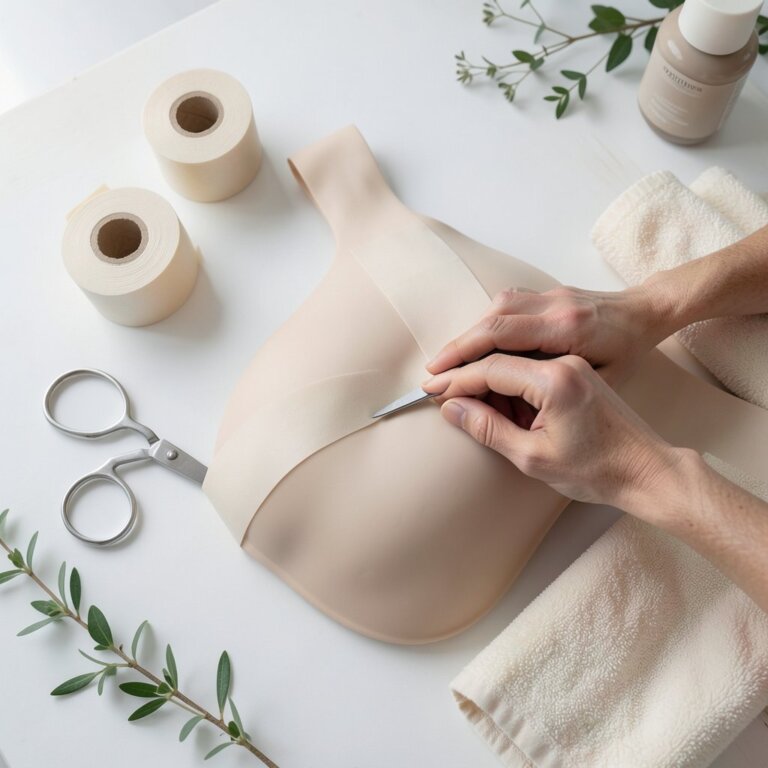
Tutorial: Safe Kinesio Taping Protocols to Support Early Scar Mobility
Guide: Building an Immediate Abdominal Rehab Blueprint for Postoperative Recovery