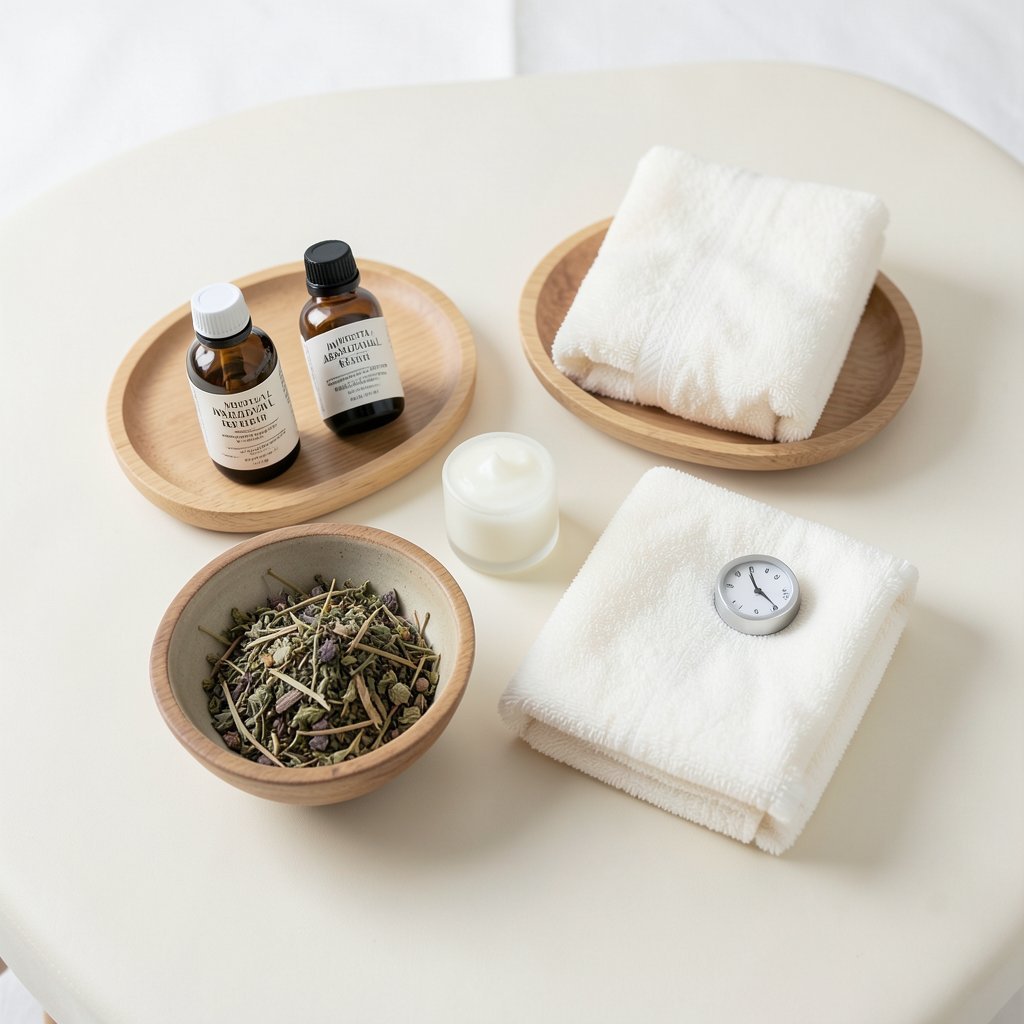
List: Essential Lymph Drainage Positions and Timing for Early Abdominal Recovery
Immediate Abdominal Rehab is about gentle lymph drainage techniques and timing to support early abdominal recovery after a post-procedure period.
In this guide, we’ll explore practical positions, sequencing of moves, and how a wellness-focused routine can complement rest and gentle breathing.
At Best & Beyond Spa in Massachusetts, our holistic approach to wellness blends clinical insight with soothing touch.
We emphasize comfort, gradual progression, and a calm environment that supports your body’s natural recovery processes.
The goal is to help you feel more at ease as you regain mobility, reduce swelling, and re-establish a sense of routine after an abdominal procedure.
We’ll share stories from our team, practical methods that fit into daily life, and how to involve your care team for a coordinated, supportive plan.
The following sections address what to expect, why these techniques matter, who can benefit, when to start, where to practice, and how to progress responsibly.
What Immediate Abdominal Rehab Entails and Why It Matters
What this approach encompasses is a gentle, non-invasive set of practices designed to support the body’s natural fluid balance after an abdominal procedure.
The emphasis is on safety, comfort, and gradual progression.
By aligning breathing, posture, and light tissue movement, many people report an improved sense of ease and a smoother return to daily activities.
Our aim isn’t to replace professional care but to complement it with accessible strategies that fit into daily life.
Key Principles of Immediate Abdominal Rehab
Understanding the core principles helps you engage with confidence.
The principles focus on gentle touch, controlled breathing, and protecting sensitive areas while supporting circulation.
Think of this as a roadmap for calm, mindful movement rather than a high-intensity routine.
The approach emphasizes edema reduction, posture alignment, and respectful pacing so your body can respond without strain.
- Gentle touch and light contact that respects healing tissues
- Diaphragmatic or deep breathing to support abdominal motion
- Progressive exposure to gentle movement that honors comfort
In our Massachusetts facility, we draw on years of hands-on experience in wellness and body care.
The goal is to create a trustworthy environment where you can explore what feels right, with guidance from a trained wellness professional who understands the nuances of post-procedure recovery without pushing beyond safe limits.
Who Benefits: People Recently Undergoing an Abdominal Procedure
This program is designed for individuals who are navigating the early stages of recovery and want to maintain mobility support while minimizing discomfort.
It’s especially helpful for those who value a calm, spa-like routine that blends practical techniques with a restorative environment.
If you’re aiming to restore a sense of normal activity and daily routine, this guide offers ideas you can adapt to your own pace.
- Individuals seeking a non-invasive, comfort-forward approach
- People prioritizing gradual progression and reliable routines
- Anyone who wants to reduce swelling and improve overall well-being
Incorporating these practices into your day can contribute to a sense of control and focus during a delicate recovery period.
We encourage you to discuss any new routine with your care team and to adjust intensity based on how you feel each day.
Core Lymph Drainage Positions for Early Abdominal Recovery
Positioning is foundational to lymph drainage work.
The goal is to support natural drainage pathways while protecting incision lines and sensitive areas.
The following positions are described as gentle, safe options you can practice with a trained wellness professional or after receiving proper instruction.
Each position emphasizes soft tissue mobilization, breath coordination, and a mindful pace that respects comfort.
Position A: Supported Supine Gentle Abdominal Connection
In this setup, you lie on your back with a small, supportive pillow under the head and a light cushion near the lower back.
This creates a comfortable base for abdominal breathing and light, guided contact.
The focus is on establishing a calm rhythm and allowing fluids to move with ease.
You’ll notice opportunities to engage in slow, diaphragmatic breaths that support whole-abdomen movement.
- Place a soft pillow under the knees to reduce lower-back strain
- Use a light hand contact along the lower abdomen to encourage gentle movement
- Coordinate slow inhale and exhale to promote diaphragmatic breathing
Benefits include edema reduction, improved comfort, and a foundation for gentle progress.
If any tenderness arises near incisions, release contact and reassess next time.
This position is a quiet, accessible starting point for Immediate Abdominal Rehab routines.
Position B: Side-Lying with Gentle Lateral Support
Side-lying positions reduce strain on the midline and provide a different angle for lymph flow.
You’ll be supported with a bolster along the torso to maintain a comfortable curve.
The approach emphasizes micro-movements and careful exploration of how the abdomen and chest expand with breathing.
It’s a practical option for people who prefer variety and want to avoid extended time on the back.
- Prop a bolster along the side for stability
- Place a hand across the upper abdomen to guide gentle expansion
- Practice shallow breaths with the chest and abdomen moving together
This position supports mobility while avoiding pressure on incision lines.
It also allows your body to explore a different drainage pathway, which can contribute to a more balanced feeling of recovery.
Position C: Semi-Side Seated with Light Support
For some, a gentle seated angle offers a refreshing change of scenery from lying down.
Sit in a comfortable chair with a slight recline and place a small, soft support behind the back.
This arrangement invites subtle torso twists and leg movements that can help maintain circulation without taxing the core muscles.
Focus on a comfortable pace, letting the abdomen expand with each breath.
- Sit upright but relaxed, with a slight backward tilt
- Keep feet flat and hips supported to protect the midsection
- Coordinate breathing to encourage even expansion across the torso
Incorporating this position as part of Immediate Abdominal Rehab helps diversify your routine and keeps you engaged in gentle activity that respects your body’s limits.
Timing and Sequence: When to Begin and How Often
Timing is about pacing and consistency.
The approach recommended here focuses on small, manageable steps, with attention to your daily energy and comfort levels.
Throughout the week, the emphasis is on building a routine that supports gentle drainage, promotes circulation, and helps you feel more grounded.
We describe a flexible framework that can be adapted to your personal rhythm, always prioritizing safety and calm.
Starting Point: Day 0–2 — Initiation and Pace
During the initial days, your emphasis should be on establishing a supportive routine rather than speed.
Begin with short sessions, perhaps two to three brief intervals per day, each lasting no more than 5–10 minutes.
Use controlled breathing and light contact to encourage natural movements.
The aim is to create a sense of security and familiarity with the routine, which supports long-term consistency.
- Two to three short sessions per day
- Each session 5–10 minutes, focused on breathing and gentle contact
- Avoid any intense pressure or rapid, sweeping movements
With this cautious approach, you can begin to notice a comfort improvement as your body adapts.
The emphasis remains on breathing techniques and a calm environment that supports your state of mind as well as your physical response.
Progression Window: Day 3–7 — Building Rhythm and Confidence
By days 3 to 7, you may gradually extend sessions and introduce a broader sequence of positions.
The goal is to integrate a steady, predictable rhythm that helps your system respond to gentle drainage.
Maintain a focus on soft tissue mobilization, careful positioning, and consistent breathing.
If any pain or discomfort arises, revert to a shorter session or simpler position and consult your care team for guidance.
- 3–4 sessions per day, each 8–15 minutes
- Include one additional position while keeping contact light
- Monitor how your body responds and adjust intensity accordingly
This phased approach aligns with mobility support and edema management as you regain confidence and ease in daily activities.
The emphasis remains on safe, gradual progression and mindful self-care.
Safety Guidelines and Common Pitfalls
Safety is the foundation of any post-procedure wellness practice.
We recommend staying mindful of comfort, avoiding excessive pressure, and watching for signs that your body needs a pause.
The guidance below is designed to be practical, compassionate, and adaptable to your daily routine.
Always communicate with your care team about any adjustments you plan to make in your routine.
Avoiding Excess Pressure and Rushing
Avoid applying heavy or ongoing pressure to the abdomen, especially near incision lines.
Quick, forceful movements can disrupt tissue recovery and increase discomfort.
Instead, aim for gentle contact and slow, deliberate motions that honor your body’s signals.
Rushing can undermine both comfort and progress, so practice at a pace that feels sustainable.
- Use light contact and slow, intentional movements
- Pause if discomfort or tightness arises
- Keep sessions short and repeatable across the day
Approach every session with patience.
The ultimate goal is a steady buildup of comfort and function rather than immediate, dramatic changes.
This mindful approach supports edema reduction and ongoing breathing techniques.
Recognizing Signs to Pause and Seek Guidance
While these practices are designed to be gentle, certain signs warrant pausing and seeking guidance.
If you experience severe pain, significant redness, fever-like symptoms, or a new area of tenderness around the abdomen, stop immediately and contact a qualified wellness professional.
Trust your instincts and don’t push through persistent discomfort.
The right pace respects your body and supports a steady path toward immediate well-being.
- Significant or worsening pain near the midline
- New or worsening redness, warmth, or swelling
- Persistent fever, chills, or drainage around incisions
Our Massachusetts team is trained to listen carefully and tailor the approach to your comfort level, ensuring you stay within safe boundaries while exploring meaningful relief.
Practical Home Routine: A 7-Day Starter Plan
Consistency matters.
This starter plan provides a practical framework you can adapt to your energy levels and daily schedule.
Each day emphasizes gentle lymph drainage, diaphragmatic breathing, and posture awareness.
Use the plan as a flexible guide, not a rigid rulebook.
If a day feels lighter, shorten sessions; if you feel energetic, maintain gentle progress while staying mindful of comfort.
Day 1–2: Foundation and Familiarization
Set a gentle rhythm and prioritize comfort.
Focus on two short sessions daily, using Positions A and B as described above.
Emphasize breathing and light contact.
The goal is to establish a routine you can repeat with ease.
- Two brief sessions per day (5–10 minutes each)
- Position A and B with light contact
- Breathing: 4-second inhale, 6-second exhale, relaxed pace
By the end of day two, you should feel a greater sense of calm and an increased awareness of how your body responds to the routine.
This awareness is a cornerstone of Immediate Abdominal Rehab success.
Day 3–5: Gentle Expansion and Variation
With a foundation in place, you can add Position C and slightly longer sessions.
Keep contact light and prioritize breathing coherence.
The aim is to cultivate a steady rhythm that supports edema management and improved sense of mobility.
If any movement causes discomfort, dial back the duration or return to Day 1–2 patterns.
- Three sessions per day, 8–12 minutes each
- Positions A, B, and C in a gentle rotation
- Breathing: include brief breath-holds only if comfortable and advised by your wellness professional
As you progress, you’ll notice more ease in daily activities.
This momentum is a favorable signal in your ongoing Immediate Abdominal Rehab journey.
Day 6–7: Consolidation and Routine Fine-Tuning
By day seven, your routines should feel familiar and sustainable.
Maintain a calm pace, preserve contact light, and integrate micro-breaks between positions.
The emphasis remains on soft tissue mobilization, mobility support, and building a habit you can carry forward beyond the first week.
- Three to four sessions per day, 10–15 minutes each
- All three positions with gentle, measured movement
- Ongoing monitoring of comfort and incision-area sensitivity
Completing the first week with consistency contributes to longer-term edema reduction and a sense of renewed control over daily activities.
How Best & Beyond Spa Supports Your Recovery
Our Massachusetts team blends spa-quality care with practical, evidence-informed routines.
Davilla, a dedicated wellness professional with a background in physiotherapy and advanced aesthetics, brings a holistic perspective to post-procedure recovery.
Her approach combines clean, vegan, botanical products with skilled guidance in relaxation techniques and gentle touch.
The goal is to help you feel safe, supported, and empowered as you explore Immediate Abdominal Rehab concepts in a calming, restorative environment.
Our Approach in Massachusetts
At Best & Beyond Spa, we emphasize a trusted and top-rated wellness experience.
The space is designed to nurture deep relaxation, with an emphasis on breath, posture, and compassionate care.
Our team’s bilingual service in English & Portuguese helps us connect with a diverse community in Woburn and across Massachusetts, reinforcing a sense of comfort and accessibility for guests who value personalized care.
- Private, serene spaces for focused routines
- Relaxing massage and therapy modalities that complement the routine
- Professional guidance that respects your pace and comfort
We encourage guests to integrate these practices into a broader wellness rhythm, aligning with a holistic view of recovery and overall well-being.
The experience is designed to feel natural, human, and grounded in real-world needs, rather than clinical or prescriptive guidance.
Measuring Progress and Next Steps
Progress in Immediate Abdominal Rehab is best assessed through consistent routine, comfort levels, and gradual functionality.
Use simple self-checks and reflect on how movement feels in daily life.
The aim is not perfection but a steady sense of improvement, increased comfort, and a clearer path back to usual activities.
Our approach emphasizes gentle observation, thoughtful adjustments, and ongoing communication with your care team.
Self-Check List and Milestones
Use this quick checklist to guide your week and to determine when it’s appropriate to escalate support or refine your routine.
The guidelines focus on comfort, mobility, and balance rather than numeric targets.
- Comfort level during and after sessions
- Ability to perform basic daily tasks with less effort
- Consistency of breathing and overall relaxation during routines
In addition to personal progress, you can expect that regular, mindful practice supports a sense of routine and predictability during recovery.
It also aligns with a broader wellness strategy that includes rest, hydration, and balanced nutrition.
Our team in Massachusetts remains available to tailor your plan and help you sustain a sustainable path forward.
When to Seek Additional Guidance
If you notice persistent pain, sudden changes in swelling, or new discomfort near the abdomen that doesn’t ease with rest, reach out to a wellness professional.
While the routines described here are designed to be gentle and supportive, every body responds differently.
Rechecking your plan with a care team ensures your path remains safe and comfortable while you continue your recovery journey.
Ultimately, the aim is to support your return to daily life with a sense of calm, strength, and balance.
By combining Immediate Abdominal Rehab routines with the holistic care offered at Best & Beyond Spa, you can cultivate a steady, compassionate pathway toward fuller well-being in Massachusetts.
Practical Next Steps: A Gentle Roadmap to Continue at Home
Now that you’ve explored the essential positions, timing, and safety considerations, you can integrate these practices into a long-term plan that supports ongoing comfort and mobility.
Remember to maintain open communication with your care team and to adjust intensity based on your daily energy and comfort levels.
The goal is sustainable progress that respects your body’s unique rhythm.
At Best & Beyond Spa, we’re committed to helping you feel confident in your recovery journey.
Our team is here to support your rhythm with a focus on recovery rituals, wellness routines, and a serene environment that promotes physical ease and mental calm.
If you’d like to learn more about how our programs in Massachusetts can complement your path to Immediate Abdominal Rehab, we invite you to explore our services and experience the care of a trusted, highly skilled wellness destination.
Engaging with these practices can be a meaningful step toward a smoother early-recovery phase.
The guidance provided here is designed to be practical, adaptable, and respectful of your experience, with the aim of helping you find a rhythm that feels right for you.
As you move forward, consider journaling your daily sessions, noting what felt soothing, where you experienced ease, and how your overall energy shifted.
This simple practice can illuminate patterns over time and support a more personalized, confident recovery journey with the support of our Massachusetts team.
Final Encouragement: Embrace Gentle Progress and Return to Daily Life
Recovery is a personal journey, and every small, intentional step matters.
By integrating Immediate Abdominal Rehab practices—centered on gentle lymph drainage, breathing, and mindful movement—you can create a foundation for ongoing comfort and mobility.
Our team at Best & Beyond Spa stands ready to support you with a calm, expert presence and a holistic approach that respects your pace and preferences.
If you’re ready to explore this gentle pathway in Massachusetts, we invite you to connect with us and discover how restorative touch and thoughtful routines can become a meaningful part of your recovery story.
Frequently Asked Questions
What is Immediate Abdominal Rehab and how does it support early abdominal recovery?
Immediate Abdominal Rehab refers to gentle lymph drainage, breathing, and light tissue movements designed to balance fluids after an abdominal procedure. It complements rest by reducing swelling and helping you regain mobility without stressing delicate areas. The approach emphasizes safety, comfort, and gradual progression to support a smoother return to daily activities.
Which lymph drainage positions are most effective early on, and how should they be used?
Key positions target the torso and abdomen with light touch, avoiding incisions and swollen zones. Move slowly between positions and hold each for a short period while breathing calmly. Use only as advised by your care team and pause if you feel any discomfort.
How should I sequence the lymph drainage moves for optimal results?
Begin with gentle breathing and comfortable postures, then progress from near the chest toward the abdomen. Pair slow, light tissue movements with relaxed breaths, keeping sessions short and fatigue-free. A steady, consistent routine supports edema reduction and mobility gains.
When can I start Immediate Abdominal Rehab after a procedure?
Start after your clinician clears you for light activity and gentle touch. Begin with low-impact breathing and very mild movements, gradually increasing as comfort allows. If swelling, pain, or fever develops, pause and consult your care team.
How often should I perform these lymph drainage routines, and for how long should each session last?
Many people benefit from short daily sessions, typically 5–15 minutes, 1–3 times per day as tolerated. Prioritize comfort and slow progression, stopping early if anything feels off. Create a routine that fits your daily life and care plan.
Is Immediate Abdominal Rehab safe to do at home, and what safety safeguards should I follow?
Yes, when done gently and with guidance from your care team, it can be practiced at home. Maintain clean hands, avoid incision areas, and practice in a calm environment. Stop immediately if you experience sharp pain, dizziness, or increased swelling.
How does breathing influence the lymph drainage routine and early recovery?
Breathing helps regulate lymph flow and relaxes tissues during gentle movements. Use slow diaphragmatic breaths and exhale during light movements to promote circulation. Breath cues also help pace the routine and protect sensitive areas.
Who should be involved in planning and monitoring Immediate Abdominal Rehab, and when should you seek professional help?
Your care team, including surgeons, nurses, or physical therapists, should guide and adjust timing and intensity. Schedule follow-ups to tailor the sequence to your needs. Seek professional help if swelling persists, pain worsens, fever develops, or a new incision issue arises.

At Best and Beyond Spa, Day and Davilla are dedicated professionals passionate about wellness and beauty. With expertise in spa day treatments, couples massages, and senior wellness, they provide high-quality, personalized care in a relaxing environment. Their mission is to help clients feel rejuvenated, refreshed, and truly cared for.
Related Posts
Comparative: Open vs Laparoscopic Abdominal Rehab Outcomes in the Immediate Phase
Tutorial: Coordinating Tissue Mobilization, Drainage, and Taping for Scar Resilience