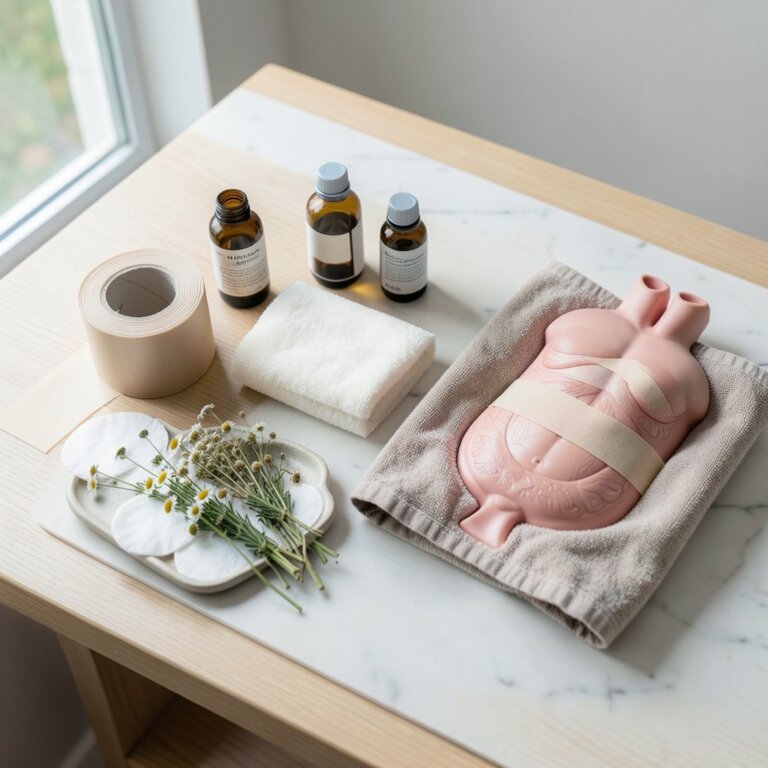

Immediate Abdominal Rehab is a growing focus in post-surgical care, especially when combining gentle kinesio taping with early mobility strategies to support the healing scar.
In this tutorial, we translate clinical caution into practical steps you can discuss with your care team and implement at home.
At Best & Beyond Spa, our approach blends evidence-informed practices with compassionate, hands-on care that respects your recovery timeline and personal comfort.
Tutorial: Safe Kinesio Taping Protocols to Support Early Scar Mobility
Immediate Abdominal Rehab is not a one-size-fits-all plan.
It requires a thoughtful blend of scar mobility, skin-safe techniques, and customized activity pacing.
This guide outlines a practical, patient-friendly framework to help you understand how kinesio taping can support early movement while minimizing irritation around the incision.
By the end, you’ll have a clearer sense of what to expect, what to ask your clinicians, and how to approach postoperative routines with confidence.
Our team emphasizes a holistic approach to recovery that respects your body’s signals.
We’ll share actionable steps, cautionary notes, and real-world tips drawn from our Massachusetts practice, where we balance clinical safety with the comfort and calm you expect from a trusted wellness destination.
Immediate Abdominal Rehab Principles for Safe Kinesio Taping
The Core Concepts of Immediate Abdominal Rehab
The core concepts of Immediate Abdominal Rehab revolve around aligning tissue healing with controlled mobility.
The aim is to support the scar area without stressing the surrounding tissues.
In practice, this means prioritizing skin safety, promoting gentle scar mobility, and avoiding aggressive loading early in the healing process.
Key principles include pacing activity to match the healing stage, using non-irritating materials, and maintaining open communication with your care team.
Our MA practice integrates these principles into a practical routine that you can adapt at home, under professional guidance.
From a clinic-to-clinic perspective, the idea is to harmonize early rehab with ongoing tissue repair.
When done thoughtfully, you can sustain progress while minimizing discomfort, itching, or skin irritation around the incision site.
This alignment is essential for long-term mobility and comfort.
Evidence and Rationale
Recent guidelines from leading rehabilitation organizations highlight the value of controlled mobility in the early postoperative period.
Studies indicate that well-tunneled, skin-friendly taping protocols can support tissue alignment without compromising scar integrity.
In 2026, experts emphasize a patient-centered approach that blends noninvasive modalities with careful monitoring to reduce adverse skin reactions.
In our experience, a gentle kinesio taping strategy paired with light, guided movements yields the best outcomes for many patients undergoing abdominal procedures.
We encourage readers to consult their surgeon or physical therapist before starting any new taping routine, especially after complex surgeries.
The goal is steady, progression that respects your unique healing timeline.
When considering Immediate Abdominal Rehab, remember that evidence supports personalization.
While trends in 2026 favor mobility-enhancing approaches, individual factors such as incision type, skin sensitivity, and overall health status must drive decisions.
Our team remains committed to prioritizing safety and comfort above all else.
Practical Practice Pillars
- Begin with a gentle assessment of skin tolerance around the incision and upper abdomen.
- Use non-latexture, breathable materials designed for sensitive skin to protect the area.
- Introduce light, pain-free movements that promote scar mobility without pulling on tissue.
- Maintain regular check-ins with your care team to adjust the plan as healing progresses.
Safe Kinesio Taping Protocols for Early Scar Mobility
Protocol Overview
The Safe Kinesio Taping Protocol for Early Scar Mobility combines evidence-based taping patterns with careful skin preparation.
The protocol emphasizes low-tension applications, clean skin, and avoidance of areas where the incision is fresh or highly inflamed.
By focusing on scar mobility and comfortable support, you can help your abdomen regain flexible movement while maintaining protection around the scar.
During the initial weeks, taping should be light and discontinuous if any irritation arises.
We advocate for a plan that includes alternating days with rest periods to observe how your body responds to the tape and tension changes.
The overarching goal is to support postoperative healing without introducing new stress to the incision.
Materials and Skin Prep
Choosing the right materials is essential for comfort and safety.
Look for skin-friendly tapes designed for sensitive skin and hypoallergenic adhesives.
In our Massachusetts practice, we favor products that are latex-free, breathable, and easy to remove without residue.
Before applying tape, ensure the skin is clean, dry, and free of lotions or oils that can interfere with adhesion.
Important prep steps include performing a small skin test 24 hours before extended use, checking for redness or a burning sensation.
If any adverse reaction occurs, discontinue use and consult your clinician.
Proper prep reduces the risk of irritation and enhances the effectiveness of the protocol.
For practical reference, consider a straightforward kit: hypoallergenic kinesio tape, skin prep wipes, scissors for trimming, and a light barrier spray if your clinician recommends it.
Remember that the goal of Immediate Abdominal Rehab remains safe, gentle support of mobility rather than aggressive wrapping.
Application Steps with Precautions
- Gently cleanse the area around the incision and allow it to dry completely.
- Apply a thin barrier layer to protect sensitive skin, then position the tape along the abdominal wall in a low-tension pattern.
- Avoid applying tape directly over the incision line if there is any redness, drainage, or tenderness.
- Test tolerance by performing slow, breathing-driven movements before resuming full activity.
- Monitor for signs of irritation, itching, or lifting of the tape. Remove and reassess if any adverse reaction occurs.
- Direction and placement should prioritize supporting scar mobility without restricting normal breathing or core activation.
- Keep sessions short and gradually increase wear time as tolerated.
- Document changes in sensation or pain to discuss with your care team at the next visit.
Aligning Immediate Abdominal Rehab with Recovery Milestones
Early Phase Timeline (0-2 Weeks)
The first two weeks after abdominal surgery are a critical window for establishing safe foundations.
In this period, Immediate Abdominal Rehab emphasizes gentle activation of the abdominal wall, cautious scar management, and a plan to enhance mobility without compromising wound healing.
Expect light breathing exercises, supported log-rolls, and careful posture work as part of your routine.
Our team recommends documenting experiences with each session—note any discomfort, tape response, and how your abdomen feels with movement.
These notes help tailor the progression and ensure you stay within safe limits.
The objective is to accommodate baseline healing while preserving elasticity and reducing the risk of adhesions.
Experts highlight the importance of avoiding heavy lifting or intense abdominal strain in this phase.
Instead, focus on controlled breathing, gentle diaphragmatic engagement, and clearly defined progressions that align with your surgeon’s instructions.
This alignment strengthens postoperative outcomes and supports long-term mobility.
Progression Criteria
Progression criteria provide a practical framework for advancing your rehabilitation.
Look for improving soft tissue tolerance around the scar, diminishing tenderness during light movements, and the ability to perform basic abdominal activation without compensatory patterns.
When these markers are satisfied, you may discuss gradual increases in activity with your healthcare team.
Incorporating kinesio taping as a supportive measure can help maintain mobility as you progress, but it should never replace core principles of cautious loading and wound care.
The emphasis remains on safe progression rather than rapid change, honoring the body’s healing rhythm.
Indicators of Positive Mobility
- Decreased incision tenderness during light activity
- Improved abdominal wall awareness without compensatory trunk movements
- No skin irritation or tape lifting after typical daily activities
- Ability to maintain comfortable posture during daily tasks
At-Home Techniques and Safety Checks
Self-Assessments and Tape Checks
Empower your home routine with simple self-assessments.
Begin by lying supine with knees bent, and perform diaphragmatic breathing while observing how your abdomen in-tents and relaxes.
If you notice excessive tension or pain around the scar, pause taping and consult your clinician.
Regular self-checks help you stay attuned to scar mobility changes without overdoing it.
As you incorporate Immediate Abdominal Rehab elements, keep a brief weekly log of sensations, movement quality, and any tape-related skin reactions.
This practice supports a collaborative approach with your care team and provides a clear record of progress over time.
Skin Care and Tape Replacement
Skin health is central to successful at-home taping.
Cleanse the area with mild soap and water, pat dry, and avoid applying on irritated or freshly inflamed skin.
Replace tapes as recommended by your clinician, typically every 2–3 days, or sooner if you notice lifting or itchiness.
Maintaining skin integrity is a practical step toward sustaining effective scar mobility and comfort.
To further protect the area, consider using a gentle barrier wipe or a light barrier cream if your clinician approves.
This practice can minimize friction and prolong tape life while reducing discomfort during movement and daily activities.
Common Mistakes and Fixes
- Mearing tape over scar tissue without adjusting tension increases irritation—adjust traction to a comfortable level.
- Applying tape on oily skin or after lotions can cause poor adhesion—prep skin thoroughly and avoid moisturizers before taping.
- Ignoring early signs of skin irritation—address skin changes promptly with your clinician to prevent longer delays in rehab.
Real-World Insights from a Massachusetts Spa Team
Professional Perspectives from Best & Beyond Spa
Our team, rooted in the wellness field of Massachusetts, blends therapeutic touch with evidence-informed strategies.
We’ve seen how a patient-centered Immediate Abdominal Rehab plan—incorporating safe kinesio taping and mindful movement—can support scar mobility while preserving overall comfort.
The emphasis is on compassionate guidance, skilled technique, and ongoing observation to adapt to each person’s healing pace.
In practice, we pair clinical recommendations with gentle touch therapies that complement taping, such as soft tissue release and breath-led relaxation.
These modalities work together to promote recovery and restore confidence in daily activities.
The combination of practical care and respectful listening is at the heart of our approach.
Collaboration with Surgeons and Physical Therapists
Successful outcomes hinge on collaboration among surgeons, physical therapists, and wellness practitioners.
Our Massachusetts clinic maintains open channels to discuss progress, adjust protocols, and align with your surgical plan.
This teamwork ensures that postoperative guidelines are honored while integrating safe, noninvasive techniques that support mobility and comfort.
We also emphasize patient education as a core component of care.
By helping you understand the why behind tape choices, we empower you to participate actively in your own Immediate Abdominal Rehab journey, making informed decisions and communicating clearly with your care team.
Resources and Client Education at Our MA Spa
At Best & Beyond Spa, we provide resources designed to support your home practice.
Expect guided handouts, video demonstrations, and in-person demonstrations during visits that illustrate correct tape placement and safe movements.
Our materials reinforce key concepts such as scar mobility, skin safety, and progressive loading—tools you can use long after leaving the treatment room.
We also offer personalized coaching on breathing strategies, posture alignment, and daily routines that blend seamlessly with Immediate Abdominal Rehab principles.
The goal is to help you feel informed, confident, and supported as you navigate recovery in Massachusetts and beyond.
Next Steps: How to Begin with Safe Kinesio Taping
Your Personalized Plan
To begin, schedule a consultation with a qualified clinician who specializes in post-surgical rehabilitation and kinesio taping.
During your visit, your team will assess incision type, skin condition, pain levels, and mobility capacity to tailor a plan that aligns with your healing timeline.
A personalized plan will include simple taping protocols, tailored movements, and clear safety checks to keep you progressing.
As part of your plan, you’ll learn how to monitor response to taping, when to adjust tension, and what signs indicate that progression is appropriate.
The emphasis remains on scar mobility and controlled activation, ensuring your abdominal wall regains function gradually and safely.
What to Discuss with Your Care Team
Before beginning Immediate Abdominal Rehab, come prepared with questions about tape materials, duration of wear, skin reactions, and activity pacing.
Discuss any comorbid conditions, such as skin sensitivity or prior abdominal surgeries, that may influence your taping choices.
You should also share your daily routine goals so your plan supports real-life activities like lifting, coughing, and sneezing without compromising healing.
Scheduling a Consultation at Best & Beyond Spa
Our Massachusetts team welcomes you to explore a collaborative path to recovery.
We offer a calm, expert environment where you can learn about safe kinesio taping for early scar mobility and receive guided support during your rehab journey.
With a focus on recovery that respects your pace, we help you feel confident about your next steps and how to maintain mobility as your body heals.
Taking the first step toward Immediate Abdominal Rehab can be life-changing for comfort and function after surgery.
Reach out to our team to schedule a consultation, discuss your goals, and begin a compassionate, evidence-informed program designed for your unique needs in MA.
In summary, this guide provides practical, actionable steps that emphasize safety, personalization, and gentle progression.
By combining kinesio taping with mindful movement and skin care, you can support early scar mobility while honoring your recovery timeline.
We invite you to explore the services and care offered by Best & Beyond Spa—the trusted wellness destination in Massachusetts where expert care meets restorative touch.
Frequently Asked Questions
What is Immediate Abdominal Rehab, and how does kinesio taping fit in?
Immediate Abdominal Rehab is a patient-centered approach that emphasizes gentle scar mobility and controlled early movement after surgery. Kinesio taping supports the healing area by guiding skin and tissue with non-irritating support while allowing safe movement. This combination is tailored, not one-size-fits-all, and should be discussed with your care team.
When can I start Safe Kinesio Taping as part of Immediate Abdominal Rehab after surgery?
Timing is individualized and must follow your surgeon’s clearance. Once approved, begin with gentle taping patterns and monitor the skin and incision for irritation. Gradually adjust pacing and activity as healing progresses, in collaboration with your clinicians.
What are the main benefits of using kinesio taping early in the scar healing process?
Kinesio taping can support tissue alignment and provide skin-safe feedback during early mobility. It helps reduce irritation around the incision and can boost comfort and confidence when moving. Regular communication with your care team is key to maximizing benefits.
What materials and skin care practices support non-irritating taping during Immediate Abdominal Rehab?
Use skin-safe kinesio tape with hypoallergenic adhesives and prep the skin properly (clean, dry, and free of oils). Apply with edges down and avoid overlapping or heavy tension. Monitor for signs of irritation and remove the tape if the skin becomes red, itchy, or painful.
How should I track progress and communicate with my care team during Immediate Abdominal Rehab?
Keep a simple log of activities, pain levels, and skin reactions, noting any changes in the incision site. Share updates with your clinicians and ask for adjustments to pacing or taping as needed. Open communication helps tailor the rehab plan to your healing timeline.
What kinds of early mobility exercises are typically included in Immediate Abdominal Rehab?
Expect gentle abdominal activation, diaphragmatic breathing, and light mobility around the incision with gradual loading. Avoid heavy lifting and aggressive stretching during the initial healing phase. Exercises should be paced to your current healing stage and comfort level.
What signs indicate the taping or rehab plan is irritating the incision or hiding a complication?
Look for increased redness, swelling, warmth, itching, or new pain at the incision, as well as any drainage or fever. If irritation or unexpected symptoms occur, stop using the tape and contact your clinician promptly. Do not push through worsening symptoms.
What questions should I ask my clinician before starting Safe Kinesio Taping in the Immediate Abdominal Rehab program?
Ask about the expected timeline, milestones for scar mobility, and the specific taping technique to use. Inquire how to monitor skin reactions and when to modify activities. Also discuss red flags and alternatives if the initial plan isn’t comfortable or effective.

At Best and Beyond Spa, Day and Davilla are dedicated professionals passionate about wellness and beauty. With expertise in spa day treatments, couples massages, and senior wellness, they provide high-quality, personalized care in a relaxing environment. Their mission is to help clients feel rejuvenated, refreshed, and truly cared for.
Related Posts
Comparative: Open vs Laparoscopic Abdominal Rehab Outcomes in the Immediate Phase
Tutorial: Coordinating Tissue Mobilization, Drainage, and Taping for Scar Resilience