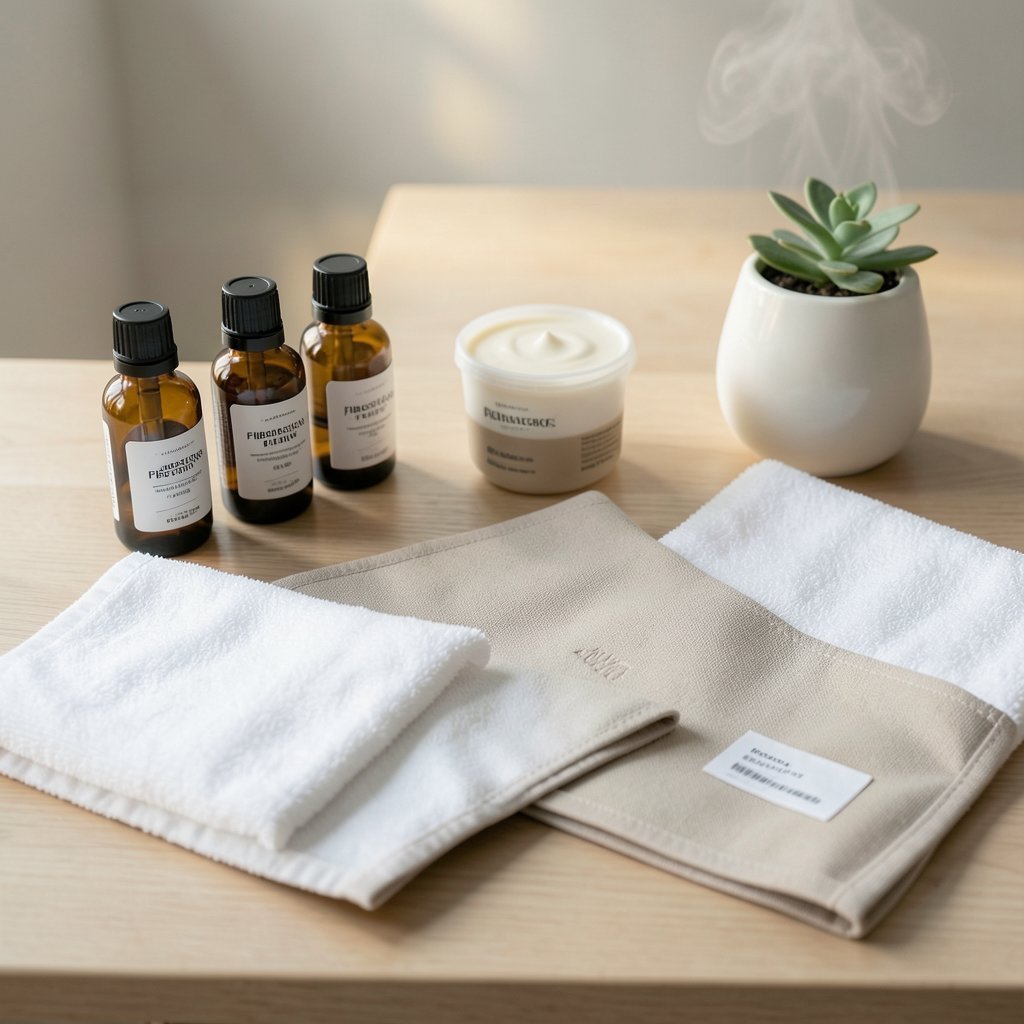
Immediate Abdominal Rehab is a practical framework designed to support comfort, mobility, and gentle tissue wellness during the recovery journey.
In this guide, you’ll find approachable, evidence-informed steps focused on reducing stiffness and promoting healthy tissue function after a procedure.
With a holistic, spa-informed perspective, Immediate Abdominal Rehab emphasizes consistency, patience, and daily routines that fit real-life schedules.
In this context, fibrosis prevention is framed as a series of approachable practices that promote comfort and range of motion.
The goal is not to replace medical guidance, but to offer a companion approach that helps you stay on a steady path.
Throughout, you’ll see actionable tips you can apply today, backed by practical experience from a wellness-forward practice that blends clinical rigor with compassionate care.
Immediate Abdominal Rehab: Core Principles for Fibrosis Prevention
Understanding fibrosis in plain language
Fibrosis is a natural part of the body’s response to tissue change after a procedure.
It can lead to stiffness if movement is overly cautious or if tissue hydration and elasticity aren’t supported over time.
The core idea in Immediate Abdominal Rehab is to combine gentle movement, mindful breathing, and supportive habits to maintain flexibility without causing irritation.
Two practical takeaways help most readers start immediately: first, small, consistent actions beat sporadic intensity; second, aligning habits across movement, breath, and rest creates a sustainable pattern.
Think of it as creating a small, reliable rhythm that your body can adapt to day after day.
By focusing on these principles, you’ll build a foundation that supports ongoing mobility and comfort.
The emphasis is on actionable strategies you can weave into your daily life, rather than on complex routines that require special equipment or extensive time slots.
Setting realistic recovery goals
Successful aftercare begins with clear, achievable goals.
In Immediate Abdominal Rehab, consider three targets for the first 4–6 weeks after a procedure: gradual improvement in range of motion, diminished stiffness after daily activities, and better sleep quality through calmer evenings.
These goals are intentionally modest to encourage consistency and minimize frustration.
To turn goals into daily wins, try small benchmarks like a 5-minute movement window each morning, a 2-minute breathing practice before bed, and one hydration reminder per hour.
You can track progress with a simple journal or a notes app and adjust as you notice what works best for your body.
Consistency matters.
When you maintain regular, gentle routines, you create a predictable system your nervous system appreciates.
That predictability can translate into less guarding of tissue and more comfortable movement across the day.
Gentle Movement and Tissue Mobility
Initiating movement safely
Gentle movement is the cornerstone of Immediate Abdominal Rehab.
The aim is to invite the body to explore small ranges of motion without overloading tissues.
Start with low-demand activities that you can perform safely and comfortably at home or in a calm space.
Key starting points include slow pelvic tilts, diaphragmatic-friendly breathing while moving, and light spinal rotations performed with precise control.
Each movement should feel tolerable rather than painful, with no sudden spikes in effort or discomfort.
In practice, schedule a 5–10 minute movement window twice daily.
This frequency helps maintain tissue pliability and reinforces healthy patterns.
If a particular movement feels tight, pause and return to it later in the day, focusing on breath and ease rather than force.
Progression milestones
Progression in Immediate Abdominal Rehab should be gradual and individualized.
A simple progression framework can look like this:.
- Week 1–2: Focus on basic mobility—gentle pelvic tilts, subtle abdominal wall awareness, and light spinal twists within comfort.
- Week 3–4: Increase duration slightly and introduce seated or supported standing movements that encourage posture alignment.
- Week 5 onward: Expand to a broader set of gentle movements, ensuring each has a calm, controlled feel and no strain.
Always listen to your body.
If a movement triggers sharp or persistent discomfort, pause and consult with a qualified professional who understands your unique recovery context.
The emphasis is on steady, manageable steps that protect tissue integrity while promoting mobility.
Breathing and Posture: The Complementary Core
Diaphragmatic breathing routine
Breathing is a powerful ally in Immediate Abdominal Rehab.
Diaphragmatic (belly) breathing helps coordinate the core and supports gentle movement.
Start with a simple routine: lie on your back with knees bent, place one hand on the chest and the other on the belly, and inhale slowly through the nose.
Feel the abdomen rise as the belly expands, rather than the chest.
Exhale slowly through pursed lips, letting the abdomen fall naturally.
Repeat for 5–7 minutes, twice daily.
This routine promotes relaxation, supports posture, and helps tissue adapt more smoothly to movement over time.
As you acclimate, you can incorporate breathing into light activities—from gentle standing stretches to slow walking.
The goal is to make breathing a natural, supportive partner in every movement.
Posture habits that support mobility
Posture matters for tissue alignment and movement efficiency.
Small changes add up in the long run.
Try these practical posture practices:.
- Keep shoulders relaxed and center of gravity balanced when standing.
- Engage the core softly during daily tasks, avoiding exaggerated, rigid bracing.
- Alternate standing and seating positions to reduce prolonged load on any one area.
Pair posture habits with breathing routines for a synergistic effect.
The combination reduces tension, supports alignment, and encourages more comfortable motion across activities like walking, bending, and lifting small objects.
Scar Management and Tissue Mobility
Gentle scar care approaches
Scar management in the context of Immediate Abdominal Rehab focuses on healthy tissue remodeling and comfort.
A gentle routine can include light, non-irritating massage-like movements around the affected area, followed by a brief period of rest.
Avoid aggressive manipulation or any approach that increases redness, soreness, or discomfort.
Consistency matters more than intensity.
A daily 5-minute routine around the scar region, performed with clean hands and calm breathing, can support mobility and reduce focal stiffness over time.
If you notice persistent tightness, seek guidance from a wellness professional who can tailor approaches to your unique tissue response.
Hydration and tissue support
Hydration plays a quiet but essential role in tissue flexibility.
Adequate water intake helps maintain tissue pliability and supports overall comfort during movement.
Pair hydration with a diet rich in natural, minimally processed foods to provide your body with nutrients that support healthy connective tissue function.
Practical tips include carrying a water bottle, setting hourly hydration reminders, and pairing hydration with movement breaks.
A simple routine can be: drink a glass of water, perform 2–3 small movements, and repeat.
- Prioritize a balanced intake of fruits, vegetables, lean proteins, and healthy fats.
- Limit highly processed foods that can promote inflammation and stiffness.
- Consider timing meals to support energy during movement sessions.
Building a Personal Immediate Abdominal Rehab Plan
Creating a simple at-home routine
Develop a practical, personalized plan that blends movement, breathing, and rest.
Start with a 20–30 minute daily routine that includes:.
- 5 minutes of diaphragmatic breathing with gentle core engagement
- 5–10 minutes of light mobility movements (pelvic tilts, slow leg rotations, gentle spinal twists)
- 5 minutes of mindful scar care or tissue awareness around the abdominal area
- 5 minutes of restful postural refreshment (stretching or gentle standing posture cues)
This routine keeps your day balanced and avoids fatigue.
Adjust the duration and intensity as you notice what feels best for your body, aiming for consistency over intensity.
When to adjust and seek guidance
Adjustments are a natural part of the process.
If you experience persistent discomfort, a marked reduction in range of motion, or sleep disturbances, consider getting additional guidance.
A wellness professional can help customize strategies to your timeline, preferences, and daily routine.
The objective is to maintain momentum while honoring your body’s signals.
In Massachusetts, many wellness spaces emphasize calm environments, gentle guidance, and evidence-informed approaches.
A supportive space can offer structure, accountability, and a sense of community during your recovery journey.
The Role of a Supportive Wellness Environment
How a spa-based approach complements recovery
A well-designed wellness setting can be a quiet ally in Immediate Abdominal Rehab.
It provides a place to explore gentle movement, breathing, and tissue-focused care with trained professionals who value safety, comfort, and personalization.
The aim is to support you in building routines that fit into your life and promote steady progress.
At Best & Beyond Spa, the team blends a calm, science-informed approach with a genuine passion for healing.
Their background helps them tailor experiences that feel safe, respectful, and deeply restorative.
This alignment between expertise and care creates an environment where clients can practice mindful, supportive strategies without pressure or hurry.
Practical considerations for choosing a space in Massachusetts
When selecting a space to support your recovery, consider these practical factors:
- Accessibility and availability of quiet, private areas for calm breathing and gentle movement
- Staff with experience in wellness-based recovery approaches and non-invasive modalities
- Clean, vegan, botanical product options that align with natural, comfort-first care
Additionally, look for spaces that emphasize client education and collaborative planning.
A trusted team will listen to your concerns, provide clear guidance, and help you build a sustainable routine that remains enjoyable and feasible long-term.
In this journey, your recovery environment forms a key part of your routine.
The right setting can reinforce your daily commitments and help you stay motivated to practice Immediate Abdominal Rehab consistently.
Putting It All Together: Practical Steps for Your Week
To make this guide action-oriented, here is simple, week-by-week guidance you can adapt to your pace.
Each week builds on the previous one, maintaining momentum while respecting your body’s signals.
- Week 1: Establish the basics — 2 short movement sessions, 2 diaphragmatic breathing rounds, and gentle scar-tissue awareness for 5 minutes. Hydration reminders keep you steady.
- Week 2: Increase to 3 movement sessions, add a light seated stretch, and refine posture cues during daily activities. Continue the breathing routine with movement.
- Week 3–4: Expand to 4–5 small moves with more deliberate core engagement. Track comfort levels and adjust duration as needed. Maintain consistency in hydration and nutrition.
Remember, Immediate Abdominal Rehab is about daily, manageable practice.
Small, sustainable changes compound into meaningful improvements in mobility, comfort, and overall wellness.
The goal is a steady, enjoyable recovery rhythm that fits your life and supports your long-term quality of life.
For readers in the Massachusetts region seeking a calm, expert-supported environment, Best & Beyond Spa offers a holistic setting where you can explore these practices with guidance from trained professionals in a serene, botanical-inspired space.
Their approach centers on gentleness, clarity, and lasting well-being, making it a trusted choice for those who value thoughtful care during the recovery journey.
As you move forward, keep a few constants in mind: gentle movement, breathing routines, and posture habits lay the groundwork for lasting comfort.
Your body adapts when steps are consistent, respectful, and guided by awareness.
You deserve care that honors your pace and supports you every day.
To begin or continue your path with a trusted wellness partner near you, explore the services and supportive teams that emphasize calm environments, evidence-informed practices, and a deep commitment to your comfort and resilience.
Immediate Abdominal Rehab is not a one-size-fits-all plan—it’s a flexible approach designed to grow with you.
Perguntas Frequentes
O que é fibrose e por que ela é relevante na reabilitação abdominal imediata?
Fibrose é o endurecimento do tecido que pode ocorrer durante a cicatrização após um procedimento. Sem manejo adequado, isso pode levar à rigidez e à limitação de movimentos. Este guia de prevenção da fibrose foca em movimentos suaves, respiração consciente e hábitos diários consistentes para manter a mobilidade ao longo da recuperação.
Como o programa aborda a prevenção da fibrose sem substituir a orientação médica?
Este guia oferece práticas acessíveis e baseadas em evidências para apoiar o cuidado médico, sem substituí-lo. O foco é criar conforto, mobilidade e elasticidade ao longo do tempo, por meio de rotinas simples. Assim, você pode integrar a prevenção da fibrose na vida diária sem complicações.
Quais são os pilares-chave para prevenir fibrose durante a reabilitação abdominal?
Os pilares-chave são: movimento suave e regular, respiração consciente, hidratação adequada e hábitos que apoiem a elasticidade tecidual. Quando combinados, criam um ritmo diário estável que reduz o risco de fibrose e rigidez.
Por que a consistência é mais eficaz do que sessões intensas para evitar fibrose?
Consistência vence esforço intenso porque ações pequenas e regulares constroem hábito e adaptabilidade do tecido. A fibrose tende a responder melhor a rotinas estáveis do que a sessões curtas e esporádicas.
Como estabelecer metas realistas de recuperação para prevenir fibrose?
Para metas realistas, comece com objetivos mensuráveis, como aumentar gradualmente a amplitude de movimento ao longo de semanas. Revise o progresso periodicamente com o seu médico ou fisioterapeuta e ajuste o plano conforme necessário.
Qual é o papel da respiração consciente na prevenção da fibrose?
A respiração consciente ajuda a reduzir a tensão nos tecidos e facilitar movimentos suaves, contribuindo para a prevenção da fibrose. Combine técnicas de respiração com alongamentos leves para manter elasticidade e conforto durante a recuperação.
Existem exercícios específicos para evitar fibrose sem equipamento?
Existem exercícios simples que podem ser feitos em casa, sem necessidade de equipamento. Foque em movimentos de amplitude suave, sem irritar a área operada, e ajuste conforme o feedback do corpo e da orientação profissional.
Como monitorar sinais de fibrose em casa e quando buscar orientação?
Para monitorar sinais de fibrose, observe rigidez persistente, dor que aumenta ou redução da mobilidade. Se notar esses sinais, procure o seu médico ou fisioterapeuta para avaliação e ajuste do plano de reabilitação.

At Best and Beyond Spa, Day and Davilla are dedicated professionals passionate about wellness and beauty. With expertise in spa day treatments, couples massages, and senior wellness, they provide high-quality, personalized care in a relaxing environment. Their mission is to help clients feel rejuvenated, refreshed, and truly cared for.
Related Posts
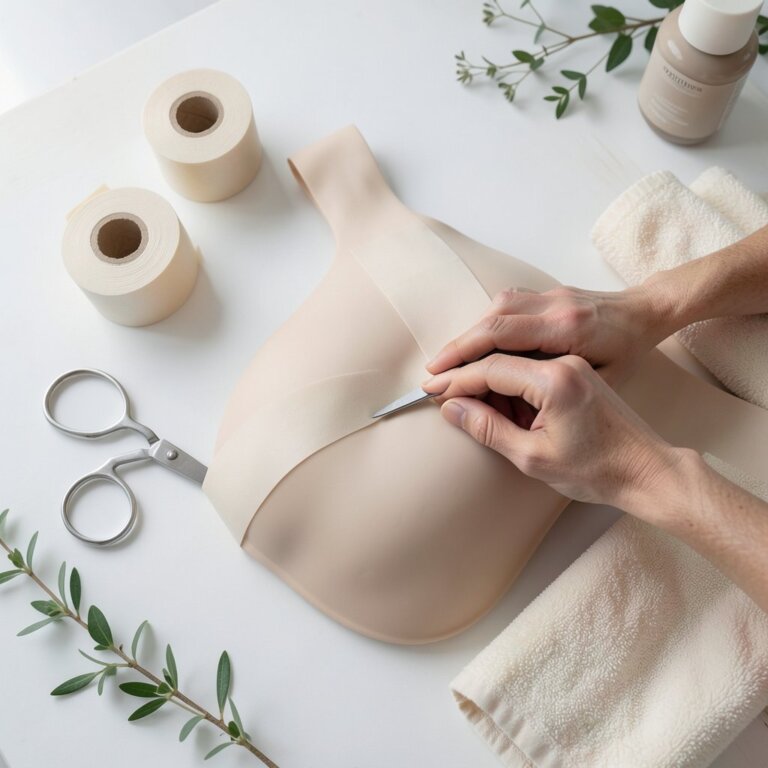
Tutorial: Safe Kinesio Taping Protocols to Support Early Scar Mobility
Guide: Building an Immediate Abdominal Rehab Blueprint for Postoperative Recovery