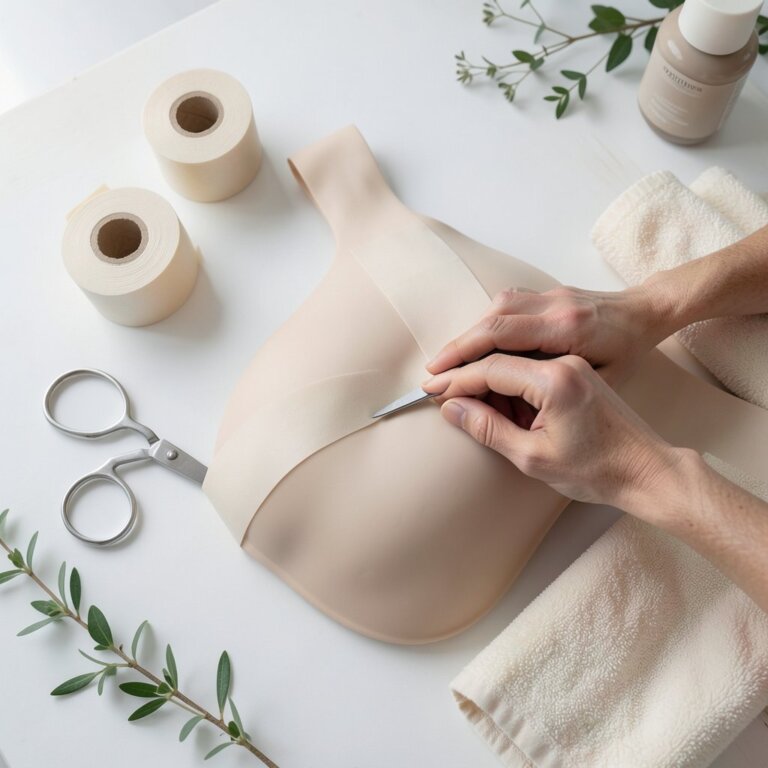

Fibrosis Prevention in Immediate Abdominal Rehab is a central concept for anyone navigating the early recovery window after an abdominal procedure.
In this guide, you’ll find practical, human-centered strategies that integrate gentle lymph drainage and informed kinesio taping to support tissue remodeling and comfort.
This article speaks to patients, caregivers, and individuals planning upcoming procedures who want an actionable, science-informed roadmap without overwhelming jargon.
Below, I’ll break down what to expect, how to personalize techniques, and how to collaborate with your healthcare team for a balanced, compassionate recovery journey.
Fibrosis Prevention in Immediate Abdominal Rehab: Core Concepts for Recovery
The first step in Fibrosis Prevention in Immediate Abdominal Rehab is understanding how tissues respond after an abdominal procedure.
Inflammation, edema, and scar formation are natural parts of healing, but too much of any of these can lead to stiff scar tissue and limited movement.
By focusing on tissue remodeling, gentle movement, and light drainage, you can influence how the body lays down collagen and aligns fibers over time.
This is a practical, human-centered approach, designed to feel manageable in the weeks after an abdominal procedure.
What fibrosis is and how it forms in the abdominal area
Fibrosis refers to the buildup of dense, cross-linked collagen as tissues heal.
In the abdomen, this can limit tissue sliding and impact core stability. Scar tissue mobility, edema, and internal adhesions are all part of a spectrum that can influence daily comfort and function.
Recognizing these patterns helps you anticipate needs and plan gentle interventions.
This section emphasizes practical cues you can notice, such as a feeling of tension around the incision area or reduced abdominal wall flexibility.
To support a balanced remodeling process, consider integrating gentle lymph drainage techniques and light, controlled movements into your daily routine.
These steps are designed to be personable and approachable, not overwhelming, and can be adjusted according to how you feel each day.
Why early lymph drainage and controlled mobility matter
Early, cautious lymph drainage can help reduce swelling and support comfortable tissue movement.
When paired with mindful breathing and safe, progressive mobility, these practices may contribute to scar mobility and improved tissue tolerance.
You’ll benefit from focusing on edema reduction and core stability without stressing tender areas.
This is not about rapid change; it’s about steady, patient-friendly progress.
What role kinesio taping can play
Kinesio taping is a lightweight method that can gently assist lymph flow and support the abdominal wall during movement.
When applied thoughtfully by trained practitioners, it can help minimize discomfort and improve confidence in daily tasks.
In this guide, you’ll discover how to tailor tape patterns to your exact needs, ensuring you stay within a comfortable range of motion while supporting tissue remodeling. Safety considerations and skin health are emphasized to keep the experience comfortable and effective.
- Point 1: edema management through temporary, breathable taping patterns
- Point 2: tissue alignment support to ease rolling and twisting motions
- Point 3: skin health monitoring to prevent irritation
Lymph Drainage Techniques: Gentle Methods for Abdominal Procedures
Gentle lymph drainage is a cornerstone of the recovery approach described in Fibrosis Prevention in Immediate Abdominal Rehab.
In Massachusetts clinics and wellness spaces, therapists emphasize light touch, rhythm, and patient feedback to guide sessions.
The goal is to support natural drainage pathways, reduce stored fluid, and promote a sense of ongoing relief as you regain comfort and mobility.
Manual lymph drainage basics
Manual lymph drainage involves light, directional strokes that follow lymphatic pathways toward auxiliary nodes or regional collection zones.
The emphasis is on tiny pressure, smooth movements, and a calm rhythm.
This approach can help reduce swelling in the abdominal region, potentially supporting scar tissue remodeling and improved tissue tolerance over time.
How to begin: start with short sessions, focusing on breath, gentle pressure, and careful attention to any sensitivity.
If something feels off, pause and reassess with your care team.
Consistency matters more than intensity in the early weeks.
Self-care routines you can do at home
Home routines complement in-clinic work and empower you to participate actively in your recovery.
Simple, daily practices include light diaphragmatic breathing, gentle rib cage movements, and very light, sweeping strokes along the abdomen in a direction that encourages drainage.
Keep sessions brief and comfortable—quality over quantity.
These routines support tissue remodeling and can promote a gentle reduction in edema and stiffness.
Tip: use a soft, clean surface and a comfortable stance.
If you notice redness or a rash, pause and consult a professional to adjust technique, pressure, or timing.
Safety considerations and when to pause
Safety is a core priority for any post-procedure plan.
If you experience sharp pain, unusual swelling, or fever-like symptoms, stop and contact your care team.
Gentle lymph drainage should always respect your comfort levels and incision integrity.
If you have concerns about scar mobility or persistent edema, seek guidance to adjust pressure, duration, or frequency of sessions.
- Checklist: daily check-ins for tenderness, swelling, color, and warmth
- Guideline: slower pace if you have low tolerance for activation around the abdomen
- Reminder: coordination with your healthcare team ensures your plan remains aligned with your overall recovery
Kinesio Taping Protocols: Tailoring to Different abdominal procedures
Kinesio taping is introduced as a supportive element within Fibrosis Prevention in Immediate Abdominal Rehab.
The taping approach is designed to align with how your body heals, providing light support without restricting movement.
When applied thoughtfully, tape can assist in guiding lymph flow, reducing localized tension, and supporting skin and subcutaneous tissues through early recovery phases.
Fundamentals of kinesio tape placement
Key principles for tape placement include spacing over natural muscle lines, ensuring clean skin, and using soft traction to avoid excessive pull at sensitive areas.
The goal is to offer a perceptible sense of support while preserving natural movement.
Good placement emphasizes edema reduction, comfortable support, and skin-friendly materials.
In practice, practitioners tailor tape width, direction, and tension to the type of abdominal procedure and the individual healing pattern.
Remember: tape is a supportive tool, not a replacement for prescribed medical care or professional supervision.
Different tape patterns for edema vs fibrosis
For edema-prone recovery phases, fans and cross patterns can help channel lymph toward drainage zones with light to moderate tension.
For areas showing early scar tissue formation, lighter, retracing patterns can encourage skin glide and reduce pulled sensation during movement.
Throughout, maintain skin health and avoid overlapping taped areas that could irritate the skin.
Note the importance of skin checks after sessions.
If irritation occurs, remove tape and consult a clinician to re-evaluate placement, adhesive choice, or duration of wear.
Care and skin health during taped recovery
Skin health is central to successful taping.
Clean, dry skin before application, and avoid applying tape over moist or irritated skin.
Allow the skin to breathe between applications, and limit wear to the recommended duration provided by your clinician.
Consider periodic skin assessments to ensure ongoing comfort and support for scar mobility and surrounding tissue.
- Tip: keep a simple log of taping days, patterns, and any sensations to guide future sessions
- Tip: pair taping with gentle, daily movement to reinforce tissue glide
- Tip: use hypoallergenic tapes if you have sensitive skin
Personalizing Protocols: Factors That Influence Fibrosis Prevention
Every recovery journey is unique.
The best approach blends evidence, clinician expertise, and your personal experience.
In this section, you’ll learn how to align protocols with your specific abdominal procedure details, physical condition, and daily life.
The goal is to create a practical, compassionate plan that respects your pace and promotes ongoing comfort.
Procedure type and incision pattern
Different incision placements and lengths influence how tissues move and heal.
Knowledge of incision orientation helps guide where lymph drainage and taping patterns should be emphasized.
A personalized plan considers scar tissue formation risk areas and focuses on gradual expansion of movement to prevent stiffness.
Discuss your incision geometry with a clinician to tailor patterns and pressure in a way that aligns with your healing trajectory.
This collaboration supports tissue remodeling without overstressing the area.
Body habitus and scar mobility
Your body composition and how your tissues move in daily activities impact fibrosis risk.
Individuals with higher body mass index or belly wall mobility differences may require adjustments in techniques, timing, and intensity.
The emphasis remains on gradual progression and comfort, with attention to scar mobility and tissue adherence.
Consider integrating gentle mobility exercises that focus on core activation, diaphragmatic breathing, and safe trunk movements to support tissue glide and reduce stiffness over time.
Activity level and breathing patterns
Activity decisions, sleep posture, and breathing mechanics all influence healing rhythms.
Optimizing core stability through light, controlled movements can help maintain movement quality while protecting delicate tissues.
Breathing techniques that promote calm, steady exhalations can indirectly support drainage and tissue alignment.
- Suggestion: map your daily activities and mark which movements trigger tension in the abdomen
- Suggestion: pair breathing work with movement to reinforce tissue resilience
- Suggestion: check in with your clinician if you notice persistent tightness or uneven movement
Practical Implementation: A 4-Week Progressive Plan
In this section, you’ll find a practical, week-by-week framework to guide your practice.
Each week builds on the previous one, emphasizing Fibrosis Prevention in Immediate Abdominal Rehab concepts while remaining adaptable to your unique healing timeline.
The plan uses a gentle pace that respects your body and supports ongoing comfort.
Week 1: Gentle lymph drainage and breathwork
Week 1 focuses on introducing light lymph drainage and breathing skills.
Begin with short sessions daily, pairing edema reduction techniques with diaphragmatic breathing to promote calm and tissue tolerance.
Small, careful movements encourage scar tissue remodeling without overloading the abdomen.
Example daily routine (10–15 minutes):
– Gentle manual drainage strokes around the lower chest and upper abdomen
– Slow diaphragmatic breathing to promote stable core engagement
– Very light, seated torso twists to ease stiffness without stressing incisions
Week 2: Tape integration and light mobility
In Week 2, you’ll refine kinesio tape patterns and introduce light mobility.
Tape can provide subtle support for drainage pathways and skin glide, while gentle mobility helps prevent adhesions and stiffness.
Maintain a focus on scar mobility and tissue tolerance as you progress.
Example daily routine (15–20 minutes):
– Tape application guided by clinician, with daily skin checks
– Gentle abdominal wall activation with a focus on controlled exhalations
– Short walks to encourage circulation and movement without strain
Week 3: Increased activity and edema management
Week 3 introduces modest increases in activity.
Continue drainage work, expand movement range gradually, and monitor any changes in swelling or discomfort.
The aim is to strengthen core stability and improve overall tissue mobility while staying within safe limits.
Example daily routine (20–25 minutes):
– Revised lymph drainage sequence with longer but still gentle strokes
– Core-friendly mobility: pelvic tilts, seated leg slides, and light standing marches
– Skin checks and moisture management for taped areas
Week 4: Self-monitoring and ongoing care
Week 4 focuses on establishing a sustainable routine.
You’ll refine self-monitoring skills, decide which elements to continue, and plan ongoing support with your wellness team as needed.
The emphasis remains on scar tissue management, tissue glide, and comfortable daily function.
Example daily routine (20–30 minutes):
– Combination of manual drainage, light mobility, and tape-driven support as indicated
– Breathing and stability work to support ongoing core health
– Documentation of sensations, mobility changes, and any concerns to share with your clinician
- Tip: keep a simple log of days, activities, and sensations to identify patterns
- Tip: pace your progression—if you feel fatigued, scale back and rest
- Tip: ensure proper skin care for taped areas to prevent irritation
Measuring Progress and When to Seek Guidance
Progress is a personal signal, not a single metric.
In Fibrosis Prevention in Immediate Abdominal Rehab, you’ll look for improvements in comfort, ease of movement, and scar mobility rather than chasing a specific number.
Regular check-ins with your healthcare team help keep your plan aligned with your overall healing trajectory.
Signs that progress is on track
Look for reduced swelling, smoother abdominal wall movement, and fewer episodes of sharp or lingering tightness.
Increased tolerance for day-to-day tasks, improved posture during daily activities, and the ability to perform simple bending or twisting with less effort can all be positive indicators.
Emphasize tissue remodeling and gradual improvement in scar mobility as your key signals.
Red flags and safe practice
While gentle approaches are empowering, certain signals warrant care team guidance.
If you notice persistent redness, warmth, fever, escalating pain, or incisional drainage, pause and reach out to a professional.
Safe practice requires listening to your body and prioritizing comfort, not pushing through significant discomfort.
When to coordinate with your healthcare team
Coordinating with your team ensures your plan aligns with your broader health goals.
Share updates about edema, mobility, skin changes, and your response to taping.
Coordinated care supports a balanced recovery trajectory and helps refine the protocol to your evolving needs.
This collaborative approach reinforces scar mobility and tissue resilience over time.
- Checklist: daily symptom log, movement comfort scale, and tape wear duration
- Checklist: incision area observation, skin health, and any tenderness
- Checklist: periodic review with your well-being team to adjust the plan
Choosing a Trusted Wellness Partner in Massachusetts
When seeking support for postoperative recovery, the choice of partner matters.
Best & Beyond Spa brings a holistic, evidence-informed approach to massage and wellness services in Massachusetts.
Our emphasis on clean, vegan, botanical products, combined with clinically informed techniques, supports a calm, restorative environment.
Our team blends hands-on expertise with compassionate care to guide you through a respectful, individualized path toward improved comfort and daily function.
What to look for in a post-procedure rehab partner
Seek a provider who emphasizes high-quality practices, patient education, and a focus on scar mobility and edema management.
An experienced team will offer clear explanations, flexible scheduling, and a safe space to explore lymph drainage and taping within your comfort zone.
Ask about skin health, safety protocols, and how they tailor plans to your unique needs.
Our approach in Massachusetts: EEAT in action
Born in Brazil and rooted in the wellness industry, our founder brings clinical insight and a passion for healing to Best & Beyond Spa.
The team combines a holistic mindset with practical techniques for improving tissue feel and daily function.
We emphasize authentic care, patient-centered education, and a commitment to non-invasive, comfort-driven practices that support long-term wellness.
In our Massachusetts practice, we honor your pace, respect your body, and tailor each session to maximize comfort and meaningful progress.
- Local presence: trusted, top-rated spa services in MA
- Expert team: licensed professionals with a focus on restorative wellness
- Community: bilingual English-Portuguese support and culturally sensitive care
Strategic Next Steps
To begin Fibrosis Prevention in Immediate Abdominal Rehab in a practical, human way, consider booking an initial assessment with a clinician who specializes in gentle lymph drainage and taping techniques.
Bring a simple list of daily activities, any areas of persistent tightness, and your comfort goals.
Together, you’ll shape a plan that respects your timeline and supports steady, meaningful progress.
If you’re in Massachusetts, you can explore our approach at Best & Beyond Spa, where compassionate care and evidence-informed wellness come together to help you feel your best in your recovery journey.
Ready to start? Reach out to your trusted wellness partner to discuss how a personalized plan could fit into your healing pathway.
Your comfort, safety, and progress matter—and the right guidance can make a meaningful difference in how you move, breathe, and live each day.
Frequently Asked Questions
What is fibrosis and why is it a concern in the immediate abdominal rehab period?
Fibrosis is the excessive, cross-linked scar tissue that can limit tissue sliding and movement. In the immediate abdominal rehab window, preventing fibrosis helps maintain core flexibility and reduces long-term discomfort. This approach emphasizes tissue remodeling with gentle loading and controlled healing.”
How does lymph drainage contribute to fibrosis prevention after abdominal surgery?
Gentle lymph drainage helps reduce edema and supports orderly tissue remodeling after surgery. By controlling swelling, you lower the risk of dense scar tissue forming and stiffening the abdominal wall. This technique is a key part of fibrosis prevention in immediate abdominal rehab.
What role does kinesio taping play in recovery and fibrosis prevention for abdominal procedures?
Kinesio taping can support delicate tissues around the incision, reduce excessive tension, and promote more controlled movement. It may also assist lymph drainage by subtly lifting the skin and improving microcirculation. When used correctly, taping is part of fibrosis prevention in immediate abdominal rehab.
How should I personalize lymph drainage and taping for different abdominal surgeries (open vs. laparoscopic)?
Personalization depends on incision location, tissue involvement, and your comfort level. For open versus laparoscopic approaches, clinicians may adjust tape placement and drainage intensity to avoid pulling healing tissue. Always follow your surgeon’s and therapist’s guidance for customization.
What signs indicate adhesions or stiff scar tissue during early rehab?
Persistent tightness near the incision and reduced abdominal wall flexibility are common signs. Pain with gentle trunk movement can also point to developing adhesions or stiff scar tissue. Monitoring these cues helps tailor the fibrosis prevention plan.
How can I collaborate with my healthcare team to optimize fibrosis prevention in early rehab?
Maintain open communication about pain, swelling, and progress with your healthcare team. Work with a physical therapist to tailor lymph drainage and taping to your healing stage. They can guide progression and monitor for safety concerns.
Are there safe exercises or movements that support fibrosis prevention without risking complications?
Yes: gentle diaphragmatic breathing, pelvic tilts, and light walking are commonly recommended, progressing only as tolerated and instructed. Avoid strenuous core exercise or heavy lifting until cleared by your clinician to prevent strain on the incision.
What precautions should I take when using lymph drainage or kinesio taping in the immediate postoperative period?
Seek clearance from your surgeon before starting, and avoid applying tape over irritated or infected skin. Watch for skin irritation, itching, or changes in tape color, and discontinue if you notice worsening pain, fever, or drainage.

At Best and Beyond Spa, Day and Davilla are dedicated professionals passionate about wellness and beauty. With expertise in spa day treatments, couples massages, and senior wellness, they provide high-quality, personalized care in a relaxing environment. Their mission is to help clients feel rejuvenated, refreshed, and truly cared for.
Related Posts

Guide: Fibrosis Prevention Strategies Across Immediate Abdominal Rehab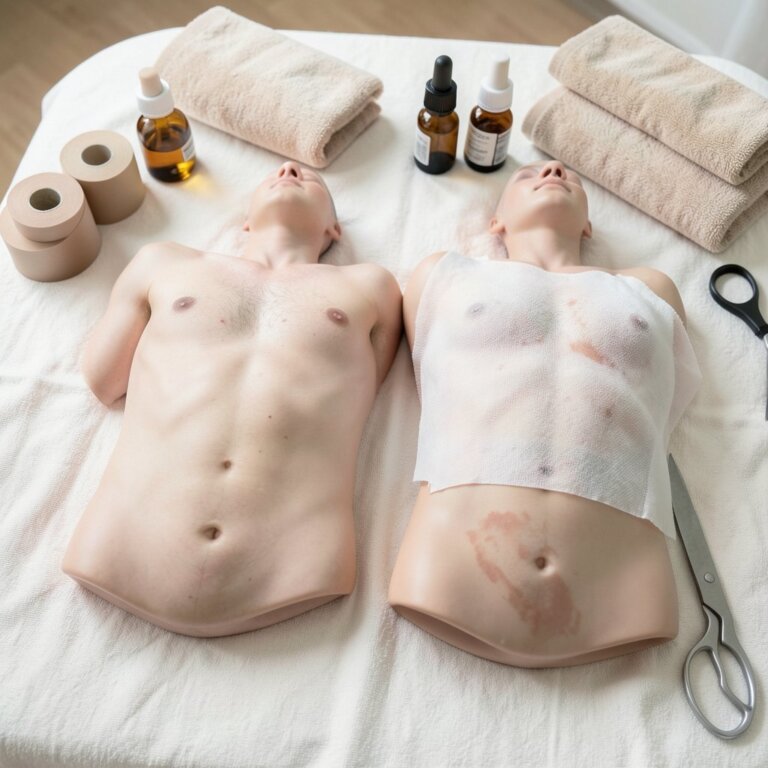
Comparative: Lymph Drainage with Kinesio Taping versus Lymph Drainage Alone for Early Abdominal Scar Mobility