In this guide, we explore Lymph Drainage and Tissue Mobility and how gentle approaches can support comfortable early recovery after a medical procedure.
This article is designed for individuals who recently underwent a medical intervention or anticipate one, and for caregivers or professionals who support their recovery.
The focus is on practical concepts, not medical directives, with emphasis on safety and comfort.
We will present a quick-reference of positions and movements that emphasize tissue mobility, lymphatic flow, and the body’s natural capacity to restore balance.
Throughout, you will find clear steps, checkpoints, and practical tips you can discuss with your healthcare provider or a trusted wellness practitioner.
Our aim is to equip you with information that supports calm, confident participation in your recovery journey, while emphasizing respect for your body’s signals.
This content aligns with Best & Beyond Spa’s commitment to gentle, botanical, and client-centered care in Massachusetts.
The information here is not medical guidance; it is a framework to inform conversations with your clinician and a reference for safe, mindful self-care.
Understanding Lymph Drainage and Tissue Mobility in Early Recovery
What this means for comfort and daily well-being
When we talk about Lymph Drainage and Tissue Mobility, the goal is to support natural movement of fluids and the pliability of tissues with gentle touch and mindful positioning.
In the early recovery window, small, consistent movements can help reduce heaviness and improve overall comfort.
This section presents practical concepts rather than prescriptive medical steps, emphasizing listening to your body and communicating with a professional when anything feels off.
Key ideas to keep in mind include the relationship between microcirculation and interstitial fluid, and how improving regional movement may influence edema balance and tissue texture.
Recent industry reviews highlight that the body’s lymphatic pathways respond to careful manual cues, which can contribute to a sense of ease and mobility.
While every recovery journey is unique, understanding these principles helps you approach daily routines with confidence and care.
Biological rationale: how movement and fluid flow relate to tissue mobility
Healthy lymphatic function supports the flushing of metabolic byproducts and helps maintain tissue pliability.
The concept of tissue mobility refers to how the connective scaffolding—fascia and surrounding structures—responds to gentle, non-invasive cues over time.
In the context of a recent medical intervention, avoiding abrupt forces while encouraging light, soothing movements can support comfortable progression.
Data from recent reviews and expert panels (2024–2026) suggest that gradual, body-aware approaches may align with the body’s natural healing rhythms, especially when paired with deep breathing and calm rhythms.
These insights are consistent with spa-based practices that prioritize non-invasive techniques, botanical products, and client comfort in Massachusetts.
Evidence snapshot and practical takeaways
Studies and expert summaries from 2024–2026 emphasize that cautious lymph-related techniques can be associated with improved subjective comfort and perceived mobility when performed by trained practitioners and with patient consent.
While the focus here is on concepts and safe practice, you should always discuss any concerns with your clinician or wellness professional.
- Focus on gentle pressure and light contact to support lymph movement without overstimulation.
- Incorporate breath-synchronized movements to align with natural rhythms.
- Monitor for any signs of discomfort and pause if needed, reassessing with your care team.
Position Guidelines That Respect Your Body
Positioning principle #1: Upright comfort with supportive contact
Starting with upright but relaxed postures can help maintain a sense of ease while the body accommodates gentle shifts in fluid dynamics.
Use a supportive chair or sofa with cushions at the back and seat to minimize strain.
This setup helps maintain body alignment and encourages gradual tissue mobility without excessive effort.
Key points to apply daily include maintaining even weight distribution, breathing calmly, and ensuring that shoulders, neck, and pelvis stay balanced.
This approach emphasizes ergonomic support and soft, even contact across interfaces where tissue responsiveness is felt most.
- Keep your feet flat and hip-width apart to support balanced posture.
- Use light touch or resting objects to avoid gripping or tensing muscles.
- Check in with your body every few minutes; adjust as needed.
Positioning principle #2: Gentle trunk and ribcage movements
Light spinal mobility and ribcage expansion can assist natural lymphatic flow in the upper torso and chest areas.
When performed slowly, these movements promote diaphragmatic breathing and can help release stagnation without provoking discomfort.
In practice, think of soft side-to-side twists and small, slow torso rotations that you perform with awareness and respect for your current range of motion.
Always prioritize comfort over range and honor any restriction you feel.
- Limit range to what is comfortable; stop before you feel strain.
- Coordinate movements with breath: inhale to lengthen, exhale to release.
- Pair with light torso massage techniques if guided by a trained practitioner.
Positioning principle #3: Safe limb positioning for circulation balance
In the limbs, maintaining a relaxed posture and using gentle elevation can support healthy fluid dynamics.
This is especially relevant for areas that feel heavier or swollen.
The emphasis is on subtle positioning rather than deep pressure, ensuring continued comfort.
Practical tips include elevating the affected limb when resting, avoiding prolonged standing without movement, and using light, supportive wraps or cushions to maintain a comfortable angle.
- Elevate the limb to heart level when feasible for short intervals.
- Avoid squeezing or compressive grips that can impede natural flow.
- Take short, frequent breaks to move gently and reset.
Safety Signals: When to Pause and Seek Guidance
Recognizing red flags and safe responses
Safety comes first.
If you notice sharp pain, new or worsening swelling, redness, warmth, or a feverish feeling, pause the activity and consult a clinician or trusted wellness professional.
These signals may indicate that reassessment is needed, and a professional can tailor recommendations to your specific context.
During any self-guided practice, maintain a cautious approach.
If a movement brings discomfort or a sense of heaviness that does not gradually ease with rest, stop and seek guidance.
This approach aligns with responsible self-care and supports a mindful recovery experience in a calm environment.
- Pain intensity that changes with position should be evaluated by a clinician.
- Persistent swelling in a localized area warrants assessment before continuing any routine.
- New warmth or redness may suggest an inflammatory response; pause activity and seek advice.
When to pause and who to contact
If you are unsure about a particular position or technique, stop immediately and reach out to a professional who specializes in gentle touch therapies and tissue mobility concepts.
Your spa or healthcare team can help tailor recommendations to your current health status and recovery goals.
Communicating openly about what you feel, what you can do, and what you want to work toward is essential.
This practice supports a collaborative, person-centered approach to your well-being.
- Prepare a brief daily log of sensations, movements attempted, and comfort levels.
- Note any changes in tissue texture or limb fullness and share with your care provider.
- Ask questions about safe progressions that fit your day-to-day routine.
Daily Routines to Integrate Lymph Drainage and Tissue Mobility
Routine framework: consistency with gentleness
Consistency is the foundation of progress when exploring Lymph Drainage and Tissue Mobility.
A simple daily framework can help you maintain a gentle cadence that respects your current tolerance and supports tissue resilience.
The goal is to make small, meaningful steps that fit into your day, with a focus on comfort and calm.
Consider pairing mindful breathing with light, non-invasive movements to encourage a balanced flow of fluids and a sense of calm awareness.
When done regularly, this approach may contribute to improved tissue mobility and a more comfortable daily experience.
- Morning breath-work paired with 2–3 minutes of light arm and shoulder circles.
- Midday gentle trunk twists or seated side bends for 1–2 minutes.
- Evening relaxation with slow, full-body breathing and soft, non-invasive touch on key areas.
Incorporating botanical topical care and comfort measures
Best & Beyond Spa emphasizes clean, vegan, botanical products that support a soothing atmosphere for recovery-oriented routines.
When selecting products, look for ingredients that promote gentle sensation and skin comfort, avoiding anything that might irritate sensitive tissue.
Practical tips include applying a light, fragrance-free lotion after movements to support skin glide and comfort, and using quiet, low-stimulation environments to reinforce the overall sense of safety and ease.
- Choose fragrance-free, hypoallergenic moisturizers.
- Maintain a calm, distraction-free space during practice.
- Incorporate soft music or nature sounds to enhance relaxation.
Real-World Insights: Expert Perspectives from Best & Beyond Spa
Meet the team: experience that informs thoughtful care
Our lead therapist, with a background in physiotherapy and advanced aesthetics, blends clinical insight with a holistic philosophy.
The practice emphasizes therapeutic body care, aesthetic skin support, and a gentle touch approach designed to nurture tissue mobility and overall well-being.
This perspective reflects a commitment to careful, client-centered care in Massachusetts.
What makes this approach distinctive is combining clinical sensitivity with a tranquil, botanically inspired environment.
The goal is to help you feel at ease, supported, and understood as you navigate your recovery journey.
- Experience with therapeutic body treatments and facial rejuvenation.
- Specialty in relaxation-focused massage and tissue work.
- Holistic care that respects individual recovery timelines.
Case-in-point: practical applications in a spa setting
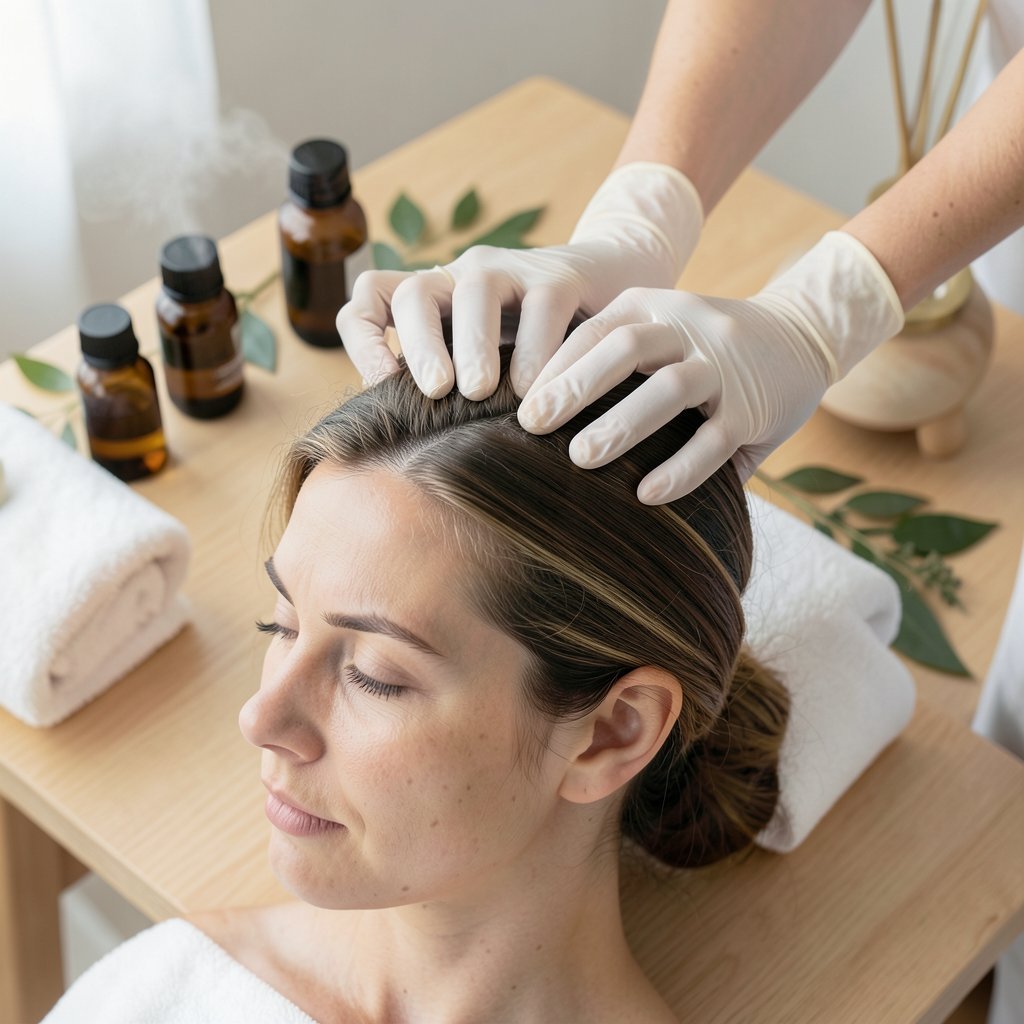
Imagine a routine where a trained practitioner uses soft, deliberate touches to encourage fluid movement while you focus on breathing.
In our Woburn, MA environment, clients report a greater sense of tissue pliability and calmer sensations after sessions that emphasize mobility and fluid balance.
This aligns with a philosophy that values gradual progress, safety, and client empowerment.
These experiences are grounded in a philosophy of care that prioritizes non-invasive methods and natural, botanical products to support a comfortable recovery experience.
- Anecdotal evidence from clients highlights increased comfort after a session focused on lymph-oriented movements.
- Practitioner observations note improved tissue texture following a mindful routine combined with botanical products.
- Consistent, short sessions are favored to help you stay within your comfort zone.
Next Steps: How to Connect with Our Massachusetts Team
What to expect from a guided session
In our Massachusetts studio, sessions begin with a warm, listening conversation about your preferences, comfort level, and any past experiences with movement or touch.
The focus is on gentle touch, tissue mobility, and lymphatic balance, delivered in a peaceful, plant-forward environment.
From there, a practitioner will tailor a light-touch sequence designed to support your current stage of recovery, with attention to your breathing, posture, and feedback.
The aim is to nurture a sense of safety, calm, and confidence as you engage with the routine.
- Discuss comfort, goals, and any concerns with a trained wellness professional.
- Share feedback after each session to refine future steps.
- Explore complementary spa experiences that align with your wellness preferences.
How to schedule and what to ask
To begin a conversation with Best & Beyond Spa about incorporating Lymph Drainage and Tissue Mobility concepts into a gentle routine, consider contacting our team in Massachusetts.
You can ask about the gentle, botanical options we offer, the types of touch we prioritize, and how to tailor sessions to your daily life.
During your inquiry, you might request information about the practitioner’s approach to safe, non-invasive techniques and how sessions can be integrated with your existing recovery plan.
The goal is to create a collaborative experience that respects your pace and comfort.
- Ask about the practitioner’s experience with lymph-focused routines.
- Inquire about any botanically based products used in sessions.
- Share your daily routine and ask for practical adaptations.
Practical Takeaways for 2026 and Beyond
As we move through 2026, the emphasis on gentle, evidence-informed, client-centered practices continues to shape wellness approaches in spa settings.
The concepts of Lymph Drainage and Tissue Mobility remain central to discussions about comfortable, respectful recovery experiences.
We encourage ongoing conversations with your clinician and trusted wellness partner to tailor a plan that aligns with your comfort, goals, and lifestyle.
In Massachusetts, Best & Beyond Spa remains dedicated to a calm, expert-driven environment that respects each person’s unique journey.
By integrating evidence-informed principles with a compassionate touch, we aim to support you in feeling your best—today and in the days to come.
To explore how our team can support your comfort and mobility, consider scheduling a private consultation or a gentle session designed around your preferences and recovery timeline.
Your well-being deserves thoughtful care, and we’re here to help you move forward with confidence.
Frequently Asked Questions
What is lymph drainage and tissue mobility in the context of early postoperative recovery?
Lymph drainage involves gentle touch to encourage fluid movement in the lymphatic system, while tissue mobility focuses on softening tissue through light, mindful positioning. In the early postoperative period, these ideas aim to support comfort, balance, and a smoother recovery, without replacing medical care. Always discuss any technique with your clinician before trying it yourself.
How can I safely use the quick-reference positions for lymph drainage after surgery at home?
Start with very gentle, small movements and stop if you feel pain, dizziness, or unusual swelling. Use only the positions outlined in your guide, and proceed at a pace that matches your body’s signals. If you have any concerns, discuss with your healthcare provider before practicing at home.
Are there risks or warning signs to watch for when practicing gentle lymph drainage and tissue mobility post-op?
Yes. Stop immediately if there is increasing pain, redness, warmth, swelling that worsens, fever, or new drainage from the surgical area. Do not push through discomfort, and contact your clinician if any of these symptoms occur. This guidance is for general safety and should be discussed with your medical team.
How might lymph drainage and tissue mobility affect edema and overall comfort after surgery?
Gentle lymph movement can help balance fluid in the treated region and support tissue pliability, which may reduce heaviness and improve comfort over time. The degree of improvement varies by individual and procedure. Always align these practices with your clinician’s guidance.
Should family members or caregivers help with these techniques?
Caregivers can assist with positioning and light touch, but they should be trained and gentle, following the patient’s cues. Always obtain consent and avoid applying pressure beyond what the patient tolerates. Coordinate with the care team to ensure safety.
Can these practices be combined with other post-op care routines or therapies?
Yes, when approved by your healthcare provider, you can weave gentle lymph drainage and tissue mobility into your overall recovery plan. Avoid overlapping therapies that may irritate healing tissue, and monitor your body’s responses. Keep open communication with your clinician about any combined routines.
How often and for how long should I perform these techniques during the early recovery window?
Aim for small, consistent sessions daily, as tolerated. Start with a few minutes and gradually adjust to longer durations if you feel comfortable. Always listen to your body and stop if you notice increased discomfort.
What should I discuss with my healthcare provider before starting these lymph drainage practices?
Talk about your current healing status, medications, and any contraindications specific to your procedure. Share any symptoms or concerns you’ve noticed, and ask which positions or pressures are safe for you. This ensures your recovery plan is aligned with your clinician’s guidance.
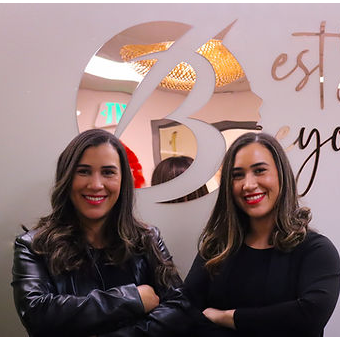
At Best and Beyond Spa, Day and Davilla are dedicated professionals passionate about wellness and beauty. With expertise in spa day treatments, couples massages, and senior wellness, they provide high-quality, personalized care in a relaxing environment. Their mission is to help clients feel rejuvenated, refreshed, and truly cared for.
Related Posts
Guide: Tailoring Lymph Drainage Plans to Different Procedures
Immediate Abdominal Rehab: Essential Moves for Early Recovery