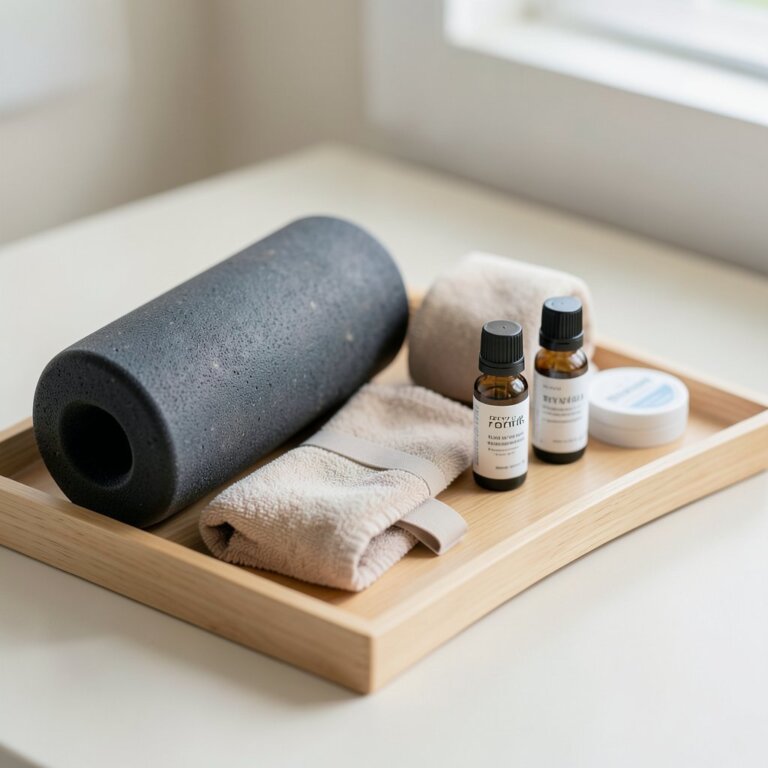

Comparative: Immediate Rehab Protocols for Fibrosis Reduction vs Standard Postoperative Care
Fibrosis Prevention and Abdominal Mobility are foundational goals in the weeks following a procedure, shaping comfort, function, and confidence as you return to daily activities.
In this guide, we compare immediate rehab protocols aimed at reducing fibrosis with standard post-procedure care, drawing on clinical experience from Best & Beyond Spa in Massachusetts and integrating gentle movement, breathwork, and mindful fascia work that respects your body’s healing rhythm.
Fibrosis Prevention and Abdominal Mobility in Immediate Rehab: A Comparative Overview
Understanding the two pathways helps you choose a plan that emphasizes early movement, scar tissue remodeling, and core stability while remaining mindful of your body’s limits.
This overview also reflects our philosophy at Best & Beyond Spa in Woburn, MA, where licensed therapists blend massage expertise with movement strategies designed for post-procedure comfort and long-term mobility.
What immediate rehab focuses on
The immediate approach prioritizes gentle, guided activities that stimulate tissue remodeling without triggering excessive inflammation.
Practitioners emphasize safe ranges of motion, diaphragmatic breathing, and proprioceptive cues that help you reconnect with your abdomen and pelvis.
In practice, this means micro-messions, light mobility flows, and personalized cues that support abdominal mobility without overstressing tissues.
At Best & Beyond Spa, our team integrates breathwork, gentle stretching, and fascia-informed techniques to support a balanced recovery.
This approach aligns with a growing consensus in the wellness community that early, controlled activity can complement rest, helping to reduce stiffness and promote healthier scar formation.
What standard post-procedure care tends to emphasize
Standard care often centers on rest, routine monitoring, and gradual reintroduction of activities after the initial healing phase.
While rest is important, too much inactivity may slow down mobility and lead to adhesions in the abdominal region.
At our Massachusetts spa, we advocate for a refined balance—progressive, supervised activity that respects your body’s signals while sustaining movement patterns that protect core function.
Key differences to note include the pace of progression, the degree of professional guidance, and the integration of targeted fascia work.
A structured plan can help you translate comfortable daily movements into durable improvements in abdominal mobility and overall wellness.
Immediate Rehab Protocols for Fibrosis Reduction: Practical Techniques
Immediate rehab protocols for fibrosis reduction center on practical, low-risk interventions that encourage tissue remodeling and mobility.
The aim is to minimize stiffness and enhance movement quality while honoring healing timelines.
In our Massachusetts practice, we pair these techniques with compassionate, expert guidance for a holistic recovery.
Gentle movement strategies
Begin with controlled, pain-free movements that promote range of motion in the abdomen and hips.
Simple sequences may include seated trunk twists, pelvic tilts, and short, guided walks that gradually increase duration.
The goal is to foster mobility without overloading tissues, creating a foundation for more dynamic work later in the plan.
Incorporate posture awareness and alignment cues during daily activities.
For example, when lifting or bending, engage the lower abdomen gently to support core stability and reduce compensatory strain.
This approach helps prevent adhesions and supports smoother tissue organization over time.
- Start with 5–7 minutes of movement per session, 2–3 times daily, gradually increasing as tolerated.
- Rotate through gentle mobility sequences that target the diaphragm, abdominal wall, and pelvic floor.
- Watch for sharp pain or increased swelling; back off and progress more slowly if needed.
Breathwork and diaphragm engagement
Breathwork is a cornerstone of fibrosis prevention and abdominal mobility.
Diaphragmatic breathing helps regulate the autonomic nervous system, supports gentle tissue perfusion, and fosters abdominal activation without strain.
Practicing slow, deep breaths that expand the lower ribs and abdomen can improve diaphragm function and reduce tension in the abdominal fascia.
Daily breath sessions of 5–10 minutes can be integrated with movement.
Pair inhalation with a soft, supported exhalation to encourage a calm, rhythmic pattern.
This combination supports scar management and a smoother progression toward functional mobility.
Scar management and tissue remodeling
Early scar care in an evidence-informed context focuses on gradual, non-irritating techniques that promote scar tissue remodeling without provoking inflammation.
Gentle massage, light tissue mobilization around the incision area, and silicone- or silicone-like guidance can help align collagen fibers and improve pliability.
While we avoid medical terminology here, the principle remains: promote balanced remodeling through controlled contact and movement that respects your healing rhythm.
In our Massachusetts studio, therapists tailor scar work to individual tolerance, using light touch and superficial strokes to encourage circulation and warmth in surrounding tissues.
The result is a more flexible abdominal region and a more symmetrical movement pattern as you continue your recovery journey.
Designing a Safe, Individualized Plan: When to Start and How to Progress
Every recovery path is unique.
A safe, individualized plan recognizes your pre-procedure conditioning, current tolerance, and personal goals.
At Best & Beyond Spa, we emphasize a collaborative approach, blending professional guidance with your feedback to optimize abdominal mobility and minimize fibrosis risk over time.
Assessing readiness and body signals
Before starting any new activity, assess basic readiness indicators such as comfort during gentle touch, ability to lie flat with neutral spine, and tolerance for light abdominal activation.
If any activity triggers sharp pain, a return to foundational breathing and gentle mobilization is advised.
Listening to your body is essential for safe progression and long-term gains in core stability.
Our therapists use a combination of observation, guided palpation, and movement cues to gauge readiness.
The emphasis is on communication and incremental loading rather than aggressive progression.
This approach helps support ongoing scar remodeling and reduces stagnation in the early weeks after your procedure.
Weekly progression milestones
A typical progression pathway weighs safety first while aiming to improve daily function.
For many clients, milestones evolve as follows: from foundational breathing and shallow activation to more integrated abdominal movement and gentle postural training.
This pacing aligns with the goal of Fibrosis Prevention and Abdominal Mobility throughout the rehab journey.
In practice, milestones might include increased tolerance to daily activities, improved upright posture, and reduced stiffness in the upper and lower abdomen.
A skilled practitioner can help you adjust the plan to match how your body responds, ensuring steady gains in the quality of movement and overall well-being.
Role of professional guidance
Professional supervision helps ensure that progress remains appropriate and safe.
In our Massachusetts clinic, you’ll work with practitioners who design individualized regimens that emphasize breathwork, fine-tuned mobility work, and respectful fascia techniques.
The guidance you receive supports confidence, consistency, and a sustainable path toward better abdominal function.
Standard Post-Procedure Care: What It Usually Includes and Limitations
Standard post-procedure care commonly covers rest periods, routine check-ins, and a staged return to activity.
While these elements are important, they may not always address the nuances of Fibrosis Prevention and Abdominal Mobility as proactively as a structured rehab plan can.
Our Massachusetts team offers a balanced approach that respects healing while encouraging movement as tolerated.
Rest, monitoring, and gradual reintroduction
Rest remains a critical component immediately after a procedure.
As tissues begin to heal, monitoring for swelling, warmth, and discomfort helps guide safe pacing.
When appropriate, light activity is reintroduced to maintain circulation and prevent stiffness.
The emphasis is on staying mindful of body signals and adapting plans to minimize friction in the abdominal region.
Gently resuming activities supports long-term mobility and reduces the risk of adhesions forming in and around the abdominal walls.
This approach aligns with a holistic wellness philosophy that prioritizes comfort, confidence, and functional ease in everyday life.
Gradual load progression
As you progress, gradual load progression becomes a key factor.
Rather than rapid escalation, therapists may guide you through a sequence of movements that gradually increase demand on the core and surrounding fascia.
The aim is to build durable mobility while keeping tissue sensitivity in check.
Structured, patient-centered progression supports a smoother transition back to normal routines, with attention to posture, breathing, and controlled activation.
This method helps preserve the gains you make through mindful rehab work and reduces the risk of flare-ups.
When to pause or seek additional guidance
Knowing when to pause is essential.
If you experience persistent or worsening pain, new swelling, feverish symptoms, or significant changes in skin color near the abdominal area, pause activity and seek professional evaluation.
Early input from a qualified practitioner helps prevent setbacks and keeps you moving toward your goals with safety and care.
Real-World Insights from Best & Beyond Spa: Case Scenarios and Outcomes
Real-world experiences from our Massachusetts clients illustrate how a thoughtful, human-centered rehab approach can support Fibrosis Prevention and Abdominal Mobility.
While each person’s journey is unique, the following anonymized scenarios highlight common themes—gentle onboarding, progressive activation, and a focus on core wellness.
Case A: Gentle onboarding for a delayed start
A client with a slower start due to post-procedure sensitivity benefited from a brief onboarding period focused on breathing, pelvic floor engagement, and light abdominal activation.
Over the first two weeks, sessions emphasized low-intensity movements and manual techniques that encouraged warmth and circulation around the midsection.
The result was improved comfort with daily tasks and a gradual return to more dynamic mobility.
Key takeaway: A patient-centered ramp-up can pave the way for durable improvements in abdominal mobility without triggering irritation.
This aligns with Fibrosis Prevention and Abdominal Mobility goals, reinforcing the value of personalized pacing and ongoing feedback.
Case B: Core activation and breathwork integration
In another scenario, integrating diaphragmatic breathing with gentle core activation helped enhance movement quality and reduce overall stiffness.
In sessions focused on the diaphragm and abdominal wall, the client reported better daytime comfort and easier alignment during routine tasks.
The combined approach supported tissue remodeling while maintaining a calm healing environment.
Practices included short breathwork intervals paired with light movements, followed by fascia-informed touch to support the surrounding tissues.
The combined effect contributed to more natural posture and improved abdominal function as weeks progressed.
Case C: Scar work and mobility expansion
For a client approaching the mid-recovery phase, scar management combined with progressive mobility work yielded noticeable improvements in tissue pliability and range of motion.
Therapists employed light scar-directed techniques around the abdomen to encourage orderly collagen alignment, paired with mobility sequences that promoted fluid movement through the trunk and hips.
The outcome demonstrated that thoughtful scar care, paired with controlled movement, can support ongoing Fibrosis Prevention and Abdominal Mobility while preserving comfort and safety throughout the recovery timeline.
Practical Roadmap: A 4-Week Plan to Kickstart Fibrosis Prevention and Abdominal Mobility
Below is a practical, beginner-friendly roadmap that can be adapted to your pace.
This plan emphasizes consistency, mindful movement, and gentle progression, staying true to the philosophy of Fibrosis Prevention and Abdominal Mobility.
Always coordinate with a trusted wellness professional for supervision and personalization.
Week 1: Foundation and breathing
Focus on breath control, gentle diaphragmatic activation, and foundational posture.
Short sessions of 5–7 minutes, 2–3 times daily, help establish a stable baseline.
Include seated or reclined positions to reduce load on the abdomen while training the body to engage the core safely.
- Practice diaphragmatic breathing with a calm exhale for 4–6 sets per session.
- Introduce gentle pelvic tilts and light torso rotations to reawaken abdominal awareness.
- Monitor responses; keep activities pain-free and non-irritating.
Week 2: Light mobility and tissue awareness
Gradually introduce mild mobility sequences and soft fascia-focused touch.
Aim to increase overall movement tolerance while maintaining comfort.
Emphasize the connection between breath, posture, and abdominal activation to support scar remodeling in a gentle way.
- Daily 8–12 minute sessions combining breathing with low-load movements.
- Gentle forehead-to-toe stretching variations to ease tension around the torso.
- Continue monitoring for any signs of irritation, adjusting intensity as needed.
Week 3: Core integration and functional tasks
Begin to integrate subtle functional tasks that mirror day-to-day activities.
Focus on core stability, pelvic alignment, and controlled movement through the trunk.
The emphasis remains on core stability and safe tissue loading to support ongoing Fibrosis Prevention and Abdominal Mobility gains.
- Short, purposeful movement sequences that simulate daily tasks (e.g., reaching, bending, lifting light objects with proper form).
- Progressive core activation with mindful precision rather than volume.
- Regular check-ins with a therapist to refine technique and pacing.
Week 4: Functional confidence and mobility integration
By week four, the goal is to blend mobility with function.
Continue breathwork, fascia-friendly movements, and posture work, while introducing slightly longer sessions if tolerated.
This stage supports durable improvements in abdominal mobility and a more fluid, comfortable everyday movement pattern.
- Increase daily activity duration modestly, keeping movements mindful and pain-free.
- Incorporate dynamic, low-intensity activities that promote spinal and core health.
- Establish a maintenance routine to sustain gains achieved during the plan.
Measuring Progress and Safety: How to Track Mobility and Tolerance
Tracking progress helps you stay motivated and informs necessary adjustments.
Our approach combines qualitative feedback with simple checks that you can perform at home or in the studio.
The goal is to maintain safety while advancing abdominal mobility and reducing stiffness associated with fibrosis risk.
Simple mobility checks
Periodically assess range of motion, ease of movement, and comfort during basic tasks.
Gentle forward reaches, side bends, and trunk rotations can serve as practical check-ins.
If motion becomes stiff or painful, pause and reassess with a professional.
Keep a simple log noting: date, activity, duration, and how you felt before and after.
This helps you and your therapist tailor the program over time and maintain a steady trajectory toward Fibrosis Prevention and Abdominal Mobility goals.
Self-assessment and body awareness
Develop a habit of noting how your body responds to each practice.
Notice changes in breathing ease, posture, and overall comfort in the abdomen.
This awareness supports ongoing progress while facilitating a safer, more informed path forward.
Guidance and when to seek in-person support
If you experience persistent discomfort, new swelling, or changes in skin color near the abdominal area, seek guidance from a qualified practitioner.
In-person assessment can clarify movement strategies, confirm safe progression, and help you stay aligned with Fibrosis Prevention and Abdominal Mobility aims.
Next Steps for Your Care at Best & Beyond Spa
At Best & Beyond Spa in Massachusetts, we tailor each plan to your needs, combining our massage and movement expertise with a compassionate, professional approach.
If you’re recovering from a procedure and want to focus on fibrosis prevention and abdominal mobility, our team can design a personalized program that respects your healing timeline while supporting sustainable, functional mobility.
Reach out to schedule a gentle assessment—our goal is to help you feel confident in every step of your recovery journey.
Whether you’re preparing for a procedure or finishing a healing phase, discover how a holistic rehab approach can complement your overall well-being.
Our team is here to guide you through practical, evidence-informed strategies that honor your body’s pace, promote safe tissue remodeling, and support ongoing abdominal movement in daily life.
For more insights on mindful movement, fascia-friendly techniques, and compassionate care rooted in Massachusetts wellness, consider exploring additional resources and scheduling a visit with our expert team.
American Massage Therapy Association and other wellness professionals emphasize balanced rehabilitation approaches that align with Fibrosis Prevention and Abdominal Mobility principles.
Ready to begin? Contact Best & Beyond Spa to set up a planning session, and let our experienced team guide you toward a smoother, more confident recovery journey.
Practical Next Steps Recap
To summarize, immediate rehab protocols for fibrosis reduction emphasize gentle movement, breathwork, and scar-friendly strategies that support abdominal mobility early in the recovery process.
Standard post-procedure care provides a solid foundation, but an integrated rehab plan—designed with your unique healing timeline—can enhance long-term function and comfort.
In Massachusetts, Best & Beyond Spa offers a patient-centered path that blends expert touch with practical movement strategies, always prioritizing your safety, comfort, and wellness.
As you consider the next steps, remember that consistency and listening to your body are the cornerstones of meaningful progress.
Our team is ready to tailor a plan that fits your life, helping you move with more ease and confidence each day.
Frequently Asked Questions
What is the main goal of immediate rehab protocols for fibrosis reduction?
The main goal is fibrosis prevention and improved abdominal mobility by limiting excessive scar tissue and guiding balanced tissue remodeling. This is achieved through gentle movement, breathwork, and fascia-focused techniques that align with your healing timeline. Early, controlled activity supports better long‑term comfort and function.
How does immediate rehab differ from standard postoperative care?
Immediate rehab emphasizes early, guided activity that stimulates tissue remodeling and abdominal mobility while avoiding excessive inflammation. Standard postoperative care typically centers on rest, routine monitoring, and a slower reintroduction of activities. The contrast is proactive movement versus longer rest alone.
What does fibrosis prevention involve after abdominal surgery?
Fibrosis prevention involves strategies to minimize scar tissue buildup and stiffness, supporting lasting abdominal mobility. Techniques include diaphragmatic breathing, micro-motions, and fascia-informed cues that respect the healing process. The goal is smoother scar remodeling and better core function.
What kinds of exercises are included in an immediate rehab plan?
Exercises include micro-motions, light mobility flows, diaphragmatic breathing, and gentle fascia work, all designed to remodel tissue with minimal stress. Movements are performed within safe ranges and tailored to your comfort and healing stage. The focus is on maintaining mobility without overloading tissues.
Are there risks or contraindications to starting immediate rehab early?
Starting too soon or proceeding without guidance can increase risk, so professional assessment is important. Signs to pause or adjust include escalating pain, fever, swelling, or wound issues. Always consult a licensed therapist to tailor the plan to your healing timeline.
Can I do fibrosis prevention and abdominal mobility exercises at home?
With proper instruction, you can perform guided diaphragmatic breathing and gentle abdominal movements at home. Follow safety cues and stay within prescribed ranges to avoid stressing healing tissues. Initial sessions with a licensed therapist are recommended for correct form.
When should someone start immediate rehab after surgery?
Typically, immediate rehab starts in the weeks following surgery under professional guidance, with activities progressing as healing allows. The exact timing depends on the procedure and your recovery pace. A clinician will tailor the plan to your body’s signals.
What benefits can I expect for daily activities and long-term recovery?
You can expect improved abdominal mobility, reduced stiffness, and better core stability, which support a smoother return to daily activities. Early rehab also aims to prevent excessive scar tissue and enhance overall comfort during movement. These gains contribute to more confident daily functioning.

At Best and Beyond Spa, Day and Davilla are dedicated professionals passionate about wellness and beauty. With expertise in spa day treatments, couples massages, and senior wellness, they provide high-quality, personalized care in a relaxing environment. Their mission is to help clients feel rejuvenated, refreshed, and truly cared for.
Related Posts

“Checklist: Timing and Sequencing for Lymph Drainage to Optimize Immediate Recovery”
List: Core Abdominal Mobility Moves to Prevent Fibrosis in the Early Postoperative Phase