Fibrosis Prevention and Abdominal Mobility is a central focus for many individuals navigating recovery after abdominal tissue changes related to an operative history.
This guide presents a structured, humane approach to sequencing abdominal tissue mobilization, lymph drainage, and taping for scar resilience.
Designed for those who have undergone recent changes in abdominal tissue or who anticipate further interventions, the methods here are practical, gentle, and aligned with a wellness-first philosophy.
At Best & Beyond Spa in Massachusetts, we emphasize calm, evidence-informed techniques that respect the body’s natural healing rhythms while supporting mobility, comfort, and resilience.
When you look at the path to improved scar resilience and tissue mobility, the goal is to combine awareness with action.
In our practice, sessions integrate lymph drainage, careful tissue mobilization, and precise taping applications to facilitate safer movement and more even scar formation.
This article blends practical steps with insights from our experienced team, highlighting how small, consistent actions can yield meaningful improvements over time.
We’ll cover the what, why, who, when, where, and how—so you can approach your routine confidently and know when to seek professional guidance.
Tutorial: Sequencing Abdominal Tissue Mobilization, Lymph Drainage, and Taping for Scar Resilience
The following sections outline a thoughtful sequence that emphasizes scar resilience, tissue mobility, and edema management through gentle, non-invasive techniques.
This approach is designed to be accessible for an intermediate reader and adaptable to home practice or a guided session at our Massachusetts spa.
Understanding the core concepts behind Fibrosis Prevention and Abdominal Mobility
Fibrosis Prevention and Abdominal Mobility rests on a few core ideas.
First, fascia—the connective tissue that envelopes muscles and organs—can become less pliable after tissue changes.
Gentle mobilization helps restore glide between layers, supporting ongoing elasticity and function.
Second, the lymphatic system plays a key role in managing edema and inflammatory byproducts that can accumulate around healing tissues.
Third, precise taping can provide light mechanical support, redirecting tissue forces and supporting a gradual, sustainable path toward resilience.
The aim is to harmonize movement with rest, so the abdomen remains comfortable and responsive to daily activities.
- What this means for daily life: improved mobility, better posture, and reduced stiffness during movement.
- Why it matters: consistent practice supports a smoother scar formation and a more unrestricted range of motion.
- How practitioners view the process: a collaboration between body awareness, gentle technique, and careful progression.
The role of fascia, lymph, and tissue response in abdominal health
Our approach emphasizes the interplay between fascia, lymph drainage, and tissue response.
Healthy fascia allows for glide and coordinated movement, while efficient lymphatic flow helps reduce swelling that can accompany tissue changes.
By understanding these relationships, you can appreciate why sequencing matters: starting with gentle contact, then moving to light drainage, and finally applying supportive taping to guide tissue in a favorable direction.
- Fascia health supports more natural flexibility and core stability.
- Lymph drainage strategies can lower perceived heaviness and promote faster recovery of comfortable movement.
- Thoughtful taping protocols help maintain alignment without restricting essential motion.
Fibrosis Prevention and Abdominal Mobility: Sequencing Abdominal Tissue Mobilization, Lymph Drainage, and Taping
In this section, we translate the core concept into a practical protocol you can apply in a session or at home.
The sequencing is designed to be progressive, starting with awareness and gentle tissue contact, then advancing to lymph drainage, and finally introducing light taping to support ongoing scar resilience and tissue mobility.
Remember to listen to your body, move slowly, and pause if anything feels uncomfortable or sharp.
Step-by-step Gentle Sequence for Daily Practice
The sequence below is intended to be approachable and safe for most individuals with a history of abdominal tissue changes.
It can be performed in short, focused sessions to support ongoing mobility and swelling management.
- Prepare your space. Find a quiet area with a comfortable surface. Use a supportive layer, such as a soft mat or towel, to reduce friction and provide gentle contact with the abdomen.
- Breath and alignment. Begin with diaphragmatic breathing to encourage gentle expansion of the lower ribcage and abdomen. This helps establish a baseline of comfort and reduces tension around the incision area.
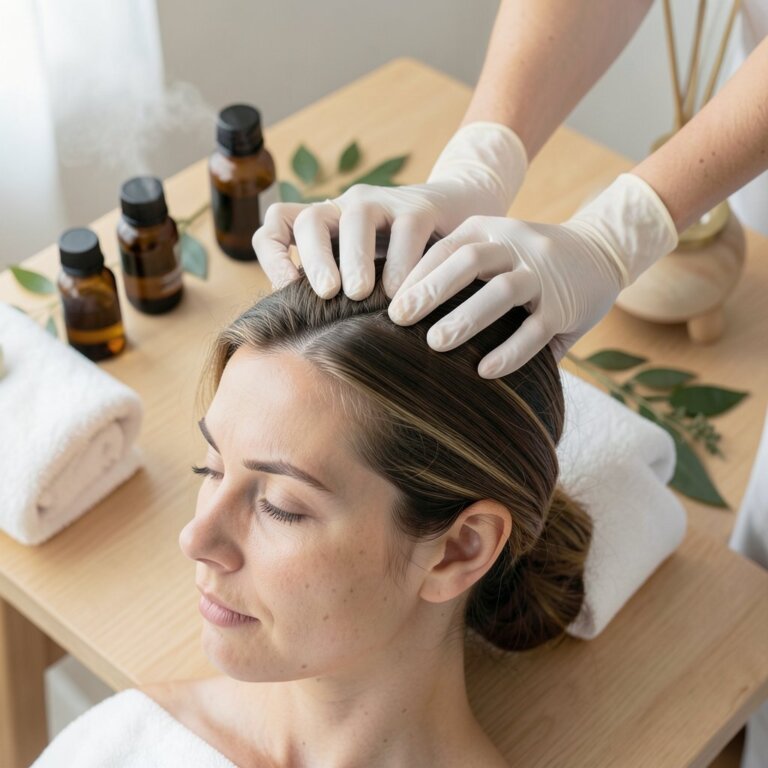
- Light tissue mobilization. With clean hands, place one or two fingertips over the lower abdomen. Use slow, circular motions and soft pressure to encourage glide between tissue layers. Avoid any deep pressure or pinching sensations.
- Lymph drainage basics. Move in directed patterns toward the lymph nodes in the groin and along the abdomen’s sides. Gentle, sweeping motions help activate lymph flow without overloading the system.
- Check-in and adjust. Pause to assess comfort, breathing, and ease of movement. If any area feels tense, reduce pressure and slow the tempo.
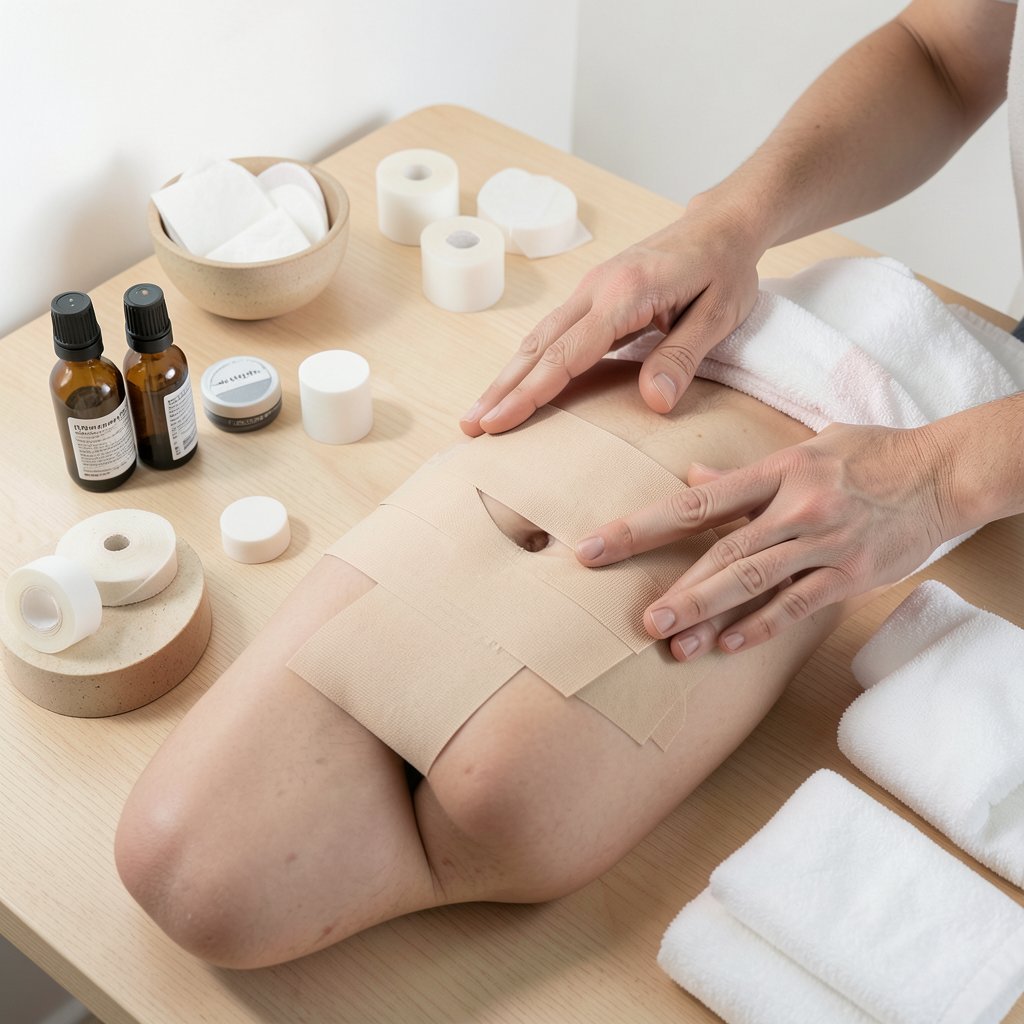
- Light taping preparation. If you and your care team agree, prepare a simple, non-irritating tape pattern. Avoid applying tape over irritated skin.
- Apply gentle tape (optional). Use a mild adhesive designed for sensitive skin and a light, supportive pattern to guide tissue without restricting movement.
- Focus areas: lower abdomen, midline, and areas adjacent to the scar where tissue restrictions are most common.
- Duration: sessions of 10–15 minutes are often sufficient for early practice, with gradual extension as comfort improves.
- Outcome indicators: improved ease of breath, smoother transitions between positions, and reduced tightness after movement.
Advanced considerations: when to progress and how to tailor to your needs
As you grow more comfortable with the sequence, you can fine-tune the approach.
A clinician or wellness professional in Massachusetts can help you tailor patterns to your body’s history and current response.
The overarching aim remains scar resilience and abdominal mobility, achieved through consistent practice, mindful breathing, and gentle tissue guidance.
- Progression cues: if the area remains comfortable and your breathing remains relaxed, you can gradually increase contact duration by small increments.
- Skin safety: always check for redness, irritation, or itching after taping or dermal contact, and discontinue if irritation occurs.
- Professional input: periodic check-ins with our team at Best & Beyond Spa can optimize your sequence and address any persistent stiffness or swelling.
Safety, Comfort, and When to Seek Guidance
Prioritizing safety and comfort helps ensure the long-term success of any mobility and taping approach.
In the context of fibrosis prevention and abdominal mobility, listening to your body is essential.
Below, we outline practical signals and decisions to guide you, along with a framework for partnering with wellness professionals when needed.
Key safety signals to pause or adjust
Pay attention to sensations that indicate the need to modify or pause your practice.
Immediate pauses are warranted if you experience sharp pain, increased swelling, numbness, or new skin irritation.
If you notice persistent discomfort beyond 24 hours, consider adjusting technique or seeking a professional evaluation.
- Sharp pain, burning, or tingling in the abdominal area
- Increased redness, swelling, or warmth around the tissue
- Heavy fatigue or breathlessness during or after practice
Comfort cues that indicate you’re on the right track
Conversely, a sense of manageable tension, improved breathing ease, and a gradual reduction in stiffness after sessions are positive signals.
Your intention is to maintain a calm nervous system response—avoid forcing movement or overloading the tissue.
- Soft, even breathing during practices
- Reduced perceived tightness after light work
- Ability to perform daily tasks with less effort
Real-World Scenarios: Case Examples and Practical Insights
Real-world examples help translate theory into everyday practice.
Below are illustrative scenarios that demonstrate how the sequence can be applied in different contexts, with practical takeaways you can adapt to your routine.
Case Example A: Early-stage mobility after tissue changes
In the early weeks, a client reported noticeable stiffness in the lower abdomen.
We began with a gentle tissue mobilization protocol, emphasizing breath, light contact, and edema-friendly lymph drainage.
Over several sessions, the client noticed improved glide between layers and a softer scar area.
The sequence also included light taping to guide tissue alignment, which contributed to a more comfortable range of motion during daily activities.
- Clinical insight: gentle contact reduces resistance and supports a smoother recovery trajectory.
- Practical takeaway: start with 5–10 minutes of light mobilization and progress as comfort allows.
Case Example B: Transitioning from passive to active mobility
A client with a longer history of abdominal tissue changes used this protocol to transition from seated to standing activities.
By pairing diaphragmatic breathing with sequential tissue work and lymph drainage, the client achieved more even weight distribution and less stiffness during maneuvering.
Tap pattern choices were guided by skin tolerance and tissue response, emphasizing comfort and consistency.
- Clinical insight: pairing breath with tissue work enhances nervous system regulation and tissue response.
- Practical takeaway: anchor movements to breathing to maximize efficiency and safety.
Integrating these practices into a Massachusetts wellness routine at Best & Beyond Spa
Best & Beyond Spa aims to provide a calm, expert, and nature-inspired environment in Massachusetts where clients can explore fibrosis prevention and abdominal mobility within a holistic wellness framework.
Our approach blends hands-on techniques, educational guidance, and personalized plans designed to support your unique journey.
By combining careful tissue work, lymph drainage, and the optional, skin-friendly taping approach, we offer a non-invasive, supportive pathway to enhanced mobility and scar resilience.
How our team crafts a personalized plan
We begin with a compassionate assessment that considers your history, goals, and current comfort level.
The plan evolves as you respond to gentle tissue mobilization and drainage, ensuring that progress remains gradual and enjoyable.
In MA, our practitioners emphasize expert guidance, high-quality care, and a holistic perspective that aligns with your well-being goals.
- Personalized sequence tailored to your abdomen’s tissue characteristics
- Breath-informed pacing that respects your nervous system
- Skin-friendly taping strategies when appropriate and desired
What to expect in a session at Best & Beyond Spa
During a typical session, you’ll experience a respectful, hands-on approach focused on comfort and progress.
We prioritize a calm environment, quiet guidance, and clear explanations so you feel empowered to participate in your own healing journey.
You’ll leave with practical cues for at-home practice, along with a sense of confidence in your ongoing scar resilience and abdominal mobility.
- Warm, welcoming atmosphere designed to reduce stress
- Clear, actionable steps you can apply between visits
- Ongoing support from a Massachusetts-based, reputable wellness team
Tools, Resources, and Takeaways for Everyday Practice
Below is a concise toolkit you can carry into your daily routine.
The goal is to keep the practice approachable while ensuring consistency that supports fibrosis prevention and abdominal mobility.
Quick reference checklist for daily use
- Prepare a comfortable space and begin with 5 minutes of diaphragmatic breathing.
- Apply gentle tissue mobilization with light pressure and small, slow circles.
- Incorporate lymph drainage sweeps toward the groin and lateral abdominal regions.
- If desired and skin-tolerant, introduce a mild taping pattern under professional guidance.
- Assess comfort, posture, and ability to perform gentle daily tasks, adjusting as needed.
Home practice sequencing for ongoing results
Home practice should reinforce the sensory cues learned during in-clinic sessions.
Focus on consistent, short sessions that honor your body’s response.
Always prioritize breathing, calmness, and gradual progress to sustain scar resilience and abdominal mobility.
- Consistency over intensity: short daily sessions beat long, sporadic efforts.
- Skin care and protection: check for irritation after taping or contact and adjust as needed.
- Documentation: keep a simple journal of sensations, mobility, and comfort to share with your care team.
Closing thoughts: Embracing a guided path to mobility and resilience in 2026
As you pursue fibrosis prevention and abdominal mobility, remember that healing is a journey best navigated with thoughtful, expert support.
The practices outlined here are designed to be approachable, safe, and adaptable, with the flexibility to fit into your life in Massachusetts.
Our team at Best & Beyond Spa remains dedicated to creating an atmosphere of trust, care, and evidence-informed wellness that supports your wellbeing every step of the way.
To continue exploring how these approaches can be integrated into your routine, consider scheduling a guided visit at our MA location.
You’ll experience a calm, professional environment where skilled practitioners help you cultivate lasting mobility and scar resilience through gentle, effective techniques.
For those seeking a deeper, personalized experience, our team can tailor a plan that aligns with your goals while honoring your comfort and pace.
Our Massachusetts practice emphasizes safe, practical strategies—rooted in a compassionate philosophy and delivered with expert care.
Next steps and opportunities to engage with Best & Beyond Spa
If you’re ready to elevate your abdominal mobility and scar resilience in a supportive setting, reach out to Best & Beyond Spa in Massachusetts.
We offer a range of wellness services designed to complement your healing journey, including gentle body therapies, relaxation-focused sessions, and evidence-informed guidance on movement and care.
Begin with a friendly consultation to discuss your goals, any sensitivities, and how the sequence described here might be integrated into your routine.
Our team is committed to helping you feel centered, confident, and capable as you move forward with your wellness journey.
Take the next step to experience expert, compassionate care in a tranquil environment.
Explore our services in MA and see how a tailored plan can support your ongoing fibrosis prevention and abdominal mobility journey.
Frequently Asked Questions
What is the rationale behind sequencing abdominal tissue mobilization, lymph drainage, and taping for scar resilience?
Sequencing these steps creates a gentle progression: tissue mobilization improves fascia mobility, lymph drainage reduces edema, and taping supports sustained alignment of the healing tissue. Together, they promote safer movement and help guide scar formation toward resilience. The approach is designed to be non-invasive and adaptable to home practice or guided sessions.
Who should consider using this sequence for fibrosis prevention and abdominal mobility?
People who recently underwent changes to abdominal tissue or anticipate future interventions may benefit, as the routine emphasizes gentle, wellness-first techniques. It is suitable for those seeking to improve mobility while supporting scar resilience without aggressive therapy.
How does fascia mobility affect fibrosis risk and scar resilience?
Fascia can become less pliable after tissue changes, which can contribute to stiffness and adhesions. Gentle mobilization helps restore glide between tissues, supporting more even scar formation and reduced fibrosis risk.
How should I decide between continuing a home program versus booking a professional session?
If gentle movements do not increase pain, swelling, or redness beyond baseline, you can continue the home practice. If you notice persistent symptoms, unusual scar changes, or uncertainty, seek professional guidance.
How often and for how long should I perform the abdominal mobility and lymph drainage routine?
Aim for daily, brief sessions—about 5 to 10 minutes to start, gradually increasing as comfort allows. Consistency matters more than duration, so build a regular routine.
Are there risks or precautions when using taping for scar resilience?
Use hypoallergenic tape and perform a patch test on a small area before full application. Stop if you see redness, itching, or skin irritation, and avoid taping over open wounds or irritated skin.
What role does edema play in scar formation, and how does this sequence help?
Edema can impede tissue mobility and influence scar texture. Lymph drainage and taping support edema management, which can lead to more even scar lines and improved resilience.
When should I seek in-person professional guidance for scar resilience and abdominal mobility?
If you experience persistent swelling, new severe pain, rapidly changing scar appearance, or if self-care isn’t improving mobility, schedule an in-person evaluation. A clinician can tailor sequencing and techniques to your body and recovery plan.

At Best and Beyond Spa, Day and Davilla are dedicated professionals passionate about wellness and beauty. With expertise in spa day treatments, couples massages, and senior wellness, they provide high-quality, personalized care in a relaxing environment. Their mission is to help clients feel rejuvenated, refreshed, and truly cared for.
Related Posts
“Checklist: Timing and Sequencing for Lymph Drainage to Optimize Immediate Recovery”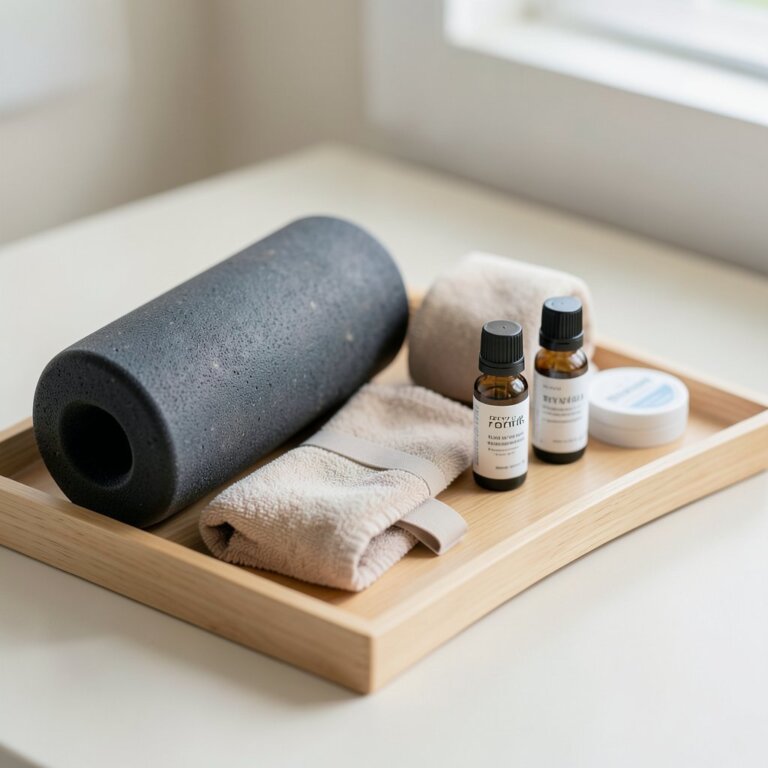
Fibrosis Prevention and Abdominal Mobility: Core Moves for Early Recovery