Guide: Designing Lymphatic Drainage Schedules for Immediate Abdominal Recovery
lymphatic-drainage-kinesio-taping is a practical, evidence-informed approach to supporting immediate abdominal recovery after a procedure.
This guide is crafted for individuals who have recently undergone a procedure or anticipate one, and for caregivers who want a clear, humane plan that fits real-life routines.
In the days and weeks after a procedure, swelling, tenderness, and limited mobility can hinder daily activities and dampen confidence.
Approaches that respect the body’s natural lymphatic pathways—combined with the flexible support of kinesio tape—offer a gentle, non-invasive way to encourage fluid movement, reduce tissue heaviness, and support comfort.
At Best & Beyond Spa in Massachusetts, our team blends massage therapy, physiotherapy-informed care, and aesthetic expertise to create a recovery-forward approach that is safe, compassionate, and practically adaptable to your day-to-day life.
Throughout this article, you’ll find practical steps, safety reminders, and personalized considerations to help you design a lymphatic-drainage-kinesio-taping plan that honors your healing timeline and your lifestyle.
Understanding lymphatic-drainage-kinesio-taping and its role in immediate abdominal recovery
What the mechanism means for post-procedure fluid management
In the weeks after a procedure, edema management becomes a central factor in comfort and function.
The lymphatic system acts as the body’s drainage network, moving excess fluid away from tissues and helping modulate inflammatory responses.
When we apply carefully directed techniques—paired with safe taping protocols—we can encourage lymph flow to the nearest drainage pathways without placing excessive stress on healing tissues.
The result is a calmer, less swollen abdomen that supports easier breathing, better mobility, and a quicker return to everyday activities.
How the approach supports tissue healing and scar management
Beyond reducing swelling, a thoughtful lymphatic approach can influence tissue remodeling.
Gentle drainage may help reduce tissue congestion around the abdominal wall, which can influence scar tissue alignment and overall comfort during movement.
When executed by trained professionals, these techniques balance protection of the healing incision with light, progressive movement that supports proprioception and recovery without rushing the process.
Who benefits most from this approach
Most individuals who have had a procedure involving the abdominal area can benefit from a structured lymphatic plan.
For some, the focus is on reducing swelling that worsens with activities like walking, bending, or deep diaphragmatic breathing.
For others, the emphasis is on gentle mobility to prevent stiffness.
In our Massachusetts practice, we often see improvements in comfort and function when a plan combines lymphatic drainage concepts with airway-friendly breathing exercises and mindful movement. Post-procedure care that respects your unique healing timeline tends to be the most sustainable approach.
Designing a post-procedure lymphatic schedule: practical framework
Step 1: Assessment and timing
Effective planning begins with a simple, patient-centered assessment.
Consider your current level of swelling, your comfort with gentle movement, and your ability to tolerate light touch or tape application.
A typical starting window for introducing drainage concepts is within the first 3-7 days after the procedure, provided you have cleared activity with your clinician.
The goal is to establish a realistic rhythm that embraces gradual progression and respects your energy levels.
If you notice new or worsening symptoms, pause and consult a professional.
Step 2: Taping protocol and routine
Kinesio-taping should be applied by trained professionals who understand skin sensitivity and healing timelines.
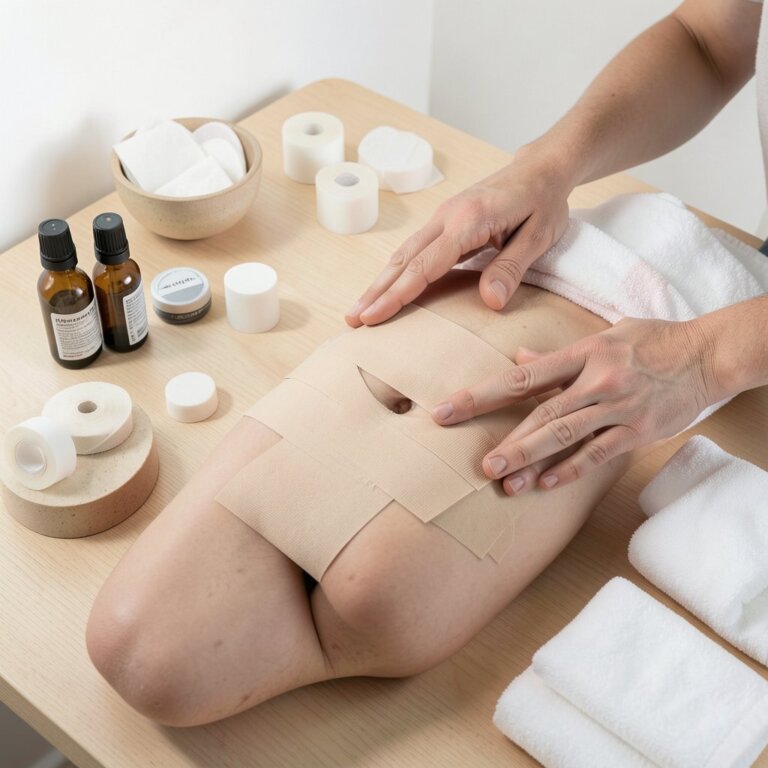
A common approach is to place lightweight support along the abdomen to encourage lymph flow toward lymph nodes in the groin and underarms, while avoiding pressure on tender areas.
The schedule typically includes daily or every-other-day applications for a defined stretch window, followed by rest periods to monitor skin tolerance and comfort.
In practice, this means you can experience relief from swelling and improved comfort as you maintain daily activities that are essential to your routine.
Step 3: Activity progression and breathwork
Movement is a key ally in recovery.
We encourage slow, mindful movements that promote diaphragmatic breathing, core activation, and gentle torso mobility.
Breathing techniques help improve lymphatic dynamics by generating natural abdominal and thoracic pumps.
A well-designed plan combines gentle movement with short, frequent walking sessions and light stretches.
These elements synergize with the taping to sustain drainage while protecting healing tissues.
Implementing the routine at home: day-by-day guidance
Daily self-care checklist
Use this concise routine as a baseline.
Always adjust based on your clinician’s guidance and your comfort level.
If any step increases pain, discontinue and consult your care team.
- Hydration and nutrition support: Prioritize water intake and balanced meals to aid tissue healing and lymphatic flow.
- Breathing-focused movement: Practice diaphragmatic breaths for 5-10 minutes, twice daily.
- Gentle mobility: Short walks (10-15 minutes) with brief periods of light stretching.
- Skin care around taping sites: Keep the skin clean and dry; monitor for irritation.
- Alternating rest and activity: Balance rest with progressive activity to prevent stiffness.
- Symptom tracking: Note swelling, pain level, and ease of movement to share with your team.
Throughout the day, you may notice improvements in comfort and a sense of lightness as edema reduction progresses.
If you experience itching or redness at the tape site, remove the tape and re-evaluate with your clinician.
The key is to maintain a gentle, consistent routine that respects your healing trajectory.
Common mistakes to avoid
Some well-intended practices can hinder results.
For example, applying excessive tape tension or leaving tape on for too long can irritate the skin.
Avoid intense manual manipulation during the first week unless cleared by a clinician.
Instead, focus on gradual movement, hydration, and listening to your body’s signals.
How to document progress effectively
Keep a simple log: date, swelling level, pain, activity, and any tape adjustments.
This log helps you see patterns and supports your clinician in refining the plan.
In our Massachusetts practice, we’ve found that regular documentation improves adherence and outcomes by clarifying which activities support tissue healing and which provoke discomfort.
Safety, contraindications, and when to pause
Contraindications and precautions
While most people tolerate lymphatic drainage strategies well, there are situations where adjustments are necessary.
If you have a known skin sensitivity, active infection near the application area, or a history of certain circulatory conditions, your clinician may tailor the approach.
We strongly recommend avoiding tape on open wounds or irritated skin, and pausing if you notice persistent skin irritation, unusual numbness, or worsening swelling beyond the expected course of recovery.
When to seek professional guidance
Before initiating any home program, confirm with your surgeon or primary clinician that integrating drainage concepts aligns with your healing plan.
If you notice new swelling that spreads beyond the treated zone, fever, or systemic symptoms, seek in-person assessment promptly.
A professional evaluation can ensure you adjust pacing, application techniques, or activity levels safely.
Professional guidance from Best & Beyond Spa: integrated care in Massachusetts
Our philosophy and the role of our bilingual team
Born in Brazil and rooted in the wellness field, Davilla leads a team that blends therapeutic massage, physiotherapy-informed aesthetics, and holistic care.
Our mission emphasizes a peaceful, professional environment where clients can recharge, heal, and feel their natural best.
In practice, this means an individualized plan that respects cultural nuances, language preferences, and the client’s unique healing journey.
Our bilingual service—English and Portuguese—facilitates clear communication and enhances trust, especially during sensitive recovery periods.
Case-informed insights from a Massachusetts setting
In our spa setting, we’ve observed that combining manual lymph drainage concepts with kinesio-taping—delivered with care and professional judgment—creates a practical framework for abdominal recovery.
We focus on patient education, gentle progression, and safety, ensuring therapies align with each person’s postoperative timeline.
While outcomes vary, many clients report improved comfort, more freedom in daily activities, and a sense of control over their recovery journey.
Strategies that respect real-life routines
Our approach emphasizes accessibility and practicality.
We tailor schedules to fit work commitments, caregiving responsibilities, and family life, while maintaining the integrity of the recovery plan.
The result is a sustainable path that blends science-based concepts with everyday living—making it easier to stay consistent and engaged with your healing process.
Putting Your Plan into Action: a starter timeline and practical next steps
Day-by-day starter timeline
- Day 1–2: Gentle assessment, skin checks, light breathing practice, and hydration emphasis. Begin light taping if cleared by your clinician and tolerated well.
- Day 3–4: Introduce short walks and mild mobility; monitor swelling with daily notes; maintain tape as advised by your clinician.
- Day 5–7: Increase movement gradually; evaluate tape comfort; adjust hydration and nutrition to support lymphatic flow.
- Week 2: Review progress with your care team; refine taping technique, and progress activity intensity if tolerance is good.
What to track and how to adjust
Record swelling notes, pain levels, skin integrity at the taping site, and daily activity tolerance.
If swelling seems to worsen or if you experience skin irritation, pause the routine and consult your clinician for adjustments.
A flexible plan—guided by your healing response—helps ensure steady progress without overloading healing tissues.
As you embark on this plan, remember that your healing timeline is personal.
The combination of lymphatic-drainage-kinesio-taping principles with mindful movement, proper hydration, and skin-friendly taping provides a resilient framework for recovery.
Our team at Best & Beyond Spa supports you in integrating these elements into a realistic, compassionate routine that fits your life in Massachusetts.
Incorporating these methods into daily life can help you regain mobility, reduce discomfort, and re-engage in activities you enjoy.
We encourage you to consult with your clinician before starting any new regimen and to reach out to our team for guidance tailored to your specific recovery needs.
By combining professional expertise with patient-centered care, you gain a pathway that emphasizes safety, comfort, and meaningful progress.
To begin a personalized plan that aligns with your healing journey, consider scheduling a consultation with Best & Beyond Spa in Woburn, MA.
Our experienced team offers a thoughtful, integrated approach to post-procedure care, blending therapeutic massage, lymphatic concepts, and taping expertise to support your immediate abdominal recovery and overall well-being.
Frequently Asked Questions
What is lymphatic drainage kinesio-taping and how does it support immediate abdominal recovery after a procedure?
Lymphatic drainage kinesio-taping combines gentle, evidence-informed drainage concepts with supportive kinesio tape to encourage lymph flow and reduce tissue heaviness. It aims to minimize swelling, improve comfort, and help you regain mobility sooner while the healing tissues calm down. This approach is complementary to medical guidance, not a replacement for it.
How do I design a lymphatic drainage schedule that fits my post-procedure routine?
Start with guidance from your clinician and tailor sessions to your pain, swelling, and daily activities. Plan short, regular sessions in the first week, gradually adjusting frequency as swelling decreases. Use appropriate tape placements and rest days to avoid stressing healing areas.
Who should consider lymphatic drainage with kinesio-taping after surgery?
This approach can help individuals experiencing abdominal edema, tenderness, or limited mobility after procedures. It’s often suitable for caregivers coordinating recovery, provided there are no active infections or opening wounds. Always consult your medical team before starting any new post-op protocol.
Can I apply the kinesio tape myself, or should a professional apply it?
Initial applications are best performed by a trained practitioner to ensure correct placement and tension. If you learn proper techniques, many patients continue with home use under professional guidance, while monitoring skin irritation and healing progress. Avoid taping over fresh incisions or irritated skin without professional instruction.
Are there risks or contraindications to lymphatic drainage kinesio-taping?
Possible concerns include skin sensitivity, allergic reactions to tape adhesives, or compromised skin integrity. Avoid use with active infections, unhealed wounds, or certain circulatory conditions unless cleared by your clinician. Stop if you notice increasing redness, itching, or pain.
How long does it take to see improvements with this approach?
Many people notice reduced swelling and a sense of lightness within a few days of consistent application and movement. The timeline depends on the extent of edema, healing stage, and adherence to the schedule. It’s common to experience gradual improvements over one to two weeks.
What signs indicate I should stop lymphatic drainage therapy and seek medical advice?
Seek care if you develop fever, increasing or spreading redness, severe pain, rapidly worsening swelling, new wound leakage, or if the tape causes a persistent skin reaction. Also stop if your clinician instructs you to suspend lymphatic therapies due to healing concerns.
How can I integrate lymphatic drainage kinesio-taping with other post-op care like breathing exercises and gentle movement?
Coordinate with your rehabilitation or surgical team to align taping with prescribed activities. Combine light mobility, deep breathing, and hydration with your drainage schedule to support overall recovery. Prioritize healing tissues and adjust intensity based on comfort and medical guidance.

At Best and Beyond Spa, Day and Davilla are dedicated professionals passionate about wellness and beauty. With expertise in spa day treatments, couples massages, and senior wellness, they provide high-quality, personalized care in a relaxing environment. Their mission is to help clients feel rejuvenated, refreshed, and truly cared for.
Related Posts

Guide: Implementing an Early Abdominal Mobility Routine to Prevent Fibrosis
List: Core Abdominal Mobility Essentials for Immediate Postoperative Recovery