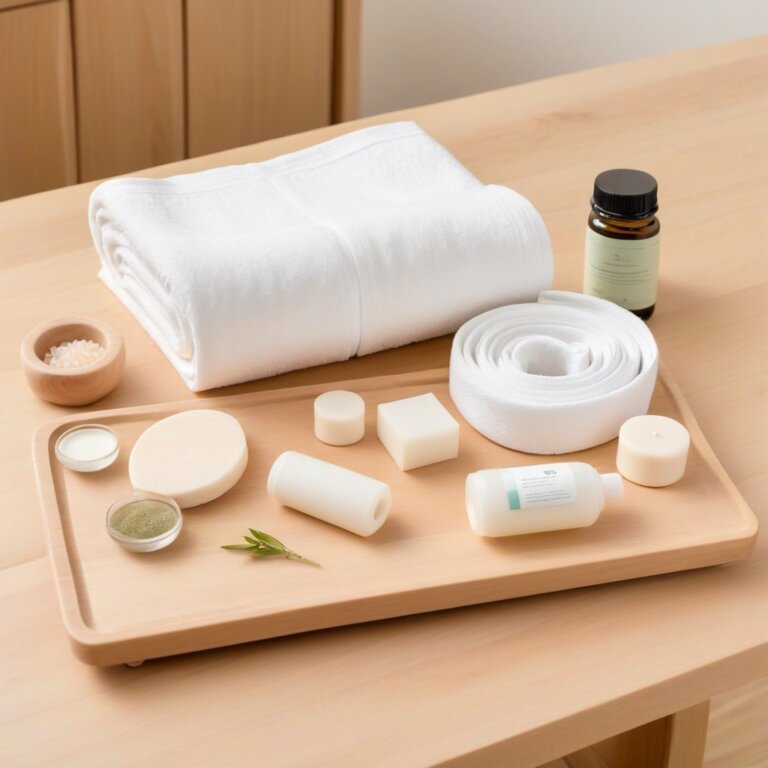

Tutorial: Safe Kinesio Taping Practices for Scar Mobility in Different Procedural Approaches is a practical guide designed for readers navigating scar tissue mobility after various post-procedural events.
In this guide, we explore safe taping practices, skin preparation, and how to incorporate kinesio taping with gentle movement and massage to support comfort and function.
At Best & Beyond Spa in Woburn, MA, we emphasize a compassionate, evidence-informed approach that respects each healing journey.
The aim is to empower you with actionable steps that complement professional guidance without replacing it, helping you participate confidently in your rehabilitation journey.
This guide draws on real-world experience from our seasoned therapists—combining clinical insight with refined techniques that honor skin integrity and overall well-being.
Tutorial: Safe Kinesio Taping Practices for Scar Mobility in Different Procedural Approaches
Understanding scar mobility within the context of different procedural approaches helps you tailor taping choices to your unique healing pattern.
This section introduces the core idea that kinesio taping can be a supportive part of a broader, patient-centered plan when applied carefully and with attention to skin integrity.
In our Massachusetts spa practice, we observe that most clients benefit from starting with low-tension tape applications and gradually adjusting based on comfort and surface feedback.
The process emphasizes safety, minimal irritation, and clear communication about what to monitor daily.
What this tutorial covers and why it matters
In this guide, you’ll find practical steps for assessing scar areas, selecting tape, and applying a plan that respects different procedural approaches—without overloading the skin.
You’ll also learn how to pair taping with light, guided movement and mindful touch therapies that many clients find beneficial when integrated thoughtfully into a routine at a trusted spa in the Boston area.
Key components include tape selection, proper skin preparation, tapping geometry, and ongoing observation of skin response.
These elements help maintain comfort while promoting scar remodeling and flexible scar movement.
As you read, consider how your daily activities could align with the gentle cues provided by taped patterns, and how a therapist at Best & Beyond Spa might tailor these ideas to your particular post-procedural timeline.
Why Safe Kinesio Taping Practices Matter for Scar Mobility in Different Procedural Approaches
Safe application is about balancing support with the skin’s natural healing rhythm.
Studies and industry experience in 2024–2026 indicate that when KI (kinesio) tape is used in conjunction with controlled movement and proper skin care, some clients experience improved flexibility and reduced tissue stiffness in scar areas.
While outcomes vary, this approach remains a practical option to explore alongside other gentle modalities in a comprehensive rehab plan.
In our clinic, these insights translate into customized taping protocols that respect each individual’s pace and comfort level.
Strategic framework for safe taping across procedures
Successful scar taping depends on tissue readiness, tape tolerance, and a mindful monitoring routine. Tutorial: Safe Kinesio Taping Practices for Scar Mobility in Different Procedural Approaches emphasizes starting with conservative tension, avoiding skin folds, and ensuring full skin contact without bunching.
This approach supports skin integrity while offering a subtle cue to tissue that can enhance mobility without introducing abrasion or irritation.
From a practical standpoint, the most reliable results come from a combination of clear education and gentle observation.
Our team in Woburn leverages low-height humidity environments, clean adhesive options, and skin-cleaning protocols that maximize adhesion without harsh cleaners.
Clients often report that such careful preparation reduces irritation and helps them stay consistent with a simple, repeatable routine.
- Low-tension applications near incision lines or scar borders
- Patch testing on small skin areas before broader use
- Daily skin checks for redness, itchiness, or sensitivity
- Alternating tape patterns to minimize skin stress
- Short duration wear times initially, gradually extending as tolerated
Preparing Skin and Materials for Scar Taping
Effective scar taping starts with thoughtful preparation.
This section covers tape selection, skin prep, and safety checks that help you avoid irritation while maximizing adherence and comfort.
In a practice like Best & Beyond Spa, the emphasis is on clean, gentle products and a patient-centered approach that respects all skin types and sensitivities.
We avoid aggressive skin products and instead rely on mild cleansers, patch tests, and breathable support systems that allow the skin to breathe while taped.
Choosing the Right Tape and Skin Prep
When selecting tape, consider factors like hypoallergenic adhesives, fabric flexibility, and breathability.
A well-suited tape should adhere securely without causing maceration or stripping during removal.
We often recommend testing a small area for a short period before applying broader tape patterns.
For skin prep, use a gentle, alcohol-free cleanser and ensure the skin is completely dry before application.
This helps maintain skin integrity and reduces the risk of irritant exposure.
In practice, we find that a lightweight, breathable base layer can improve comfort and allow for easier repositioning if needed.
Clients frequently appreciate how a well-chosen base affects the overall feel of the tape, reducing friction and enabling a more comfortable experience while supporting limited scar mobility.
- Hypoallergenic tape options with flexible backing
- Patch test 2–3 inches of tape on clean, dry skin
- Avoid lotions or oils directly before application to protect adhesion
- Use a gentle cleansing routine to prep the skin
- Allow the skin to rest between applications if redness occurs
Common Contraindications and Safety Checks
While taping is generally safe, certain skin conditions or sensitivities call for caution.
If you notice persistent redness, itching, blistering, or blister formation after removal, pause taping and consult a qualified professional.
In our clinic, we emphasize safety checks such as avoiding taped areas with active rashes, open wounds, or known adhesive allergies.
If a sensitivity arises, switching to a different adhesive or a non-tape approach may be advisable.
This approach aligns with our commitment to skin integrity and patient comfort throughout the healing journey.
For individuals with sensitive skin or prior adhesive reactions, we often recommend performing a brief trial with a barrier layer or using a hypoallergenic tape specifically designed for sensitive skin.
This strategy minimizes potential irritation while preserving the benefits of tapping for scar mobility across various procedural approaches.
Step-by-Step: Safe Kinesio Taping Practices for Scar Mobility in Different Procedural Approaches
In this section, you’ll find a structured, practice-ready sequence to guide you through safe taping.
Each step is designed to be practical, actionable, and adaptable to different scar locations and healing timelines.
We’ll incorporate tape tension, pattern selection, and checks that help ensure comfort and safety.
The examples reflect common client experiences in Massachusetts clinics, providing a reliable reference for home use or professional supervision.
Exact Techniques for Different Scar Locations
Scar areas vary in direction, thickness, and mobility.
A general guideline is to keep tape tension light, avoiding overstretching beyond the skin’s natural ability to move.
For linear scars, consider a horizontal or vertical pattern with light traction to support bending and sliding.
For broader, irregular scars, a mosaic or patch-work pattern may distribute tension more evenly.
Always monitor the area for hydration, color changes, or any signs of discomfort.
Within each approach, strong emphasis on skin-friendly practices helps maintain comfort and encourages adherence to the routine.
In our Woburn studio, we often pair taping with gentle, guided movement to support ongoing scar mobility without imposing abrupt changes that could irritate the skin.
- Linear scar: parallel stripe pattern with light tension
- Broad scar: mosaic or patch-based approach to distribute load
- Joint area scar: flexible patterns around movement lines to reduce restriction
- In all cases: avoid applying tape over open incisions or actively irritated skin
Taping Routines and Duration
Starting with short wear times, such as 6–8 hours, and gradually increasing as tolerated helps gauge comfort and adhesion.
If you notice skin redness beyond mild blanching or a burning sensation, remove the tape and reassess.
The routine should remain patient-centered, with adjustments made based on how the skin responds.
In our Massachusetts practice, we encourage keeping sessions consistent and simple, allowing you to build confidence over time while supporting scar mobility.
To maximize safety, schedule regular checks with a qualified practitioner who can revise patterns based on changes in scar tissue and skin response.
This collaborative approach helps ensure you’re progressing at a pace that respects your body’s signals and your lifestyle needs.
- Initial wear: 6–8 hours per day, then reassess
- Gradual increase: extend wear by 1–2 hours as tolerated
- Always monitor skin response and comfort
- Coordinate with any massage or soft-tissue techniques under supervision
Common Mistakes and How to Avoid Them in Scar Mobility Taping
Even with the best intentions, mistakes can occur.
Recognizing these early helps you adjust and stay on track.
This section outlines frequent missteps and practical corrections to keep your scar mobility plan effective and comfortable.
By focusing on evidence-informed practices and your unique healing timeline, you’ll feel more confident navigating procedural approaches and post-taping care.
At Best & Beyond Spa, we emphasize gentle progress, mindful technique, and open dialogue to ensure your taping program remains beneficial.
Erros Comuns: Over-tensioning and Poor Adhesion
Over-tensioning can place unnecessary stress on the scar and surrounding skin, potentially causing irritation.
A common mistake is applying tape with too much tension, which may feel tight or restrictive.
To avoid this, test the pattern with light tension first, observe skin response, and adjust gradually.
Similarly, insufficient adhesion leads to curling or lifting at edges, which compromises support and increases the risk of skin irritation.
If lifting occurs, consider alternate tape types or a fresh skin prep.
In practice, maintaining a calm, attentive approach is key.
Our team emphasizes monitoring color and temperature changes under the tape, as well as ensuring edges lay flat to prevent friction.
Remember that consistency matters more than intensity in the early stages of scar mobility work.
- Avoid exceeding comfortable tension by a large margin
- Check adhesion and edge integrity regularly
- Pause taping if skin reddens or itches persistently
- Reassess tape type and pattern if lifting occurs
Erro #2: Tape on Irritated or Open Skin
Applying tape to irritated skin can worsen the reaction and delay progress.
Always avoid areas with active irritation or open wounds.
If irritation occurs after application, remove the tape, cleanse the area gently, and allow skin to recover before retrying.
We recommend experimenting with a barrier layer or different adhesive when sensitivities are present, ensuring the goal remains focused on comfort and skin health.
Our practice prioritizes a patient-first approach, encouraging clients to communicate sensations truthfully so adjustments can be made promptly.
A small adaptation today can prevent setbacks later in the scar mobility journey.
Integrating Kinesio Taping with Other Rehab Activities in Different Procedural Approaches
To maximize outcomes, kinesio taping should be integrated with other gentle activities that support tissue pliability and ongoing healing.
In our Massachusetts spa setting, we combine taping with light, guided movements and soothing manual techniques that do not rely on medical procedures or clinical therapies to be effective.
This balanced approach aims to improve overall comfort, mobility, and confidence as you participate actively in your care plan.
Coordination with Gentle Mobility Exercises
Gentle movements that glide along the scar lines can support tissue extensibility when performed in concert with taping.
The key is to avoid aggressive ranges that may stretch healing tissue.
We encourage a cadence that respects your current tolerance, with frequent check-ins to adjust patterns, tension, and duration.
When you combine kinesio taping with careful movement, you create a synergy that supports gradual improvement in scar mobility across different procedural approaches.
In our clinic, clients often notice a sense of relief with the combination of taping and light movement.
The skin responds to the added support, and the scar may become more pliable over time.
This approach aligns with a holistic wellness philosophy that integrates body awareness, breath, and gentle touch in a comfortable spa environment.
Incorporating Massage and Care into a Safe Plan
Massage and related therapies, when used thoughtfully, can complement taping by promoting tissue relaxation and circulation.
In our Woburn location, licensed therapists provide touch modalities that respect scar sensitivity and do not treat, diagnose, or replace medical care.
The goal is to enhance comfort and function while honoring the body’s healing rhythm.
By combining these gentle techniques with kinesio taping, you may experience a more cohesive healing experience that fits your lifestyle and recovery timeline.
Key considerations for integration include scheduling alignment, ensuring skin health before and after sessions, and maintaining open communication about comfort levels.
The collaboration between taping and massage creates a supportive environment that helps you move forward with confidence in your healing process.
- Coordinate timing of taping with light massage sessions
- Keep sessions brief and focused on comfort
- Monitor skin response after sessions to adjust plans
- Maintain consistency in routines to support progress
Próximos Passos Estratégicos
To move forward with Tutorial: Safe Kinesio Taping Practices for Scar Mobility in Different Procedural Approaches, consider scheduling a consultation at Best & Beyond Spa.
Our team brings a thoughtful, patient-centered perspective to scar mobility, drawing on years of hands-on experience with diverse scar types and movement patterns.
We emphasize clear communication, skin-friendly products, and a gradual approach that prioritizes comfort and confidence.
In addition to taping guidance, you’ll receive individualized education that helps you understand how small daily habits contribute to long-term improvements in mobility and comfort.
If you’re in the Boston area or surrounding communities, our Woburn location offers a calm, supportive environment designed to help you feel cared for, heard, and empowered on your healing journey.
Ready to begin? Reach out to our team to discuss your scar mobility goals, share how you’re currently managing your post-procedural care, and learn how Tutorial: Safe Kinesio Taping Practices for Scar Mobility in Different Procedural Approaches can be integrated into a holistic wellness routine at Best & Beyond Spa.
We’re here to help you feel your best, from the first appointment onward.
What to expect during a visit in Woburn, MA
During a visit, you’ll receive a gentle assessment focused on comfort, skin condition, and mobility cues.
Our goal is to tailor taping patterns and guidance to your body’s signals, ensuring you leave with practical steps you can use at home.
We can also discuss safe combinations of taping with light touch therapies that are aligned with your healing timeline and daily activities.
This approach reflects our commitment to delivering high-quality, compassionate care in a tranquil spa setting in Massachusetts.
How to start: Your first steps
Begin with a basic skin check and a light taping test on a small area.
If you’re comfortable, you can advance to broader patterns and longer wear times, always paying attention to skin sensations.
The process should feel supportive and manageable, not overwhelming.
Our team is available to guide you through the first steps, answer questions, and help you refine your plan as your scar mobility evolves.
Ultimately, the path to improved scar mobility across different procedural approaches is a journey of patient engagement, careful attention, and compassionate care.
With Tutorial: Safe Kinesio Taping Practices for Scar Mobility in Different Procedural Approaches as a foundation, you’ll have a practical framework to support comfort, movement, and confidence in your healing.
Próximos Passos Práticos
To continue your learning journey, explore one-on-one sessions at Best & Beyond Spa, where our experienced massage therapists and wellness specialists tailor a plan that respects your post-procedural timeline.
The goal is a steady, sustainable approach to scar mobility that blends taping with gentle movement and mindful touch.
You’ll find a welcoming environment in Massachusetts dedicated to your wellbeing, with a focus on what works best for you and your body.
Contact us to start a conversation about your scar mobility goals and the next steps in your recovery journey.
FAQs: Quick Answers for Your Scar Mobility Questions
Is kinesio taping safe for scars? In most cases, yes, when applied with care and appropriate skin preparation.
Always monitor for irritation and consult a practitioner if you have concerns.
How long should I wear the tape? Begin with shorter durations and increase gradually if tolerated.
Your skin’s response guides wear times.
Can taping be used with other gentle therapies? Yes, when coordinated thoughtfully with professionals, taping can complement careful, skin-friendly approaches to support mobility and comfort.
Who can help me at Best & Beyond Spa? Our bilingual team in Massachusetts provides compassionate, expert guidance focused on wellness, skin health, and safe taping practices within a holistic care plan.
Frequently Asked Questions
How can kinesio taping support scar mobility across different procedural approaches?
Kinesio taping can provide gentle support to the scar area, helping you move more comfortably without pulling on healing tissue. It’s designed to complement professional care, with careful skin preparation and low-tension application. Always monitor skin response and adjust use based on feedback from your healing journey.
What factors should I consider when choosing kinesio tape for scar mobility after a procedure?
When choosing kinesio tape for scar mobility, consider the scar location, skin sensitivity, the stage of healing, and the tape’s properties (adhesion, stretch, and hypoallergenic options). The goal is to select a tape that minimizes irritation while allowing safe movement. Compatibility with your rehabilitation plan and clinician guidance is key.
How should I prepare the skin before applying kinesio tape for scar management?
Start with clean, dry skin and avoid creams or oils that can affect adhesion. If shaving is needed for better tape contact, do it under professional guidance. Do a small skin patch test for 24 hours to check for sensitivity before full application.
What tape tension is recommended for initial sessions, and how should it be adjusted?
Begin with low tension to minimize pulling on healing tissue, applying tape with minimal stretch on the scar itself. Gradually increase tension only if comfort permits and skin feels okay, monitoring for irritation. Stop or reduce tension if you notice redness, itching, or increased discomfort.
Are there specific taping patterns or placements for different procedural approaches?
Yes, taping patterns and placements can vary by procedural approach; common options include linear I-strips, Y-strips, or single-anchor patterns that follow the scar direction. Place anchors beyond the edges of the scar to secure good adhesion while allowing subtle movement. Always tailor placement to the scar’s orientation and your therapist’s guidance.
How can kinesio taping be combined with movement and massage during rehabilitation?
Combine kinesio taping with gentle movement and light massage to encourage tissue glide without overloading the healing tissue. Use the tape as a guide to support safe ranges of motion rather than to force movement. If you feel increased pain or skin irritation during activity, pause and reassess with your clinician.
What signs indicate that tape should be removed or adjusted due to irritation or discomfort?
Watch for persistent itching, burning, or redness under the tape. If irritation occurs, remove the tape and clean the area to inspect the skin. Seek professional guidance if symptoms persist or if you notice increased pain or skin breakdown.
Can I rely on home care guidelines from this tutorial, or should I consult a professional?
This tutorial offers practical, home-care steps to support scar mobility but is not a substitute for professional evaluation. For complex scars, unusual healing, or persistent symptoms, consult a licensed therapist or clinician. Use the guidance to inform your rehab plan while staying in touch with your care team.

At Best and Beyond Spa, Day and Davilla are dedicated professionals passionate about wellness and beauty. With expertise in spa day treatments, couples massages, and senior wellness, they provide high-quality, personalized care in a relaxing environment. Their mission is to help clients feel rejuvenated, refreshed, and truly cared for.
Related Posts

Guide: Crafting an Immediate Rehab Plan Tailored to Open versus Laparoscopic Surgeries
Tutorial: Integrating Kinesio Taping with Lymph Drainage to Support Scar Mobility