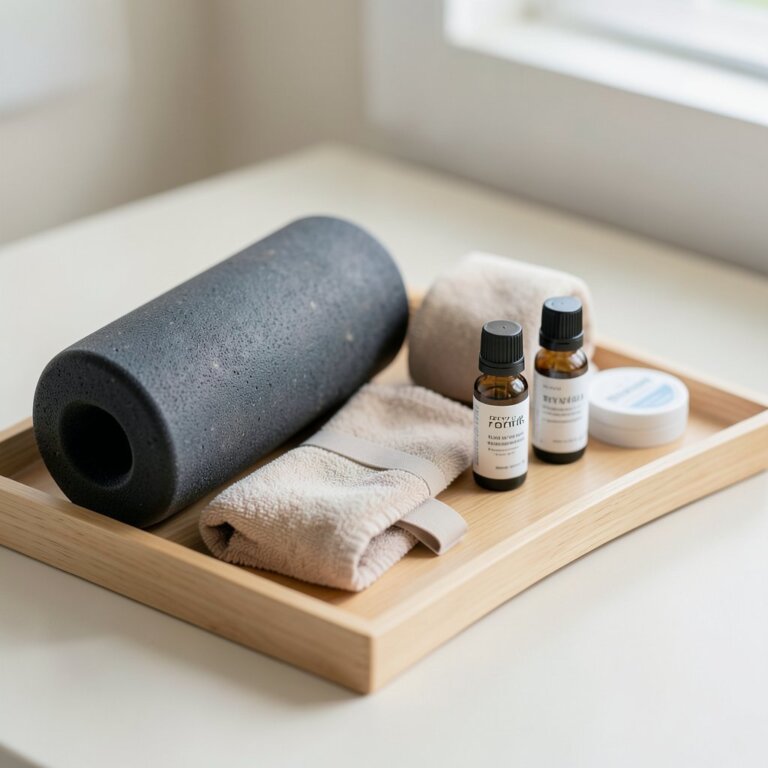

In post-procedure recovery, early-abdominal-rehab offers a structured approach to gradually restore mobility and minimize scar tissue formation.
This guide provides practical routines, safety cues, and actionable steps that you can start with confidence, whether at home or with professional support.
By leaning into gentle, progressive movements and mindful breathing, you may support your body’s natural healing rhythms while reducing stiffness and adhesions over time.
What is early-abdominal-rehab and why it matters in post-procedural recovery
Understanding the concept of early-abdominal-rehab helps you set realistic expectations for recovery and everyday function.
The goal is to reintroduce controlled motion to the abdominal region in the early weeks after an abdominal operation, supporting fascia mobility, reducing edema, and promoting comfortable daily activity.
What it encompasses
At its core, early-abdominal-rehab combines gentle abdominal activations, diaphragmatic breathing, and posture-focused movements designed to be safe and progressive.
The approach emphasizes gentle motions, diaphragmatic breathing, and core activation patterns that respect tissue healing while encouraging daily function.
- Gentle supine moves that start with small ranges of motion
- Breathing exercises to support ribcage and spinal mobility
- Postural corrections that reduce excessive strain on the abdominal wall
Recent industry insights suggest that initiating mobility early can influence long-term outcomes by preserving tissue glide and decreasing the likelihood of lingering stiffness.
While every person’s trajectory is unique, a structured progression often leads to more confident movement later in recovery.
Why it matters for preventing fibrosis and improving function
Fibrosis, or scar tissue buildup, can limit flexibility and comfort if movements are delayed or poorly organized.
The guiding principle of early-abdominal-rehab is to support the formation of healthy scar tissue by encouraging gentle tissue glide, controlled loading, and gradual exposure to movement.
This approach aligns with contemporary recovery principles that favor early, safe activity over prolonged rest.
- Early activity supports fascia mobility and reduces adhesions risk
- Progressive loading helps maintain abdominal wall tolerance
- Breathing-focused work pairs with movement to stabilize the ribcage and spine
Data from 2026 industry reviews indicate that consistent, patient-centered mobilization in the early phases can help people regain functional movement sooner and with less pain during daily activities.
These insights guide practitioners and individuals toward safer, more effective beginnings for movement-based recovery.
Evidence and expectations in 2026
According to industry experts and recent publications in 2026, the emphasis on controlled, early mobilization is growing as a standard to support recovery trajectories.
Expect a gradual approach that prioritizes safety, listening to your body, and coordinating with your healthcare or wellness team.
Preparing for an effective early abdominal mobility routine
Safety checks and readiness cues
Before starting any routine, assess readiness with simple, noninvasive checks.
If you experience sharp pain, unexpected swelling, fever, or redness at the abdomen, pause and consult a clinician.
For most individuals, readiness includes comfortable daily activity, controlled breathing, and the ability to lie on the back with some relaxation in the abdominal region.
In the context of early-abdominal-rehab, preparation is about safety, patience, and clear communication with your care team.
- Check for baseline comfort with diaphragmatic breathing
- Confirm you can perform gentle movements without guarding the abdomen
- Ensure you have space to perform routines safely on a supportive surface
The role of the care team and consent
Engage with healthcare professionals and wellness specialists who understand your unique recovery pattern.
A collaborative plan helps ensure that movements align with your abdominal wall tolerance and overall healing process.
In our Massachusetts practice, we emphasize respectful, individualized guidance, patient education, and a steady pace that honors your body’s signals.
- Explain any discomfort level or changes in mobility
- Agree on a safe starting point and progression plan
- Document progress and adjust as healing unfolds
Core principles of a safe early mobility plan
Gentle progression and pacing
Progression in early-abdominal-rehab centers on small, manageable increments.
Start with very light activations, then increase duration or range as tolerance grows.
The principle is consistency over intensity, ensuring you can sustain the activity without triggering excessive discomfort.
- Begin with 2–3 sets of 5–10 repetitions daily
- Increase by one additional rep or 15 seconds per week, as tolerated
- Limit sessions to short durations to avoid fatigue
Breathing mechanics and diaphragmatic engagement
Breathing work is a cornerstone of the plan.
Diaphragmatic breathing supports spinal alignment and reduces abdominal wall tension, facilitating smoother movements.
Include simple breath-release patterns with gentle abdominal support during each movement.
- Place hands on the lower ribs to sense expansion during inhalation
- Exhale slowly through pursed lips to promote stability
- Coordinate breath with movement to reduce guarding
Protecting the abdominal wall while promoting mobility
Protective strategies help prevent overstrain.
Use light engagement, avoid prolonged bracing, and stay mindful of any twinges that indicate excessive load.
The goal is a respectful balance between stability and range of motion.
- Avoid heavy lifting during the initial weeks
- Prefer lying or seated positions that minimize abdominal tension
- Incorporate gentle posture checks to support alignment
Practical routines you can start at home for early-abdominal-rehab
Gentle supine movements to initiate mobility
Begin with a few safe supine activities that promote abdominal awareness without overloading the area.
These exercises emphasize small ranges and controlled breathing.
- Deep diaphragmatic breaths while lying flat, hands resting on the lower abdomen
- Pelvic tilts: gently rock the pelvis while keeping the ribs relaxed
- Pelvic clock: visualize gentle circular tilts to ease tension
As days progress, you can introduce subtle leg slides while maintaining a soft belly and relaxed spine.
This helps with core engagement without provoking strain.
Seated abdominal activation and posture resets
Seated exercises reduce abdominal pressure while continuing to build awareness.
Focus on alignment, breath, and gentle activation.
- Sit tall, shoulders relaxed, hands on thighs; inhale to lengthen the spine
- Exhale and gently draw the lower abdomen inward toward the spine, holding for a few seconds
- Release and repeat with smooth, controlled movements
Incorporate brief posture resets during daily activities—such as standing tall before walking or sitting with a neutral spine—to support ongoing mobility. Postural corrections help reduce compensation and promote balanced loading.
Gentle rolling and easing techniques
Controlled rolling can improve tissue glide and reduce stiffness without stressing the abdominal region.
Begin with small, comfortable ranges and progress gradually.
- Side-lying hip rolls to gradually mobilize the trunk
- Mini-rolls to the left and right with a light breathing pattern
- Return to resting position and observe ease of movement
These routines create a foundation for future, more dynamic movements while honoring tissue tolerance.
The emphasis remains on gentle, steady progress and listening to your body.
Monitoring progress and knowing when to advance
Red flags and safe pause points
Recognize signs that warrant pausing or modifying your plan.
Sharp, localized pain, swelling with heat, severe muscle guarding, or a sudden worsening of noticable discomfort call for immediate evaluation.
In the context of early-abdominal-rehab, safety is the priority, and adjustments should be guided by a clinician or a qualified wellness professional.
- New or worsening pain that persists beyond a few minutes after activity
- Excessive swelling or redness around the abdomen
- Fever, chills, or systemic symptoms
Tracking progress and adjusting goals
Use simple checks to monitor improvements: breathing ease, movement comfort, and the ability to perform daily tasks with less effort.
Document how you feel before, during, and after sessions to identify trends and plan next steps. Progression should feel like a positive shift—not a challenge that causes discomfort.
- Record daily comfort levels on a simple scale
- Note any changes in endurance or range of motion
- Adjust pace based on body signals and guidance from your wellness team
How Best & Beyond Spa supports recovery and confidence in Massachusetts
Our approach to gentle movement and mobility
At Best & Beyond Spa, our philosophy centers on calm, expert-driven care that respects the healing trajectory.
Our team blends therapeutic massage, bodywork, and mindful movement strategies to support those in early-rehab phases.
By combining tactile relaxation with guided gentle movements, we aim to help you regain confidence in everyday activities while maintaining tissue safety.
Why clients in Massachusetts value our holistic approach
Our Massachusetts studio is known for a clean, vegan, botanical product line and a warm, bilingual environment.
Clients appreciate the seamless integration of bodywork with movement cues that reinforce wellness and recovery in a peaceful setting.
We emphasize expert guidance, patient empathy, and practical strategies you can carry into daily life.
- Evidence-informed mobility support alongside soothing touch
- Personalized plans that adapt to your pace and preferences
- Skilled professionals with a focus on safety and comfort
Real-world experiences from clients show that when movement and relaxation are thoughtfully combined, everyday activities become more comfortable, and mood and sleep often improve.
This aligns with the spa’s broader mission: to provide a peaceful, professional environment where you can recharge, heal, and restore vitality.
Next steps: turning information into an actionable, safe plan
Working with professionals to tailor your early-abdominal-rehab plan
Collaborate with a wellness professional to customize your routine.
A trained clinician or massage-focused practitioner can help you establish a gradual progression, ensure safe movement patterns, and adjust to your body’s responses.
The aim is a practical plan you feel confident following every day.
- Start with a supervised assessment to identify tolerance levels
- Define a simple, daily routine you can maintain for 2–3 weeks
- Incorporate breathing and posture work into your routine
How to book sessions at Best & Beyond Spa
If you’re in Massachusetts and ready to explore a guided approach to mobility and restoration, consider scheduling a consultation at Best & Beyond Spa.
Our seasoned team can help you align movement, breath, and recovery in a relaxing, supportive environment.
We’ll work with you to design a plan that complements your healing journey and fits your daily life.
For more information about our offerings, visit our site or contact us to discuss how we can support your goals with safe, gentle guidance and skilled hands.
Practical checklist: a quick reference for starting early-abdominal-rehab
- Obtain clearance from a clinician and confirm any activity limitations
- Begin with short, gentle sessions focused on breathing and posture
- Maintain a consistent daily routine to support tissue mobility
- Monitor signs of progress and adjust pace as tolerated
- Engage with a trusted wellness team for ongoing guidance
Starting with these fundamentals in mind can help you feel more in control of your recovery and more connected to your body’s healing process.
Remember, the goal is steady improvement, not rushed results, and early-abdominal-rehab is a journey built on patience, safety, and gentle momentum.
To learn more about integrating movement, relaxation, and care in a Massachusetts setting, explore our services and meet the team at Best & Beyond Spa—where restorative touch and mindful movement meet a higher standard of wellness.
Frequently Asked Questions
What is early abdominal mobility rehab and why start after surgery?
Early abdominal mobility rehab is a gentle, progressive program that reintroduces controlled abdominal movement after an operation. It blends small activations, diaphragmatic breathing, and posture work to support healing and prevent stiffness. Starting early aims to preserve tissue glide and functional movement as you recover.
How soon can I begin early-abdominal-rehab exercises at home?
Begin only after your surgical team clears you for activity. Start with very gentle, small-range movements and breathing exercises, focusing on comfort and avoiding strain. If anything increases pain, stop and consult your clinician.
What are safe, gentle supine movements to begin with?
Start with small-range moves like pelvic tilts and gentle abdominal activations while lying on your back, paired with slow diaphragmatic breathing. Include light knee-to-chest motions with minimal range and smooth transitions. Move within a pain-free window and keep shoulders relaxed.
How does diaphragmatic breathing help during abdominal recovery?
Diaphragmatic breathing promotes ribcage and spinal mobility while supporting core engagement without overloading healing tissues. It also aids circulation and reduces tension around the abdominal wall. When combined with gentle movements, it can improve comfort during daily activities.
How can early abdominal mobility reduce fibrosis and adhesions?
By maintaining gradual tissue glide and controlled loading, early mobility helps prevent stiff scar formation. Regular, progressive movement encourages healthy scar tissue organization rather than dense adhesions. This can translate into less stiffness and easier function as you heal.
What signs indicate I should pause or seek help during routines?
Stop if you experience sharp or increasing abdominal pain, swelling, fever, wound drainage, or dizziness. If you notice new heaviness, shortness of breath, or an inability to perform a safe movement, contact your surgeon or physical therapist. When in doubt, seek professional guidance.
How to progress from gentle movements to more functional activities?
Progress gradually based on pain-free ROM, stable vitals, and improved movement quality. Increase reps or range in small increments and add functional tasks like sit-to-stand or standing marches as tolerated. Maintain steady breathing and monitor body signals throughout progression.
Can early-abdominal rehab be done with physical therapy or at home with guidance?
Yes. Many patients begin with professional guidance and then maintain a home routine guided by your clinician’s progression plan. A PT can tailor safety cues and pacing to your surgery and healing pace, with regular check-ins to ensure proper technique.

At Best and Beyond Spa, Day and Davilla are dedicated professionals passionate about wellness and beauty. With expertise in spa day treatments, couples massages, and senior wellness, they provide high-quality, personalized care in a relaxing environment. Their mission is to help clients feel rejuvenated, refreshed, and truly cared for.
Related Posts
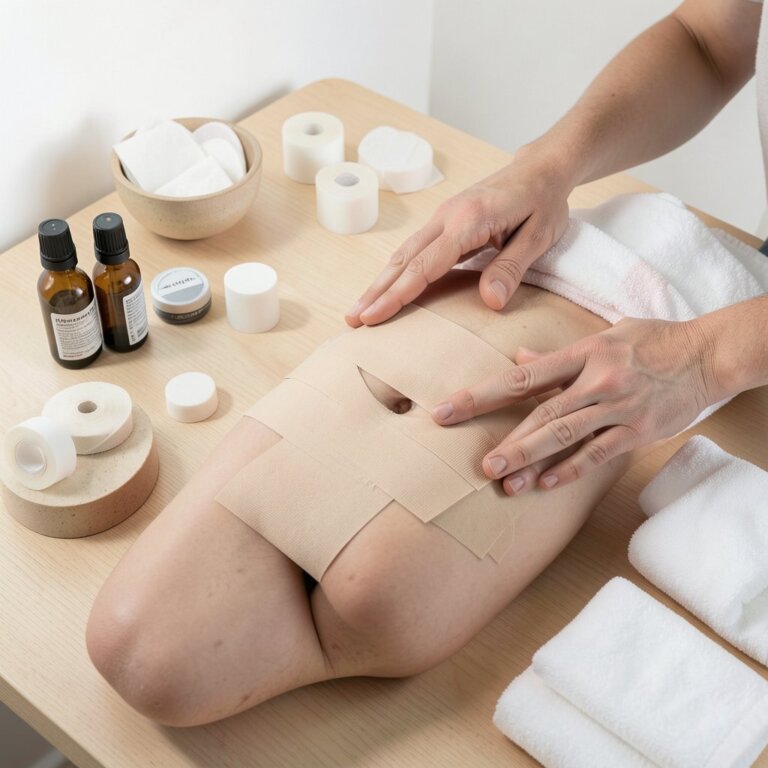
Tutorial: Sequencing Abdominal Tissue Mobilization, Lymph Drainage, and Taping for Scar Resilience
Comparative: Immediate Rehab Protocols for Fibrosis Reduction vs Standard Postoperative Care