

Fibrosis Prevention in Immediate Abdominal Rehab informs how early lymph drainage timing can influence fibrosis risk after an abdominal procedure.
This guide is designed for individuals who have recently undergone an abdominal procedure or anticipate one, helping you understand why timing matters and how practical, clinician-guided techniques can support recovery.
Our approach blends evidence-informed insights with compassionate, hands-on care you can discuss with your care team.
By focusing on gentle, patient-centered strategies, you can support lymph drainage, minimize excessive edema, and promote healthier recovery trajectories during the critical early days and weeks after the procedure.
Fibrosis Prevention in Immediate Abdominal Rehab: Core Concepts
The early phase of abdominal rehab centers on managing fluid balance, reducing swelling, and guiding tissue remodeling in ways that may reduce scar tissue formation.
In this context, lymph drainage plays a pivotal role by helping to clear excess fluid, calm inflammation, and support comfortable movement.
While we avoid medical jargon, the practical takeaway is straightforward: timing matters, and gentle techniques applied at the right moments can influence how your body responds during recovery.
Below are the essential ideas that shape a sound early rehab plan.
Each point is illustrated with practical examples drawn from experienced therapists at Best & Beyond Spa in Woburn, MA, who regularly tailor these principles to individual needs.
First, fibrosis risk is linked to how quickly fluid accumulates and how the body lays down collagen during healing.
By coordinating gentle interventions with your natural healing timeline, you can support more organized remodeling of tissue and minimize irregular scar formation.
Second, the edema landscape—how swelling shifts over the first days—guides when and how to apply specific techniques.
Third, mobility in the early rehab window helps prevent stiffening and encourages normal movement patterns, which in turn supports healthier tissue alignment over time.
And finally, the human aspect—consistent, clear communication with your care team—ensures that even small adjustments can yield meaningful benefits in both comfort and functional outcomes.
In our practice, we emphasize a balanced, humane approach.
You’ll find that our therapists blend relaxation and therapeutic body care to support a calm nervous system, which can be beneficial for tissue healing and patient well-being.
This aligns with growing interest in non-invasive, non-pharmacologic strategies that support recovery after an abdominal procedure, while avoiding over-interpretation of results.
If you’re seeking a trusted, Massachusetts-based option, our team is here to guide you with evidence-informed practices and compassionate care.
Timing Strategies: How Early Lymph Drainage Impacts Fibrosis Risk
Initiating drainage within hours after the procedural event
Understanding the timing window can help you plan your rehab responsibly.
A common principle is to begin lymph drainage techniques as soon as you are able to participate safely, within the limits set by your medical team.
Early, gentle interventions may help manage fluid shifts and reduce tissue tension, which in turn can influence the trajectory of scar tissue formation.
In practice, practitioners often coordinate between hands-on therapy and patient-guided self-care in the first 48 hours, progressing gradually as swelling settles and comfort improves.
This approach aims to support edema control, improve venous return, and promote a sense of security during movements.
The emphasis remains on safety and individualized pacing rather than aggressive techniques, aligning with the goal of promoting tissue remodeling in a way that minimizes irregular fibrotic deposits.
At Best & Beyond Spa, our therapists develop an initial plan that respects your pace, checks for pain signs, and integrates gentle manual techniques with patient education so you understand why each step matters for your recovery.
Monitoring edema and tissue response: when to adjust timing
Timing isn’t a fixed rule; it’s a responsive process.
Your rehab plan should include ongoing observation of edema patterns, skin coloration, and comfort levels during movement.
If swelling persists or you notice increased tightness or discomfort, a slight adjustment to the rhythm or intensity of lymph drainage can be considered in collaboration with your care team.
This adaptive approach helps ensure that the timing remains appropriate for your unique healing timeline and reduces the potential for unwanted tissue stress.
- Track daily swelling levels and ease of movement to guide progression.
- Adjust the cadence of sessions based on your comfort and vascular responses.
- Maintain open communication with your care team about sensations such as tenderness or warmth in treated areas.
Evidence-based practice supports the idea that patient-centered timing, when executed by skilled therapists, can improve perceived comfort and functional progress while supporting effective recovery.
Tailoring timing to individual factors: age, activity, and baseline health
No two recovery paths are identical.
Factors such as age, baseline mobility, and how you typically move during daily life influence when and how lymph drainage strategies should be applied.
The aim is to harmonize the rehab plan with your natural healing tempo, rather than forcing a one-size-fits-all schedule.
Our team prioritizes individualized planning and clear explanations so you feel confident in every step you take toward improved function and comfort.
Incorporating patient-specific data helps reduce the risk of excessive scar formation by aligning intervention timing with your tissue’s remodeling pace.
This alignment is a core principle behind Fibrosis Prevention in Immediate Abdominal Rehab, ensuring that care decisions reflect your personal healing journey rather than a generic timetable.
Practical Protocols for At-Home and Professional Care
Gentle manual techniques that support lymph flow
Gentle manual techniques are a cornerstone of early rehab.
They focus on encouraging lymph movement without triggering discomfort or tissue irritation.
The goal is to facilitate edema reduction and promote a smoother transition through the early healing phases while respecting your unique tolerance levels.
At Best & Beyond Spa, we teach clients how to perform safe, light-touch techniques at home under professional guidance, ensuring you understand each motion and its purpose.
Key practical steps include light, rhythmic strokes along lymphatic pathways, avoiding deep pressure, and coordinating with breathing to promote relaxation and tissue receptivity.
By pairing these methods with appropriate rest and gradual movement, you can support healthier scar tissue patterns and more comfortable movement as your abdominal area recovers.
Frequency, duration, and progression: building a gentle routine
A practical rehab plan often begins with short, frequent sessions and progresses gradually as swelling decreases and mobility improves.
For many patients, a routine that includes a few brief sessions per day, supplemented by self-care practices, yields better adherence and outcomes.
The exact cadence depends on your symptoms, comfort, and any instructions from your care team.
The focus remains on sustainable, real-world benefits rather than intensive, high-pressure programs.
- Start with 10–15 minutes per session, 1–2 times daily, then adjust.
- Incorporate short periods of gentle movement between sessions to maintain tissue suppleness.
- Prioritize comfort and avoid any movements that increase pain or new swelling.
Precautions and contraindications: what to avoid
While early rehab can be beneficial, certain signs require pausing or adjusting care.
If you notice sudden or worsening swelling, redness, heat, or fever, discontinue self-care and contact a clinician promptly.
Avoid aggressive pressure, deep tissue work, or any technique that causes sharp pain.
Respect your body’s signals; healing benefits come from consistency and safety, not intensity.
Our team emphasizes education and clear guidance, ensuring you know exactly when to seek professional input and how to adapt your routine to your evolving healing status.
The overarching message is that mindful, patient-guided efforts contribute to healthier tissue remodeling, reducing the likelihood of heightened fibrosis risk over time.
Clinical Evidence and Real-World Observations
Recent insights for Fibrosis Prevention in Immediate Abdominal Rehab
Emerging literature through 2026 supports the role of early, careful lymph-focused interventions in improving edema management and mobility in rehab settings.
Studies in rehabilitation and physical therapy spheres suggest that timely, gentle drainage strategies can contribute to more efficient tissue clearance, potentially reducing fibrotic tissue deposition and improving functional outcomes.
While individual results vary, the consensus highlights that evidence-informed approaches combined with patient engagement yield meaningful benefits in early recovery periods.
Experts emphasize the importance of tailoring plans to each person’s healing trajectory.
Clinicians and therapists advocate for ongoing assessment, flexible pacing, and clear communication to ensure that techniques align with a patient’s comfort, goals, and safety.
Consistent with the lived experiences of many patients, this approach can foster greater confidence, better adherence, and a smoother path toward regained daily activities.
For readers seeking reliable sources, you can explore general information on the lymphatic system and non-invasive approaches to edema management from reputable health information portals and professional organizations.
These resources underscore the value of gentle, patient-guided care and the potential positive impact of early lymph-focused strategies in rehabilitation contexts.
Real-world experiences from the Best & Beyond Spa team
In Massachusetts, our team brings hands-on expertise in relaxation massage, therapeutic body care, and lymph-focused techniques that support safe early rehab.
We emphasize wellness-first approaches that prioritize calm, comfort, and progressive movement.
Our care philosophy integrates evidence-informed practices with a compassionate, personalized approach, aiming to help patients navigate recovery with dignity and confidence.
This blend of clinical insight and spa-level care provides a unique doorway to healthier tissue remodeling and an improved sense of control during the rehab journey.
We continually document outcomes and patient feedback to refine our methods, ensuring that our recommendations remain practical, accessible, and aligned with your goals for a smooth, restorative recovery experience.
Patient Education: What to Expect in Immediate Abdominal Rehab
What patients should ask their care team
Empowerment starts with questions.
Consider asking about the timing of lymph drainage sessions, expected progression of swelling, and the types of self-care techniques you can safely perform at home.
You might also inquire about signs that warrant professional input or a modification of the plan.
A well-informed patient can participate actively in decision-making, which often improves adherence and outcomes.
Useful questions include: How soon can I begin light lymph drainage? What are the warning signs that I should pause self-care? How will we adjust the plan if swelling plateaus? What home techniques complement clinical sessions? Clear answers help you stay engaged and confident in your rehab journey.
Tracking progress and communicating changes
Progress tracking is essential.
Maintain a simple log of swelling patterns, comfort levels, and mobility milestones.
Sharing this information with your care team helps them tailor timing and intensity of interventions.
Real-time feedback fosters more precise adjustments and reduces the risk of over- or under-stimulation of tissues during the early recovery window.
In our practice, we emphasize transparent communication and education.
You’ll find that understanding “why” behind each technique enhances how you approach rehab, increases motivation, and supports a balanced, sustainable path toward full function.
Expected milestones in the first weeks of rehab
Early milestones typically include decreased swelling, improved tissue softness, better tolerance for light movement, and gradually returning to routine activities.
While timelines vary, a thoughtful, patient-centered rehabilitation plan can help you reach these milestones with less discomfort and more confidence.
The focus remains on safe progress, mindful technique, and steady improvements that support long-term health and function.
expect to experience a sense of relief as restriction eases and movement becomes more natural.
Our team celebrates small wins and reinforces strategies that maintain momentum while prioritizing your comfort and safety, ensuring that the rehab experience remains positive and empowering.
Next Steps at Best & Beyond Spa
Our approach in Massachusetts
At Best & Beyond Spa, we integrate relaxing massage and therapy with carefully chosen lymph-focused strategies designed to support early rehab after an abdominal procedure.
Our philosophy emphasizes a calm, therapeutic environment, with a focus on clean, vegan, botanical products and a holistic approach to well-being that respects both body and mind.
You’ll experience dedicated guidance from a team grounded in physiotherapy education and advanced aesthetics, delivering a balanced, evidence-informed path to recovery.
We tailor plans to your pace, goals, and comfort level, ensuring that your rehab feels safe, supportive, and effective.
The emphasis on wellness and compassionate care helps you move forward with confidence, knowing you’re in a trusted, top-rated Massachusetts wellness destination that prioritizes your safety and comfort.
What you can schedule with us
Our schedule includes sessions designed to support early rehab, with a focus on gentle lymph-focused techniques, relaxation therapies, and patient education.
Whether you’re looking for a single session to start your post-procedure journey or a structured program to complement ongoing medical care, our team is prepared to collaborate with you for an integrated approach to healing and wellbeing.
We encourage you to discuss your goals, symptoms, and any concerns so we can create a plan that aligns with your needs.
By combining skilled hands-on therapies with mindful self-care guidance, we aim to help you experience a smoother recovery while nurturing your overall wellness.
Our Massachusetts-based practice is dedicated to helping you feel your best as you advance toward everyday activities and a renewed sense of vitality.
Common Mistakes and How to Avoid Them
Overly aggressive drainage or pressure
One common pitfall is applying too much pressure or attempting aggressive techniques early in recovery.
This can irritate tissues and potentially worsen swelling or discomfort.
To avoid this, follow a gentle approach and adhere to the guidance of your care team.
If you notice increased pain or swelling after a session, pause and reassess with your provider.
Our team emphasizes patient safety and progressive loading rather than intensity.
A thoughtful, stepwise plan reduces risk and supports a steadier path toward healthier tissue remodeling.
Neglecting edema signals or skipping scheduled sessions
Edema patterns are meaningful indicators of how healing is progressing.
Skipping sessions or failing to respond to edema fluctuations can hinder progress.
Adhering to a consistent schedule and documenting changes helps your team tailor timing and technique to your evolving needs.
Consistency, not frequency alone, drives meaningful outcomes in the early rehab window.
We encourage you to maintain regular communication with your therapist, noting any new or escalating symptoms, so adjustments can be made promptly and safely.
Inadequate hydration and rest during early rehab
Recovery relies on a balance of movement, rest, and hydration.
Neglecting these fundamentals can blunt the positive effects of early lymph-focused care.
Ensure you follow a holistic plan that supports hydration, nutrition, and restorative sleep, alongside gentle movement and lymph drainage techniques.
This balanced approach helps with overall tissue healing and functional recovery.
With our guidance, you’ll learn practical routines that integrate mobility, breathing, and relaxation to support your healing journey while protecting against excessive tissue stress.
Conclusion: A Practical Path to Safer, More Comfortable Recovery
In the realm of post-procedure rehab, timely, gentle lymph drainage strategies offer a practical way to support edema management, tissue remodeling, and overall recovery while reducing the risk of fibrosis.
By combining evidence-informed timing with patient-centered care, individuals can experience a smoother early recovery trajectory, greater comfort, and a stronger foundation for returning to daily activities.
At Best & Beyond Spa, we bring an integrated approach to wellness that respects your healing process and emphasizes compassionate, expert guidance.
If you’re preparing for an abdominal procedure or embarking on early rehab, consider a trusted Massachusetts resource that prioritizes safety, expertise, and gentle care.
Our team is here to support your journey toward lasting wellness and renewed vitality.
To learn more about how we can tailor a gentle, evidence-informed rehab plan for you in Woburn, MA, reach out to our team.
We invite you to explore our therapeutic offerings and discover how personalized, expert care can make a meaningful difference in your recovery experience.
Thank you for prioritizing your well-being.
Your path to safer, more comfortable recovery starts with informed steps, compassionate care, and a partnership you can trust.
Frequently Asked Questions
What is the role of early lymph drainage in fibrosis prevention after abdominal rehab?
Early lymph drainage helps clear excess fluid, reduce swelling, and calm inflammation during the initial recovery period. In the fibrosis prevention in immediate abdominal rehab framework, these steps support more organized tissue remodeling when guided by a clinician.
When is the best time to start lymph drainage after abdominal surgery to minimize fibrosis risk?
Timing should be individualized by your care team, based on your healing timeline. Begin gentle techniques only when your clinician indicates it’s appropriate, to avoid disrupting recovery in the first days.
Can early lymph drainage timing affect swelling and scar tissue formation?
Yes. Appropriate timing can help manage edema and influence how collagen is deposited, potentially reducing irregular scar formation. This aligns with fibrosis prevention in immediate abdominal rehab by supporting smoother tissue remodeling.
Are there risks or safety concerns with lymph drainage during the immediate post-abdominal rehab period?
Yes—techniques should be performed by trained clinicians to avoid tissue irritation or incision complications. Always follow your care team’s instructions and report any new pain, redness, or fever promptly.
Who should perform lymph drainage techniques in the early rehab window?
Licensed therapists, physical therapists, or clinicians experienced in manual lymph drainage should perform it, especially in the initial recovery phase. Self-administered methods are generally not recommended without professional guidance.
What signs indicate you should contact your care team about fibrosis risk?
Worsening redness, fever, increasing pain, sw elling that spreads or lasts beyond a few days, or new drainage should prompt contact with your clinician. Timely communication supports safer, fibrosis-aware recovery.
How do edema patterns influence the timing of lymph drainage?
Edema trajectories in the first days guide when to apply specific techniques; clinicians adjust timing to align with your body’s healing timeline. This helps optimize lymphatic support during the early rehab window.
How does timing interact with tissue remodeling to reduce irregular scar formation?
Timing gentle drainage with the healing timeline supports organized collagen deposition and can lower fibrosis risk. This approach reflects the core idea of fibrosis prevention in immediate abdominal rehab by coordinating care with your recovery pace.

At Best and Beyond Spa, Day and Davilla are dedicated professionals passionate about wellness and beauty. With expertise in spa day treatments, couples massages, and senior wellness, they provide high-quality, personalized care in a relaxing environment. Their mission is to help clients feel rejuvenated, refreshed, and truly cared for.
Related Posts

Guide: Fibrosis Prevention Strategies Across Immediate Abdominal Rehab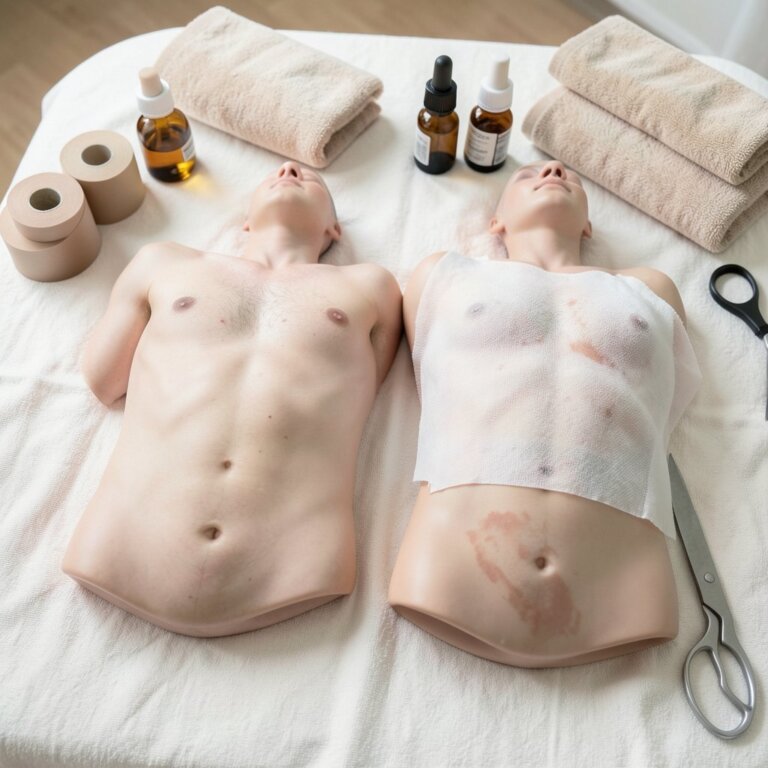
Comparative: Lymph Drainage with Kinesio Taping versus Lymph Drainage Alone for Early Abdominal Scar Mobility